For years, modular buildings were all about drafty, plastic-wrapped tents or rusted shipping containers. They got the job done when you needed shelter fast, but you definitely paid for it in comfort and durability. That’s finally changing. We’re seeing a shift as to how semi-permanent architecture is built, thanks to rigid wall technology.
Rigid wall shelters are quick to set up as a tent, yet they feel as solid and climate-controlled as a permanent brick-and-mortar building. They can be easily moved and are built to last at the same time. They’re the perfect hybrid! That said, here are some of the great reasons a rigid wall shelter is reshaping the game when it comes to modular facilities:
Structural Integrity
One of the best things about a rigid wall shelter is that it offers the permanence of a real building without being stuck in one place. Such structures use high-grade composite materials and metal framing to create a rock-solid shell. These are unlike canvas tents that tend to struggle in high winds and standard shipping containers that can feel structurally limiting.
What’s basically at play here is heavy-duty engineering designed for the world’s toughest environments. There’s nothing to worry about whether you’re setting up a mining camp, combat outposts, forward operating bases, or a research lab in a freezing location; these structures are built to handle extreme wind and snow loads that a typical modular build won’t be able to survive. They also provide a steady, vibration-free space suited for housing sensitive tech or if you simply need a safe, quiet place for your team to recharge.
To obtain these features, it’s important to work with the industry's trusted providers of high-quality containerized facility solutions. This way, mission-critical operations remain seamless, regardless of the geographic challenges.
Thermal Performance
In remote locations, keeping the lights on is a massive expense. The HVAC system likely has to work overtime just to keep things bearable. All this won’t be a problem with rigid walled shelters that are masters of thermal efficiency.
Their panels offer high-end insulation, and consistently at that. No "cold spots” too, as these structures, with features such as a fire-resistant skin, make sure the outside weather stays outside. They’re unlike your usual containers that often have metal studs that leak heat or cold into the room. And because these units hold their temperature so well, your generators and AC units don't have to work nearly as hard. This means fewer breakdowns and a much longer lifespan for your equipment.
Yes, the upfront cost might be higher, the energy savings usually pay for the upgrade. You’re looking at a smarter, more sustainable setup that pays for itself eventually.
Rapid Deployment
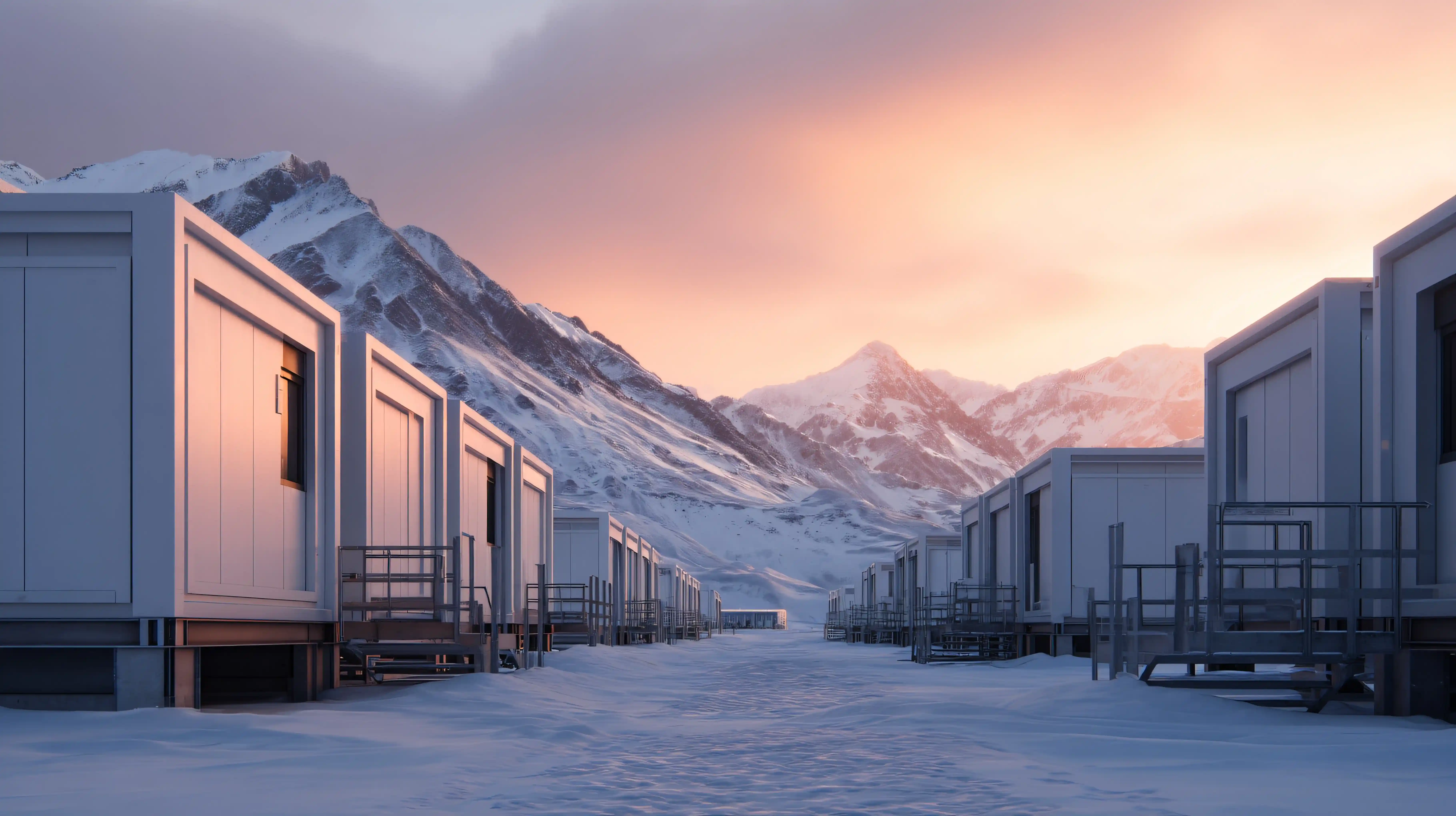
Traditional building can drag on for months. You're trapped in site prep and labor shortages. Rigid-wall camps, on the one hand, are plug and play. You're bypassing the entire construction headache because the wiring and plumbing are already baked into the walls. Thanks to rapidly deployable panels and tongue-and-groove connections, you can have a command center or a clinic in a much faster time.
But it's not just a rapidly deployable shelter. It's actually habitable and fosters operational efficiency. These structures have sophisticated interiors that mirror permanent office environments, complete with superior lighting, climate control, and acoustic insulation. They mitigate personnel fatigue and enhance cognitive focus. Thus, workforce morale is maintained and long-term retention is ensured, even in the most demanding of environments.
Customizable
As mentioned earlier, these rigid wall shelters are like plug and play systems as they use precise, modular dimensions. What this means is that architects no longer have to start from scratch every single time. They can swap in medical suites, labs, or command centers using parts that are guaranteed to fit perfectly. For instance, a space that starts as a dormitory today can be stripped and rebuilt as a high-tech lab tomorrow without breaking the bank and requiring much effort. Expandable shelters are also in existence, allowing you to scale your facility as operational demands grow.
A rigid wall shelter evolves with you, unlike custom one-off buildings that are complicated to renovate. And because of this flexibility, the structure remains a valuable tool that adapts to your needs. You won't ever be stuck with an outdated building, that's safe to say.
Integration-Ready
The world today is driven by the Internet of Things (IoT) and constant connectivity, so a shelter needs to do more than just provide cover and act as a tech-ready hub.
Traditional soft-sided units simply don’t have the solid mounting surfaces needed to hold modern hardware. Meanwhile, shipping containers and their heavy corrugated steel walls often block or scramble the wireless signals you rely on.
Good thing rigid wall shelters are built with a "digital-first" mindset, which means they're ready for integration. They've got accessible wall cavities and built-in conduits. So, you won't have a difficult time installing smart sensors, advanced security, or high-speed data networks. Some advanced models even incorporate carbon fiber fabric for enhanced structural performance while maintaining signal transparency. Also, because you've got an adaptable platform for future tech upgrades, you're guaranteed a facility that stays at the cutting edge for many years.
Conclusion
The shift toward rigid wall technology is a total game-changer for the modular industry. We’re finally moving past the days of temporary housing; now, it’s about modular builds that are of premium quality. Rigid wall shelters prove that you don’t have to trade comfort or safety for a fast setup.
Business Outstanders brings you sharp insights on tech, business, entrepreneurship, law, crypto, and more. We uncover what’s next. Stay updated, sign up for our newsletter and be part of the future!