One of the most dangerous parts of many jobs is working up high. People still get hurt a lot when they fall off roofs, and the only way to keep workers safe is to set up the right methods. Equipment is vital, but its effectiveness depends on its planning, setup, and maintenance. These steps will help you use roof safety options correctly.
Start With a Risk Assessment
Prior to the implementation of anything, a comprehensive risk assessment ought to be carried out. This involves looking through the website carefully to identify potential risks, such as steep slopes, fragile surfaces, or entry points that would put employees in harm’s way.
It is possible for businesses to have concepts that are usable in the real world if they chart these risks early on. A personalised review guarantees the identification of all danger areas and the effectiveness of the selected systems in ensuring employee safety.
Choose the Right Equipment for the Job
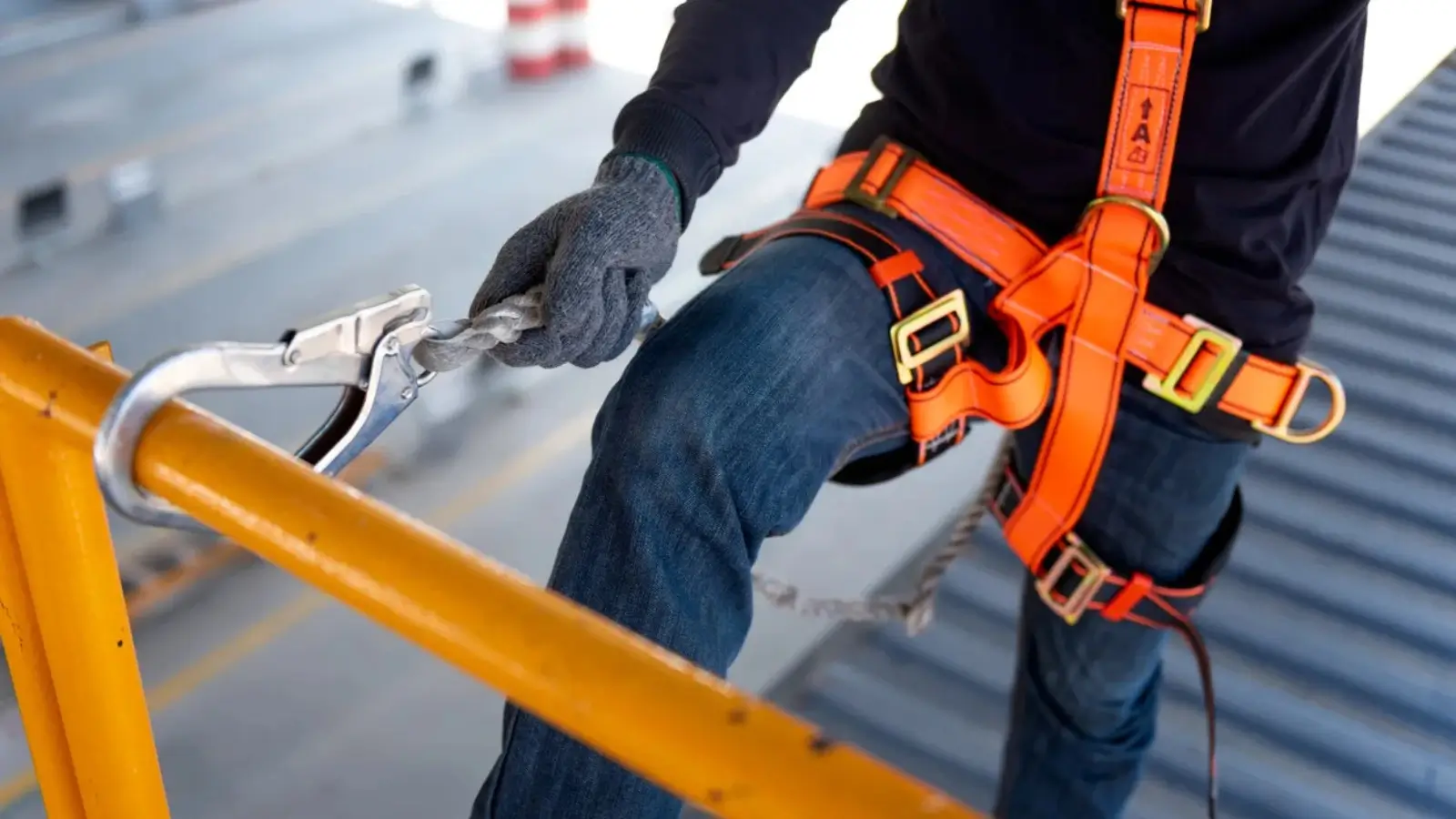
Various safety systems are suitable for different roofs. The correct choice will depend on the building’s structure and the work being carried out. Everything from guardrails and static lines to harness points and roof stakes has its place.
You can get the right equipment if you partner with suppliers that specialise in roof safety solutions. With the assistance of professionals, you can have faith that the product you purchase will last and will fulfil all of the requirements.
Ensure Correct Installation by Professionals
The best gear in the world won’t protect people if it’s not configured correctly. Roof safety systems can only be provided by official services, which are aware of the regulations and requirements for the connection of such mechanisms and the building.
As long as it is established in the appropriate manner, every stake, rail, and line is ready to be utilised despite the potential risks involved. A decrease in the quality of work in the region can not only put individuals in danger, but it can also lead to legal or financial repercussions in the future.
Train Workers in Safe Usage
Safety systems are only as effective as those who use them. Staff need to be trained on how to properly use harnesses, access points, and anchors once the equipment is in place. Training should undergird not only how the systems function, but also why it is important to work safely.
Refresher courses maintain safety smarts and help head off deleterious negative habits. Well-trained employees are so much more reliable on the job and significantly less likely to make mistakes that could cause serious accidents.
Maintain and Inspect Regularly
Frequent inspections are necessary to spot wear, damage, or faults before they lead to hazards. Inspections ensure the equipment will function when it’s needed most.
Maintenance can also mean some cleaning, tightening, or replacing parts after extensive use or severe weather. The detailed tracking of inspections and servicing demonstrates compliance and shows your business is safety-proactive.
Review and Update Safety Procedures
Safety measures have to evolve. Reviewing systems on a regularly scheduled basis ensures they remain effective and are in compliance with current industry standards.
The act of updating procedures also sends the message to workers that safety matters. It cultivates confidence and reinforces a positive working environment, as well as an undaunting pledge to the team’s safety.
Putting Safety Into Action
Effective roof safety solutions aren’t just about buying the gear and having it installed. Companies that successfully implement employee safety roofing solutions go beyond the checklist and effectively integrate safety into their operations on a daily basis. Saving lives and nurturing a safety-first culture is what real, successful roof safety is all about.
Business Outstanders brings you sharp insights on tech, business, entrepreneurship, law, crypto, and more. We uncover what’s next. Stay updated, sign up for our newsletter and be part of the future!