Effective commercial air conditioning design and installation in Adelaide boosts efficiency, lowers energy costs, and improves comfort.
Adelaide’s hot summers and variable climate make commercial air-conditioning more than just a comfort feature for local businesses. In this environment, inefficient air-conditioning systems can result in uneven cooling, high energy bills, frequent breakdowns, and lower operational efficiency overall. As such, it’s important for businesses to invest in getting it right to prevent unforeseen costs and disruption later on.
While every business has different climate control requirements, a well-designed commercial air-conditioning system in Adelaide should generally prioritise efficiency, reliability, and comfort. Businesses should look for correctly-sized units, optimised airflow and zoning, energy-efficient components from trusted brands, smart controls to manage temperature and humidity, and trained professionals who can design a solution to suit your needs.
Let’s break it down further.
Benefits of Professional Commercial Air-Conditioning Design & Installation
Investing in quality commercial air-conditioning design and installation instead of just slapping units on in every room provides multiple benefits for businesses in Adelaide, such as:
1. Optimised comfort
Having smart zoning and airflow design from the very start can prevent the formation of hot or cold spots in the building, which keeps every area consistently comfortable for your employees and customers. This improves mood, boosts productivity, and creates a good impression of your business.
2. Lower energy costs
Commercial air-conditioning systems can be an enormous operational expense, so it’s important to optimise them. A system that is correctly sized for your space and which uses energy-efficient units consumes less power while maintaining comfort, thus saving your costs.
3. Reliable performance
High-quality components and expert installation by commercial air-conditioning professionals reduce the risk of breakdowns and costly repairs, which translates into fewer disruptions and unexpected downtime for your business.
4. Environmental sustainability
The use of energy-efficient equipment and modern refrigerants can help to lower your carbon footprint, supporting environmentally-responsible business practices.
5. Long-term savings
A professionally designed commercial air-conditioning system lasts longer and avoids premature replacement or expensive repairs, providing a strong return on investment over time.
Key Principles of Commercial AC Design and Installation
When it comes to designing and installing a commercial air conditioning system in Adelaide or preparing to install an HVAC system for your business, some key principles that businesses must factor into the equation include:
- Load calculation: The system should be correctly sized for the building or space to prevent overworking units or wasting energy. For instance, a hotel may consider more powerful HVAC units for the lobby, which is usually harder to keep cool because it is expansive and sees significant foot traffic. However, a single HVAC vent connected to central air-conditioning may be sufficient for smaller storerooms and laundry rooms.
- Zoning and airflow optimisation: Designate areas in your commercial spaces by ‘zones’ and design suitable airflow paths to ensure a balanced air distribution. If this seems too complicated to tackle alone, don’t worry. A professional commercial air-conditioning technician can use a modelling technique such as Computational Fluid Dynamics (CFD) to show how air circulates inside your building and design a system that optimises airflow for best efficiency and comfort.
- Energy efficiency: Following efficiency guidelines such as those recommended under the National Construction Code (NCC), which governs items such as controls, insulation, pumps and energy efficient ratios, can be instrumental in designing an energy-efficient air-conditioning system. For instance, one requirement is that the system should be capable of being deactivated when the building is empty. Another involves requirements for sealing the building to reduce air leakage, which can interfere with efficient climate control.
- Quality components and reputable brands: In many cases, commercial air-conditioning systems work almost round the clock – if not 24/7 – so this is one area you do not want to skimp on quality-wise to avoid malfunctions and breakdowns as much as possible. Using proven, high-quality equipment ensures better durability, consistent performance, and lower maintenance requirements. Additionally, reputable brands usually offer a more comprehensive warranty if anything goes wrong.
- Smart controls and automation: Modern commercial air-conditioning systems allow you to easily and precisely adjust temperature and humidity, helping to maximise efficiency and maintain a consistent environment even if you are not on the premises.
Some advanced systems can even monitor the climate and adjust the heating/cooling output of the units according to preset preferences, which can lower energy consumption by 10–40% without any human intervention.
The Role of Skilled Commercial Air-Conditioning Technicians
Designing a good commercial air-conditioning system in Adelaide is something you want to get right the first time, because any mistakes or issues that crop up after the system is installed will likely be difficult and/or expensive to rectify. That’s where the support of a good technician can be invaluable.
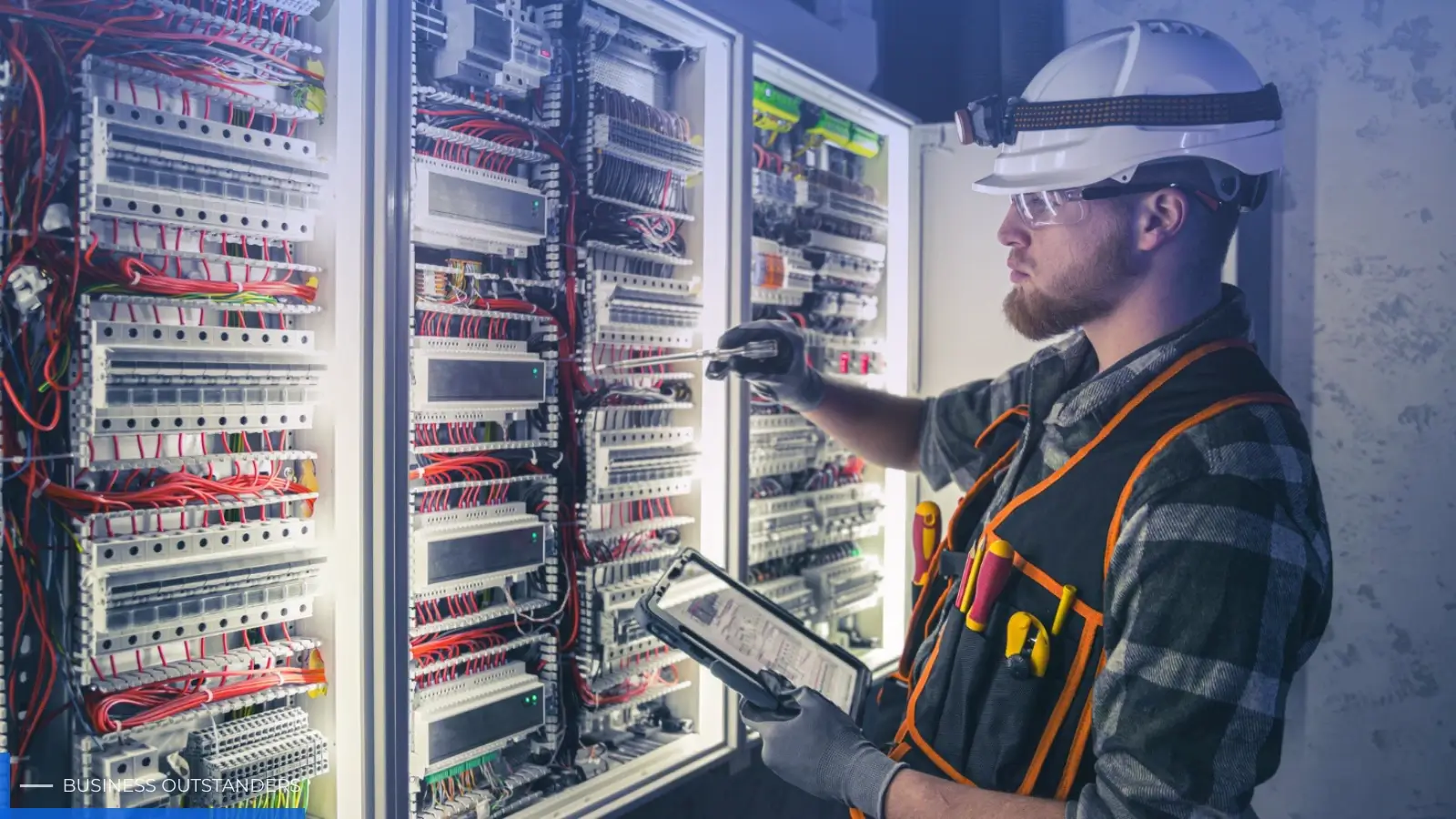
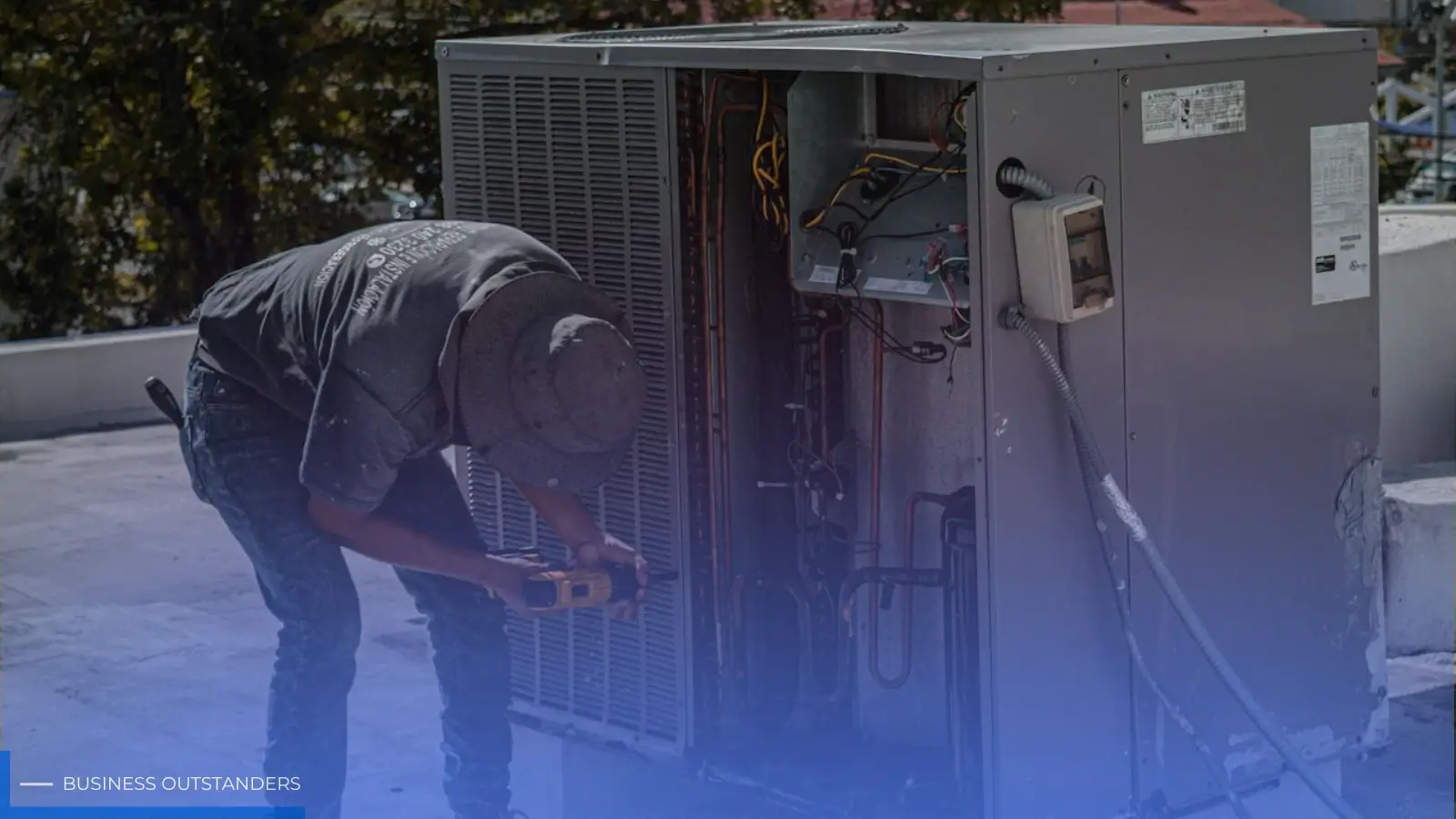
A technician that is experienced in commercial air-conditioning design and installation should be able to work with you from end-to-end to simplify the entire process. They can evaluate your space, recommend systems that would best suit your needs, and ensure that everything from ductwork and piping to electrical connections and control systems are installed correctly and safely.
However, their role does not necessarily end at installation. They should also be able to advise on and provide ongoing maintenance support, including for filter cleaning, refrigerant checks, and system balancing. This will help further extend the life of your system and maintain optimal performance.
Take Control of Your Climate with Commercial Air-Conditioning in Adelaide
In Adelaide, proper commercial air-conditioning design and installation is more than just a necessity — it’s a strategic business decision. Prioritising efficient system design, quality equipment, skilled installation, and ongoing maintenance ensures comfort, reduces costs, and supports productivity.
If you are considering designing and installing a new system in your building, or upgrading your inefficient system to something more optimised, be sure to consult with a trained commercial air-conditioning technician to get the most out of your investment and reap the rewards more consistently.
Business Outstanders brings you sharp insights on tech, business, entrepreneurship, law, crypto, and more. We uncover what’s next. Stay updated, sign up for our newsletter and be part of the future!