Introduction
When planning a construction, renovation, or industrial project, choosing the right material is key. One option that combines durability, corrosion resistance, and a non-slip surface is Stainless Steel Diamond Plate. Whether you’re outfitting a workshop, upgrading a commercial kitchen, or building a trailer floor, understanding this material helps you make a smart buying decision.
What Is Stainless Steel?
Stainless steel is a metal alloy made mainly of iron, with added chromium and other elements to make it resistant to rust and corrosion. It’s widely used in industries like construction, food processing, and manufacturing.
Benefits of Buying Stainless Steel:
- Corrosion Resistance: Ideal for wet or humid environments.
- Strength: Suitable for structural use or heavy-duty applications.
- Low Maintenance: Easy to clean and long-lasting.
- Attractive Finish: Adds a modern, polished look to any space.
Common Grades for Buyers:
- 304 Stainless Steel: Great all-purpose option; strong, corrosion-resistant, and food-safe.
- 316 Stainless Steel: Best for marine or chemical environments due to higher corrosion resistance.
- 430 Stainless Steel: Less expensive, still rust-resistant but not as durable as 304 or 316.
What Is Diamond Plate?
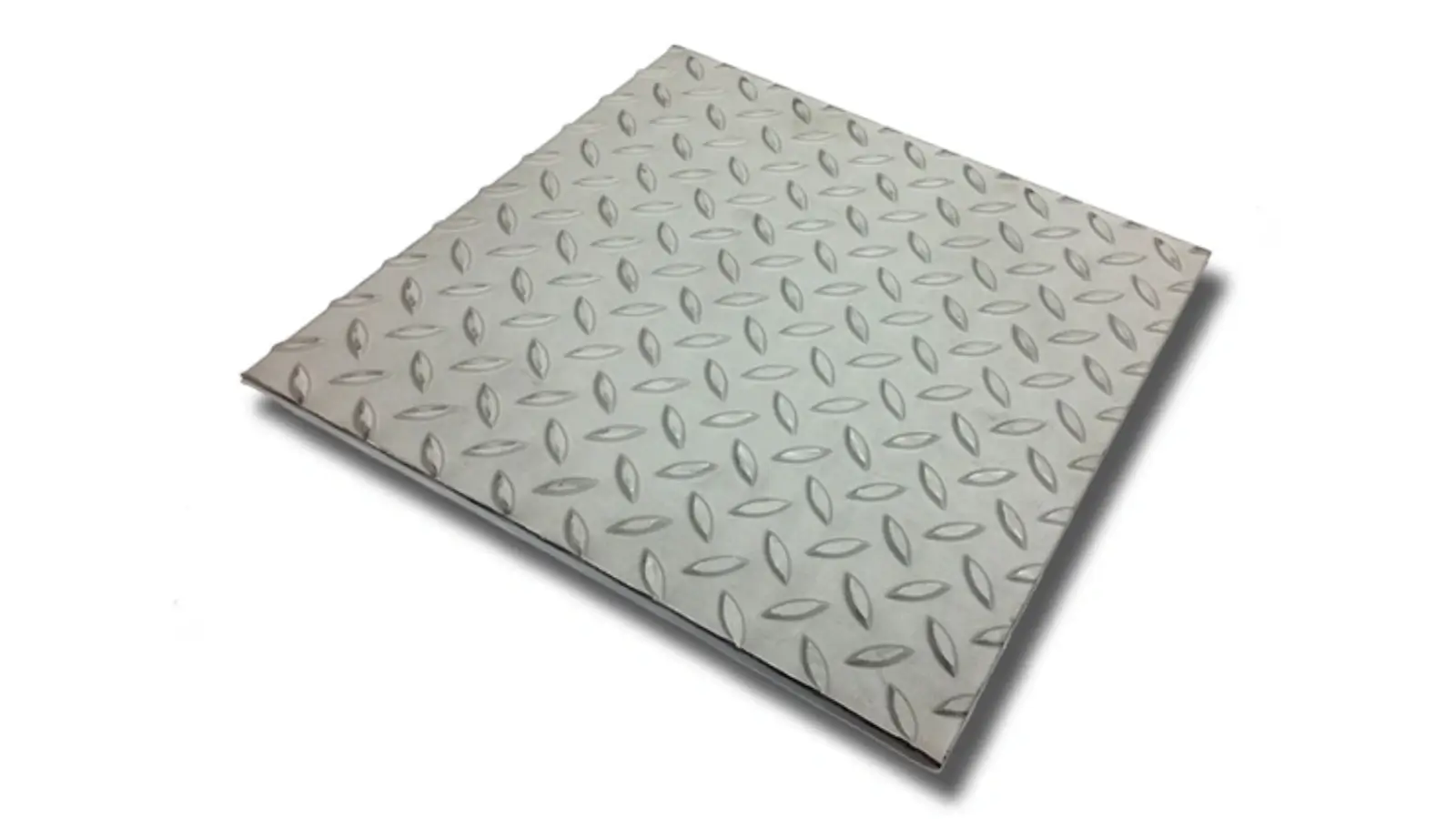
Diamond plate, also known as checker plate or tread plate, is a metal sheet with a raised diamond pattern on one side. The texture improves traction, making it a popular choice for flooring, stairs, and industrial surfaces.
Diamond plate can be made from aluminum, steel, or stainless steel. If you're looking for both durability and corrosion resistance, stainless steel diamond plate is the best option.
Why Buyers Choose Diamond Plate:
- Slip Resistance: Provides safety on floors, ramps, and walkways.
- Impact Resistance: Withstands wear and heavy use.
- Low Maintenance: Easy to clean and long-lasting.
- Versatile Use: Great for trucks, trailers, garages, and commercial areas.
When to Choose Stainless Steel, Diamond Plate, or Both
Choosing between stainless steel and diamond plate depends on your project needs.
Choose Stainless Steel If:
- You need a clean, polished look (e.g., kitchen walls, elevators).
- Your project is in a wet, chemical, or outdoor environment.
- You need a corrosion-resistant material for food or medical use.
Choose Diamond Plate If:
- Safety is a concern (e.g., non-slip surfaces).
- You need a rugged material for flooring, toolboxes, or steps.
- You want a material that handles impact and foot traffic.
Choose Stainless Steel Diamond Plate If:
- You need both slip resistance and corrosion resistance.
- You’re working in a marine, food-grade, or industrial environment.
- Durability and hygiene are both top priorities.
Buying Tips: What to Look For
When shopping for stainless steel or diamond plate, consider the following:
1. Material Grade
Make sure you’re buying the correct grade for your application. For example, 316 is better for saltwater environments, while 304 is fine for indoor or light outdoor use.
2. Thickness
Check the gauge or thickness of the material. Thicker metal means more strength but also more weight and cost. For flooring or heavy-duty use, a thicker plate is recommended.
3. Finish
Stainless steel comes in various finishes like brushed, mirror, or matte. Choose a finish based on both appearance and function (e.g., brushed is less reflective and shows fewer fingerprints).
Diamond plate also comes in polished or dull finishes depending on the application.
4. Sheet Size
Measure your project area and choose sheet sizes that minimize cutting and waste. Standard sizes are often 4’x8’ or 5’x10’, but custom sizes may be available.
5. Formability and Weldability
If you need to bend, cut, or weld the metal, make sure the type and grade you choose supports fabrication.
6. Price vs. Value
Higher grades like 316 stainless steel cost more, but they last longer and perform better in harsh environments. Consider long-term value, not just upfront price.
Common Uses for Buyers
Here are some popular uses for stainless steel and diamond plate:
Stainless Steel:
- Kitchen backsplashes and counters
- Commercial and industrial sinks
- Railings and wall panels
- Medical equipment
- Food processing machinery
Diamond Plate:
- Garage and workshop floors
- Trailer and truck beds
- Stair treads and ramps
- Toolboxes
- Loading docks
Maintenance After Purchase
Both materials are low maintenance, but here’s how to keep them in top shape:
- Clean regularly with water and mild soap.
- Avoid harsh chemicals that can damage the finish.
- Polish occasionally to maintain shine, especially on stainless steel surfaces.
- Inspect for scratches or dents, especially in high-traffic areas.
Conclusion
Stainless steel and diamond plate are durable, reliable, and versatile materials suitable for a wide range of projects. Whether you’re upgrading your workshop, building a commercial kitchen, or reinforcing industrial flooring, choosing the right type and grade of material is essential.
Before buying, consider where and how the material will be used, what level of corrosion resistance is needed, and what kind of look and texture you prefer. With the right choice, you’ll invest in materials that perform well for years to come.
Business Outstanders brings you sharp insights on tech, business, entrepreneurship, law, crypto, and more. We uncover what’s next. Stay updated, sign up for our newsletter and be part of the future!