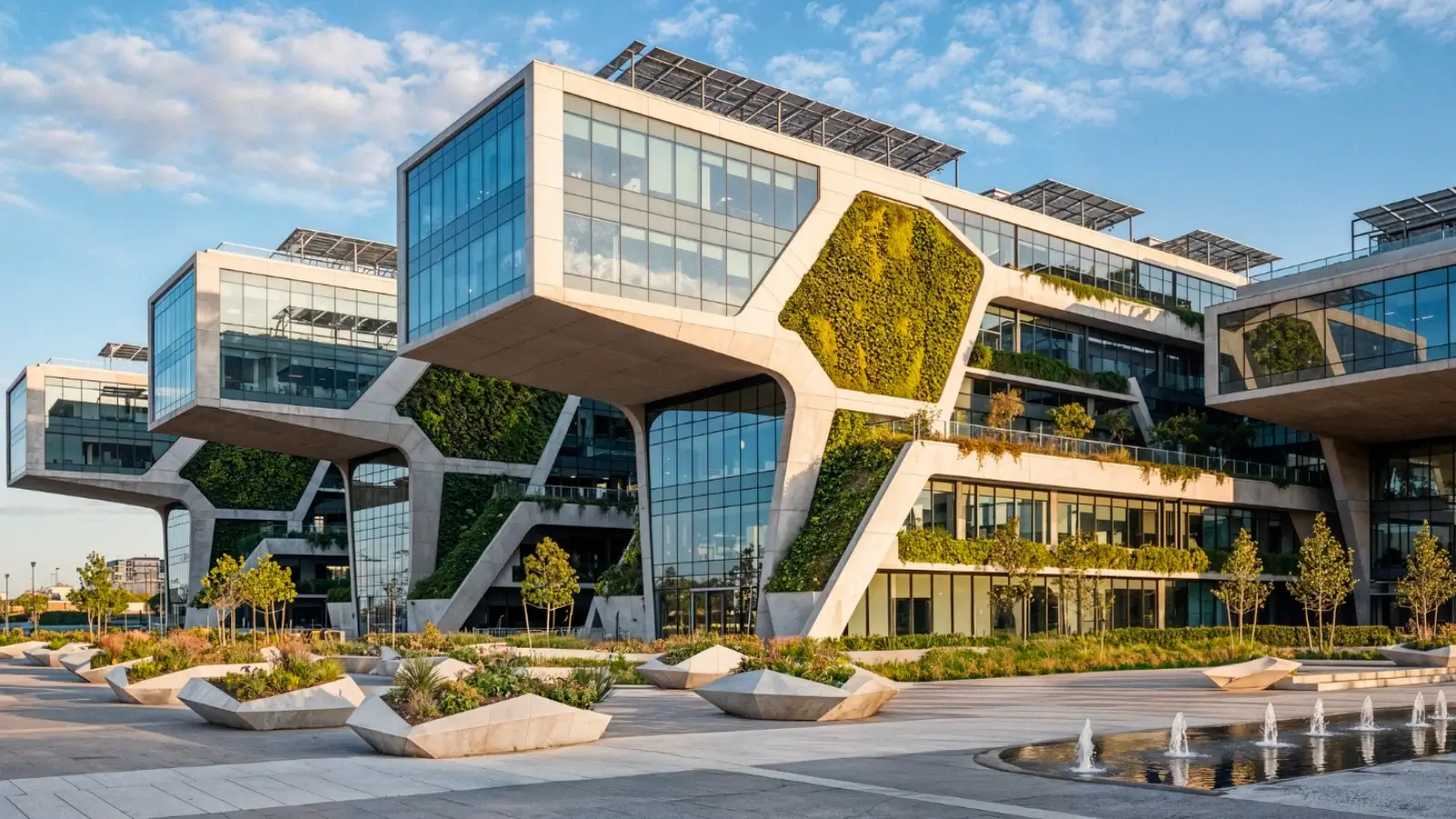
If you look at how modern businesses make decisions today, one thing stands out: people respond to visuals faster than text, data sheets, or lengthy presentations. In fact, research shows that the human brain processes images up to 60,000 times faster than written information. That’s a huge shift — and it’s exactly why industries like real estate, construction, design, and development are leaning toward more visual tools.
One of the most powerful of these tools is 3D architectural rendering. It lets teams preview an entire project, spot potential problems early, and get stakeholder approval in record time. And as companies deal with tighter budgets and higher expectations, visual decision-making is quickly becoming the future.
That being said, let’s deep dive into the article to understand it better.
1. Visuals Reduce Guesswork and Improve Decision Accuracy
When a project is still on paper, even the smartest minds struggle to imagine how everything will look when complete. Traditional 2D drawings often create confusion between teams, delay approvals, and cause expensive changes during construction. This is where 3D rendering changes the game.
With photorealistic models, companies can expect the following:
- See exactly how a building, interior, or exterior will appear.
- Evaluate material choices, lighting, colors, and textures.
- Understand spacing, layout, and overall flow.
- Detect mismatches or design conflicts early.
For developers and businesses, this means fewer mistakes and fewer surprises. The entire decision-making process becomes visual, intuitive, and immediate — saving both time and money.
2. Reducing Costs Through Early Visualization and Flexible Changes
One overlooked benefit of visual decision-making is cost control. Businesses spend millions each year on changes requested during or after construction — changes that could have been avoided. However, 3D architectural renderings allow teams to experiment freely before spending on materials or construction labor. They can:
- Test different layouts.
- Try various finishes and textures.
- Change lighting styles.
- Adjust structural or design elements.
- Improve landscaping or exterior plans.
That, too, all without spending an extra dollar on physical work. This flexibility gives businesses more freedom to improve and refine their projects while staying within budget.
It’s one of the biggest reasons why more companies now rely on 3D Architectural Rendering Professionals like EnDesign, who deliver accurate, photorealistic previews that help teams make smarter, cost-saving decisions early on. To be precise, their team transforms sketches, CAD files, and architectural layouts into highly realistic interior and exterior renderings.
This helps businesses preview every detail of a project — from lighting and landscaping to textures, finishes, furniture arrangements, and material choices — before construction begins.
3. Faster Approvals from Stakeholders, Buyers, and Investors
Whether you’re a real estate developer, architect, designer, or business owner, one of the biggest challenges is getting the green light from stakeholders. Many of them don’t understand technical drawings, and that leads to hesitation. 3D renderings solve this problem instantly.
These lifelike visuals make it easier for:
- Investors to picture the final product.
- Homebuyers feel confident about a space before construction.
- Designers and architects communicate their ideas without confusion.
- Municipal bodies or boards to review design details clearly.
By replacing explanations with visual proof, approvals become smoother and faster. As a result, this makes it far easier for businesses to gain trust, build credibility, and move forward quickly.
4. A Powerful Marketing Tool Before Construction Even Starts
One of the biggest business advantages of 3D rendering is its impact on marketing. Companies no longer have to wait for a project to be completed to begin promoting it. With high-quality renderings, they can showcase a future building long before the first brick is laid.
This helps businesses:
- Launch pre-sales campaigns.
- Showcase upcoming real estate projects.
- Create brochures, digital ads, and social media content.
- Boost investor confidence.
- Sell or lease spaces in advance.
Such renderings, for example, are detailed enough to be used on websites, property listings, investment decks, and promotional campaigns. A building that exists only in drawings can instantly look "real" — and that realism drives both interest and conversions.
Conclusion to Draw!
Businesses today need clarity, speed, and precision — and 3D architectural rendering offers all three. It turns abstract plans into realistic visuals, helps stakeholders understand ideas instantly, reduces costly errors, and accelerates the approval process. For developers, builders, architects, marketers, and clients, visual decision-making isn’t just a trend — it’s becoming the new standard.
With experts supporting businesses through high-quality 3D renderings, companies can plan better, communicate better, and build better. As expectations continue to rise, one thing is clear: the future belongs to businesses that choose to see their projects before they build them.
Business Outstanders brings you sharp insights on tech, business, entrepreneurship, law, crypto, and more. We uncover what’s next. Stay updated, sign up for our newsletter and be part of the future!