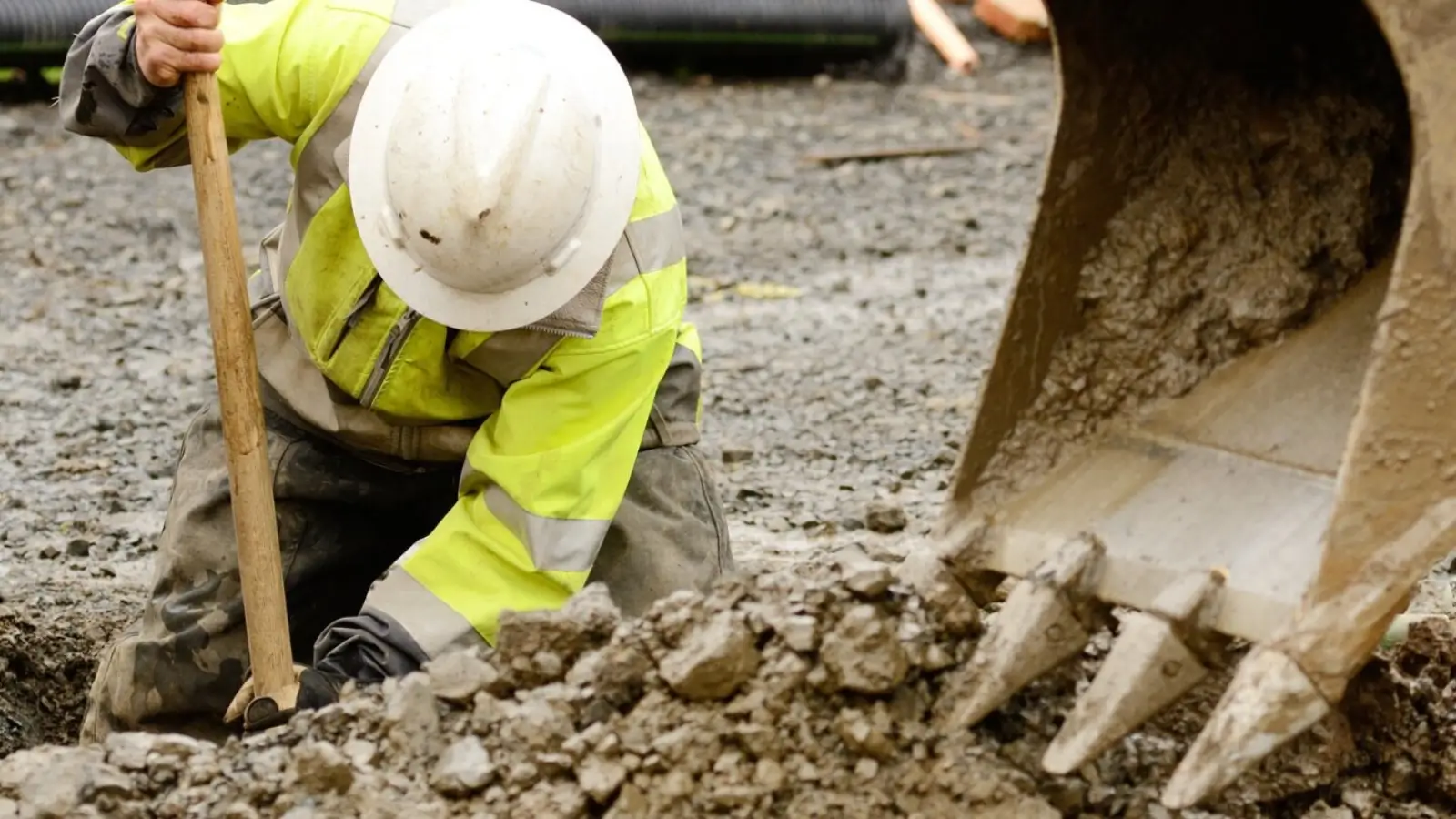
In the utility contracting world, every shovel in the ground comes with potential consequences. What starts as a routine dig can quickly spiral into a legal and financial nightmare. One misplaced trench, one unmarked cable, one misread blueprint—and suddenly, the contractor isn’t just facing delays or repairs. They’re facing claims. Claims for property damage. Claims for service interruption. Claims for personal injury. Claims that can grow exponentially before any resolution is in sight.
While most contractors are diligent about permits, processes, and professional standards, the reality is that even the most experienced crews can be blindsided by unforeseen events. And in today’s high-stakes infrastructure environment, with increasing regulatory oversight and aging utilities beneath our feet, the risk of litigation is no longer rare—it’s routine.
So how do utility contractors protect themselves? The answer lies in more than just good work. It lies in comprehensive preparation, meticulous risk management, and most crucially—utility insurance.
Let’s break down how unexpected claims arise, what makes them so costly, and how utility contractors can shield themselves at every stage of the project lifecycle.
The Anatomy of an Unexpected Claim
Utility work is inherently unpredictable. Even when contractors do everything right, unforeseen variables can lead to problems. A water line might rupture during a dig, despite proper location checks. A trench might collapse due to soil instability. Equipment might fail during a high-pressure operation. And when these incidents occur, they often generate a cascade of liabilities.
Common sources of unexpected claims include:
-
Third-party property damage (e.g., nearby structures, landscaping, adjacent utilities)
-
Bodily injury to passersby, subcontractors, or clients
-
Service disruption to municipalities or private networks
-
Environmental contamination (e.g., fuel spills, chemical leaks, or sewer overflows)
-
Delays resulting in breach of contract allegations
These claims don’t just impact the job at hand—they can drain resources, damage reputations, and even jeopardize future contract eligibility.
Why Standard Insurance Isn’t Enough
Many contractors operate under the false assumption that general liability or basic business insurance will cover them in all situations. But utility work isn’t standard—it’s high-risk and high-liability, requiring specialized protection.
General policies often exclude or limit coverage for:
-
Underground utility strikes
-
Environmental hazards
-
Completed operations and latent defects
-
Subcontractor negligence
-
Faulty workmanship exclusions
This is where utility insurance steps in. Specifically designed for the unique exposures of underground and infrastructure projects, it bridges the gaps traditional policies leave open.
Shielding Yourself Before, During, and After the Project
To truly protect against unexpected claims, contractors must take a three-phase approach—anticipating risks before they happen, minimizing exposure during operations, and defending against fallout after project completion.
1. Before the First Dig: Risk Identification and Coverage Selection
Preparation begins well before the first trench is dug.
Best Practices:
-
Conduct pre-construction risk assessments to identify environmental, technical, and third-party exposures.
-
Ensure up-to-date site surveys, utility location markings, and soil analyses are completed.
-
Review all contracts for indemnity clauses, liability allocations, and insurance requirements.
-
Secure utility insurance that is tailored to the scale and scope of the project.
A robust utility insurance policy should include:
-
General liability tailored for utility exposures
-
Coverage for underground utility strikes
-
Contractors pollution liability (CPL)
-
Errors and omissions (E&O) protection
-
Workers' compensation and employer’s liability
-
Tools and equipment coverage
This frontloaded protection ensures that when surprises arise, your response is backed by financial security and legal support.
2. During Operations: Control the Controllables
Even with the best planning, real-time decisions and site conditions introduce dynamic risk. While insurance provides a safety net, proactive practices help minimize the need to ever use it.
Risk Mitigation Tactics:
-
Maintain detailed site logs and daily reports to document operations and deviations.
-
Train crews regularly on safety protocols, environmental handling, and emergency procedures.
-
Use spotters, advanced detection tools (like ground-penetrating radar), and real-time monitoring systems.
-
Enforce subcontractor compliance—ensure they meet your insurance standards and operational protocols.
-
Secure worksites from unauthorized access to prevent third-party injury or tampering.
A culture of safety, communication, and accountability is your strongest defense against both accidents and disputes. When something does go wrong, your documentation will be critical in proving due diligence and mitigating blame.
3. After Completion: Don’t Let the Claim Clock Catch You Off Guard
Many contractors forget that their exposure doesn’t end when the job does. Claims can emerge weeks, months, or even years after project handover, especially in cases involving slow-developing damage or system failures.
Protective Measures:
-
Maintain post-project records, including photos, approvals, inspection reports, and as-builts.
-
Keep your utility insurance active to cover “tail risks” from completed operations.
-
Respond promptly to any reported concerns—even minor ones—to demonstrate good faith and potentially catch larger issues early.
Post-completion liability is a growing trend in infrastructure litigation. Staying protected beyond the immediate build timeline is not optional—it’s essential.
The Strategic Value of Utility Insurance
Utility contractors operate in one of the most volatile sectors of construction—digging into the unknown, often under time constraints and public scrutiny. Claims are not just possible; they are likely. And their costs, both tangible and reputational, can escalate quickly.
Utility insurance does more than just pay for damages. It provides:
-
Legal defense against claims and regulatory actions
-
Coverage for environmental cleanup and restoration
-
Reimbursement for delays, equipment loss, or subcontractor mistakes
-
Confidence to take on larger and more complex projects
-
Peace of mind that your business can withstand setbacks without collapsing
In short, it transforms risk from a looming threat into a manageable variable—allowing you to focus on what you do best: building and maintaining the infrastructure that communities rely on.
Conclusion: Stay Ahead of the Claims Curve
In utility contracting, the difference between a minor hiccup and a major disaster often comes down to preparation and protection. From the first blueprint to the final backfill, risk is ever-present. But it doesn’t have to be crippling.
By investing in the right protocols, maintaining high operational standards, and securing tailored utility insurance, contractors can turn the unpredictability of underground work into a competitive advantage.
You may not be able to control what lies beneath—but you can control how well you're protected when it surfaces.
Business Outstanders brings you sharp insights on tech, business, entrepreneurship, law, crypto, and more. We uncover what’s next. Stay updated, sign up for our newsletter and be part of the future!