In the construction and contracting world, every project carries a unique set of challenges. From unexpected weather delays to equipment malfunctions, contractors know that no two days are the same. Yet one of the biggest risks often overlooked isn’t tied to tools or materials—it’s the absence of proper protection. Without Contractors Insurance, professionals expose themselves and their businesses to financial and legal consequences that could jeopardize their long-term success.
Financial Liability from Accidents
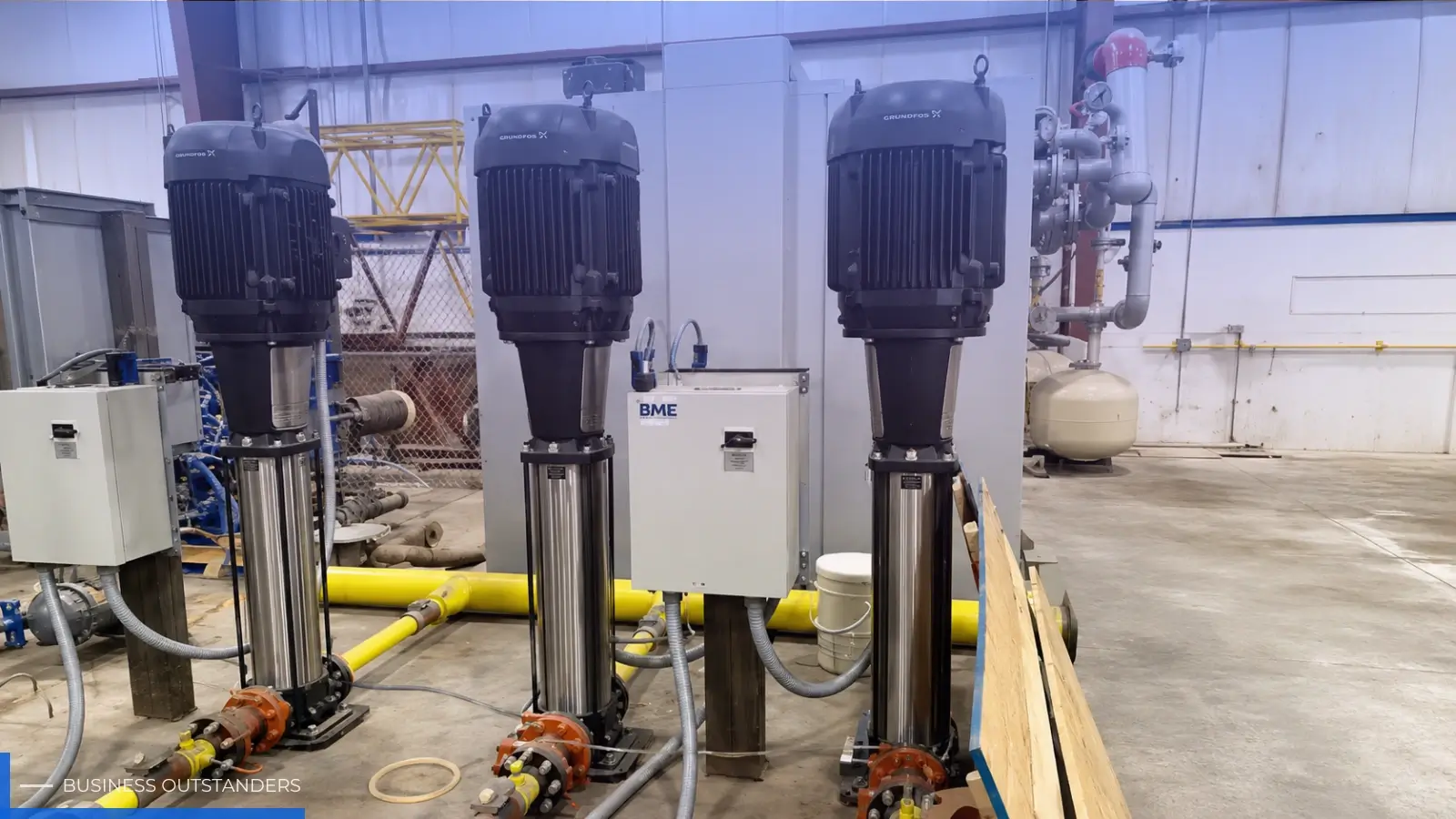
One of the most immediate dangers for uninsured contractors is the possibility of accidents on the job site. Construction areas are high-risk environments where heavy machinery, electrical tools, and multiple trades converge. If a worker or even a passerby is injured, the contractor could be held personally liable. Medical bills, rehabilitation costs, and potential legal settlements can quickly escalate into thousands—or even millions—of dollars.
With Contractors Insurance, these expenses are managed by coverage designed to handle liability claims. Without it, contractors may have to pay directly out of pocket, putting both personal and business finances at stake.
Property Damage Costs
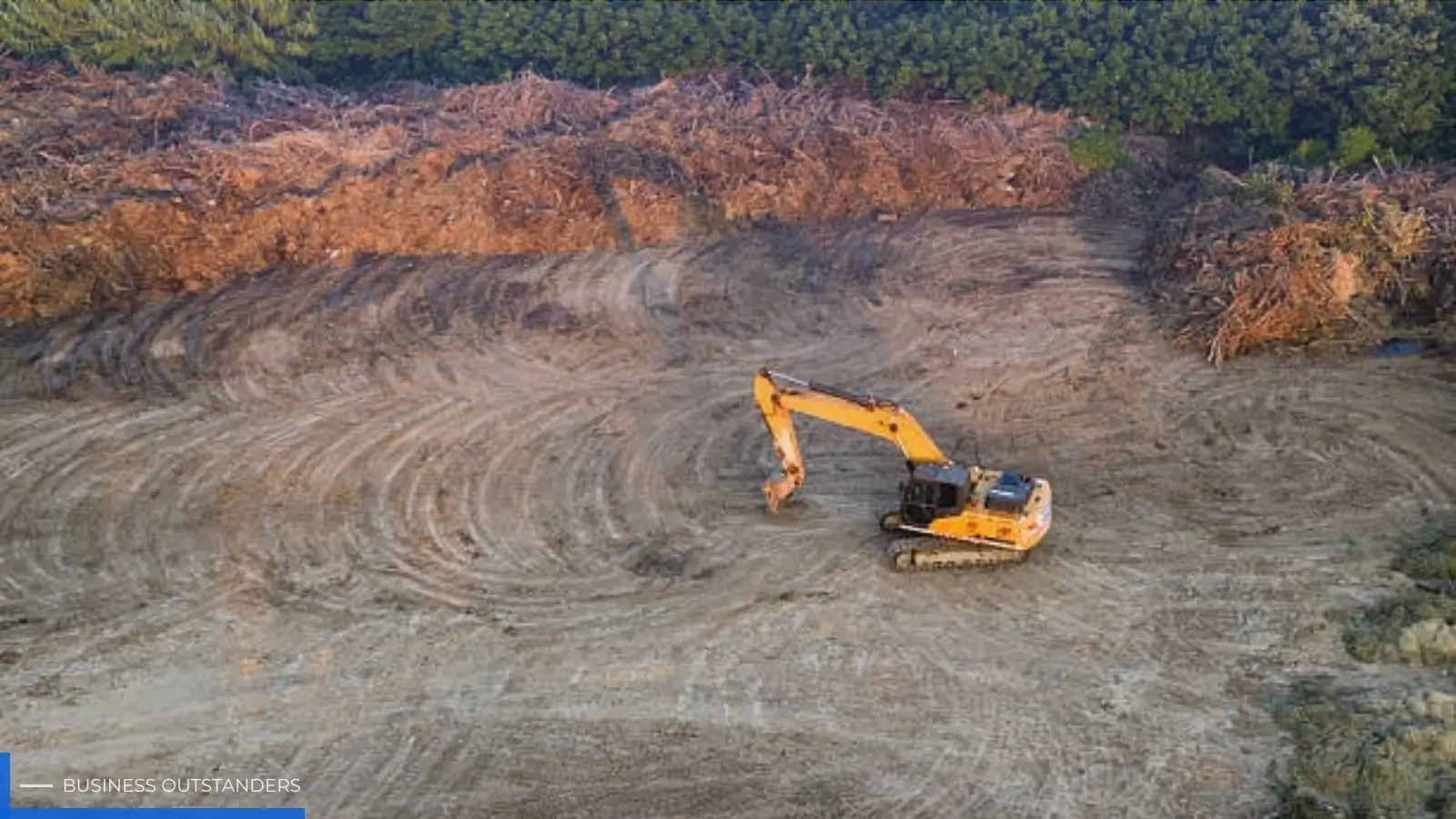
Another major risk involves accidental property damage. Contractors often work in or around clients’ homes, commercial spaces, or public infrastructure. A single mistake—such as breaking a water pipe, damaging electrical wiring, or dropping heavy materials—can result in costly repairs.
Without proper insurance, contractors bear the full cost of these damages. Not only does this hurt profits, but it can also erode client trust and damage professional reputation. Contractors' Insurance typically provides coverage for property damage, ensuring mistakes don’t turn into financial disasters.
Contract and Legal Requirements
In many cases, contractors are required by law or client contracts to carry specific types of insurance. Skipping coverage may seem like a way to save money initially, but it can disqualify contractors from bidding on projects, limit work opportunities, and even result in fines or penalties.
Clients, especially in commercial or government sectors, often demand proof of insurance before awarding contracts. Without it, contractors may find themselves losing valuable jobs to competitors who meet the legal and professional requirements.
Equipment Loss and Theft
Tools and equipment are the lifeblood of any contractor’s business. Unfortunately, theft and damage are common risks in the industry. Replacing stolen or broken equipment without insurance can severely impact cash flow, delay projects, and reduce efficiency.
With Contractors Insurance, equipment coverage can be included, protecting against these losses and ensuring that work continues without significant disruption. Without this protection, contractors may struggle to replace essential tools, losing both time and revenue.
Reputation and Professionalism
Beyond financial losses, lacking insurance can harm a contractor’s professional image. Clients often view insured contractors as more reliable and trustworthy because they are prepared for unexpected situations. On the other hand, uninsured contractors may appear careless or unprofessional, discouraging potential clients from doing business with them.
In today’s competitive market, reputation is as important as skill. Carrying Contractors Insurance demonstrates responsibility, professionalism, and a commitment to protecting both the business and the client.
The Cost of Being Uninsured
The most hidden risk of all is the long-term cost of operating without coverage. Even though insurance payments may seem like an extra cost, they are nothing compared to the money that could be lost because of lawsuits, property damage, or medical claims. For contractors, the question isn’t whether they can afford insurance—it’s whether they can afford not to have it.
Final Thoughts
The contracting industry thrives on trust, expertise, and the ability to deliver results safely and efficiently. However, even the most skilled professional cannot predict every accident or mishap. Without Contractors Insurance, the risks are simply too high. From financial liabilities and property damage to lost opportunities and reputational harm, operating uninsured can threaten the very survival of a business.
For contractors looking to secure long-term success, proper insurance coverage is not an optional expense—it’s an essential safeguard against the hidden risks of the job.
Business Outstanders brings you sharp insights on tech, business, entrepreneurship, law, crypto, and more. We uncover what’s next. Stay updated, sign up for our newsletter and be part of the future!