When a roof reaches the end of its lifespan or suffers damage from storms, replacing it becomes less of a choice and more of a necessity. Yet for many homeowners, the idea of a full roof replacement brings uncertainty. It’s not just a construction project—it’s a critical improvement to the safety and integrity of the home. A roof protects from weather, insulates the interior, and supports the overall structure of the house. So, choosing a roofing company means trusting someone with more than your budget—it means trusting them with your home’s future. Understanding what to expect during the process helps take some of the anxiety out of such a significant investment. From the initial inspection to the cleanup after installation, every step matters. We will explore how working with a reliable contractor can turn what feels like an overwhelming job into a well-managed project that improves both property value and peace of mind.
Replacing More Than Just Shingles
-
Initial Assessment and Setting Expectations
A successful roof replacement starts with a thorough inspection of your current system. Before giving you a quote, reputable companies will check not only visible wear, such as cracked or missing shingles, but also underlying issues like wood rot, poor ventilation, or soft spots on the decking. This early-stage assessment helps them identify the scope of the work and determine whether any additional materials or structural repairs are needed. Clear communication is essential during this stage so that the homeowner knows what to expect in terms of cost, timing, and disruption. A reliable roof replacement company in Alpharetta will also take time to explain your roofing material options, answer questions about warranties, and help you align your budget with long-term durability goals. By laying out a clear plan upfront, they remove guesswork and make it easier to visualize how the finished result will serve your home over the coming decades.
-
Choosing Materials That Match Climate and Style
One of the most important aspects of a roof replacement is selecting materials that are compatible with both your local climate and your home's architectural style. While asphalt shingles are standard due to their affordability and performance, other options, such as metal panels, composite shingles, or even tile roofing, may offer enhanced longevity or design appeal. Each material behaves differently in terms of heat reflection, water runoff, and weight distribution, so your contractor’s insight is valuable in this case. Additionally, the color and texture you select can affect your home's curb appeal and even its energy efficiency. A darker roof may absorb more heat, which is helpful in colder climates but less ideal for sun-soaked southern homes. With a wide range of materials now available, homeowners can prioritize what matters most—durability, style, or low maintenance. The material selection is not just cosmetic; it has real consequences on energy bills and long-term repair needs.
-
On-Site Coordination and Homeowner Disruption
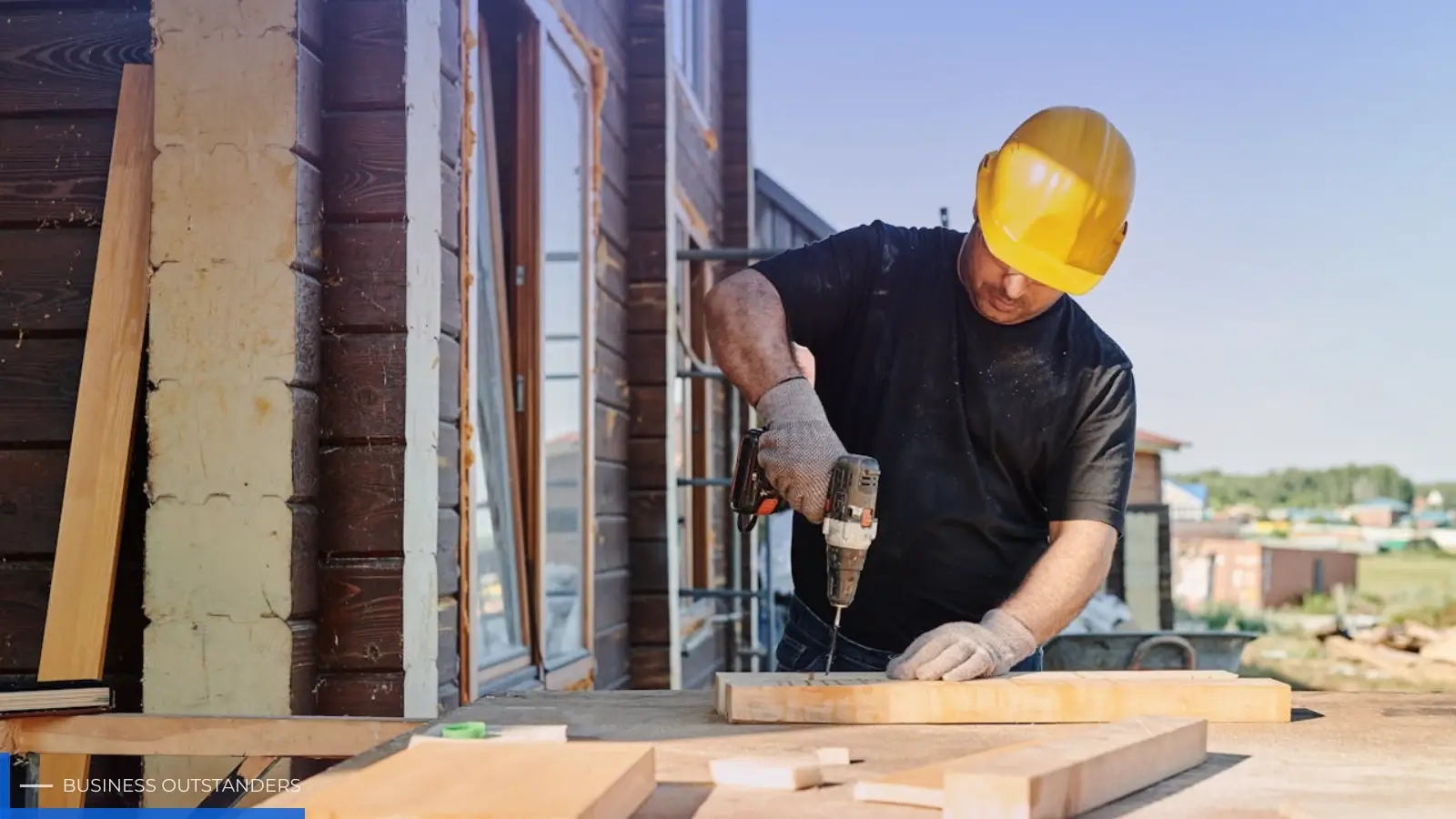
Roof replacements are big projects, and that means some disruption to your daily life is inevitable. A good roofing company will take steps to minimize that impact. On installation day, workers arrive early, and materials such as shingles, underlayment, and flashing are staged nearby for easy access. The old roof is removed section by section to limit exposure to the elements, and safety measures are enforced to protect both the property and the people on-site. There may be loud noises from machinery and nail guns, and parts of your driveway or lawn may be inaccessible temporarily. Homeowners are usually advised to move vehicles, secure outdoor furniture, and keep pets indoors during this phase. Despite the activity, a well-organized crew can replace most residential roofs in just a few days. When timelines are communicated clearly and work areas are respected and cleaned up each day, the experience becomes more manageable and far less stressful.
-
Post-Installation: Final Checks and Warranty Coverage
After installation is complete, the final phase of a roofing replacement is the inspection and handoff. At this point, the contractor will walk through the finished project, verifying that the flashing is sealed, vents are correctly installed, and that no materials are missing or misaligned. Homeowners should expect a final cleanup of debris, including any hidden nails that may have fallen into the grass or driveway. This is also when warranties are explained and handed over, typically covering both manufacturer defects and the workmanship itself. It's wise to ask for written details about what’s included, what voids the warranty, and how long the coverage lasts. Some companies offer follow-up visits after several months to check that the roof is settling well and that no early wear or shifting has occurred. This final stage reassures the homeowner that the investment they made is protected and that they now have a roofing system designed to stand up to the challenges of the seasons ahead.
A roof replacement can feel like a daunting endeavor, but with the proper planning and a dependable company, it becomes a transformative investment. From improved insulation and protection to updated curb appeal and resale value, a new roof offers far-reaching benefits. What matters most isn’t just how the roof looks, but how well it performs—keeping moisture out, regulating interior temperatures, and withstanding heavy winds or sun exposure. When homeowners partner with experienced professionals, they don’t just replace what was damaged—they upgrade the functionality and future of their home. Companies that focus on transparent communication, thorough assessments, and well-executed installations make the process far smoother. For residents seeking a durable and stylish solution, starting with a trusted roof replacement company ensures the journey from old to new is handled with care and purpose. With attention to detail and a commitment to quality, the roof becomes more than protection—it becomes peace of mind overhead.
Business Outstanders brings you sharp insights on tech, business, entrepreneurship, law, crypto, and more. We uncover what’s next. Stay updated, sign up for our newsletter and be part of the future!