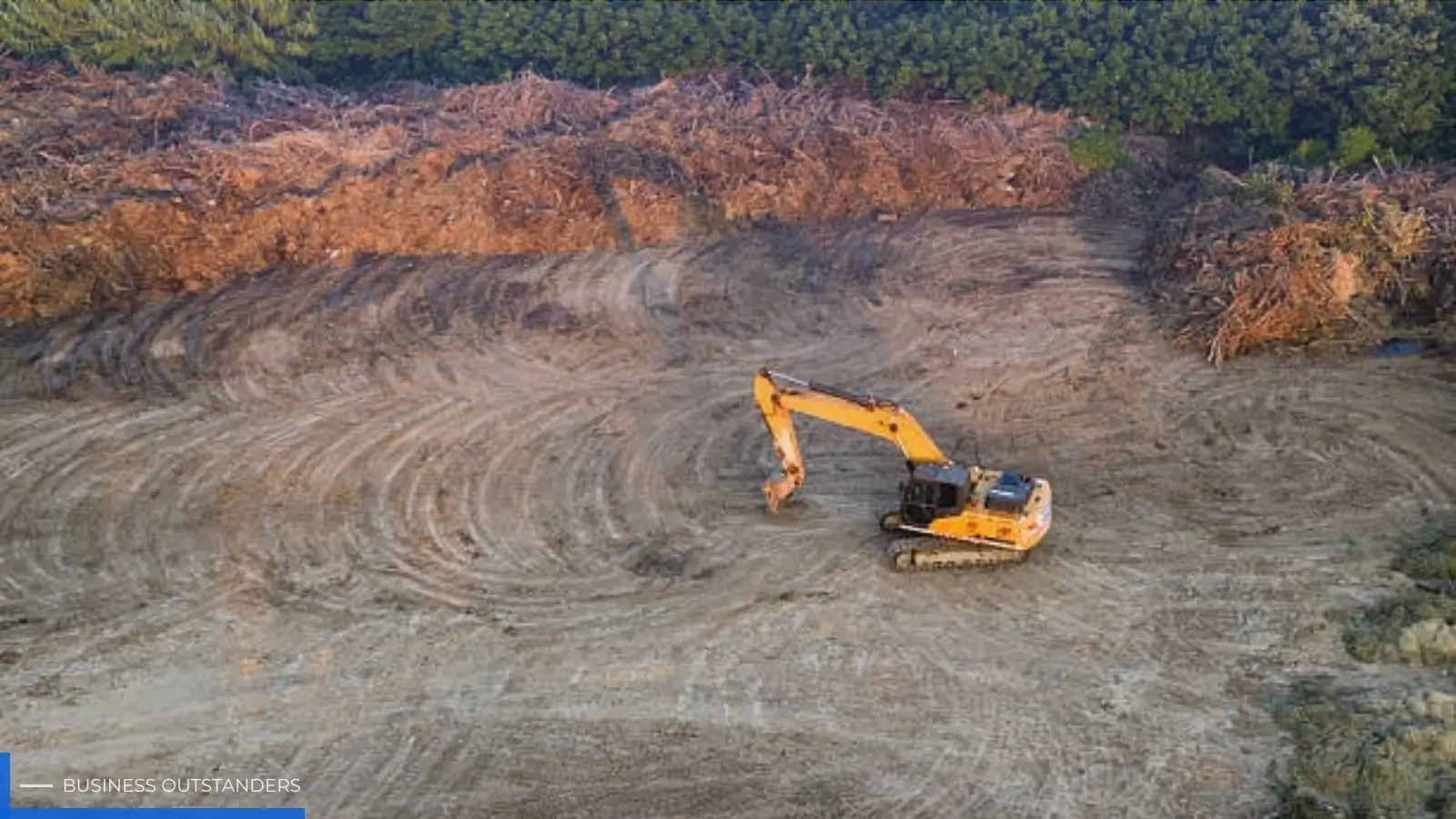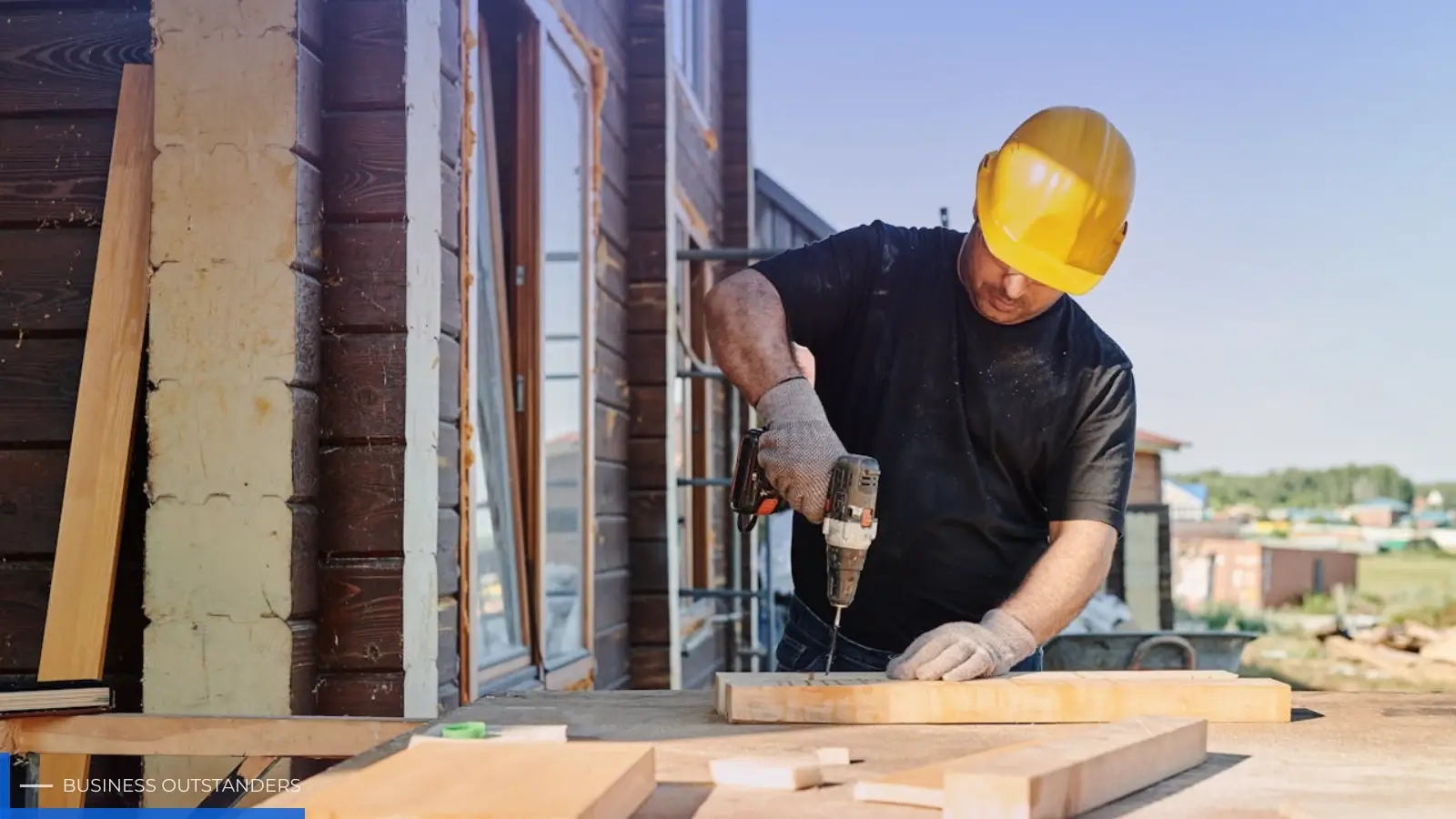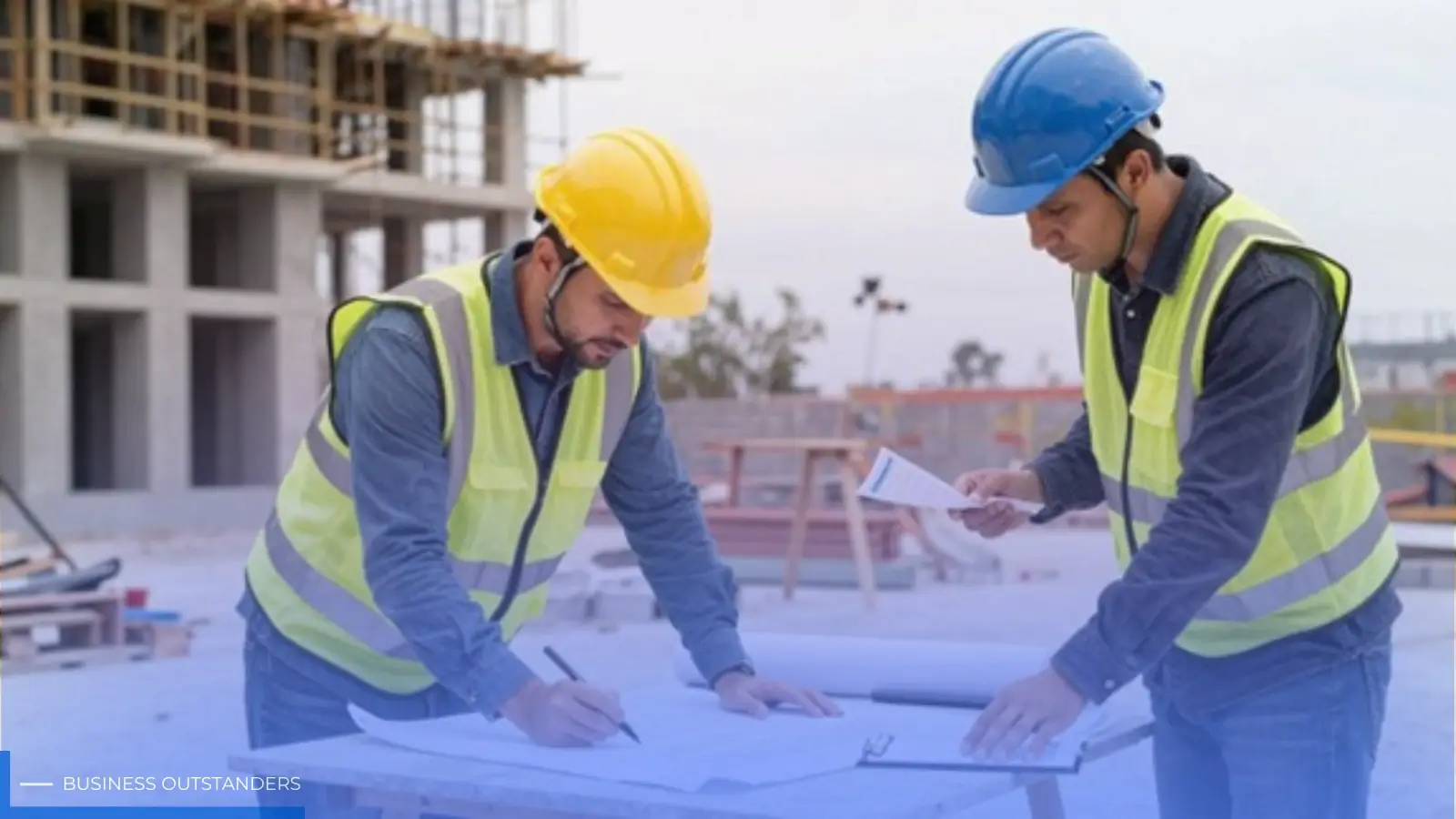
Before any work starts, a solid look at project readiness is key. This is where pre-construction questionnaires come into play. They go beyond general company compliance to check if a contractor is truly set for a specific job. Think of it as a final check-up before the big game. It helps spot potential issues before they become real problems on site.
These questionnaires are designed to gather detailed, project-specific information. They look at who will be on the ground, what training they have for this particular task, and how they plan to handle site-specific risks. It’s about moving from a general ‘can do’ to a specific ‘are ready to do this job, right now’.
Assessing Project-Specific Risk Controls
Checking for project-specific risk controls is a major part of the pre-construction questionnaire. It’s not enough for a contractor to have general safety policies; they need to show how those policies apply to the actual work planned. This means looking at site constraints, environmental factors, and any hazards unique to the project's scope.
The goal is to confirm that the contractor has thought through the real dangers of the job. This includes reviewing method statements and risk assessments to make sure they are tailored to the site. A generic risk assessment just won't cut it when you need to manage actual site risks effectively.
A questionnaire helps confirm that safety plans are not just documents, but practical guides for the specific project at hand.
Verifying Operative Awareness and Competency
This section focuses on the people who will be doing the work. A pre-construction questionnaire digs into whether operatives are not just generally trained, but specifically trained and aware of the demands of this project. It asks about safety awareness, site-specific training, and even things like mental health support provided to workers.
It’s about confirming that supervisors have the right qualifications and that training records are available and relevant. This shifts the focus from just having policies to actually having competent people ready to perform tasks safely. It’s a direct way to check operative awareness.
Evaluating Materials and Handling Procedures
When looking at materials and how they'll be handled, the questionnaire gets into operational risk areas. This can include checking competency for lifting operations, manual handling techniques, working at height protocols, and awareness of hazardous substances like asbestos. It also covers things like scaffold competence and procedures for hot works.
These are areas where incidents often happen if not properly assessed beforehand. A good pre-construction questionnaire will ask for details on how these specific risks will be managed. It’s a practical check on how materials and tasks will be handled safely on site.
Job Hazard Analysis For Task Safety
Identifying Potential Hazards in Job Steps
Before any work begins, it's smart to sit down and think about what could go wrong. This is the core of a Job Hazard Analysis (JHA). You break down each task into small steps. For every step, you ask yourself: 'What could hurt someone here?' This isn't about guessing; it's about looking closely at the tools, the environment, and how the job is done. Think about things like tripping hazards, falling objects, or even just awkward body positions that could cause strain. A good JHA identifies potential hazards in job steps before they become real problems.
Developing Safe Processes for Tasks
Once you know what the dangers are, you figure out how to get around them. This means creating clear, safe ways to do each step. Maybe it means using a specific tool, wearing certain protective gear, or changing the order of operations. Ensuring workers have access to quality workplace safety gear is an important part of this process. The goal is to build safety right into the job. This proactive approach means developing safe processes for tasks that everyone can follow. It’s about making sure the right way is also the safe way. To keep those safe processes consistent and properly documented across contractors and projects, check out Job Qualified.
Detecting Unsafe Conditions During Regular Tasks
Safety isn't a one-time check; it's ongoing. Even with a solid JHA, things can change. That's why it's important to keep an eye out for unsafe conditions during regular tasks. This means workers should be trained to spot anything that looks off and report it. It could be a tool that's acting strange, a spill that hasn't been cleaned up, or even just a feeling that something isn't right. Detecting unsafe conditions during regular tasks helps catch issues before they escalate. A Job Hazard Analysis is a living document, meant to be revisited and updated as needed.
Pre-Start Safety Reviews For New or Modified Equipment
Engineering Health and Safety Reviews
Before any new or modified equipment gets the green light, a thorough engineering health and safety review is a must. This isn't just a quick look-over; it's a deep dive into the design and intended operation. The goal is to catch potential problems early, before they can cause trouble down the line. This review process is a key part of the Pre-Start Safety Review (PSSR).
Think of it like this: you wouldn't build a house without checking the blueprints, right? The same applies here. We look at the drawings, the materials, and how it's all supposed to work together. We want to make sure everything meets safety standards and that the equipment is built to last without posing a risk.
This review often involves a team of people – engineers, safety folks, and maybe even the people who will be using the equipment. Getting different perspectives helps spot things that one person might miss. It’s all about being proactive and preventing issues before they even have a chance to show up.
Verifying System Safety Before Commissioning
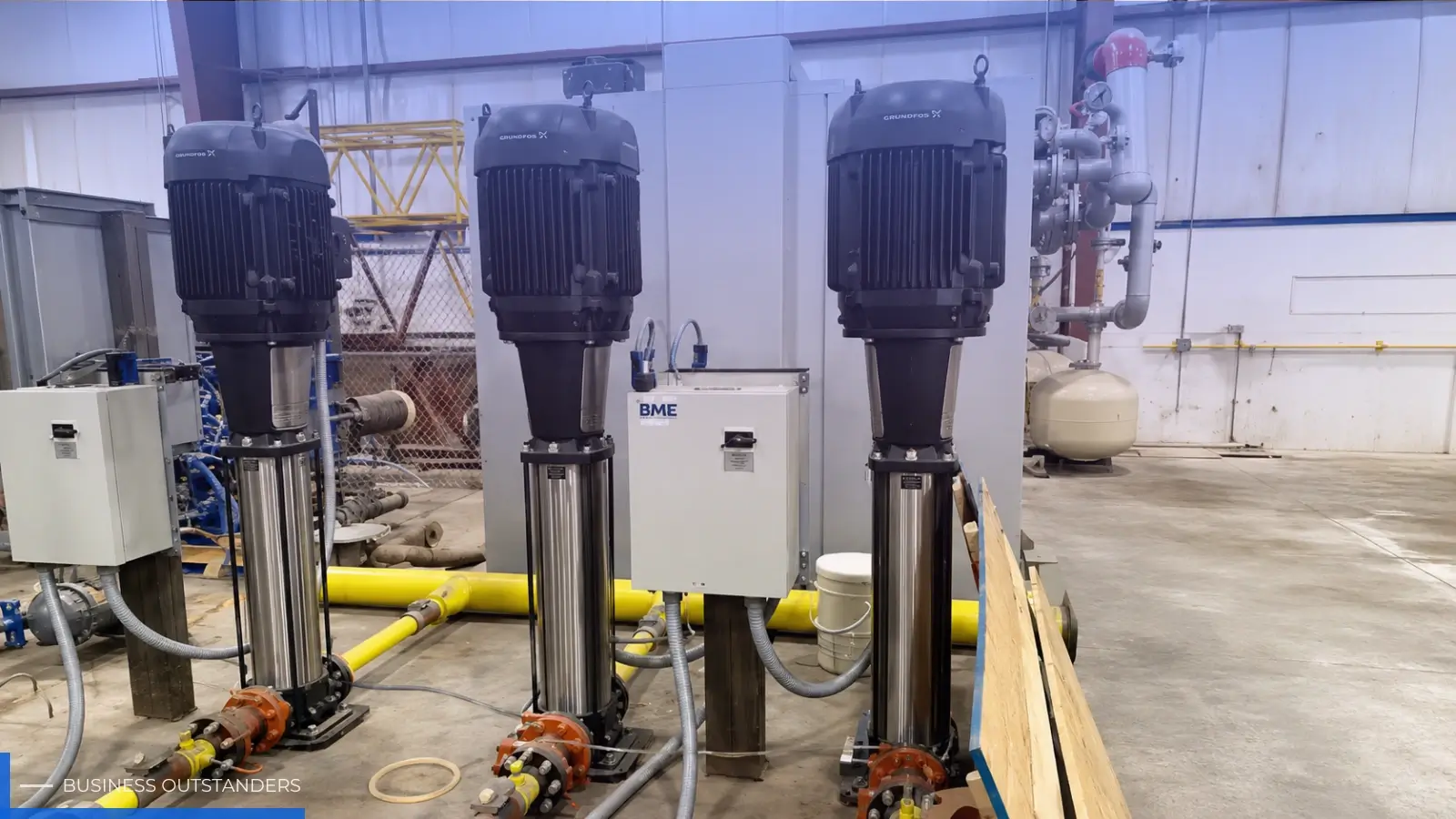
Once the engineering review is done, the next step is to actually check the system before it's put into service. This is where we verify that everything is safe to commission. We're looking at the physical setup, the controls, and all the safety features that have been put in place. A Pre-Start Safety Review (PSSR) checklist is super helpful here.
We need to make sure that all the safety guards are in place, that emergency stops work correctly, and that any warning systems are functioning as they should. It’s also important to check for things like leaks or loose connections that could become hazards. This part of the PSSR is all about hands-on verification.
We want to be absolutely sure that the system is ready for operation and won't present any unexpected dangers to workers or the facility. This step confirms that the equipment is not only functional but also safe to operate from the very first moment.
Ensuring Compliance with Safety Codes
Finally, we have to make sure that everything we've done aligns with all the relevant safety codes and regulations. This is a critical part of the Pre-Start Safety Review (PSSR) process. Different industries and locations have specific rules that must be followed, and we need to prove that we've met them.
This involves checking documentation, reviewing test results, and confirming that the equipment and its installation meet all legal requirements. It’s about having the paperwork in order and being able to show that the equipment is safe according to established standards. This step is non-negotiable.
Compliance isn't just about avoiding fines; it's about creating a genuinely safe working environment for everyone involved. A solid Pre-Start Safety Review (PSSR) process builds confidence that safety standards are met.
Implementing Effective Workplace Inspections
Planned Walk-Throughs to Spot Hazards
Regularly walking through the work area is key. It’s about seeing things as they are, not as you wish they were. Look at everything: the people, the tools, the materials, and how the work gets done. These planned walk-throughs are your first line of defense. They help find problems before they become big issues. Think about areas where people don't work often, like storage spots or break rooms. Hazards can hide anywhere.
During these inspections, pay attention to how things are used and maintained. Are guards in place on machines? Are walkways clear of clutter? It’s easy to miss things if you’re not looking closely. A good inspection takes time; rushing it means missing important details. If a space is too big to check well at once, break it down into smaller zones or rotate which areas get inspected each month.
It’s also important to wear the right protective gear if the area requires it. If you can't get the proper gear, don't go in. List that as a problem to fix. The goal of workplace inspections is to find and fix hazards, not to point fingers. Use the information to make things safer for everyone.
Checking Control Measures Are in Place
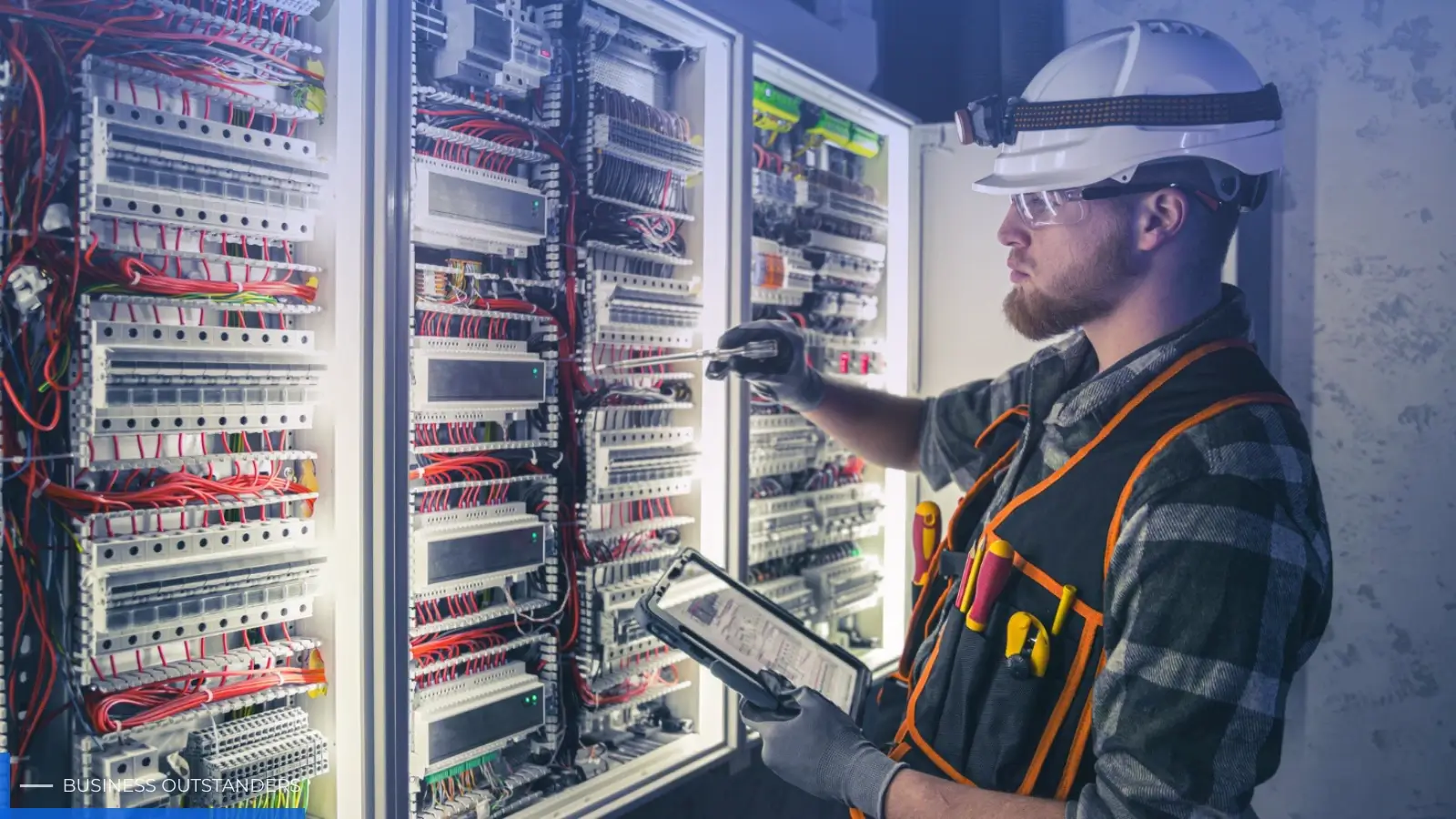
Finding a hazard is only half the battle. The next step is to check if the fixes are actually working. This means looking to see if the controls put in place are effective. For example, if a new procedure was written for handling chemicals, are people following it? Are the safety signs still visible and understood?
It’s not enough to just put a control measure in place and forget about it. You need to verify that it’s doing its job. This might involve observing workers, checking equipment logs, or reviewing safety data sheets. The workplace inspections should include a follow-up on previously identified issues.
Think about it like this: if you fix a leaky pipe, you don't just walk away. You check back later to make sure it's not dripping anymore. The same applies to safety. Regular checks confirm that the safety measures are holding up and that the workplace remains safe.
Consistent Snapshot of Compliance Over Time
Doing inspections once in a while isn't enough. To really know how safe a place is, you need to look at it over and over. This gives you a consistent snapshot of what's happening. It shows if safety is improving, staying the same, or getting worse.
By doing inspections regularly, you build a history. This history helps you see patterns. Maybe a certain type of hazard keeps popping up in one area. Or perhaps a new process is causing unexpected safety issues. These regular checks help catch these trends early.
This consistent approach to workplace inspections helps build good habits. When people know inspections happen regularly, they tend to be more mindful of safety all the time. It’s about making safety a normal part of the workday, not just something you think about when someone is watching.
Leveraging Checklists For Consistent Operations
Checklists are a simple yet powerful tool for making sure work gets done right, every time. They help build good habits and stop small but important tasks from being missed. Even the most basic checklist can make things work better across any job site. When knowledge is readily available, not using it correctly is hard to excuse. Checklists help bridge that gap, turning known best practices into consistent actions.
Building New Habits with Essential Tasks
Think of checklists as training wheels for new routines. They guide workers through necessary steps, turning repetitive actions into ingrained habits. This is especially helpful for tasks where complacency can set in. By following a checklist, workers can perform tasks correctly even when their minds wander. This consistent application of procedures is key to preventing mistakes and injuries. A well-made checklist makes sure that even the smallest, yet vital, steps are not forgotten.
Tailoring Checklists to Site-Specific Needs
Templates are a good starting point, but a checklist must fit the specific job. A generic list won't catch site-specific risks. Take time to build checklists that address the actual tasks and potential hazards present. Only include steps that are truly needed to get the job done safely and effectively. Avoid making a checklist just for the sake of having one; it needs to be practical and relevant to the work being done. This tailored approach makes the checklist a useful guide, not just a formality.
Turning Employee Actions into Habits
Checklists are more than just a list of things to do; they are a way to build a safety culture. When used regularly, they help workers internalize safe practices. This turns individual actions into reliable habits. It’s important to remember that checklists work best when combined with open communication. Discussing the checklist items and their importance helps workers understand why they are doing them. This engagement makes the checklist a more effective tool for consistent, safe operations. The goal is to make safe actions second nature.
Safety Observations For Process Improvement
Safety observations offer a direct look at how work is actually done. They involve watching tasks as they happen to see if safe procedures are being followed. This method helps spot where workers might need more coaching or where a process itself could be made better. It’s a proactive way to catch issues before they become problems.
Watching Tasks to Ensure Safe Procedures
Observing tasks in action provides real-time feedback. It’s not about catching people doing something wrong, but about understanding the workflow. Are the steps being followed as intended? Are there any shortcuts being taken that introduce risk? This direct observation is key to identifying deviations from established safe work practices. For instance, an observer might note if safety guards are consistently bypassed or if materials are handled in a way that could lead to strain.
Identifying Needs for Extra Coaching
Sometimes, a worker might not be aware they are performing a task unsafely. Safety observations can highlight these situations, pointing to a need for additional training or coaching. It’s an opportunity to provide immediate, constructive feedback. This helps build confidence and competence, reducing the chance of incidents. The goal is to support workers in performing their duties safely and efficiently.
Making Slight Process Tweaks
Beyond individual performance, observations can reveal systemic issues. A recurring unsafe practice might suggest a flaw in the procedure itself. Perhaps a step is too difficult, too time-consuming, or simply not practical in the real work environment. Identifying these opportunities allows for minor adjustments to processes that can have a significant positive impact on safety. These small changes, based on direct observation, contribute to a safer workplace over time.
Periodic Inspections Of Critical Components
Regularly checking key equipment is a smart move. It's all about catching problems before they become big issues. Think of it like a doctor's check-up for your machinery. These aren't just random checks; they're planned events focused on parts that could cause serious harm or stop critical operations if they fail. This proactive approach is a cornerstone of good safety management.
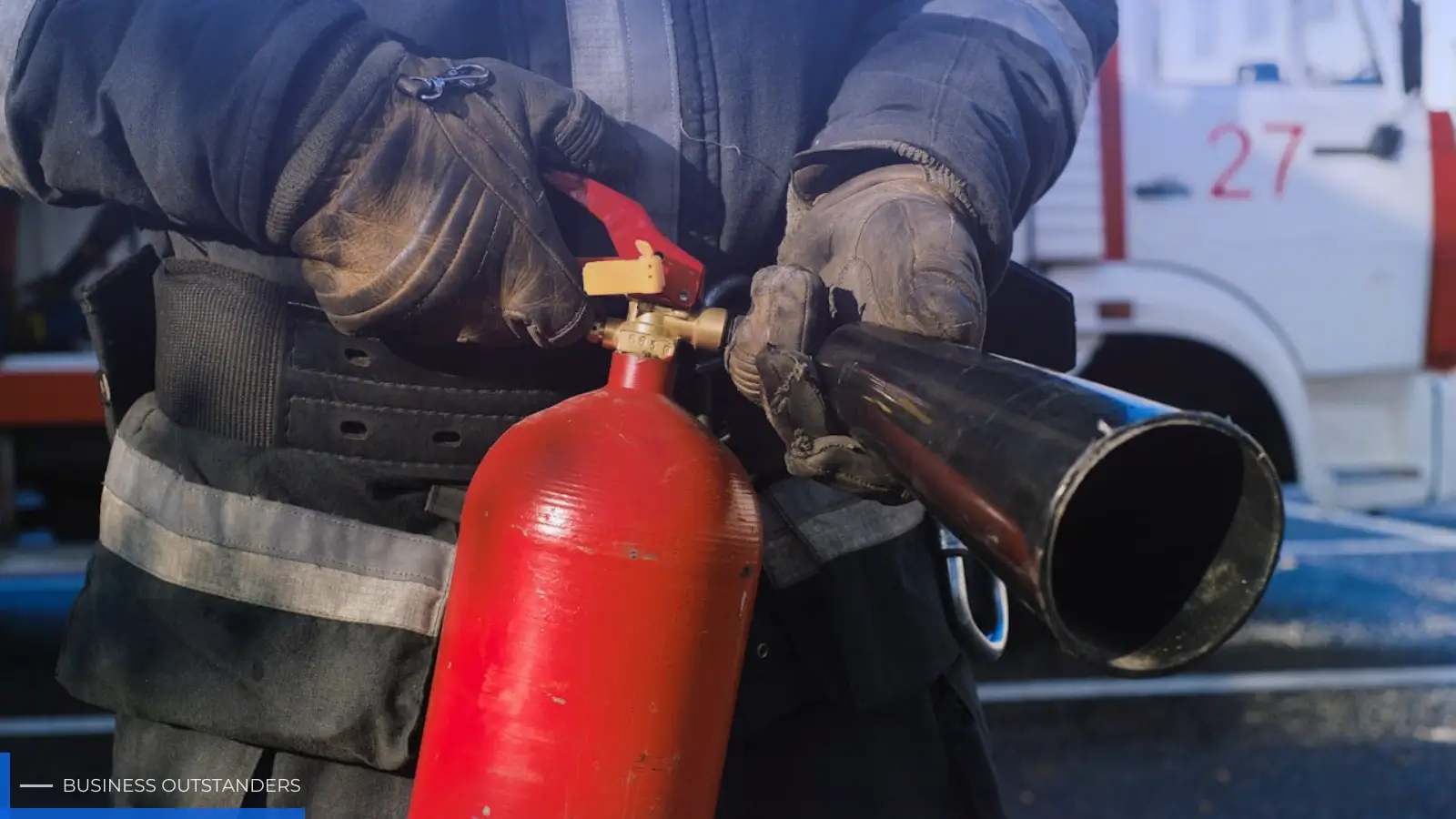
These inspections are often woven into the fabric of preventive maintenance. When a piece of equipment is vital for safety systems, like fire suppression, or has a high potential for causing injury, it needs extra attention. Laws and regulations often mandate that qualified persons must perform these checks on specific items, such as cranes, boilers, or even warehouse racking. The frequency is set by rules or by how much the equipment is used and under what conditions. It's about making sure everything is up to snuff.
The goal is to identify potential failures and address them during scheduled downtime, not during an emergency. This helps keep operations running smoothly and safely. By consistently inspecting critical components, businesses can avoid unexpected breakdowns, protect their workers, and maintain compliance with safety standards. It's a practical way to manage risk and keep the workplace secure.
Putting Safety First, From the Very Start
Taking the time to do safety checks before any work begins is really important. It’s not just about following rules; it’s about making sure everyone goes home safe at the end of the day. By using things like pre-construction questionnaires and pre-start safety reviews, we can find and fix potential problems before they even have a chance to cause trouble. These steps help identify who is responsible, make sure plans are specific to the job, and confirm that people have the right skills. When we focus on these upfront checks, we build a stronger foundation for safety, reduce the chances of accidents, and make sure projects start off on the right foot. It’s a smart way to work that pays off for everyone involved.
Business Outstanders brings you sharp insights on tech, business, entrepreneurship, law, crypto, and more. We uncover what’s next. Stay updated, sign up for our newsletter and be part of the future!