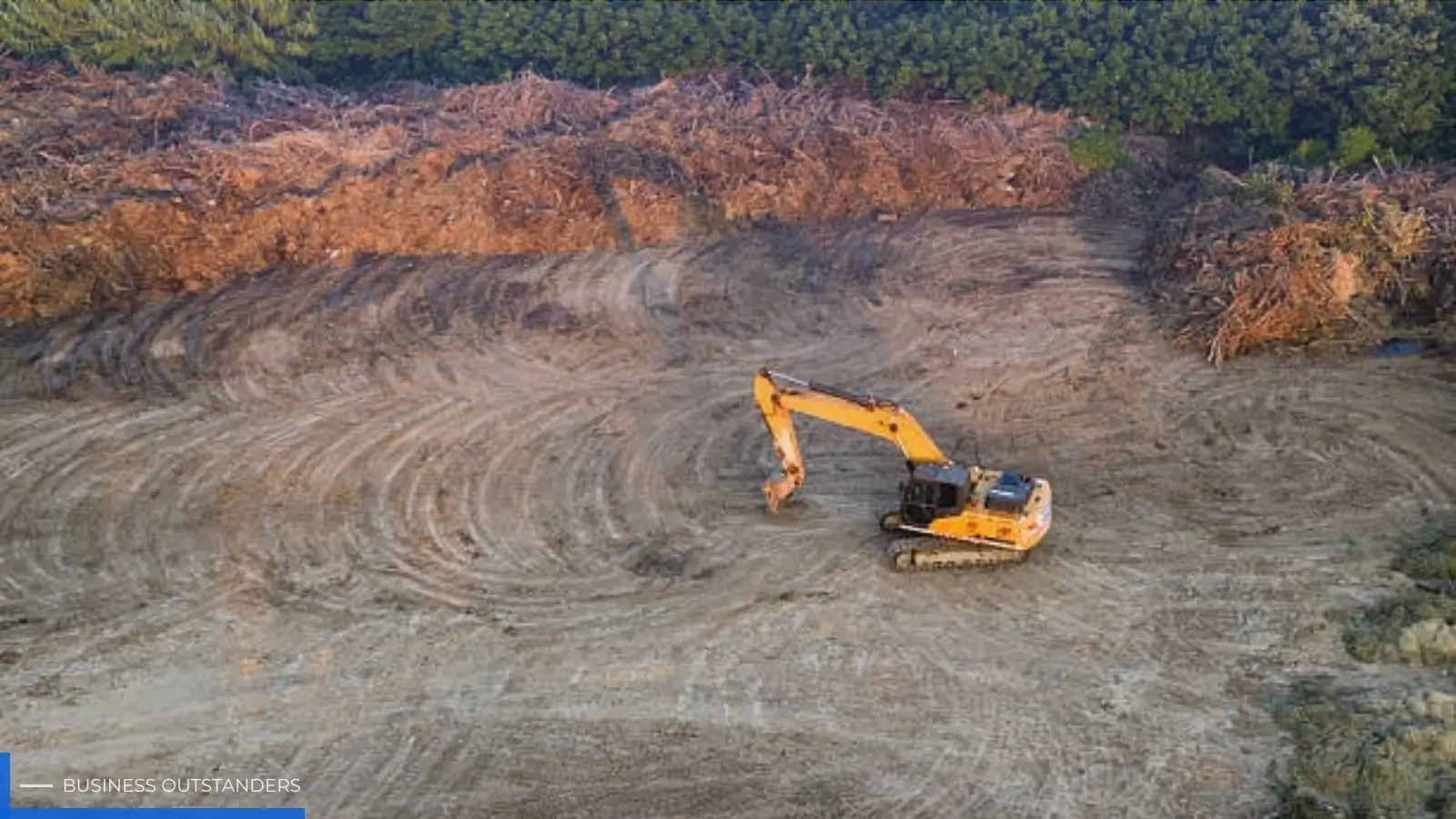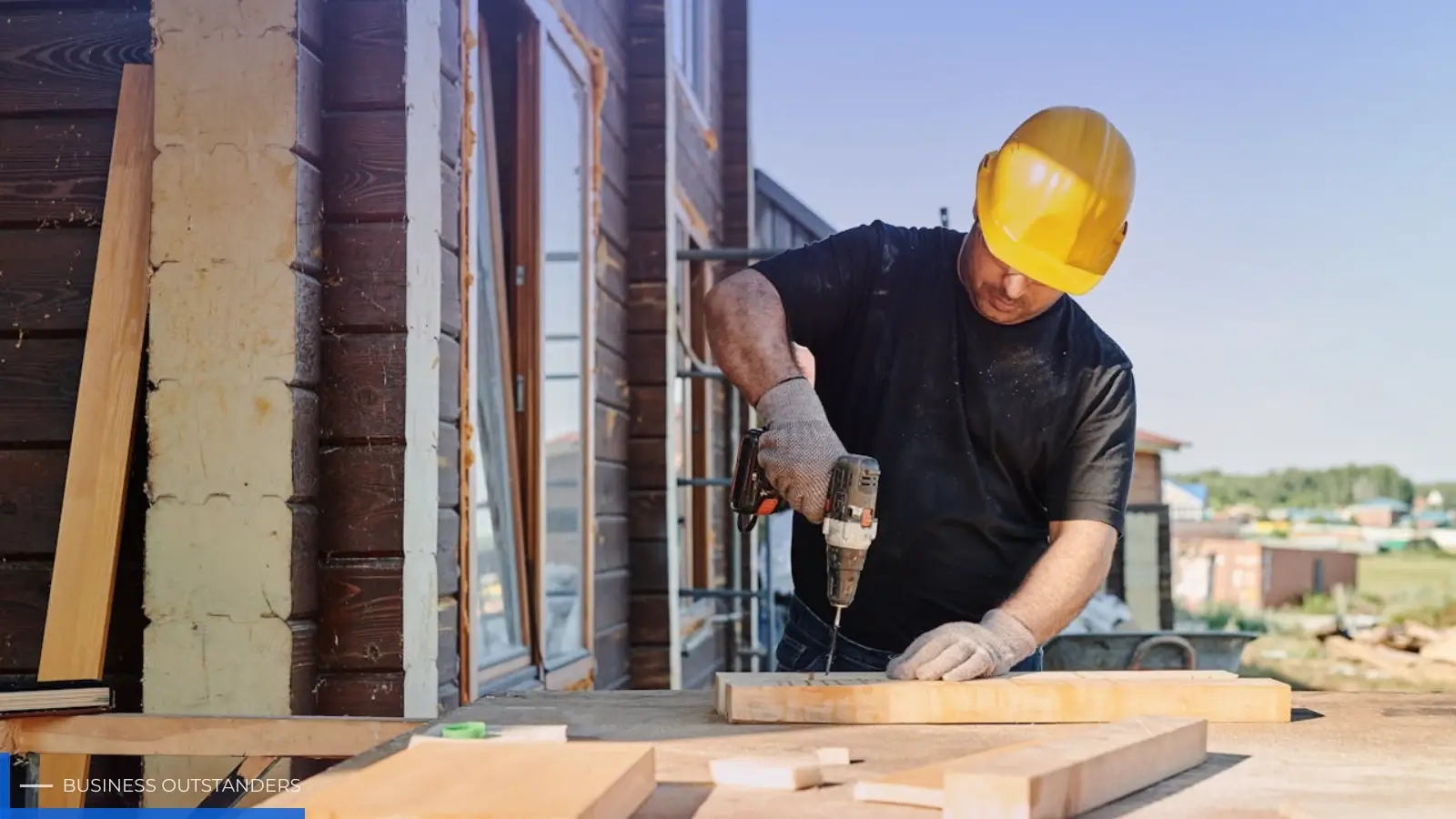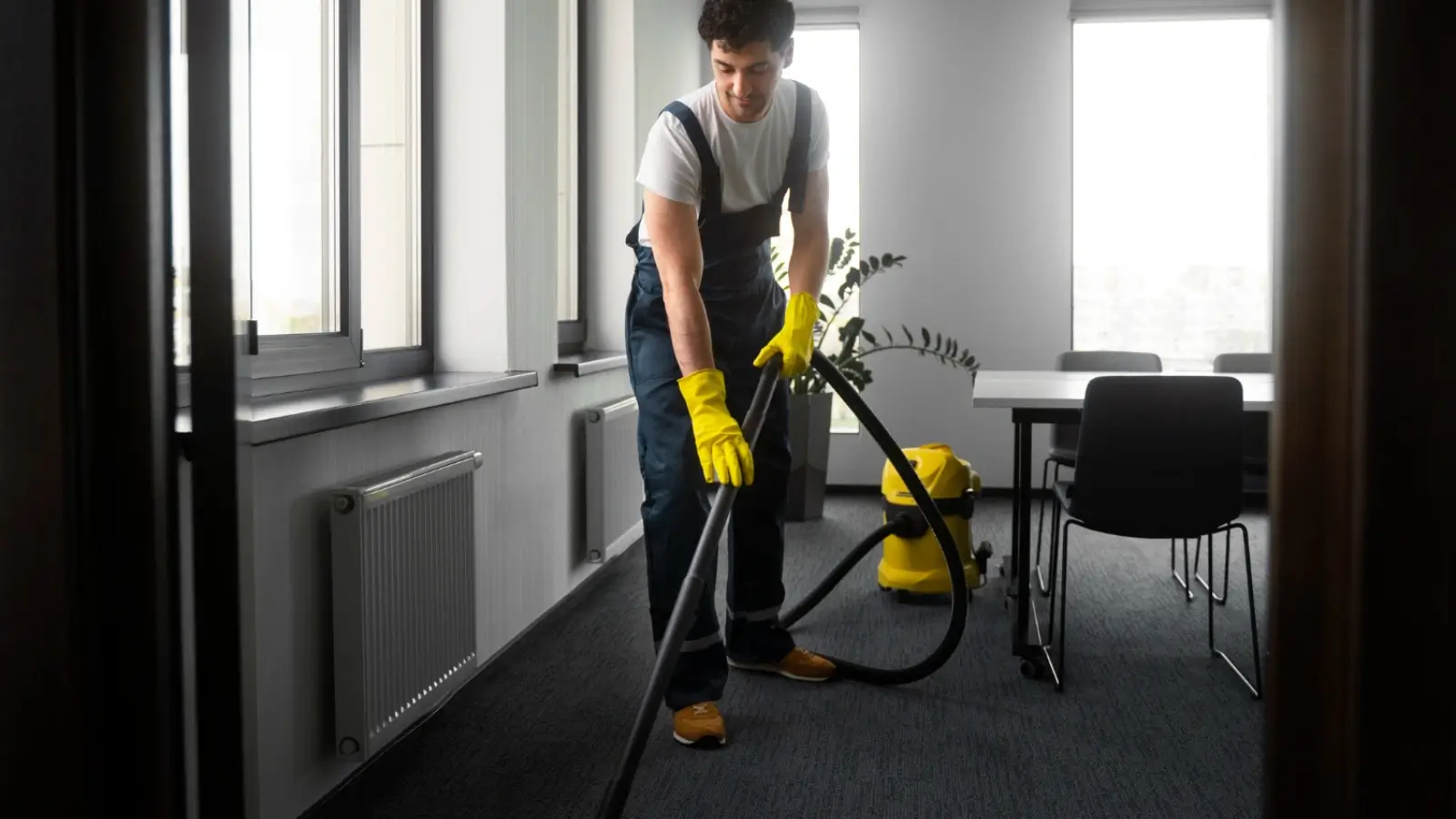
Construction and renovation projects are significant investments that transform properties and spaces, yet they invariably leave behind a tremendous amount of dust, debris, and residue that make the property uninhabitable until thoroughly cleaned. This is where post construction cleaning becomes an essential service, providing the critical step between construction completion and safe, usable space. Unlike standard cleaning, post construction cleaning is a highly detailed, specialized process designed to remove every trace of construction activity, from dust and paint splatters to adhesive residues and debris. It ensures that the property is not only visually appealing but also safe for occupancy, free from potentially hazardous materials, and ready for immediate use. In this comprehensive guide, we will explore the purpose, steps, challenges, and benefits of post construction cleaning, as well as provide tips for achieving the best results, emphasizing why this process is indispensable after any construction or renovation project.
Understanding the Concept and Importance of Post Construction Cleaning
Post construction cleaning is a professional cleaning process that addresses the unique challenges posed by freshly constructed or renovated spaces. During construction, dust, dirt, and chemical residues accumulate on nearly every surface, including floors, walls, ceilings, cabinets, light fixtures, windows, and ventilation systems. These residues are often difficult to remove with conventional cleaning methods, and in many cases, they can pose health and safety risks if left untreated.
The importance of post construction cleaning goes beyond aesthetics. Fine construction dust, which may include silica, lead, or other harmful particles, can have serious respiratory and health consequences for occupants if not removed thoroughly. Furthermore, leftover construction debris such as nails, glass fragments, wood splinters, and other materials can create hazards that make the space unsafe. By investing in post construction cleaning, property owners ensure that every corner of the property is both visually spotless and safe for use.
Beyond safety, post construction cleaning enhances the appeal and functionality of a property. Polished floors, gleaming windows, spotless fixtures, and clean surfaces contribute to an immediate sense of professionalism, order, and readiness. For commercial properties or spaces intended for clients, tenants, or customers, this attention to detail establishes a positive first impression and demonstrates care and quality.
Key Components and Stages of Post Construction Cleaning
The process of post construction cleaning involves several detailed steps that systematically address all aspects of the property to ensure it is thoroughly clean and safe. These steps are generally carried out in stages, each targeting specific challenges left behind by construction.
Stage 1: Removal of Large Debris and Waste Materials
The initial stage focuses on clearing the property of all large debris, leftover materials, and packaging from construction activities. Items such as wood scraps, metal pieces, insulation, cardboard, and plastic coverings must be removed to prepare the space for detailed cleaning. This stage is essential not only for cleanliness but also for reducing safety risks associated with loose materials, sharp objects, and hazardous residues.
Stage 2: Dust Removal and Surface Cleaning
Construction dust is pervasive and settles on every surface, including floors, countertops, cabinets, light fixtures, and vents. Removing this dust requires specialized vacuums, microfiber cloths, and detailed attention to ensure it does not simply redistribute throughout the space. This step often involves wiping, vacuuming, and cleaning hard-to-reach areas such as ceilings, corners, and behind installed furniture or fixtures.
Stage 3: Deep Floor Cleaning
Floors are among the most affected surfaces during construction. They often carry paint splatters, cement dust, adhesive residues, and other debris that require deep cleaning. The method depends on the type of flooring, whether it is tile, hardwood, laminate, or carpet. Professional cleaners use scrubbing, polishing, steam cleaning, or other specialized techniques to restore floors to their original condition without causing damage.
Stage 4: Window, Glass, and Mirror Cleaning
Windows, mirrors, and glass partitions are particularly susceptible to dust, paint, and other residues. Post construction cleaning includes washing, polishing, and ensuring the removal of any adhesive films or protective coatings. Clean glass surfaces allow natural light to enhance the property’s aesthetic and create a welcoming atmosphere.
Stage 5: HVAC, Air Duct, and Ventilation Cleaning
Construction dust can infiltrate HVAC systems and air ducts, significantly affecting air quality. Proper cleaning of these systems is an integral part of post construction cleaning, ensuring that dust, allergens, and chemical residues do not circulate within the property. Clean HVAC systems also maintain efficient operation and prolong the life of the equipment.
Stage 6: Final Inspection and Detailing
The final stage involves a comprehensive inspection of the property to identify any overlooked areas. This stage focuses on high-touch surfaces, appliances, switches, cabinets, light fixtures, and other details that contribute to a polished and fully functional space. By completing this stage, property owners can be confident that the property is thoroughly clean, safe, and ready for immediate use or occupation.
Challenges in Post Construction Cleaning and How to Overcome Them
Despite its importance, post construction cleaning is not without challenges. Construction dust is extremely fine and lightweight, which allows it to settle into hidden corners, carpets, and ventilation systems. Removing this dust completely requires professional equipment, such as HEPA-filter vacuums and specialized cleaning agents.
Additionally, residues like paint, adhesive, and sealant can be stubborn and difficult to remove. Without proper cleaning techniques, there is a risk of damaging delicate surfaces such as glass, tiles, or countertops. Professional cleaning teams are trained to select the right tools, chemicals, and methods for each type of residue to ensure effective and safe cleaning.
Time constraints are another challenge, particularly for large-scale projects. Post construction cleaning is labor-intensive and can take several days to complete thoroughly. Attempting to rush the process or skip steps can result in incomplete cleaning, lingering dust, and reduced safety and hygiene.
Benefits of Professional Post Construction Cleaning Services
Hiring professionals for post construction cleaning offers a range of advantages. Professionals have the expertise and experience to handle complex cleaning tasks efficiently, ensuring that all surfaces are properly cleaned without causing damage.
Professional cleaners also save time and effort. Cleaning a construction site independently can be physically exhausting and may require multiple passes to achieve acceptable results. By using trained personnel with specialized equipment, property owners can achieve superior results more quickly and with less stress.
In addition, professional cleaning ensures comprehensive cleanliness. Areas such as air ducts, vents, light fixtures, and behind installed cabinets are often overlooked during regular cleaning. Professionals address these hidden areas, creating a healthier and safer environment.
Finally, professional post construction cleaning enhances the overall value of a property. Clean, polished, and safe spaces are more attractive to tenants, buyers, and clients, thereby improving both aesthetic appeal and financial value.
Tips for Achieving Effective Post Construction Cleaning
Even when using professional services, understanding the cleaning process and preparing for it can improve results. Here are some practical tips for effective post construction cleaning:
-
Remove all large debris promptly to prevent accidents and ease subsequent cleaning stages.
-
Ensure proper ventilation to minimize airborne dust and improve indoor air quality.
-
Use protective gear such as masks, gloves, and goggles to ensure personal safety during cleaning.
-
Pay special attention to high-touch surfaces, corners, and hidden areas where dust tends to accumulate.
-
Schedule cleaning in stages, beginning with rough debris removal and progressing to detailed finishing.
-
Conduct a thorough final inspection to confirm that no areas have been overlooked and that the property is ready for use.
Conclusion
Post construction cleaning in Saxapahaw is a crucial step in transforming a newly constructed or renovated space into a safe, clean, and fully functional property. This specialized cleaning process not only enhances visual appeal but also ensures safety, compliance, and improved indoor air quality. By understanding the process, challenges, and benefits of post construction cleaning, property owners, managers, and contractors can make informed decisions to achieve the best results. Whether undertaken by professionals or carefully planned in-house, post construction cleaning is an essential investment that maximizes the value, usability, and aesthetics of any property while providing a safe environment for its occupants.
Prioritizing post construction cleaning ensures that every surface, corner, and fixture reflects the quality and attention to detail invested in the construction process, leaving a lasting impression of cleanliness, safety, and readiness for immediate use.
Business Outstanders brings you sharp insights on tech, business, entrepreneurship, law, crypto, and more. We uncover what’s next. Stay updated, sign up for our newsletter and be part of the future!