Land clearing is a crucial process in preparing a plot of land for construction, agriculture, or landscaping projects. It involves the removal of trees, shrubs, stumps, rocks, and other obstacles to make the land suitable for its intended purpose. Whether for residential, commercial, or agricultural development, land clearing ensures that the terrain is properly prepared, safe, and manageable for further activities. Despite its apparent simplicity, land clearing is a complex process that requires planning, expertise, and proper execution to minimize environmental impact, maintain soil health, and ensure compliance with regulations. This article provides an in-depth look at land clearing, including its methods, benefits, environmental considerations, and best practices.
Understanding the Importance of Land Clearing
The process of land clearing is more than simply removing vegetation. It is a critical first step in the development of any land-based project, influencing the safety, functionality, and efficiency of construction or agricultural activities. Proper land clearing ensures that the area is free from physical obstacles such as large rocks, tree stumps, and overgrown vegetation, which can hinder construction equipment or farming machinery. Furthermore, land clearing allows for better planning and design of drainage systems, roadways, and irrigation networks, facilitating sustainable and efficient land use. By preparing the land systematically, developers, farmers, and landscapers can maximize the utility of their property while reducing the risk of future complications caused by uneven or obstructed terrain.
Methods of Land Clearing
Land clearing can be accomplished using various techniques, depending on the scale of the project, the type of vegetation, and the terrain. Each method has its advantages and considerations, making it essential to select the most appropriate approach for the specific land conditions.
1. Mechanical Land Clearing
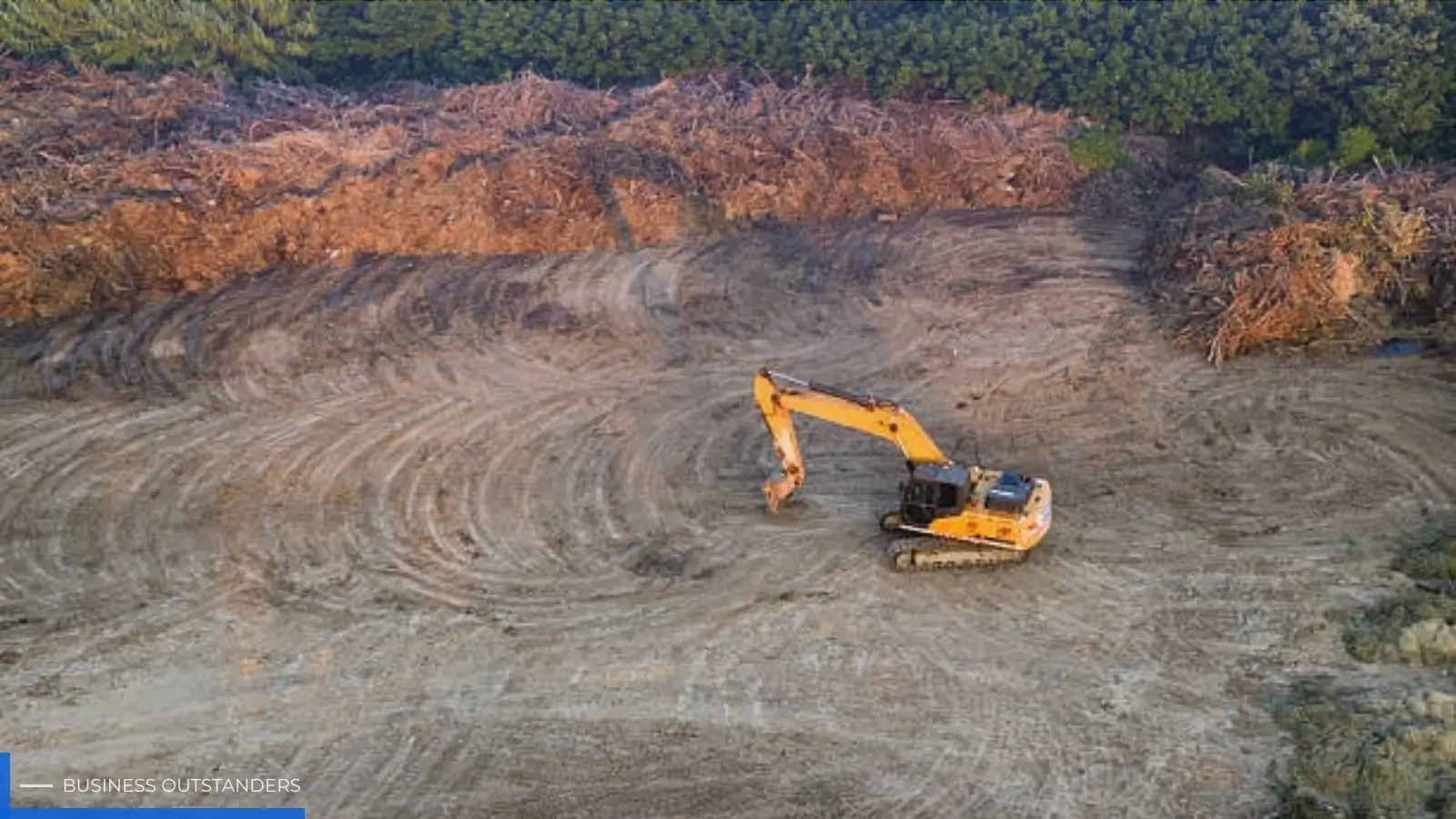
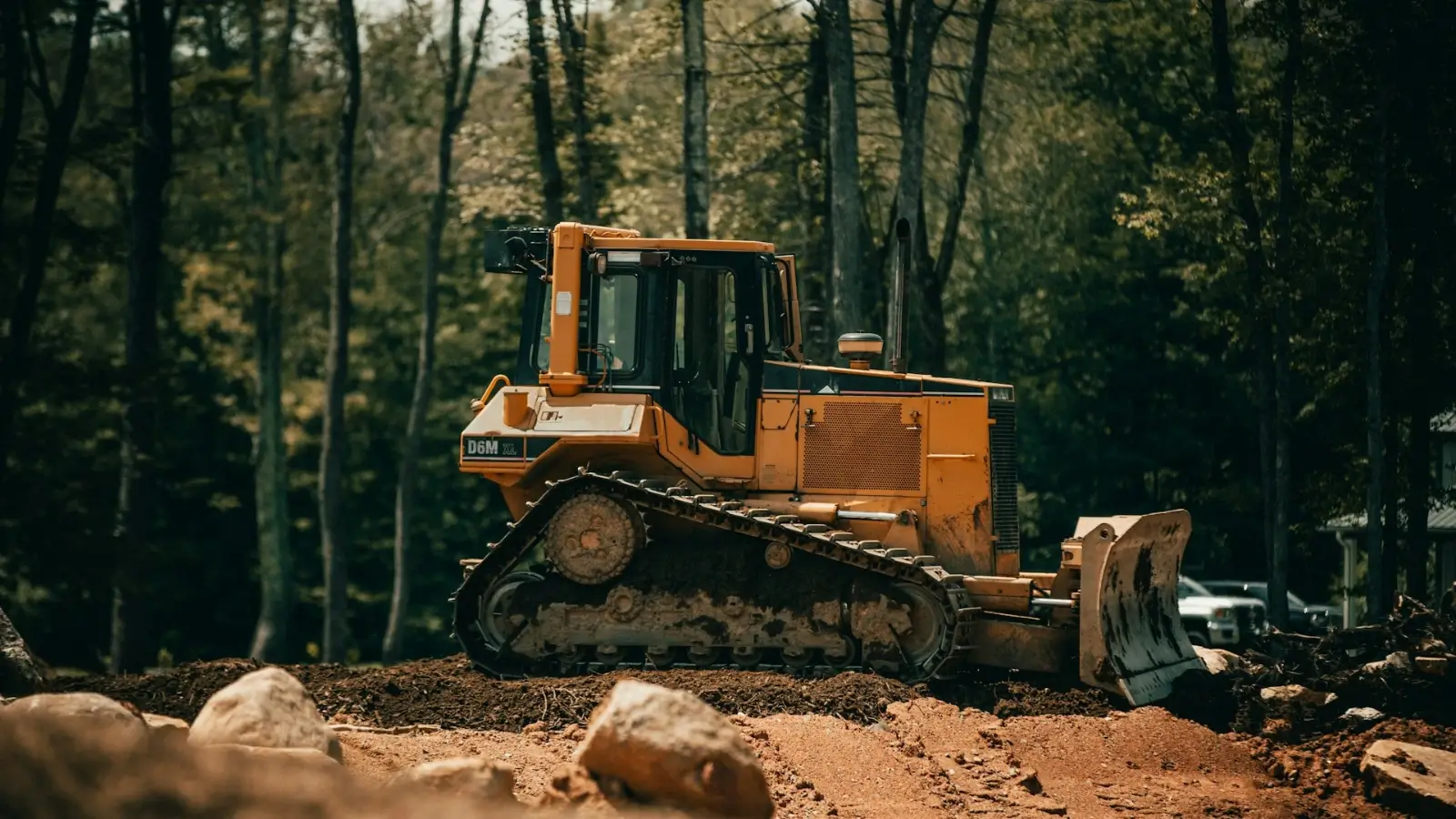
Mechanical land clearing involves the use of heavy equipment such as bulldozers, excavators, skid steers, and brush cutters to remove trees, shrubs, and debris. This method is highly efficient for large plots of land and allows for rapid clearing while minimizing manual labor. The process typically starts with cutting down trees and shrubs, followed by stump removal and grading of the terrain. Mechanical land clearing is particularly useful for construction sites where large-scale clearing is required, but it requires skilled operators to prevent damage to surrounding areas and ensure safety.
2. Manual Land Clearing
In smaller or more sensitive areas, manual land clearing may be preferred. This involves using hand tools such as axes, saws, and machetes to remove vegetation. Manual clearing is labor-intensive but provides greater control over the clearing process, minimizing soil disruption and preserving desirable plants or trees. It is often used in landscaping projects, ecological restoration, or areas where heavy machinery cannot access due to terrain limitations.
3. Chemical Land Clearing
Chemical land clearing involves the use of herbicides to eliminate unwanted vegetation. This method is commonly used in agricultural settings to prepare fields for planting or to control invasive plant species. While chemical clearing can be effective, it requires careful application to prevent contamination of soil, water sources, or non-target plants. Proper handling, timing, and adherence to environmental regulations are critical when using chemical methods for land clearing.
4. Controlled Burning
Controlled burning, or prescribed fire, is another technique used to clear land, particularly in forested or overgrown areas. This method involves carefully planned fires to remove vegetation while promoting soil health and ecological balance. Controlled burning requires professional oversight to prevent wildfires and ensure that the fire achieves the desired clearing effect without harming nearby properties or ecosystems.
Environmental Considerations in Land Clearing
Land clearing, while necessary for development, can have significant environmental impacts if not managed properly. The removal of trees and vegetation affects soil stability, water retention, and local ecosystems. Erosion is a primary concern, as exposed soil becomes vulnerable to wind and water runoff, potentially leading to loss of fertile topsoil. Additionally, land clearing can disrupt habitats for wildlife, reduce biodiversity, and contribute to climate change by decreasing carbon sequestration.
To mitigate these effects, it is essential to implement environmentally responsible land clearing practices. Techniques such as selective clearing, which removes only the vegetation necessary for the project, and preserving buffer zones along waterways can help protect ecosystems. Incorporating erosion control measures such as silt fences, mulching, and replanting native vegetation after clearing also contributes to sustainable land management. Conducting an environmental assessment before initiating land clearing is recommended to identify sensitive areas and develop strategies to minimize adverse effects.
Benefits of Land Clearing
Despite potential environmental concerns, land clearing provides numerous benefits when conducted responsibly.
-
Enhanced Land Usability: By removing obstacles such as trees, rocks, and overgrown vegetation, land clearing creates a level and accessible area suitable for construction, farming, or recreational use. This facilitates efficient project execution and long-term land management.
-
Improved Safety: Overgrown areas can hide hazards such as uneven ground, sharp objects, or wildlife. Clearing the land reduces these risks, creating a safer environment for workers, residents, or visitors.
-
Pest and Disease Control: Dense vegetation can harbor pests and diseases that affect crops, livestock, or plants. Land clearing helps reduce these risks by eliminating breeding grounds and improving airflow, sunlight penetration, and overall land hygiene.
-
Aesthetic and Functional Value: Proper land clearing enhances the visual appeal of a property and allows for better landscape design. It provides the flexibility to plan gardens, pathways, irrigation systems, and other functional elements efficiently.
-
Increased Property Value: Well-cleared land is more attractive to buyers, developers, or investors, increasing the overall value and marketability of the property.
Best Practices for Effective Land Clearing
To achieve the benefits of land clearing while minimizing negative impacts, several best practices should be followed:
-
Plan Ahead: Identify the specific objectives of the land clearing project and assess the vegetation, terrain, and soil conditions. This ensures that the appropriate methods and equipment are used.
-
Follow Regulations: Compliance with local and national regulations regarding land clearing, tree removal, and environmental protection is essential to avoid legal complications.
-
Hire Professionals: Experienced contractors possess the knowledge, equipment, and skills to perform land clearing safely and efficiently. Professional expertise ensures the project is completed correctly while reducing risks.
-
Preserve Important Vegetation: Selective clearing techniques allow for the preservation of valuable trees and plants, maintaining biodiversity and minimizing environmental impact.
-
Implement Soil Protection Measures: Erosion control, proper drainage, and replanting native vegetation help maintain soil health and prevent long-term damage.
-
Monitor Post-Clearing: After clearing, regular monitoring is essential to address emerging issues such as erosion, invasive species, or unintended vegetation regrowth.
Conclusion
Land clearing is a fundamental step in preparing land for construction, agricultural, or landscaping purposes. It requires careful planning, the selection of appropriate methods, and consideration of environmental impacts to ensure a successful outcome. By understanding the benefits, challenges, and best practices associated with land clearing, property owners, developers, and farmers can optimize land usability, safety, and value while minimizing environmental harm. Whether using mechanical equipment, manual labor, chemicals, or controlled burning, responsible land clearing ensures that land is efficiently prepared for its intended purpose, creating opportunities for sustainable development and long-term productivity. Implementing proper land clearing techniques, coupled with professional guidance and environmental stewardship, is essential for achieving a balance between land development and ecological preservation.
Business Outstanders brings you sharp insights on tech, business, entrepreneurship, law, crypto, and more. We uncover what’s next. Stay updated, sign up for our newsletter and be part of the future!