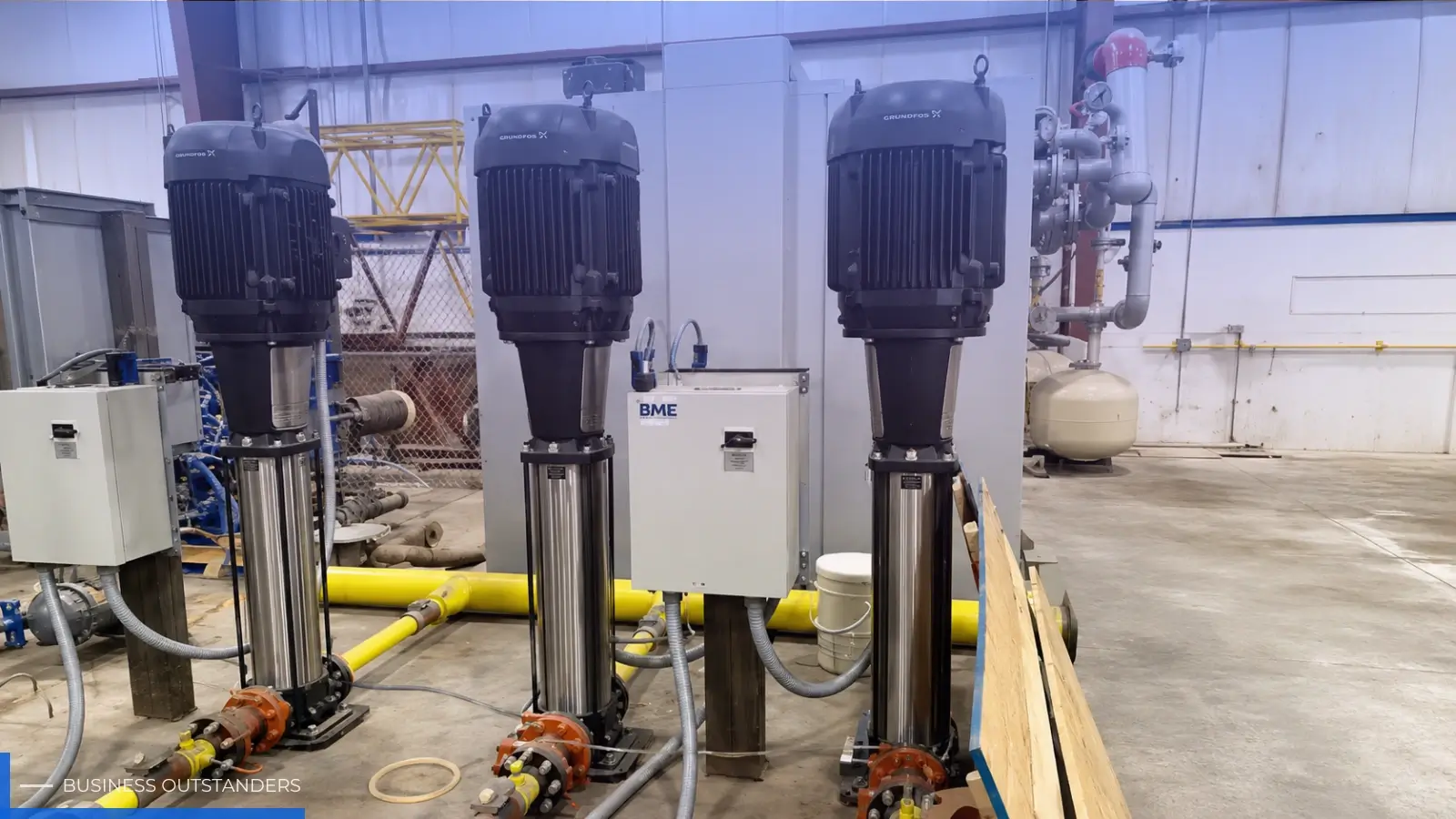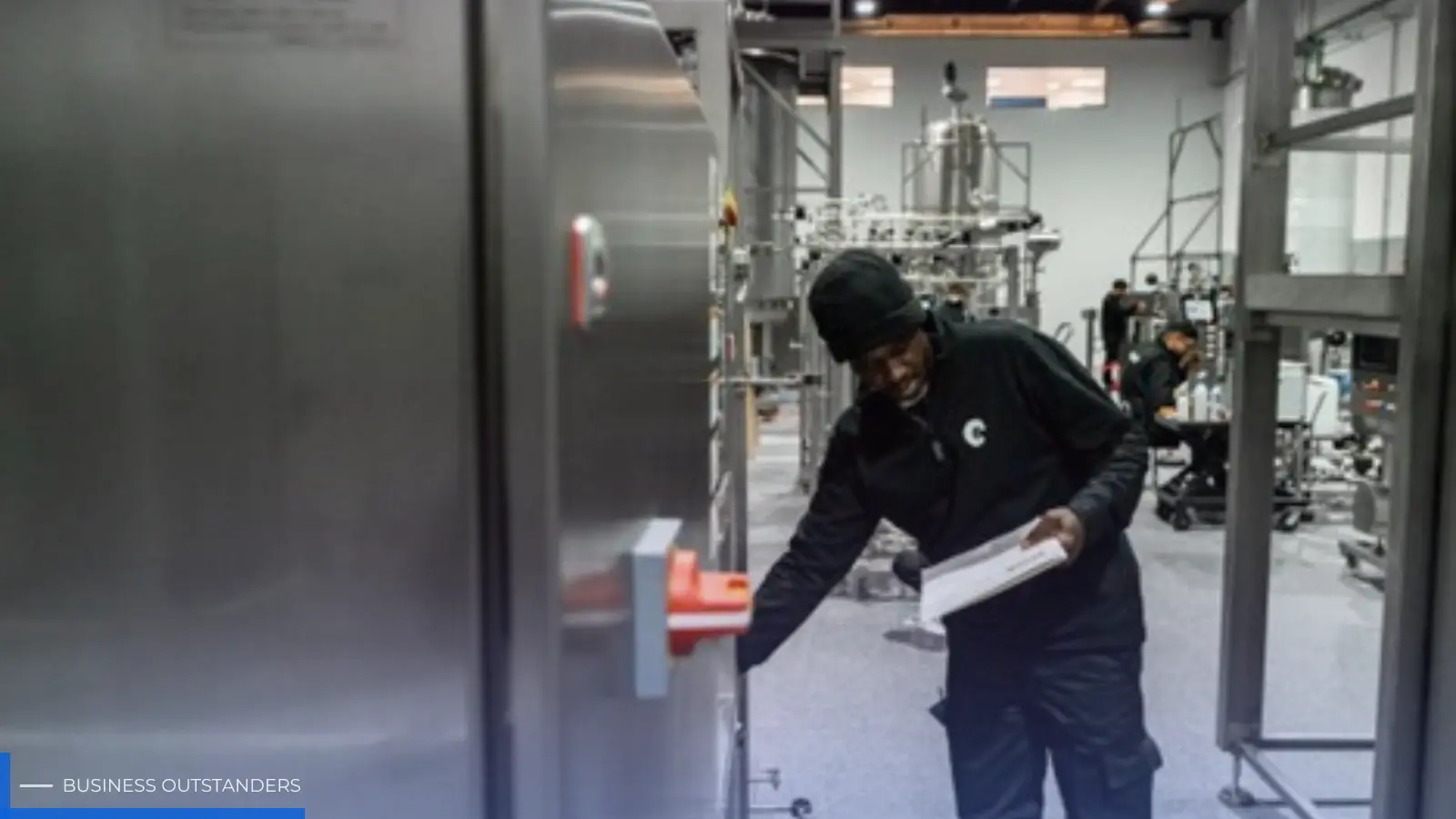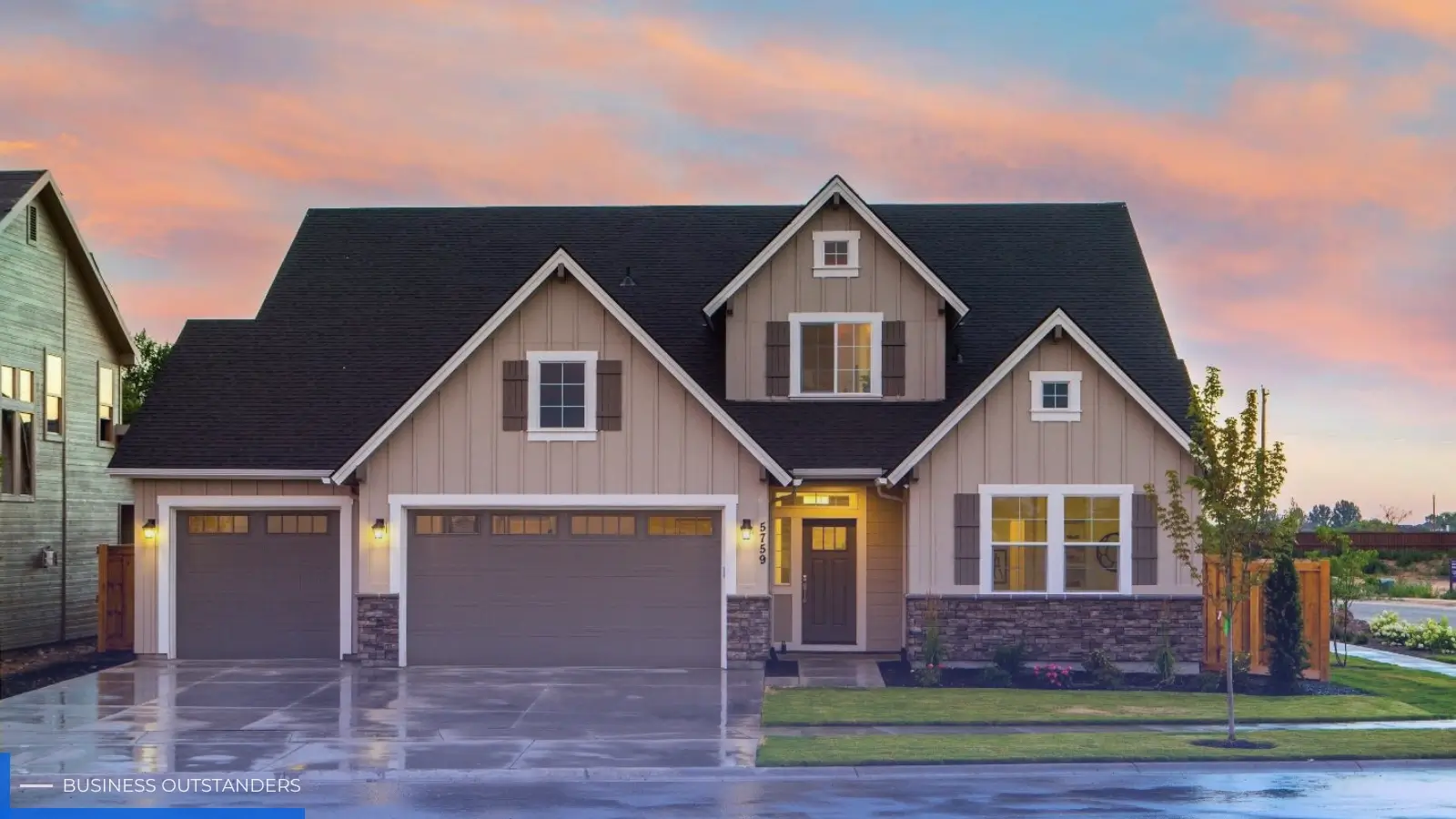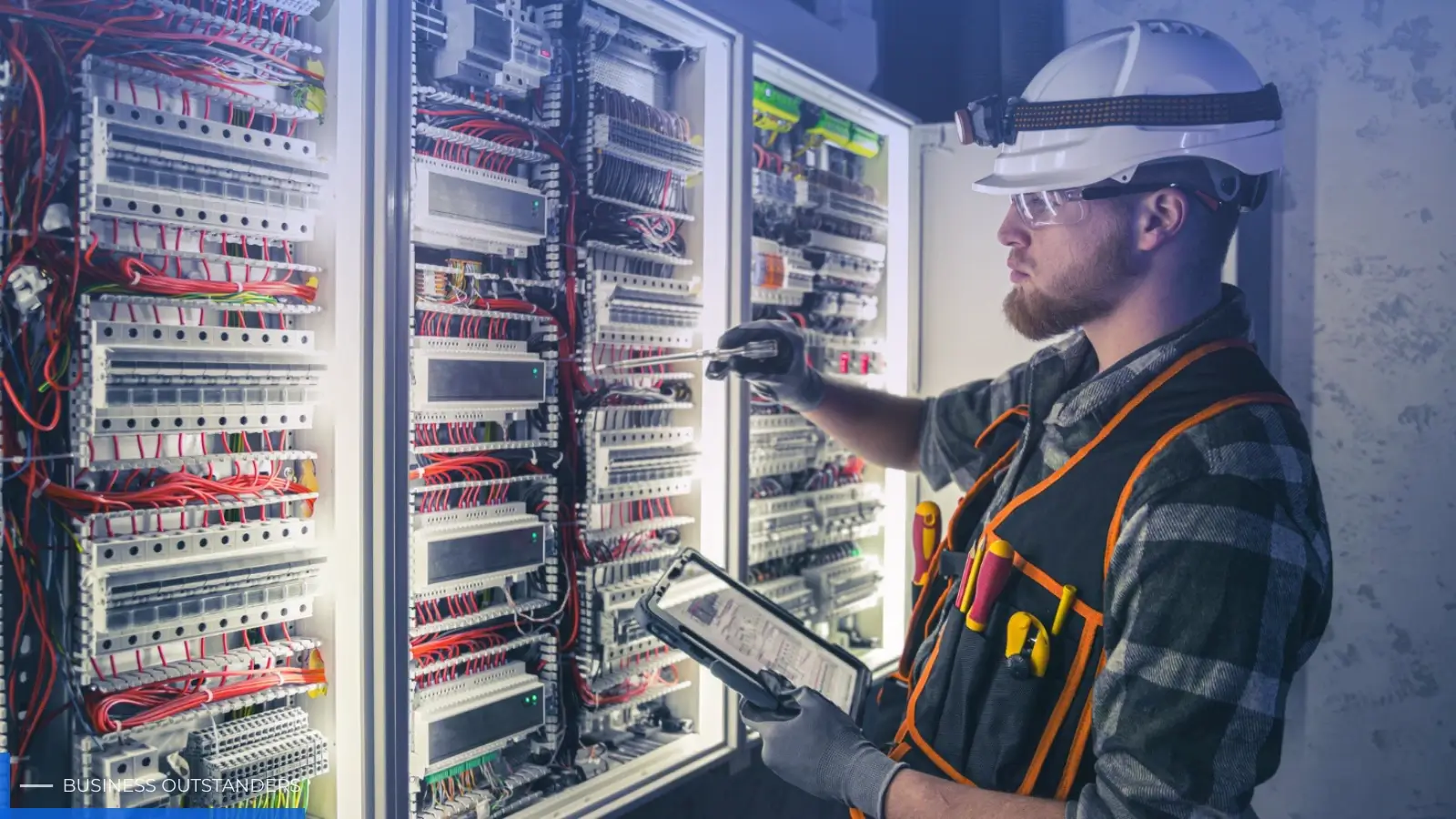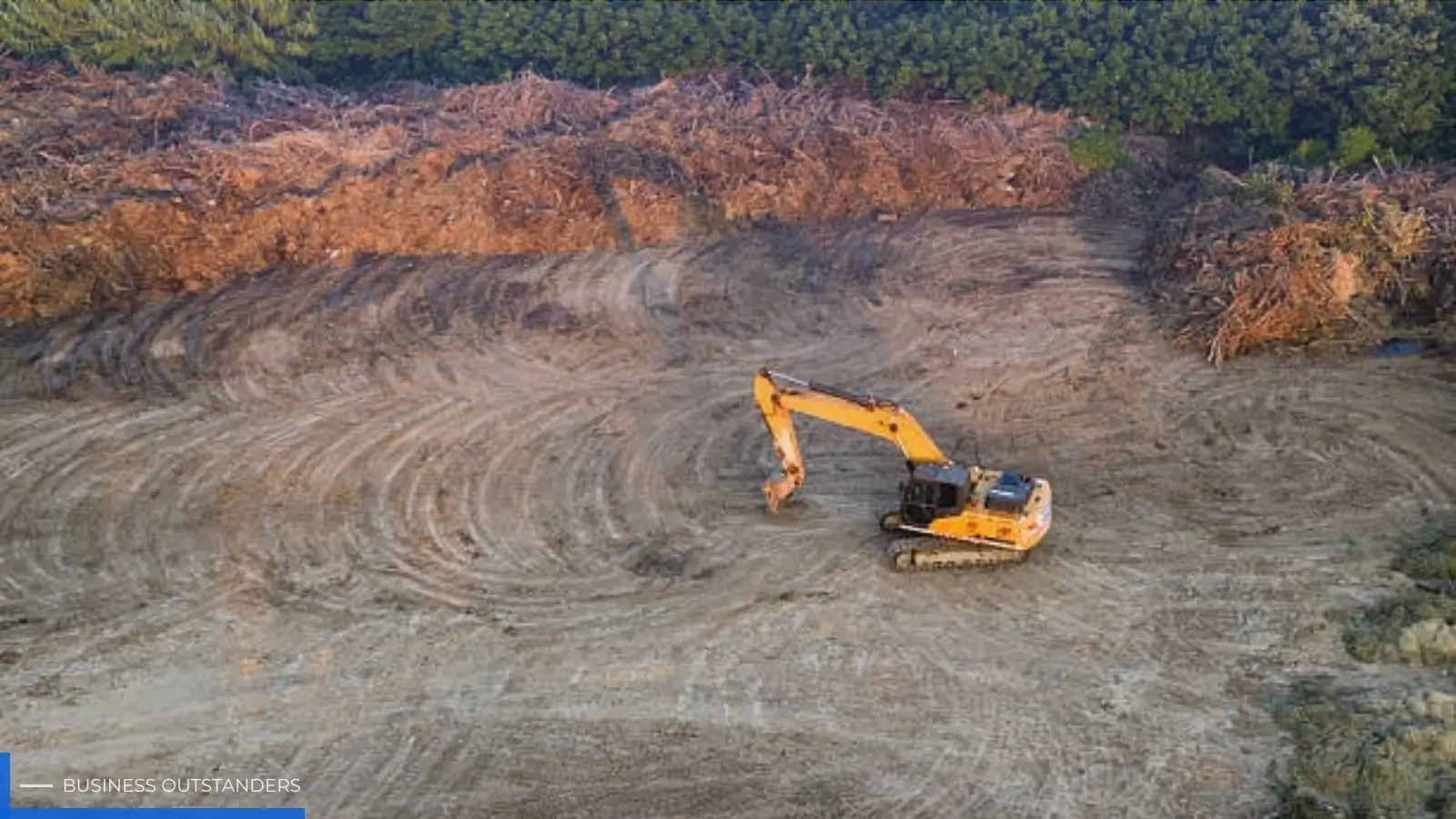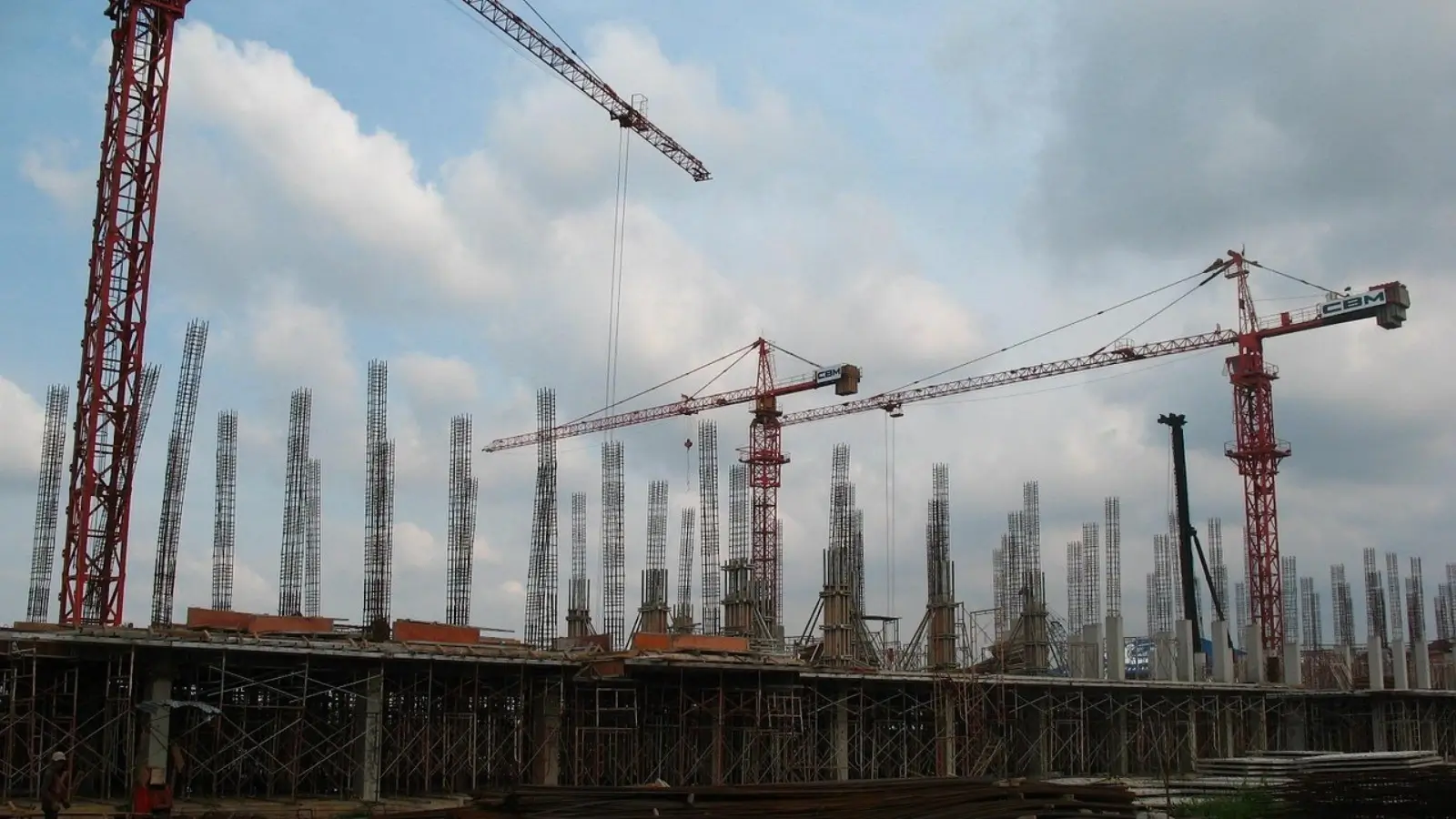
Industrial construction is a critical sector that encompasses the development of facilities used for manufacturing, production, and storage. These projects often involve the construction of factories, power plants, warehouses, and other infrastructural facilities essential for supporting industrial activities.
This sector is unique due to its scale and technical requirements. Projects in this sector often demand substantial investments in terms of time and resources and have a significant impact on economic growth and development.
The Significance of Industrial Construction
In the contemporary economic landscape, industrial construction plays a pivotal role in driving economic growth. The development of robust infrastructure supports industries that are vital to a nation's economy, ranging from manufacturing to energy production.
Moreover, industrial construction contributes significantly to employment. It provides numerous job opportunities, not only in the construction phase but also in operations and maintenance once the buildings are operational.
Trends Shaping the Sector
The industrial construction industry is witnessing several trends that are shaping its future. One of the most prominent trends is the adoption of sustainable building practices. The industry is increasingly focusing on reducing environmental impact through the use of green technologies and sustainable materials.
Another trend is the digitalisation of construction processes. By incorporating advanced technologies such as Building Information Modelling (BIM), the industry is enhancing project efficiency and reducing errors. This trend towards digitalisation is set to revolutionise how industrial construction projects are managed.
Furthermore, there is a growing emphasis on modular construction. This method involves prefabricating sections of the building off-site and assembling them on-site, significantly reducing construction time and costs.
Challenges in Industrial Construction
Despite its potential and growth, the industrial construction sector faces several challenges. Among these, compliance with stringent regulatory standards is a recurring issue. Projects must adhere to numerous safety, environmental, and quality standards, which can complicate the construction process.
Additionally, the sector is vulnerable to economic fluctuations. Economic downturns can lead to budget constraints and reduced demand for industrial facilities, impacting project timelines and profitability.
The Future of Industrial Construction
Looking ahead, the industrial construction sector is poised for growth. The increasing demand for sustainable and technologically advanced facilities is expected to propel the industry forward. Companies that embrace innovation and adaptability will likely lead the market.
One vital aspect of future growth is the integration of technology in construction practices. Continued advancements in automation and artificial intelligence will enhance efficiency and productivity.
Moreover, partnerships between governments and private firms are expected to increase, facilitating investment in large-scale industrial projects. Such collaborations will likely drive the development of new industrial hubs.
As the sector evolves, there will be a stronger focus on industrial construction companies adapting to changing market demands. This adaptability will be critical in addressing both current challenges and future opportunities.
Conclusion
In conclusion, industrial construction remains a cornerstone of economic development. The sector is undergoing significant changes, driven by technological advancements and sustainability initiatives. Despite challenges, the outlook remains positive, with ample opportunities for growth.
The role of industrial construction in supporting key industries cannot be overstated, and its continued evolution is essential for meeting future economic demands. Stakeholders must remain vigilant and adaptable to harness these opportunities effectively.
Business Outstanders brings you sharp insights on tech, business, entrepreneurship, law, crypto, and more. We uncover what’s next. Stay updated, sign up for our newsletter and be part of the future!