Ever wonder why your favorite snack is always on the shelf—even during a snowstorm, a gas crisis, or a global chip shortage? Behind the scenes, companies are reworking supply chains with the intensity of someone trying to fix a leaky pipe while the water’s still running. In this blog, we will share how businesses strengthen supply operations to stay competitive, efficient, and ready for the unexpected.
Pressure is the Constant
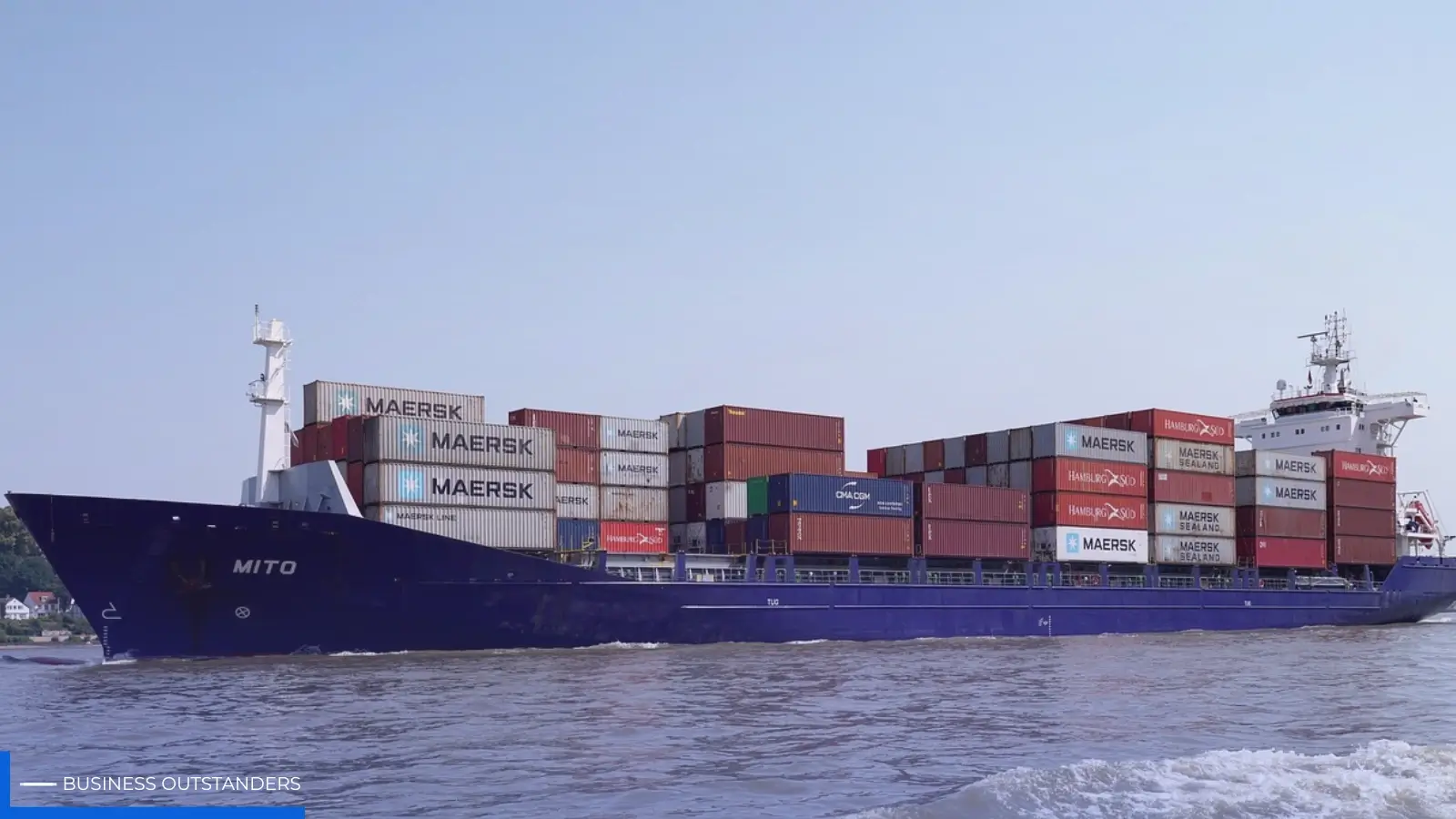
Supply chains used to hum quietly in the background. They moved goods across the world with quiet predictability. Not anymore. Between pandemic aftershocks, rising energy costs, geopolitical rifts, and climate disruptions, logistics managers now wake up sweating over things like late freighters, empty containers, or surprise factory shutdowns in places they've never been.
This isn’t some doomsday scenario. It’s the current playbook. Look at what happened when the Suez Canal got blocked or when a single COVID outbreak shut down parts of Shenzhen. One hiccup anywhere can ripple through entire industries. In response, businesses have stopped treating supply chains like hidden plumbing. Now they’re strategic assets—just as central as sales, marketing, or R&D.
One way companies are regaining control is by diversifying sourcing. They’re no longer relying on one country, or even one region, for critical materials. Instead, they're spreading production across multiple facilities in different time zones. It’s not cheap. But betting everything on one supply line isn’t smart when a typhoon or a political dispute can cut it off overnight.
Some are also reshoring or near-shoring—moving factories closer to where demand lives. Not out of patriotism, but practicality. Shorter shipping routes mean fewer delays. And if they can skip the international red tape, all the better.
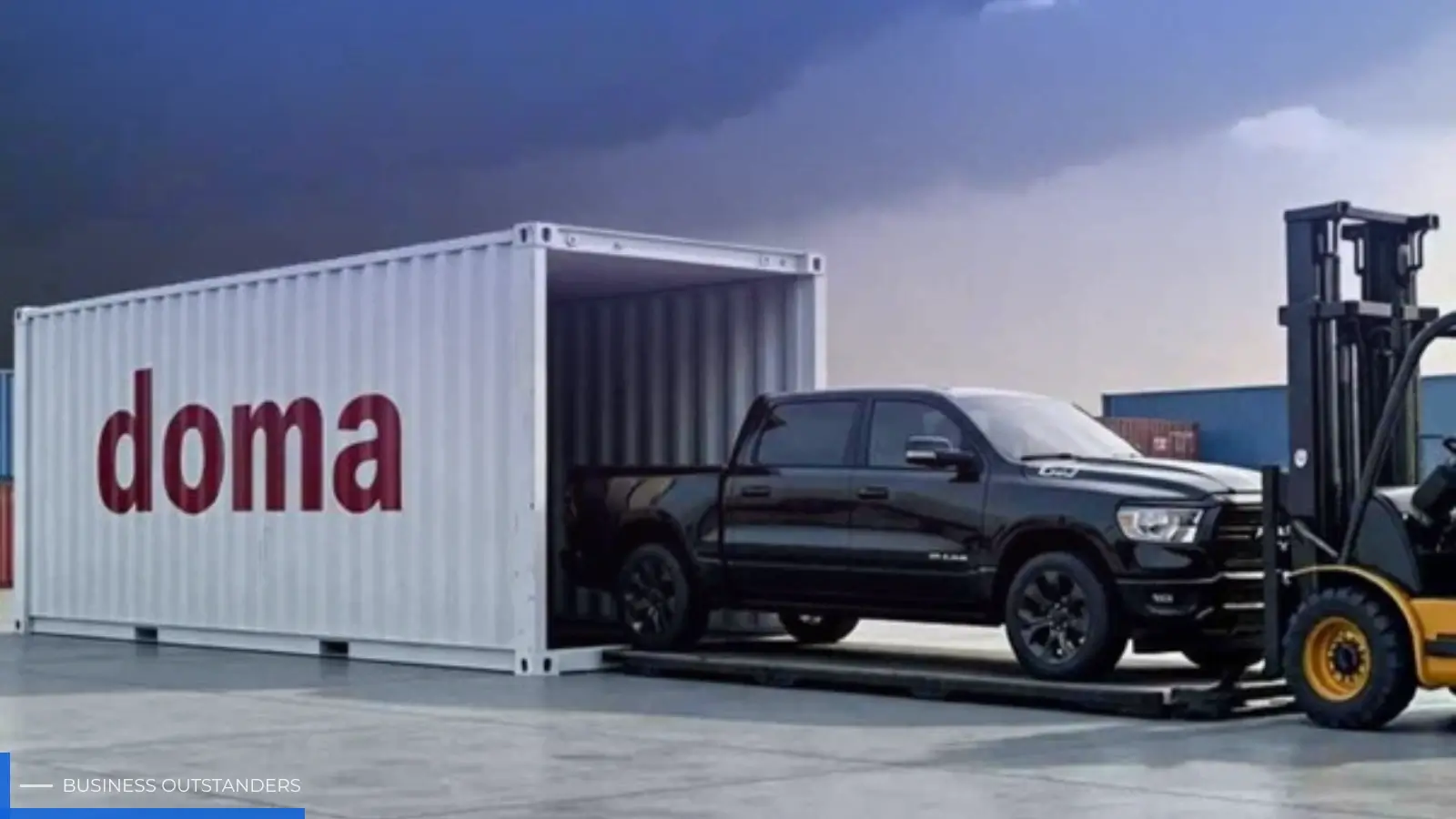
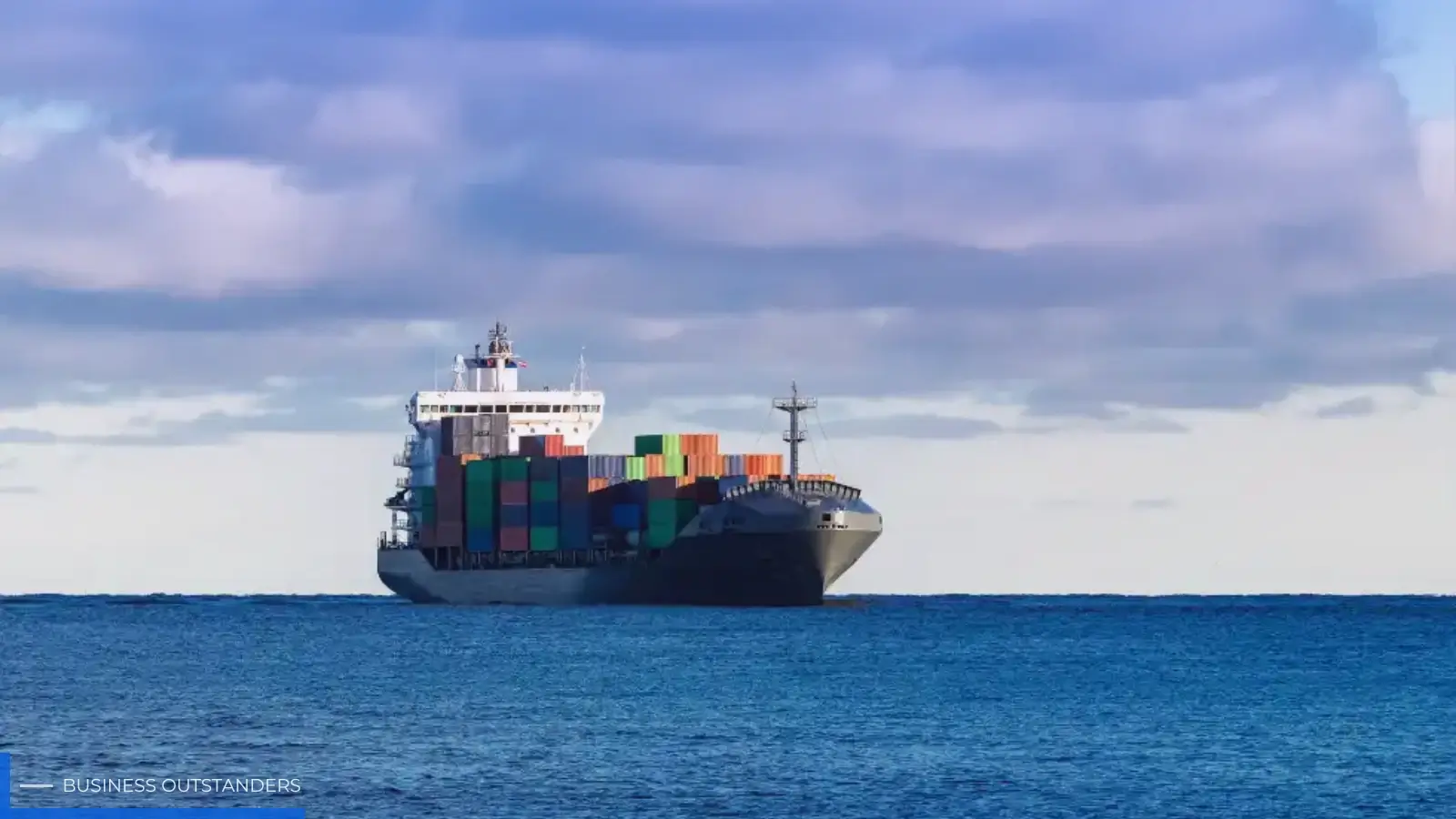
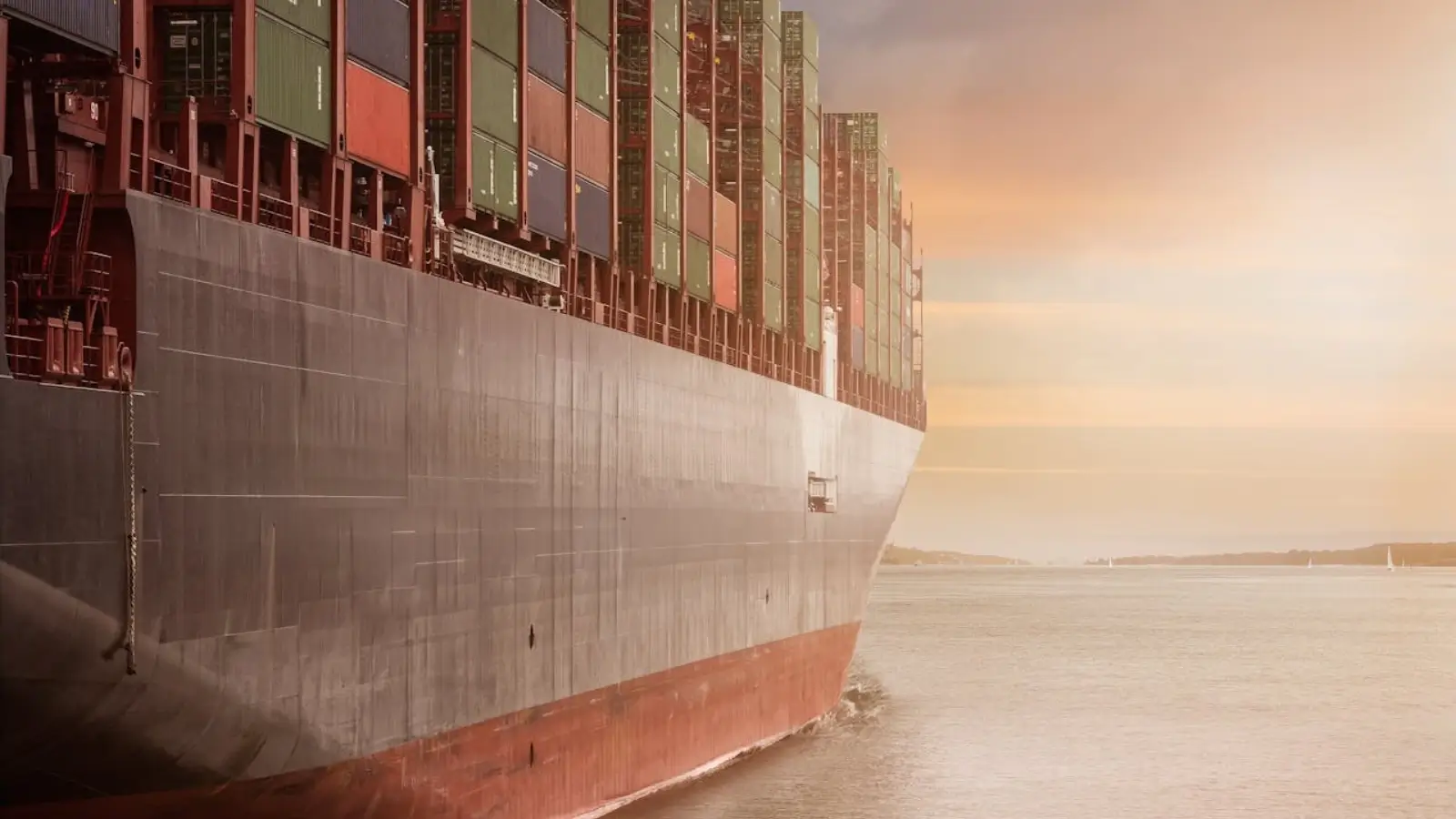
Even smaller players are jumping in. A mid-sized retailer no longer shrugs off port congestion. They’re looking into their own freight deals, tweaking inventory strategies, and yes, sometimes choosing to buy shipping container units outright. That kind of move, once rare outside of big-box retailers, gives them more autonomy and room to maneuver during peak seasons or unexpected surges.
It’s not glamorous. But it gives them leverage in markets where reaction time matters more than raw size.
Tech-Driven Flexibility Beats Scale
In the past, supply chain power meant owning the most trucks or warehouses. Today, it's about flexibility—driven largely by smart tech. Inventory forecasting, for instance, used to be guesswork mixed with spreadsheets and blind hope. Now it's a battleground of predictive algorithms and AI tools that crunch thousands of variables.
Take Procter & Gamble. They use real-time data across suppliers, production lines, and distribution centers to adjust orders before problems even hit. That agility let them respond to supply shifts during the pandemic faster than competitors.
Amazon takes it even further. They use machine learning to anticipate what you’ll order and stock those items near your zip code before you even click “buy.” That’s not just a clever trick. It’s a way to cut shipping time and costs while keeping customers happy.
Smaller businesses don’t have to invent these tools from scratch. There’s a booming market for logistics tech—from cloud-based inventory systems to transportation management platforms that track every pallet in motion. Many of these are scalable and affordable, which means even companies without billion-dollar budgets can punch above their weight.
But it’s not just about software. RFID tags, sensor-equipped pallets, and GPS-enabled containers offer visibility once reserved for aerospace engineers. Now, a logistics team can see in real time where their goods are, how long they’ve been in transit, and whether someone left them baking in a hot warehouse over the weekend.
That kind of transparency makes it easier to reroute around disruptions, spot theft or spoilage early, and cut waste. In short, the more you can see, the faster you can adapt. And in tight markets, adaptation is currency.
Labor Isn’t Just a Cost Center Anymore
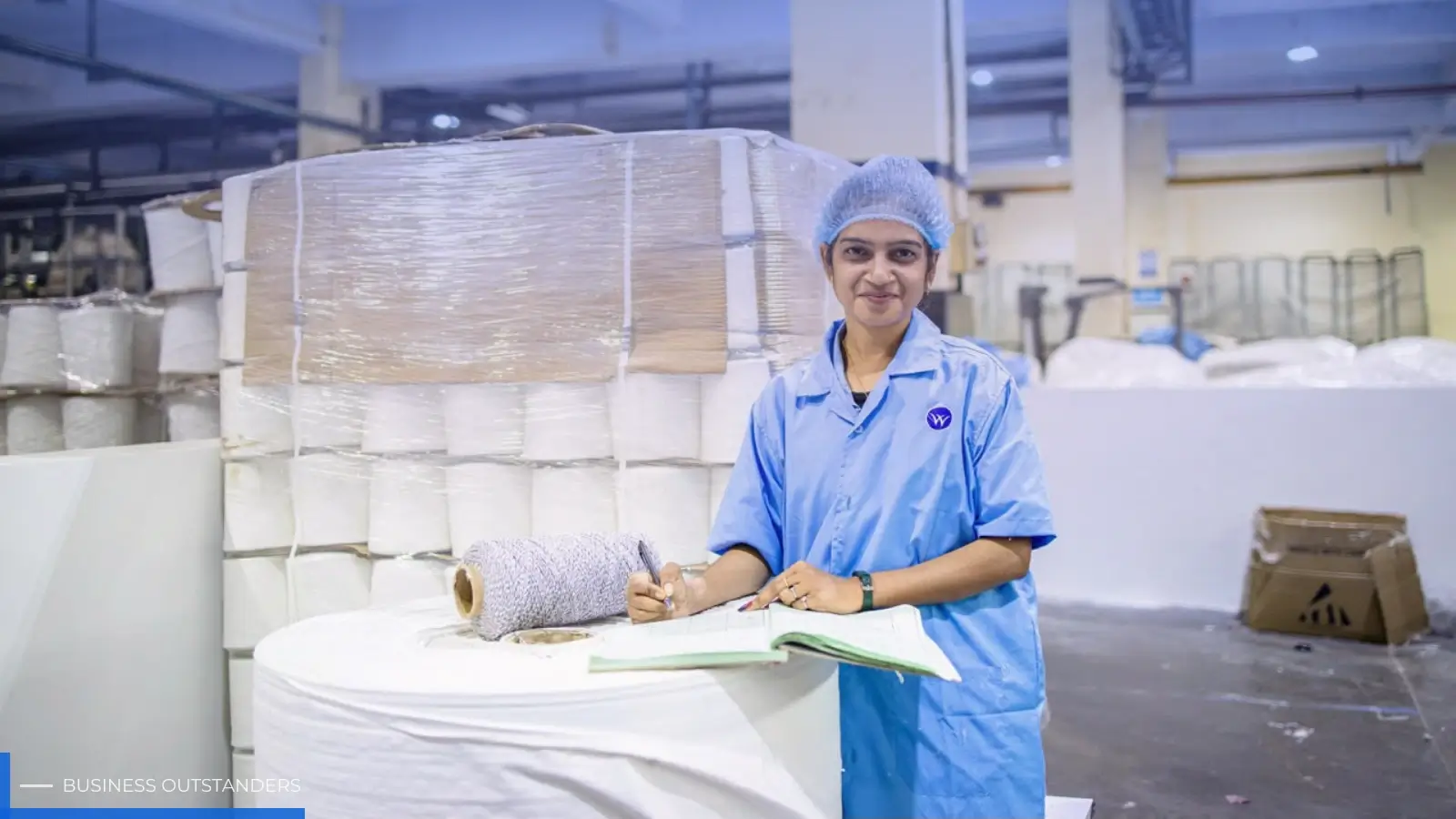
For decades, supply chain labor was treated as an overhead issue—something to squeeze for margins. That attitude is cracking. COVID exposed how fragile things get when labor is treated like a plug-in module. Warehouse workers, truck drivers, and dockhands became critical path blockers, not just cogs.
Businesses are responding with a mix of higher wages, better training, and automation—not to replace people, but to make their jobs more manageable and efficient.
Walmart, for example, has invested in high-tech distribution centers with autonomous forklifts and AI-based sorting systems. But they’re also raising pay and offering supply chain certifications. The goal isn’t just retention—it’s creating a workforce that’s trained, engaged, and adaptable.
Other companies are experimenting with flexible shifts, incentive pay during high-volume periods, and clearer advancement paths. It’s not just a feel-good move. A stable, skilled workforce directly reduces shipping errors, damage rates, and returns—all of which impact profit more than people often realize.
Automation still plays a major role. But the trend isn’t robots replacing humans. It’s robots helping humans move faster without breaking down. Think wearable tech that helps pickers lift heavy loads or mobile apps that walk temp workers through complex tasks on Day 1.
Ignore the labor piece and your supply chain breaks at the first bottleneck. Invest in it, and you get resilience that’s hard to fake.
Resilience Requires Redundancy
It’s easy to dismiss redundancy as waste—especially when the finance team wants to cut overhead. But in supply chains, redundancy is often the difference between survival and catastrophe. That means maintaining backup suppliers, keeping some buffer stock, and avoiding single points of failure.
Apple, despite its lean design, maintains multiple chip suppliers and negotiates for capacity years in advance. When one factory goes down, they shift production quickly. It’s not an accident. It’s the result of years of contingency planning.
Mid-tier companies are following suit. They’re building parallel contracts with regional suppliers or stocking essential components in multiple warehouses. The goal isn’t perfection. It’s having options when things go sideways.
Even the U.S. government has taken notice, especially with semiconductors and medical supplies. Policy efforts like the CHIPS Act aren’t just about patriotism. They’re about shortening supply lines to reduce exposure to global shocks.
That’s the new reality. Companies that pretend the world will return to "normal" will find themselves unprepared the next time a volcano erupts, a trade route closes, or a viral TikTok sends demand through the roof overnight.
There’s no one fix, no silver bullet. What works for a global auto manufacturer won’t apply to a regional bakery. But the strategies overlap: diversify, digitize, invest in people, plan for chaos, and build margin into the system—not just profit margin, but time margin, options margin, and knowledge margin.
Today’s market doesn’t reward size so much as speed, visibility, and adaptability. Companies that treat their supply chains like living systems, not static spreadsheets, are the ones that stand a chance at staying competitive.
The good news? It’s not all about throwing money at the problem. Smart decisions, early investments, and a little humility about how fast things can change still go a long way.
Business Outstanders brings you sharp insights on tech, business, entrepreneurship, law, crypto, and more. We uncover what’s next. Stay updated, sign up for our newsletter and be part of the future!