Introduction
Land clearing is an essential process in preparing land for various uses, whether for agriculture, construction, landscaping, or infrastructure development, and it goes far beyond simply removing trees and shrubs. It involves a strategic approach that combines the proper use of equipment, careful planning, and consideration of environmental impacts to ensure that the land is not only usable but also maintained sustainably. Land clearing is a highly detailed procedure, requiring knowledge of soil conditions, vegetation types, terrain, and the intended purpose of the land, and failure to properly plan the process can lead to problems such as soil degradation, erosion, and disruption of local ecosystems. By understanding the different methods of land clearing, their advantages, and the environmental responsibilities involved, landowners and developers can maximize productivity and minimize ecological damage.
What is Land Clearing?
Land clearing involves removing all obstacles from a site, including trees, stumps, shrubs, rocks, and other debris that may interfere with the intended use of the land. The method chosen for clearing land depends on multiple factors, including the size of the area, density of vegetation, topography, soil type, and regulatory requirements. While some projects require large-scale mechanical equipment capable of handling dense forests or rocky terrain, others may involve manual clearing or selective vegetation removal to preserve certain natural features. Each technique of land clearing has distinct advantages and challenges, and understanding these methods allows for more efficient land preparation that is safe for workers, equipment, and the surrounding environment.
Techniques of Land Clearing
Mechanical Land Clearing
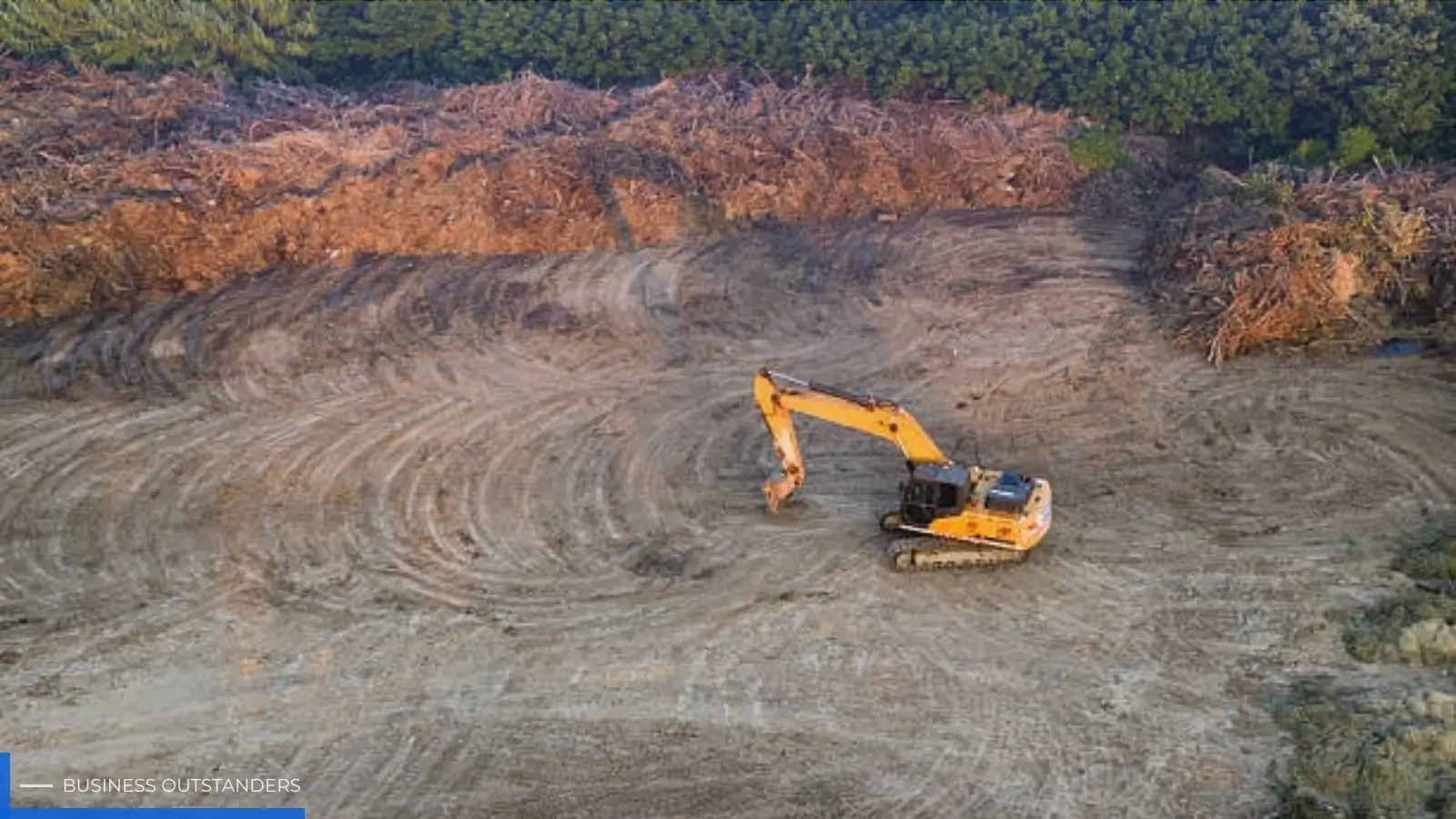
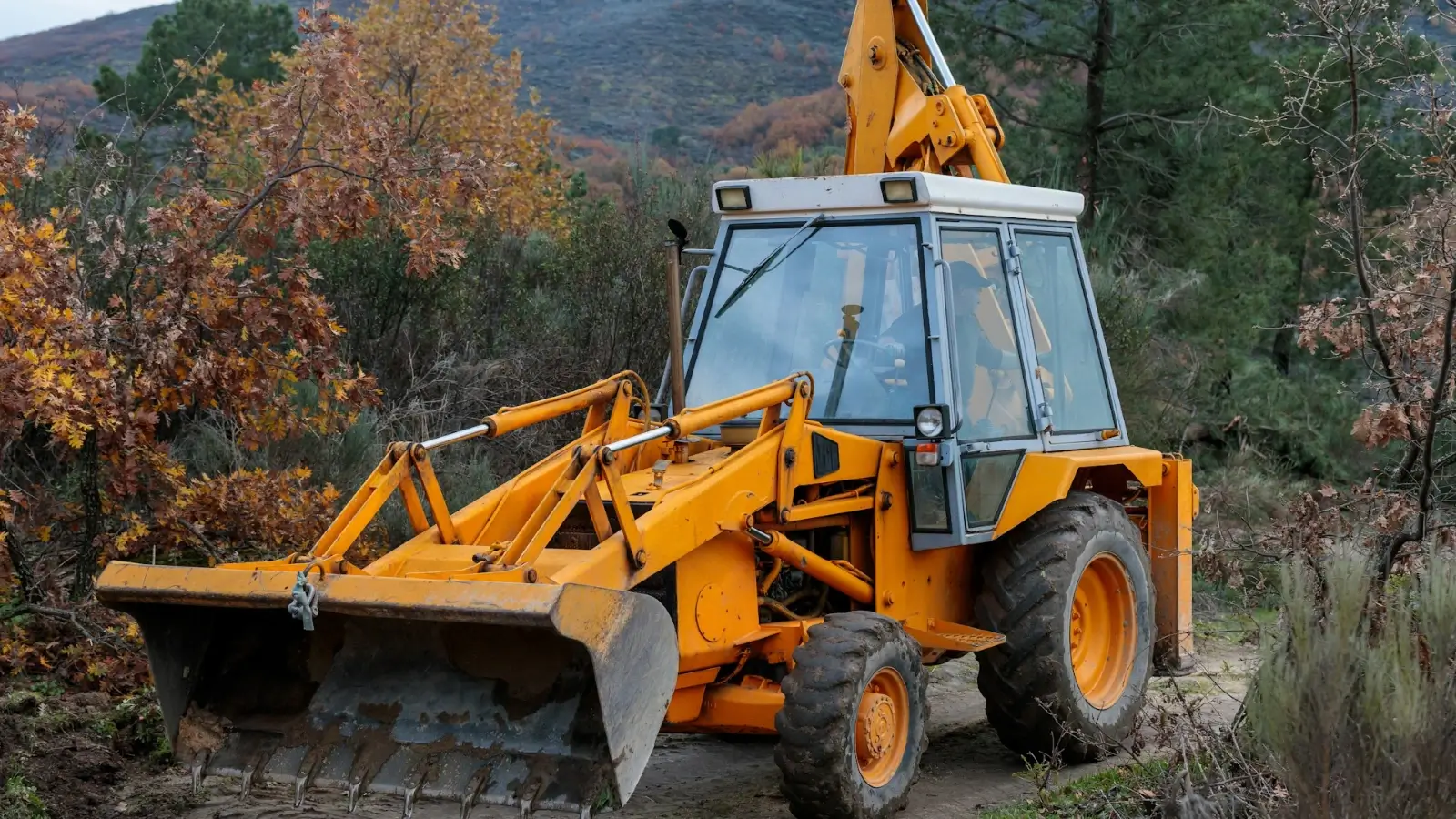
Mechanical land clearing is one of the most widely used methods for large-scale projects. This technique utilizes heavy machinery such as bulldozers, excavators, and brush cutters to remove vegetation quickly and effectively. Mechanical clearing allows operators to tackle dense forests, large trees, and rocky landscapes efficiently, significantly reducing the time and labor required compared to manual methods. However, mechanical land clearing requires trained operators to prevent soil compaction, erosion, and unnecessary environmental damage. The speed and power of machinery make this method ideal for construction projects, large-scale agriculture, and infrastructure development, but careful planning is necessary to avoid disrupting the natural balance of the area.
Manual Land Clearing
Manual land clearing, by contrast, relies on human labor using tools such as machetes, axes, saws, and chainsaws. While labor-intensive, manual clearing offers precise control over which vegetation is removed, making it suitable for delicate ecosystems, small plots, or areas where heavy machinery cannot access the terrain. This method is particularly beneficial when it is important to preserve certain native plants or maintain the aesthetic value of the land. Manual land clearing requires more time and effort, but it minimizes environmental disruption, allowing for a more selective approach that is aligned with sustainability goals.
Chemical Land Clearing
Chemical land clearing is often employed to manage invasive vegetation or prepare agricultural fields. This process uses herbicides or other chemicals to eliminate unwanted plant growth effectively. While chemical clearing can be highly efficient in controlling persistent weeds and invasive species, it requires strict adherence to safety and environmental guidelines to prevent contamination of soil, water, and non-target vegetation. Proper planning and expert knowledge are crucial when applying chemicals, as misuse can lead to long-term damage to the ecosystem and surrounding communities.
Controlled Burning
Controlled burning, also known as prescribed fire, is a traditional land clearing technique that involves intentionally setting fire to vegetation under regulated conditions. This method is often used in forestry and agricultural settings to remove underbrush, control pests, and improve soil fertility by returning nutrients to the ground. Controlled burning can be highly effective but must be carefully planned and supervised to prevent wildfires, air pollution, and unintended destruction. Regulatory compliance and safety protocols are mandatory when implementing this method, and experts must monitor environmental conditions, weather patterns, and fuel loads to ensure a successful and safe clearing process.
Benefits of Land Clearing
Agricultural Productivity
One of the primary benefits of land clearing is enhancing agricultural productivity. Cleared land allows farmers to cultivate crops efficiently by creating open, accessible, and fertile areas. Removing trees, shrubs, and underbrush improves sunlight penetration, enhances irrigation, and facilitates the use of modern farming techniques, resulting in increased crop yields and more effective land management.
Construction and Development
For construction projects, land clearing is critical to provide a level, stable foundation suitable for buildings, roads, and other infrastructure. Eliminating obstacles such as stumps, rocks, and dense vegetation ensures structural integrity, reduces potential construction hazards, and accelerates the development process. Proper land clearing also simplifies equipment movement and reduces logistical challenges.
Improved Accessibility and Pest Control
Land clearing improves accessibility, allowing for easier movement of vehicles, machinery, and personnel, which is particularly important for large projects or agricultural activities. Additionally, clearing overgrown areas can help reduce pest infestations and control invasive plant species, as removing potential habitats limits the proliferation of pests and weeds.
Environmental Considerations
Soil Health and Erosion Prevention
Land clearing exposes soil to wind, rain, and erosion. Without proper soil management, this can lead to nutrient depletion and long-term degradation. Implementing soil stabilization practices, such as cover crops, mulching, or erosion control mats, is essential to protect the land and maintain its fertility.
Biodiversity Protection
Removing vegetation can disrupt habitats and reduce biodiversity. Sustainable land clearing practices involve careful planning to preserve critical habitats, leaving buffer zones, and avoiding unnecessary removal of native vegetation. This approach helps maintain ecological balance while still achieving the project’s objectives.
Water Management and Compliance
Clearing land alters water flow patterns and can increase runoff, which may result in flooding or water pollution. Proper drainage systems and sediment control measures are essential to prevent these issues. Additionally, regulatory compliance is critical, as many regions require permits and environmental assessments to ensure that land clearing is conducted responsibly.
Best Practices for Sustainable Land Clearing
Sustainable land clearing combines strategic planning, method selection, and environmental protection measures. Conducting detailed site assessments before starting allows identification of obstacles and potential risks. Choosing the most suitable clearing method—mechanical, manual, chemical, or controlled burning—ensures efficiency and reduces ecological impact. Trained operators should handle machinery and chemical applications, while post-clearing rehabilitation, including replanting or soil stabilization, ensures long-term sustainability. Regular monitoring of cleared areas for signs of erosion, pests, or invasive species is also recommended to maintain the land’s health and productivity.
Conclusion
Land clearing is a foundational step in preparing land for agriculture, construction, or landscaping projects, and when performed responsibly, it transforms underutilized land into a productive and accessible resource. Understanding the techniques, benefits, and environmental considerations allows landowners and developers to implement clearing projects effectively while maintaining ecological balance. Proper land clearing enhances agricultural productivity, improves accessibility, facilitates construction, and helps control pests and invasive species, all while ensuring the long-term sustainability of the land. By integrating planning, careful execution, and environmental responsibility, land clearing can be conducted in a way that benefits both human activity and the natural environment.
Business Outstanders brings you sharp insights on tech, business, entrepreneurship, law, crypto, and more. We uncover what’s next. Stay updated, sign up for our newsletter and be part of the future!