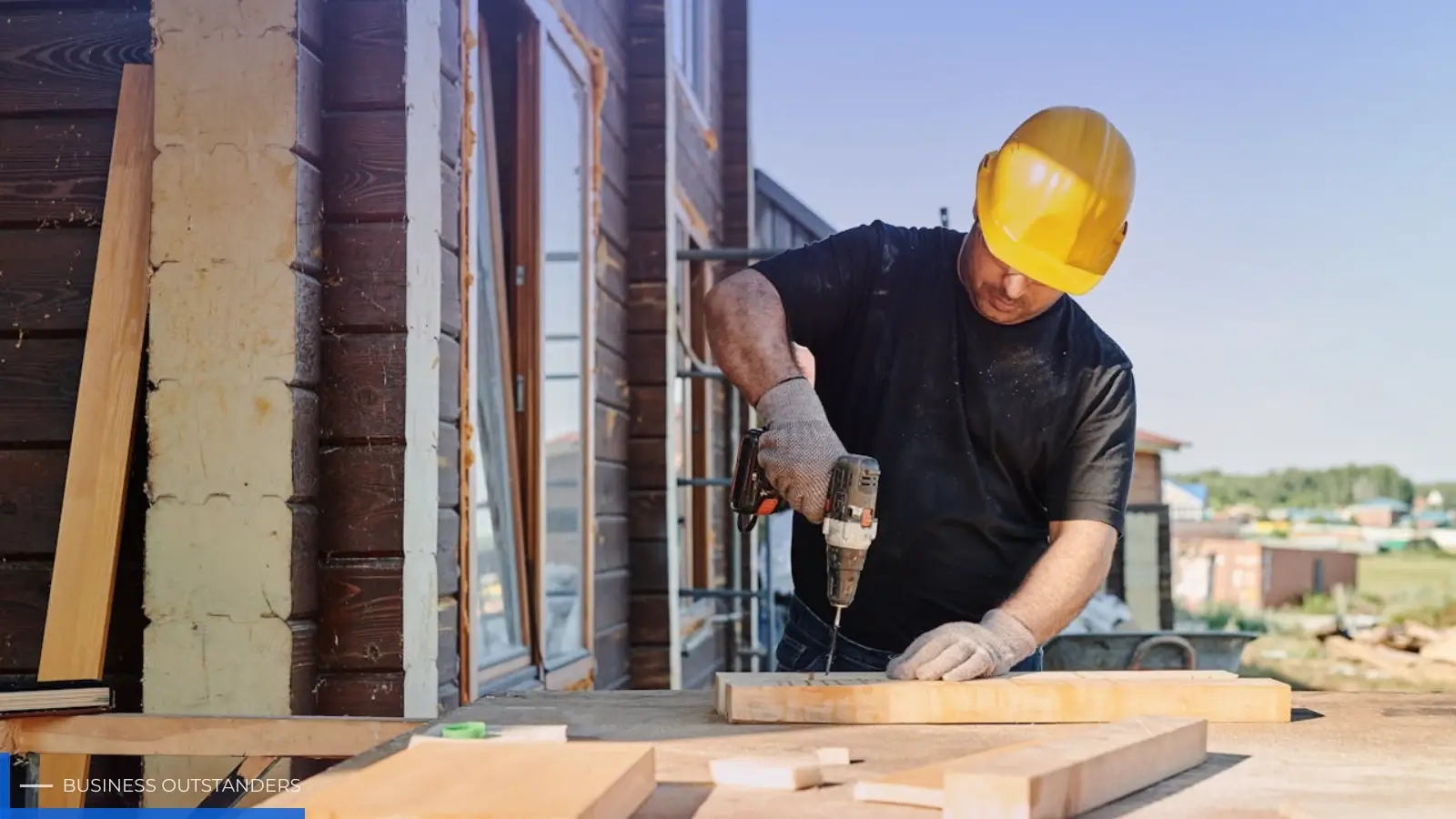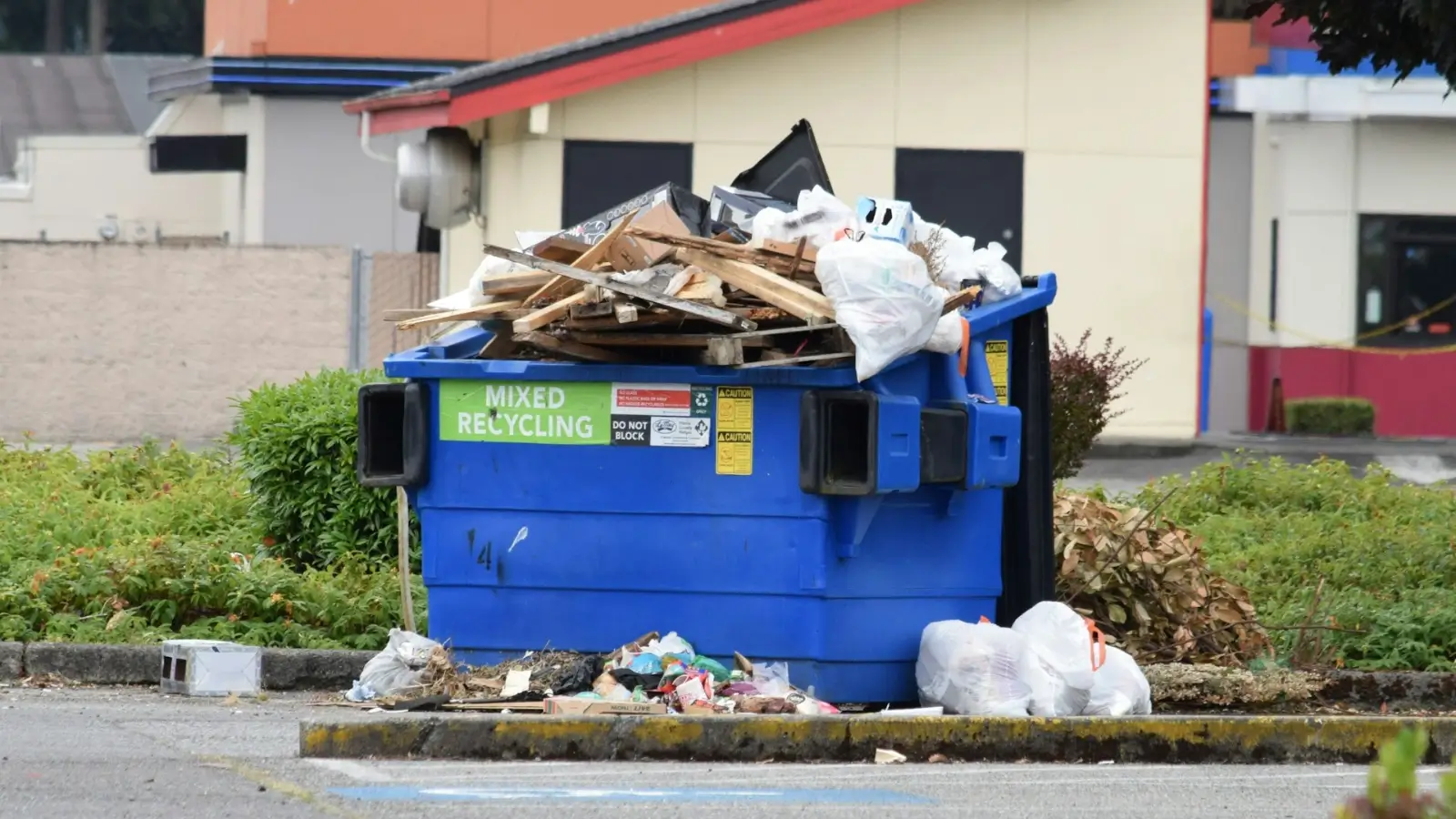
Every construction project, whether large or small, generates a significant amount of debris, discarded materials, and waste that must be managed properly. Without an organized disposal system, job sites quickly become cluttered, unsafe, and inefficient. A professional construction dumpster rental service offers a streamlined solution for handling waste generated from demolition, renovation, building, and cleanup activities. With the right dumpster on-site, contractors, builders, and property owners can maintain a clean, hazard-free environment and complete their projects more efficiently. Understanding the purpose, benefits, and best practices of construction dumpster rental is essential for maximizing productivity and ensuring compliance with environmental standards.
The Importance of Waste Management on Construction Sites
Construction sites are inherently busy environments filled with workers, equipment, tools, materials, and ongoing structural changes. Without proper waste management, debris accumulates quickly, blocking pathways, creating hazards, and slowing progress. Nails, broken wood, metal scraps, packaging, insulation, tiles, roofing materials, and other debris can cause injuries if not handled properly. A clean and organized workspace enhances safety, increases efficiency, and helps maintain regulatory compliance.
A construction dumpster rental provides a centralized place for disposing of waste, ensuring materials are collected promptly and not scattered across the site. This reduces the time workers spend cleaning or relocating debris, allowing them to focus on their actual tasks. It also helps minimize accidents and prevent costly delays associated with disorganized worksites.
Why Construction Dumpster Rental Is Essential
The convenience of having a dedicated dumpster on-site cannot be overstated. Instead of hauling debris to landfills manually or piling waste in a corner, contractors can dispose of materials immediately. This saves time, reduces labor costs, and supports a more streamlined workflow. Using a professional construction dumpster rental service ensures that waste is disposed of legally, responsibly, and in accordance with environmental regulations.
Construction projects often involve tight deadlines. A project may require demolition of old structures, installation of new materials, and ongoing cleanup. When waste disposal is handled efficiently, work can progress without interruption. This makes dumpster rental an essential component of well-managed construction operations.
Types of Dumpsters Used for Construction Projects
Construction dumpster rental companies offer several types of containers to accommodate different project needs. The most common option is the roll-off dumpster, which is delivered by truck, rolled into position, and removed when full. These dumpsters come in a range of sizes, making them suitable for projects of various scales.
Other options include compactors and specialty dumpsters for mixed materials or recyclables. Roll-off dumpsters remain the most common because they are easy to place, large enough to handle heavy loads, and versatile for a wide range of construction debris.
Understanding which type of dumpster is suitable for a project helps ensure efficiency and cost-effectiveness. Whether dealing with heavy demolition waste, roofing materials, or general construction debris, selecting the right dumpster reduces complications and makes waste management more manageable.
Common Sizes for Construction Dumpster Rentals
Choosing the correct dumpster size is essential because it affects both cost and convenience. Construction waste can accumulate quickly, and selecting a container that is too small may require multiple pickups, increasing expenses. On the other hand, choosing one that is too large may result in unnecessary costs.
Common construction dumpster sizes include:
-
10-yard dumpsters for minor renovation projects or small cleanouts.
-
20-yard dumpsters for medium-sized projects such as flooring removal, roofing work, or partial demolition.
-
30-yard dumpsters for large-scale construction, major remodeling, or significant debris removal.
-
40-yard dumpsters for the biggest projects, including full building demolition or large commercial construction.
Discussing the nature of the project with the rental company helps ensure the most appropriate size is selected.
What Can Be Disposed of in a Construction Dumpster?
Construction dumpsters can handle a wide range of materials, including:
-
Concrete, bricks, and asphalt
-
Wood, lumber, and pallets
-
Drywall and plaster
-
Roofing shingles and tar paper
-
Metal scraps and piping
-
Windows, doors, and frames
-
Flooring materials
-
Packaging, insulation, and general debris
These materials tend to accumulate rapidly during construction, making a dedicated disposal solution essential. However, certain items may be restricted due to safety and environmental regulations, including hazardous chemicals, oils, paints, solvents, and flammable materials. Following disposal guidelines ensures compliance and avoids additional fees.
The Construction Dumpster Rental Process
Renting a construction dumpster involves a straightforward series of steps designed for convenience and efficiency. The process typically begins with assessing the project’s waste disposal needs. Contractors determine how much debris the project will generate and how long the dumpster will be needed. Based on this assessment, the rental company recommends an appropriate size and explains the rules for use.
Once arrangements are made, the dumpster is delivered to the site. Placement is important because the dumpster must be located where it is accessible for loading and pickup while avoiding disruption to workflow. The area should be stable, level, and free of overhead obstacles. When the dumpster is delivered, workers can immediately begin filling it with debris throughout the project.
When the container becomes full or the project is complete, the rental company picks up the dumpster and responsibly disposes of the waste. Some companies even sort materials for recycling, reducing environmental impact. This simple yet effective process keeps construction sites clean and compliant.
Safety Benefits of Using Construction Dumpsters
Safety is a top priority on any construction site. Loose debris, exposed nails, broken materials, and scattered waste significantly increase the risk of accidents. A construction dumpster rental minimizes these hazards by offering a designated and secure place for waste. Workers can dispose of materials quickly, reducing clutter and preventing injuries.
By keeping the site clean, an organized waste management system also reduces fire hazards. Construction materials such as wood, insulation, and packaging can become fuel for accidental fires if left piled in open areas. Keeping waste collected in a sturdy container reduces this risk.
Environmental Considerations
Responsible waste management goes beyond simply collecting debris. Many construction projects produce recyclable materials such as concrete, metal, and lumber. Reputable dumpster rental companies sort waste appropriately, recycling materials wherever possible. This reduces landfill usage and contributes to environmentally responsible practices.
Construction dumpster rental also helps ensure compliance with local disposal regulations. Improper disposal can result in fines or legal issues, but professional services adhere to required guidelines. Knowing that waste is being handled correctly gives contractors peace of mind.
Cost Considerations and Budgeting
The cost of construction dumpster rental depends on factors such as dumpster size, rental duration, type of waste, and distance from disposal facilities. Larger dumpsters generally cost more, but they offer better value for projects generating heavy or high volumes of debris. Rental companies often offer flexible terms, allowing contractors to choose short-term or long-term rental periods based on project needs.
Understanding what materials are allowed, loading limits, and weight restrictions helps avoid additional fees. Proper planning and communication with the rental company ensure cost efficiency throughout the project.
Tips for Maximizing Efficiency with Construction Dumpsters
To make the most of a construction dumpster rental, contractors should follow a few best practices:
-
Plan the placement carefully to maximize accessibility.
-
Select the appropriate size to avoid overfilling or multiple rentals.
-
Break down large materials to save space.
-
Load debris evenly to maintain balance and safety.
-
Follow disposal guidelines to avoid fines or delays.
-
Schedule pickups and drop-offs in sync with project deadlines.
Efficient use of dumpsters keeps operations smooth, reduces downtime, and enhances job site safety.
Long-Term Value of Construction Dumpster Rentals
Construction projects often operate under tight schedules, and delays can be costly. A dependable waste disposal system plays a major role in maintaining progress. Clean work areas allow tradespeople to perform their tasks efficiently, resulting in faster project completion.
In addition, construction dumpster rental supports long-term property value by promoting responsible waste management practices. Whether it’s a new build, renovation, or demolition, using the right waste disposal system ensures the property remains safe, organized, and compliant throughout the entire process.
Conclusion: The Essential Role of Construction Dumpster Rental
Construction dumpster rental is an indispensable part of modern building, renovation, and demolition projects. By providing a reliable, convenient, and safe method for waste disposal, it enhances productivity, protects workers, and ensures compliance with environmental regulations. With options for every project size, flexible rental terms, and efficient pickup and disposal services, a professional construction dumpster rental solution makes managing construction waste simple and effective. Whether you are a homeowner tackling a renovation or a contractor working on a large commercial build, renting a dumpster ensures your project stays organized, safe, and on track from start to finish.
Business Outstanders brings you sharp insights on tech, business, entrepreneurship, law, crypto, and more. We uncover what’s next. Stay updated, sign up for our newsletter and be part of the future!