As environmental challenges intensify worldwide, industries and governments are under increasing pressure to better understand, monitor, and protect natural and built environments. Climate change, deforestation, coastal erosion, urban expansion, and natural disaster risks all demand accurate, scalable, and data-driven solutions. In this context, drone-based LiDAR technology has emerged as a powerful tool for generating precise, actionable insights where traditional methods fall short.
By combining airborne flexibility with advanced laser scanning capabilities, drone-mounted LiDAR systems are transforming how environmental data is collected, analyzed, and applied across a wide range of sectors.
What Is Drone-Based LiDAR?
LiDAR (Light Detection and Ranging) is a remote sensing technology that uses laser pulses to measure distances between a sensor and surrounding objects. By emitting thousands of laser pulses per second and recording their return times, LiDAR systems generate high-resolution, three-dimensional representations of terrain, vegetation, infrastructure, and other features.
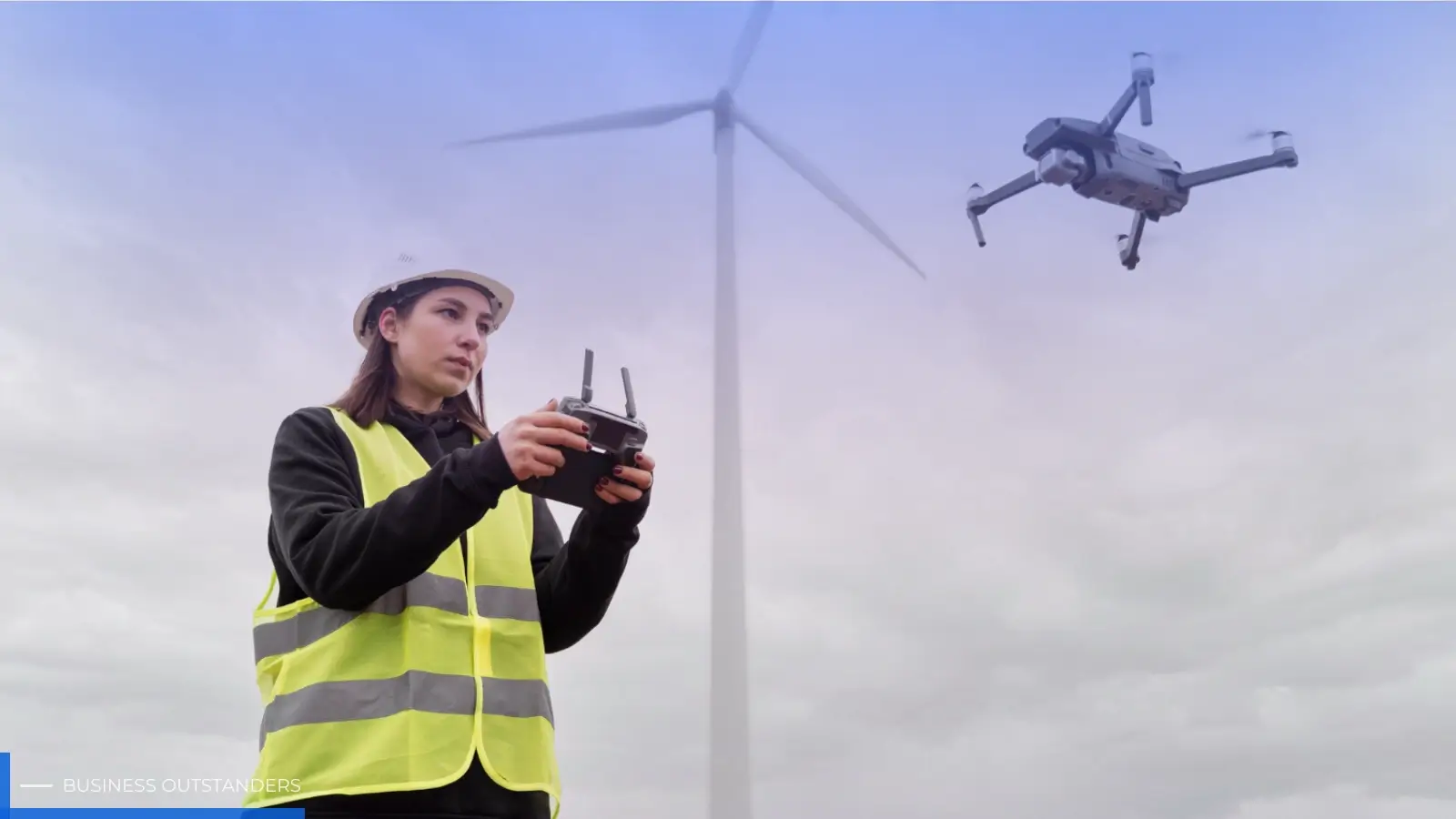
When mounted on drones, LiDAR offers a unique combination of accuracy, speed, and accessibility. Unlike satellite imagery, which may be obstructed by clouds or lack sufficient resolution, drone-based LiDAR can be deployed on demand and capture detailed data even in complex or remote environments. Compared to ground-based surveys, it significantly reduces time, cost, and safety risks.
Addressing Environmental Challenges with Precision Data
Environmental challenges are often complex, large-scale, and dynamic. Drone-based LiDAR helps address these challenges by providing reliable, repeatable, and high-resolution data that supports informed decision-making.
Mapping and Monitoring Natural Ecosystems
Forests, wetlands, and coastal areas play a crucial role in biodiversity and climate regulation, yet they are among the most vulnerable ecosystems. Drone-based LiDAR enables precise mapping of terrain and vegetation structure, even beneath dense canopies.
This allows environmental scientists and land managers to:
- Measure forest biomass and carbon stocks
- Monitor deforestation and reforestation efforts
- Analyze habitat structure for wildlife conservation
- Track changes in wetlands and floodplains over time
The ability of LiDAR to penetrate vegetation makes it especially valuable in ecosystems where optical imagery alone cannot provide sufficient detail.
Climate Change Adaptation and Risk Assessment
As climate-related risks increase, accurate terrain and elevation data is essential for predicting and mitigating impacts. Drone-based LiDAR is widely used to support:
- Flood risk modeling and watershed analysis
- Coastal erosion and sea-level rise monitoring
- Landslide and slope stability assessment
- Permafrost and glacier change detection
High-resolution elevation models generated by drones often using a long range drone with camera, allow planners and policymakers to simulate scenarios, identify vulnerable zones, and design more resilient infrastructure and land-use strategies.
Environmental Impact Assessment and Compliance
Infrastructure projects such as roads, pipelines, wind farms, or mining operations—require detailed environmental impact assessments before and after development. Drone-based LiDAR provides objective, verifiable data to support these evaluations.
By capturing baseline conditions and tracking changes over time, LiDAR helps ensure compliance with environmental regulations while minimizing ecological disruption. It also improves transparency and accountability in large-scale projects.
Industries and Markets Benefiting from Drone-Based LiDAR
The versatility of drone-based LiDAR makes it relevant across numerous industries facing environmental constraints and sustainability goals.
Energy and Utilities
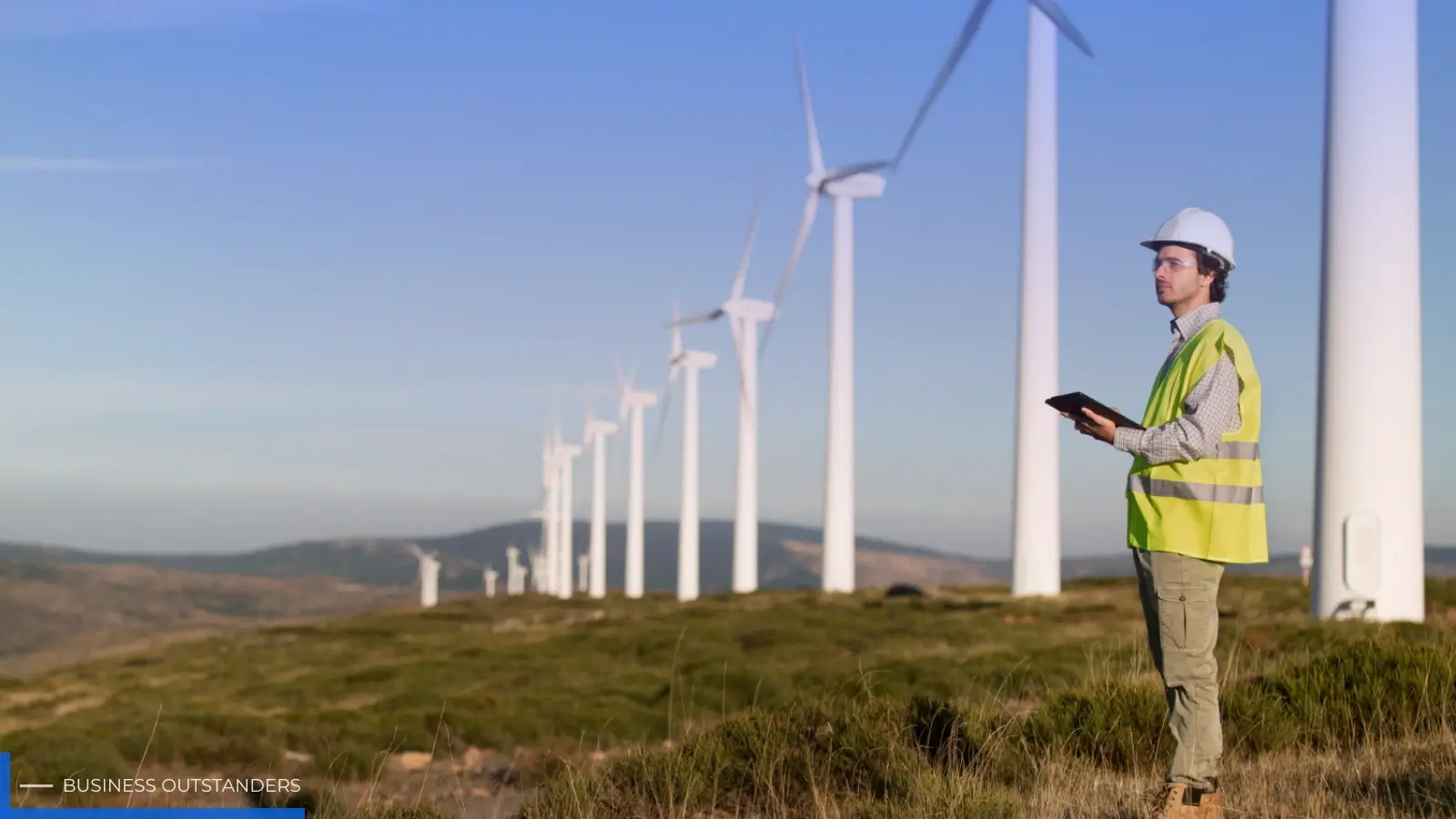
Renewable energy development relies heavily on precise terrain and vegetation data. In wind and solar projects, LiDAR supports site selection, grading design, and ongoing environmental monitoring. Utilities also use LiDAR to manage vegetation encroachment near power lines, reducing wildfire risks and improving grid reliability.
Agriculture and Land Management
Precision agriculture increasingly depends on advanced sensing technologies. LiDAR enables farmers and land managers to analyze micro-topography, drainage patterns, and soil erosion risks. Combined with other data sources, it supports sustainable land use and optimized resource management.
Mining and Natural Resources
In mining and quarrying, environmental responsibility is critical. Drone-based LiDAR assists with volumetric analysis, slope monitoring, reclamation planning, and environmental restoration tracking, helping companies balance productivity with sustainability.
Urban Planning and Smart Cities
As cities expand, managing environmental impact becomes more complex. LiDAR data supports green infrastructure planning, stormwater management, urban heat island analysis, and resilient city design. Drone-based solutions are particularly valuable for dense or rapidly changing urban environments.
Why LiDAR Sensors for Drones Are a Game Changer
At the heart of these applications are advanced LiDAR sensors for drones, which combine compact design, high accuracy, and seamless integration with modern UAV platforms. These sensors enable operators to collect professional-grade data without relying on large aircraft or costly ground surveys.
Key advantages include:
- High point density and centimeter-level accuracy
- Ability to capture data in challenging lighting or vegetation conditions
- Rapid deployment and flexible mission planning
- Reduced operational costs and environmental footprint
As sensor technology continues to evolve, drone-based LiDAR systems are becoming more accessible to smaller organizations, research teams, and local authorities, accelerating adoption across markets.
From Data to Actionable Insights
Collecting data is only the first step. The real value of drone-based LiDAR lies in its ability to inform decisions and drive action. When combined with advanced processing software, GIS platforms, and AI-driven analytics, LiDAR data becomes a foundation for predictive modeling and long-term environmental strategies.
This data-driven approach enables stakeholders to move from reactive responses to proactive planning, anticipating risks, optimizing resource use, and measuring the effectiveness of environmental initiatives over time.
The Future of Drone-Based LiDAR in Environmental Protection
As environmental challenges grow in scale and urgency, the demand for accurate, timely, and actionable data will only increase. Drone-based LiDAR is poised to play a central role in this transformation, bridging the gap between observation and action.
With continued innovation in sensors, drone platforms, and data processing, LiDAR technology will empower industries and governments to better understand complex environments, protect natural resources, and build a more resilient and sustainable future.
Business Outstanders brings you sharp insights on tech, business, entrepreneurship, law, crypto, and more. We uncover what’s next. Stay updated, sign up for our newsletter and be part of the future!