Equipment failure often starts quietly. A minor friction issue inside a gearbox or a slightly overheated electrical connection rarely sets off alarms until the damage is already severe. By the time a machine actually breaks down, repair costs and lost production time have multiplied. This is where predictive maintenance steps in. Instead of waiting for a machine to break, technicians monitor equipment health to predict and prevent failures.
Types of Imaging Technologies Used
Different types of faults require different methods of detection. Modern maintenance teams rely on several distinct imaging technologies to keep operations running smoothly.
Thermal Imaging
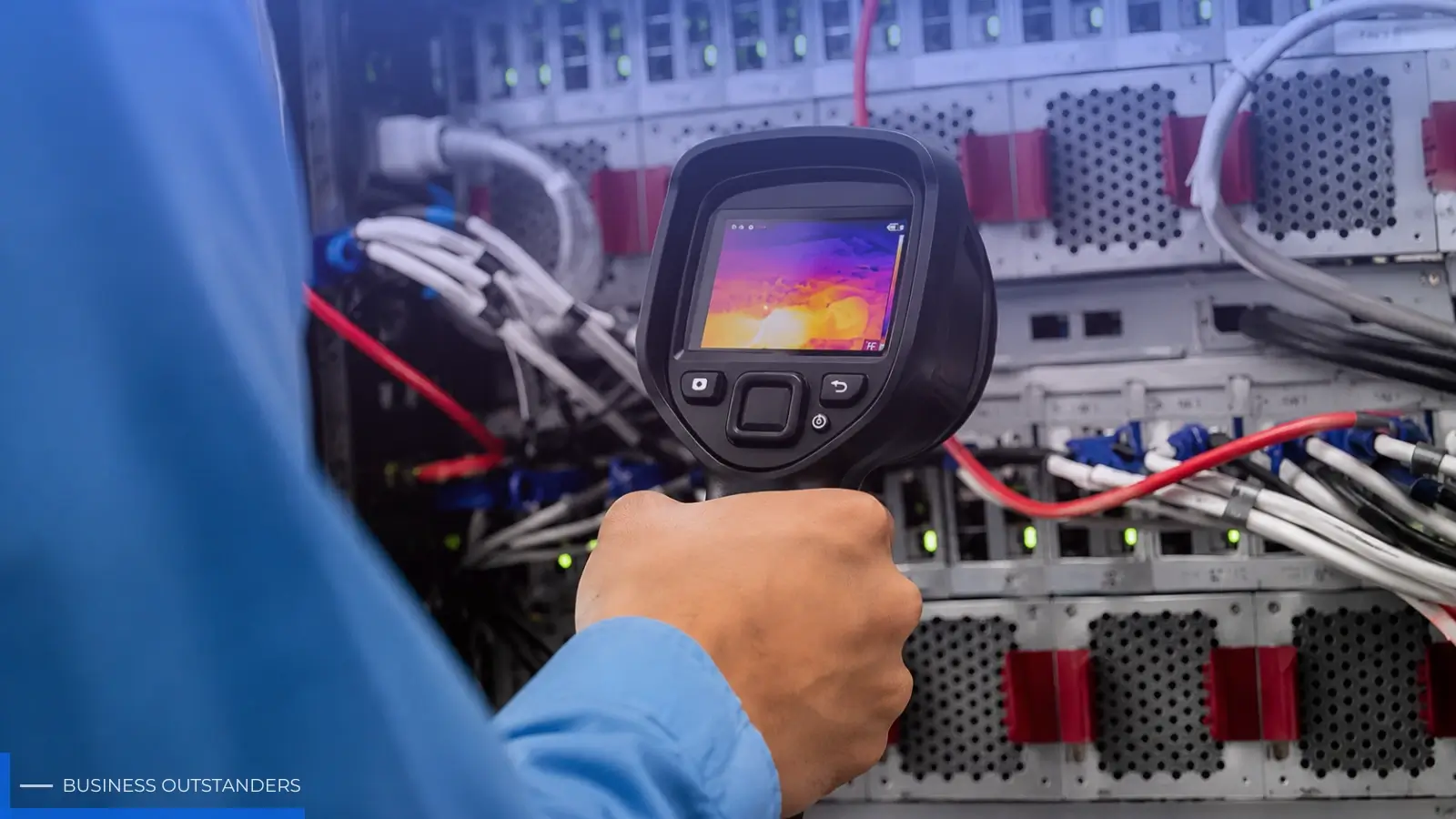
Thermal cameras capture the heat emitted by objects and translate it into a visible color map. Hotter areas might show up as bright red or white, while cooler areas appear blue or purple. This technology is incredibly useful for spotting mechanical friction. When a bearing starts to wear out, it generates excess heat long before it makes a noise or causes a total failure. Catching this early means a simple part replacement rather than a catastrophic breakdown.
Infrared Thermography
Closely related to thermal imaging, infrared thermography is heavily utilized for electrical inspections. Loose connections, overloaded circuits, and faulty fuses all produce specific heat signatures. An infrared camera can scan a massive electrical panel in seconds, instantly highlighting a problematic connection that might otherwise start a fire. Because this inspection happens from a safe distance while the system is fully powered, it poses zero risk to the operator and causes zero interruption to the facility.
X-Ray Imaging
While thermal and infrared cameras look at heat, X-ray imaging looks inside the materials themselves. This technology is essential for detecting internal flaws like voids, cracks, or corrosion in pipes and pressure vessels. Radiography provides a clear picture of the structural integrity of a component without requiring any destructive testing. Naturally, safety is a major consideration here. Facilities using these advanced systems must implement proper industrial X-ray shielding to protect workers from radiation exposure during the inspection process. When combined with predictive thermal management protocols, X-ray inspection forms a comprehensive diagnostic framework that addresses both surface-level heat anomalies and deeper structural vulnerabilities.
The Tangible Benefits of Imaging in Maintenance
Adopting imaging technology requires an initial investment in equipment and training. However, the operational benefits quickly offset these startup costs.
Drastically Reduced Downtime
Unexpected breakdowns bring production to a grinding halt. Every minute a machine sits idle, the company loses money. Imaging technologies allow teams to schedule repairs during planned outages rather than responding to emergency failures in the middle of a production run. You can order replacement parts ahead of time and coordinate labor efficiently.
Significant Cost Savings
Emergency repairs are expensive. They often require expedited shipping for parts, overtime pay for technicians, and the scrapping of ruined materials. Predictive maintenance eliminates many of these premium costs. Furthermore, catching a problem early usually means fixing a small component instead of replacing an entire machine. Extending the lifespan of your capital equipment yields massive long-term financial benefits.
Conclusion
The integration of artificial intelligence is currently pushing imaging technology to new heights. Machine learning algorithms can now analyze thermal and X-ray images in real-time, automatically flagging anomalies that a human eye might miss. As software becomes smarter, predictive maintenance will become even more precise.
Business Outstanders brings you sharp insights on tech, business, entrepreneurship, law, crypto, and more. We uncover what’s next. Stay updated, sign up for our newsletter and be part of the future!