Drone technology has rapidly evolved from a niche innovation into a practical business tool used across multiple industries. What once served primarily for aerial photography is now helping enterprises automate inspections, improve logistics, enhance security, and optimize operational efficiency.
As businesses continue investing in digital transformation, drones are becoming an essential component of modern enterprise infrastructure. Companies that adopt intelligent drone systems gain access to real-time operational insights, automation opportunities, and scalable data collection capabilities that support long-term growth. Businesses looking to accelerate this transformation often partner with providers offering drone software company expertise to build custom platforms tailored to specific operational and analytics needs. Companies like Wezom help enterprises develop scalable drone ecosystems that integrate seamlessly with existing business infrastructure while supporting long-term innovation and automation goals.
This shift explains why more organizations are viewing drone technology not simply as an experimental tool, but as a strategic business investment.
The Growing Business Demand for Drone Solutions
Modern enterprises face constant pressure to improve efficiency while reducing operational costs. Traditional methods of inspections, monitoring, and data collection often require significant manual labor, lengthy reporting cycles, and expensive equipment.
Drone systems solve many of these challenges by enabling faster, safer, and more accurate operations.
Businesses increasingly use drones for:
- Infrastructure inspections
- Asset monitoring
- Security surveillance
- Inventory management
- Construction progress tracking
- Environmental monitoring
- Agricultural analysis
- Emergency response operations
The ability to gather high-quality data in real time creates substantial business value across industries.
Companies adopting drone solutions can make faster decisions, identify operational risks earlier, and automate repetitive processes that previously consumed valuable resources.
Why Businesses Need More Than Basic Drone Applications
Although many off-the-shelf drone applications exist, enterprise operations often require far more advanced functionality than standard software can provide.
Generic solutions frequently create limitations such as:
- Restricted customization
- Poor scalability
- Limited integrations
- Security concerns
- Inefficient reporting systems
- Lack of automation capabilities
As businesses grow, these limitations become increasingly problematic.
For example, a logistics company may need drone software integrated directly with warehouse management systems and route optimization platforms. A construction enterprise may require AI-powered analytics for project monitoring and automated reporting for stakeholders.
Standard applications rarely support such complex operational requirements effectively.
This is why many enterprises partner with a drone software company to develop tailored solutions aligned with their internal workflows, compliance standards, and long-term business goals.
How Drone Technology Supports Digital Transformation
Digital transformation is no longer limited to cloud migration and software modernization. Businesses are now integrating intelligent hardware systems into daily operations to improve visibility, automation, and decision-making.
Drone technology plays a major role in this transition by enabling:
1. Real-Time Operational Visibility
Drones provide businesses with immediate access to operational data from remote or hard-to-reach environments.
This improves:
- Infrastructure monitoring
- Project management
- Facility oversight
- Risk detection
- Incident response
Decision-makers can access live information without waiting for manual inspections or delayed reporting processes.
2. Workflow Automation
Modern enterprises prioritize automation to reduce costs and improve efficiency.
Drone systems can automate:
- Routine inspections
- Data collection
- Image analysis
- Mapping operations
- Reporting workflows
- Maintenance scheduling
Automation minimizes human error while accelerating operational processes.
3. AI-Driven Business Intelligence
The combination of drones and artificial intelligence creates powerful analytics capabilities.
AI-powered drone platforms can identify:
- Structural damage
- Equipment failures
- Security threats
- Inventory discrepancies
- Environmental risks
These insights help businesses make proactive decisions rather than reacting to problems after they escalate.
Industries Driving Enterprise Drone Adoption
Drone technology is expanding rapidly because it addresses operational challenges across a wide range of industries.
1. Construction and Real Estate
Drones in construction companies help to monitor project progress, improve site safety, and optimize resource allocation.
Drone-generated mapping and analytics help teams:
- Track deadlines
- Identify delays
- Improve communication
- Reduce costly mistakes
- Enhance project transparency
2. Logistics and Supply Chain Management
Supply chain operators increasingly use drones to streamline warehouse operations and improve delivery efficiency.
Drone systems support:
- Inventory tracking
- Route optimization
- Facility inspections
- Delivery monitoring
- Asset management
As global supply chains become more complex, operational visibility becomes increasingly valuable.
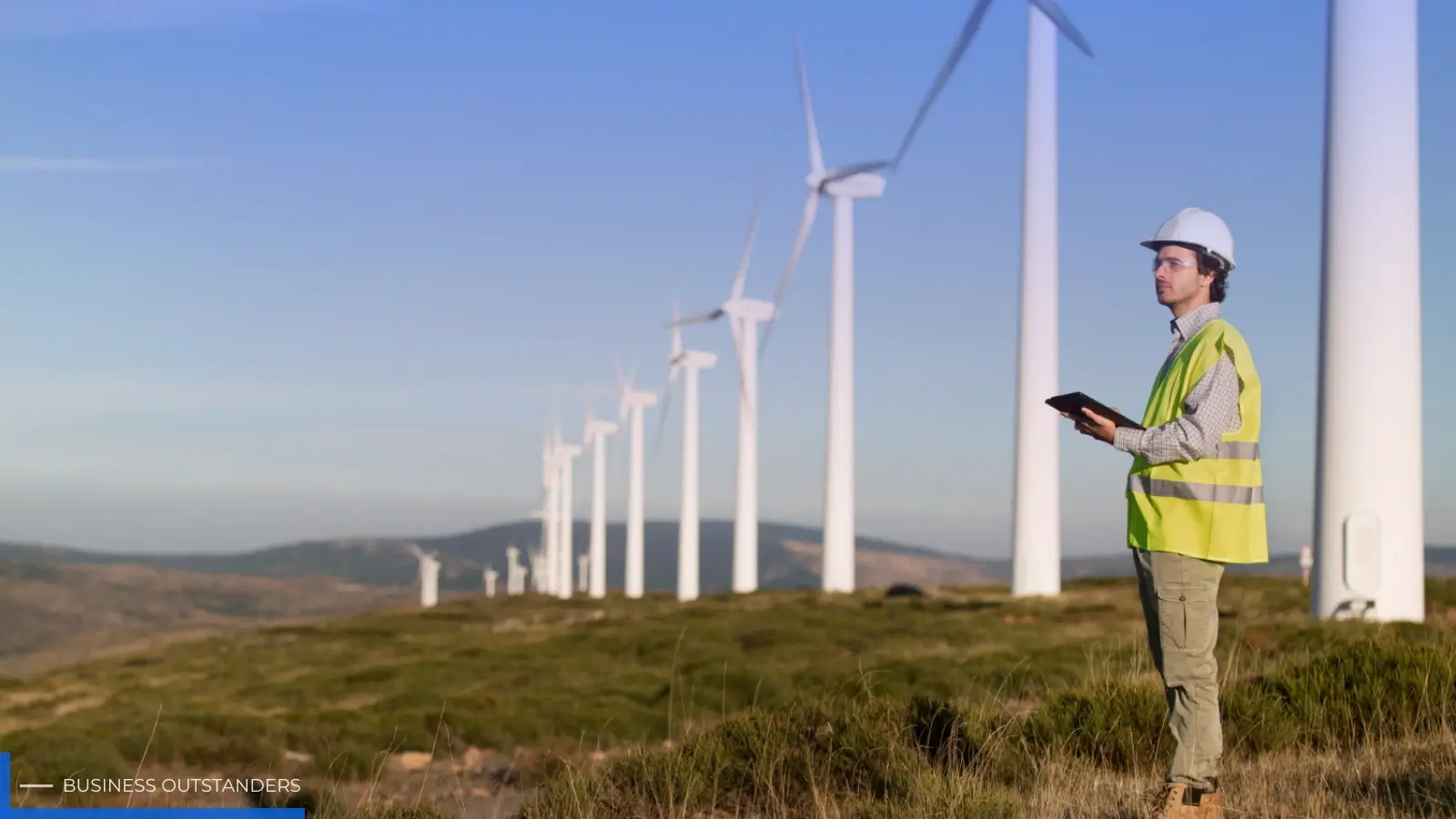
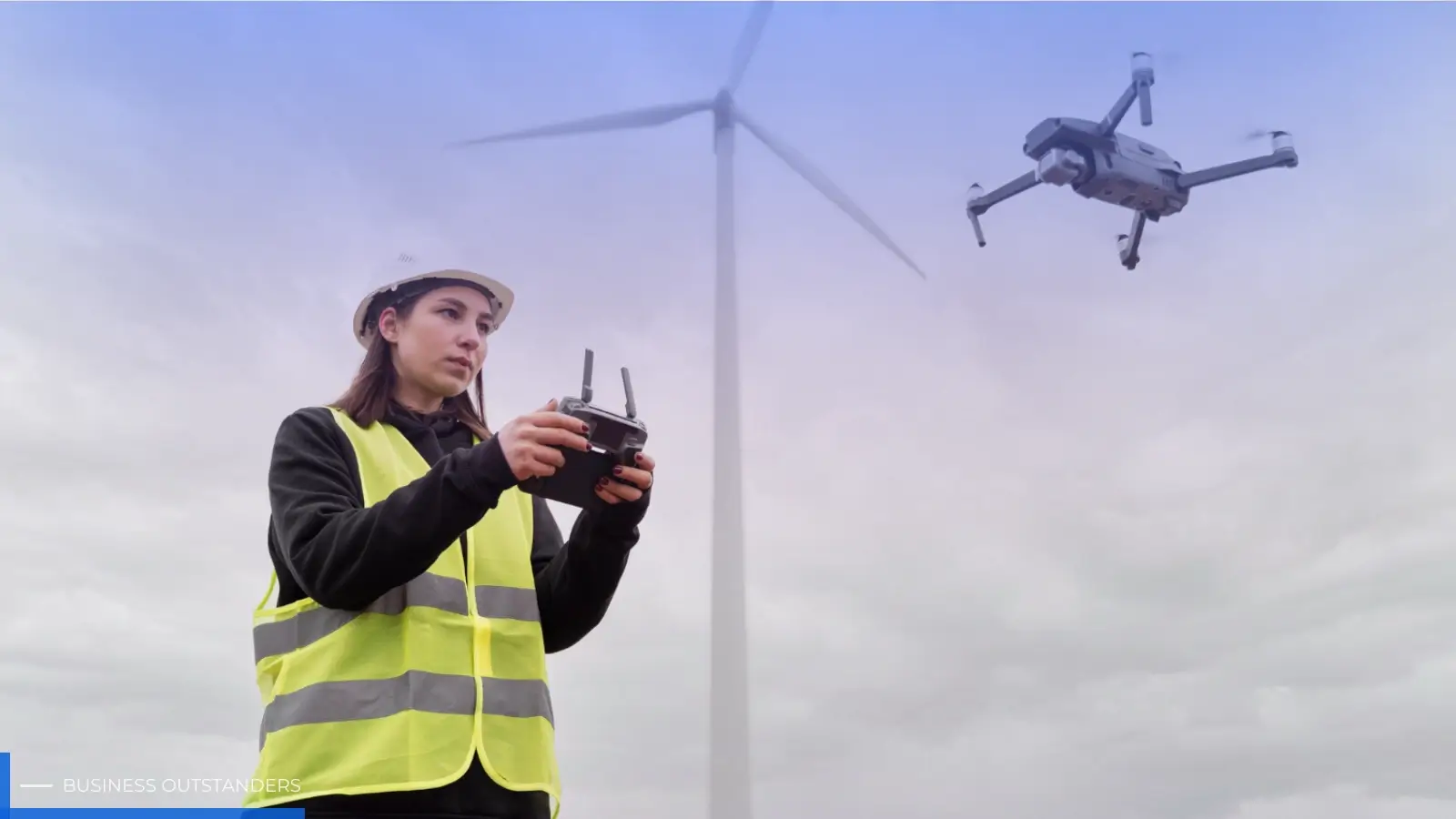
3. Energy and Utilities
Energy providers use drones to inspect critical infrastructure such as:
- Power lines
- Pipelines
- Wind farms
- Solar installations
- Industrial facilities
Drone inspections reduce downtime and improve worker safety by minimizing exposure to hazardous environments.
4. Agriculture
Agricultural businesses use drones for crop monitoring, irrigation analysis, and precision farming.
Real-time aerial data allows farmers to optimize:
- Fertilizer usage
- Water consumption
- Pest management
- Crop forecasting
This improves productivity while reducing operational waste.
Security and Compliance Considerations
As drone adoption increases, businesses must address concerns related to security, privacy, and regulatory compliance.
Enterprises handling sensitive operational or customer information require software environments that support:
- Secure data storage
- Access management
- Encryption standards
- Compliance reporting
- Audit tracking
Ready-made drone applications may not provide sufficient control over infrastructure or data ownership.
Custom enterprise platforms offer greater flexibility and allow organizations to implement security policies aligned with industry-specific regulations.
For businesses operating in finance, logistics, infrastructure, or government-related sectors, compliance capabilities are often a critical requirement rather than an optional feature.
The Business Value of Custom Drone Ecosystems
Many organizations initially underestimate the complexity of scaling drone operations across enterprise environments.
As operational demands grow, businesses often require:
- Multi-user access management
- Advanced analytics
- Cross-platform integrations
- Scalable cloud infrastructure
- Automated reporting systems
- AI-powered data processing
Custom platforms allow organizations to build drone ecosystems that evolve alongside business growth.
Instead of adapting internal operations to rigid software limitations, companies can create solutions designed specifically around operational goals and industry challenges.
Businesses seeking scalable automation and enterprise-level operational intelligence increasingly rely on providers offering drone software company expertise to develop tailored systems that integrate seamlessly with broader digital infrastructure.
Companies such as Wezom help enterprises create flexible drone platforms that support automation, analytics, and long-term digital transformation strategies without sacrificing scalability or security.
Common Challenges Businesses Face During Drone Adoption
Although drone technology offers significant advantages, implementation challenges can slow adoption if businesses fail to plan effectively.
1. Integration Complexity
Drone platforms must often connect with existing enterprise systems such as ERP, CRM, or cloud environments.
Poor integration creates operational silos and reduces the value of collected data.
2. Data Management
Large-scale drone operations generate substantial amounts of visual and sensor-based information.
Businesses need scalable infrastructure capable of storing, processing, and analyzing this data efficiently.
3. Regulatory Requirements
Drone usage regulations vary across industries and regions.
Organizations must ensure operational compliance while maintaining data privacy and safety standards.
4. Scalability Limitations
Some businesses adopt low-cost solutions that cannot support future operational growth.
This frequently results in expensive software migrations later.
Planning for scalability from the beginning helps organizations avoid unnecessary technical debt.
The Future of Drone Technology in Business
Drone adoption will continue accelerating as businesses invest more heavily in automation, AI, and real-time operational intelligence.
Several trends are shaping the future of enterprise drone ecosystems:
- AI-powered autonomous navigation
- Edge computing for real-time processing
- Predictive maintenance systems
- Integration with IoT infrastructure
- Advanced geospatial analytics
- Cloud-native drone management platforms
As these technologies mature, drones will become increasingly integrated into broader enterprise ecosystems rather than functioning as standalone tools.
Businesses that invest early in scalable, intelligent platforms will be better positioned to adapt to future operational and technological demands.
Conclusion
Drone technology is rapidly becoming a strategic business asset rather than a specialized operational tool. Enterprises across logistics, construction, energy, agriculture, and infrastructure management are using drones to improve efficiency, automate workflows, and gain deeper operational visibility.
While basic drone applications may support small-scale projects, modern businesses increasingly require scalable platforms capable of integrating with larger digital ecosystems. Custom solutions provide greater flexibility, stronger security, advanced analytics, and long-term operational value.
As competition increases and digital transformation accelerates, companies investing in intelligent drone systems are positioning themselves for greater efficiency, stronger decision-making, and sustainable business growth.
Business Outstanders brings you sharp insights on tech, business, entrepreneurship, law, crypto, and more. We uncover what’s next. Stay updated, sign up for our newsletter and be part of the future!