Outdoor information signs have become an essential communication tool for businesses, municipalities, transport departments, campuses, and public facilities. People rely on quick, clear updates the moment they glance at a signboard whether it is the current temperature outside, a traffic alert up ahead, or a message from a local authority. As cities grow and customer expectations rise, reliable signage systems help maintain order, reduce confusion, and keep daily operations running smoothly.
Among the many options available today, electronic displays have gained strong attention due to their durability, visibility, and ability to share information in real time.
This article explores why organizations choose these systems, how each type works, and what advantages they offer when used in public or commercial spaces.
The Value of Clear Time and Temperature Updates
Most people appreciate seeing the local time and temperature while walking through a shopping area, driving along a busy road, or entering a corporate site. These simple pieces of information help build trust with the audience. A well-made display delivers high visibility throughout the day, even under bright sunlight or at night.
One of the most dependable solutions in this space is the Comsight digital time and temperature display. These signs are known for consistent performance, sharp visibility, and long-term durability. They usually come with adjustable brightness, weather-resistant housing, and stable calibration, which helps ensure that the readings remain accurate in different environments.
In addition, a digital time-and-temperature sign supports branding indirectly. When a viewer sees accurate, easy-to-read information, they experience the organization as stable and well-managed. It is a subtle, effective way to improve public perception through everyday communication.
Why Variable Message Signs Continue to Grow in Use
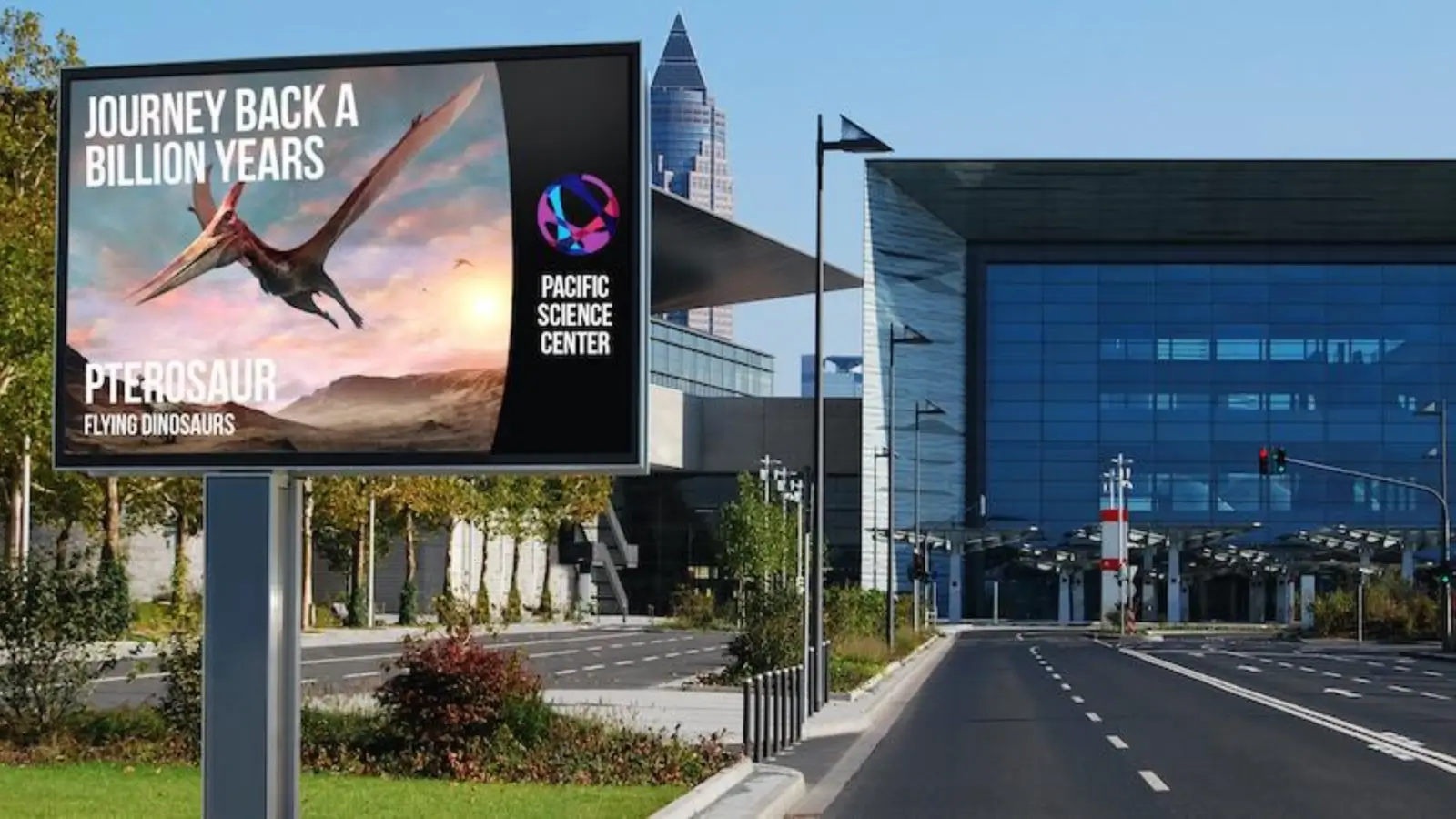
While time-and-temperature displays serve a focused purpose, variable message signs allow far more flexibility. These electronic signs can update their content instantly, which makes them valuable for traffic control, safety alerts, event guidance, parking instructions, and general public information.
Organizations choose VMS systems because they can communicate multiple types of updates without installing separate signboards. A single device can display warnings, directions, announcements, or emergency notices based on current conditions.
For a detailed view of this category, readers can explore the benefits of variable message signs.
These systems are popular among transport departments, city planners, and utility companies seeking to improve public awareness while reducing long-term maintenance costs.
VMS boards are built with robust LED modules, weatherproof enclosures, and control systems that allow staff to change messages remotely. This reduces response time in urgent situations and minimizes the need for physical adjustments on-site. When conditions shift such as road closures, construction updates, or severe weather these signs help direct traffic efficiently and keep people informed.
Comparing Both Options in Real-World Use
Although both sign types are useful, they serve different communication needs. Choosing the right one depends on the setting, audience, and operational goals.
Digital Time and Temperature Displays Are Best For:
-
Businesses aiming to attract passing attention
-
Community centers, schools, and parks that want to offer simple updates
-
Weather-sensitive environments where temperature data matters
-
Locations where consistent visibility is important
-
Facilities seeking low-maintenance displays with long service life
These signs require minimal content changes, and their clean, straightforward layout makes them easy for people to interpret instantly.
Variable Message Signs Are Ideal For:
-
Traffic guidance and road management
-
Parking lots, transport hubs, and event venues
-
Government or municipal agencies handling public alerts
-
Worksites that require frequent message changes
-
Any place where instructions vary throughout the day
The ability to change messages at any time gives organizations more control over communication, which becomes especially valuable during emergencies or high-traffic situations.
How Organizations Use Both Systems Together
Many locations benefit from combining both technologies. For example, a university might use time-and-temperature displays at main entrances while installing VMS boards near parking areas or event locations. A shopping district may place digital temperature signs on walkways and use VMS boards near road intersections for parking guidance.
This approach allows each sign to serve its strongest purpose. People immediately understand the difference: one offers stable, predictable information, while the other offers directions or alerts that may change throughout the day.
The combination improves communication flow and helps ensure that individuals receive the right information at the right moment.
Installation and Maintenance Considerations
Regardless of which sign type an organization chooses, certain technical factors should be considered:
1. Brightness Control:
Outdoor signs must remain visible under various lighting conditions. Automatic brightness adjustment helps maintain clarity without wasting energy.
2. Weather Resistance:
Rain, snow, heat, and dust can damage lower-quality displays. Choosing signs with a strong enclosure and proven durability reduces long-term problems.
3. Viewing Distance and Angle:
The size and pixel pitch of the display should match the distance from which viewers will see it. Roadside signs need larger characters than those used near a storefront.
4. Power and Connectivity:
Reliable wiring, stable voltage, and strong communication modules ensure the sign functions correctly. VMS boards, in particular, require secure remote-update capability.
5. Consistent Calibration:
Time-and-temperature displays must remain accurate. Regular internal checks keep the readings correct.
Proper installation not only improves performance but also extends the lifespan of the sign, which protects the organization’s investment.
Conclusion
Outdoor signage plays a key role in how businesses and public authorities communicate with their audience. Whether the goal is to share basic information such as time and temperature or to provide dynamic updates through variable message signs, these systems help create a smoother, clearer environment for everyone.
The Comsight digital time and temperature display offers a dependable, long-lasting option for locations that need simple, constant updates. Meanwhile, the documented benefits of variable message signs highlight why organizations rely on VMS boards for flexible messaging and quick response capability.
When used in the right context, both options support effective communication, increase visibility, and help maintain steady information flow in busy or public settings.
Business Outstanders brings you sharp insights on tech, business, entrepreneurship, law, crypto, and more. We uncover what’s next. Stay updated, sign up for our newsletter and be part of the future!