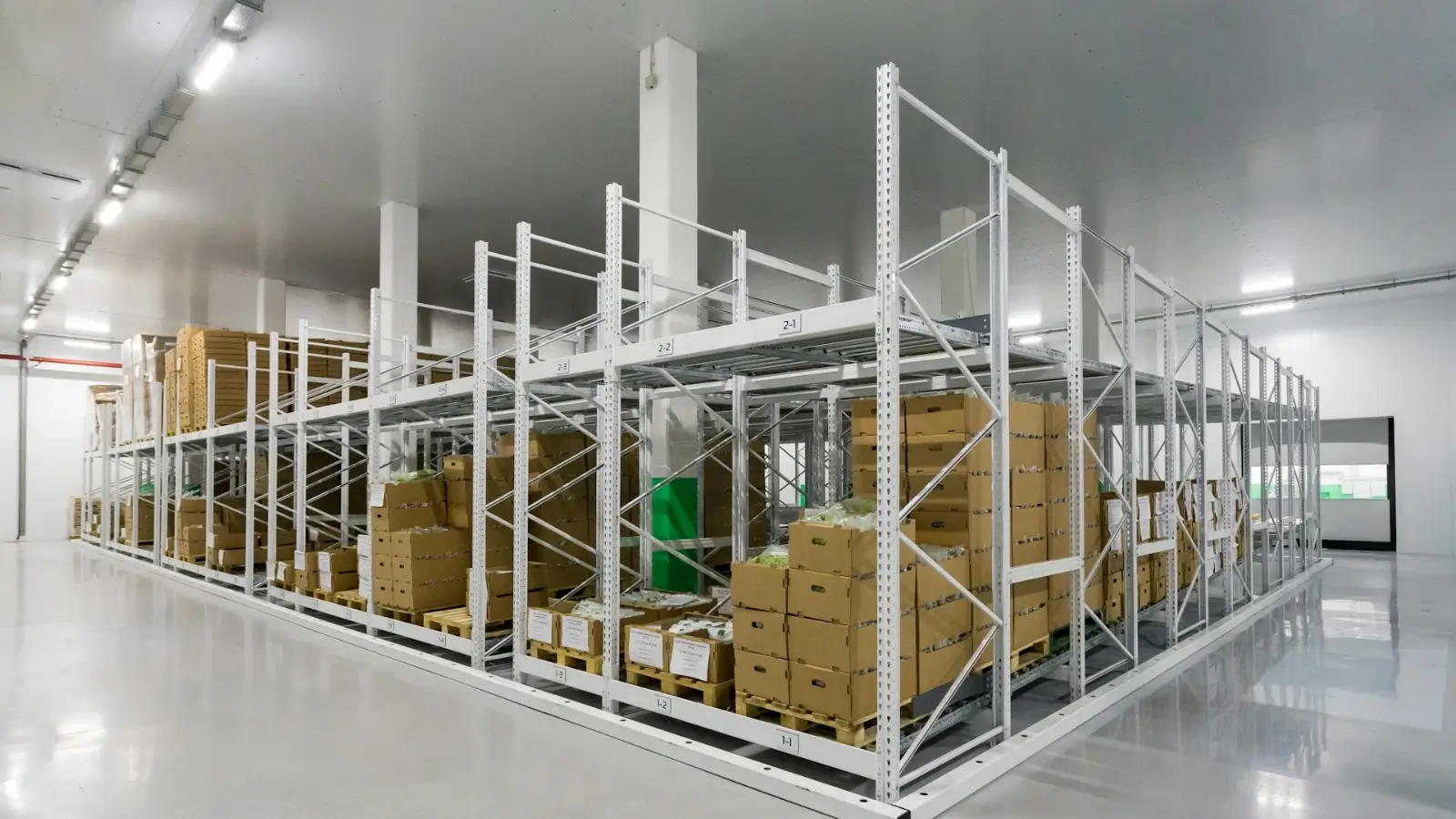
Logistics operations work on very tight margins where small improvements add up and create significant competitive advantages. For distribution centres, third-party logistics providers, and freight companies throughout Australia, their equipment choices have a direct impact on operational costs and service quality. Stillage systems designed with stackable or collapsible features address critical pain points in goods movement and return logistics.
The Hidden Costs of Traditional Freight Packaging
Australian logistics are dominated by disposable wooden pallets and single-use crates, which at face value seem to be economical. However, the reality is much more costly when one considers their full lifecycle impact.
The pallets also continuously need to be replaced as they crack, splinter, and deteriorate under normal use. Distribution centres keep huge inventories of replacement units, tying up valuable capital and warehouse space. Disposal creates additional costs and environmental concerns as the number of damaged pallets grows.
Single-use crates result in ongoing costs due to repurchasing and contribute to active waste streams. Companies pay repeatedly for the same functional need of containing and moving goods without building any lasting asset value.
Beyond direct costs, these traditional methods create operational friction: inconsistent pallet quality means forklift operators have to position the loads carefully; units that have been damaged take time for inspection and sorting; stacks of broken equipment build up in loading docks awaiting disposal.
Stackable Stillage: Maximizing Vertical Transport Capacity
Stackable stillage revolutionises how space is utilised in logistics operations. The designed stacking ability provides for safe vertical loading not achievable with a standard pallet safely.
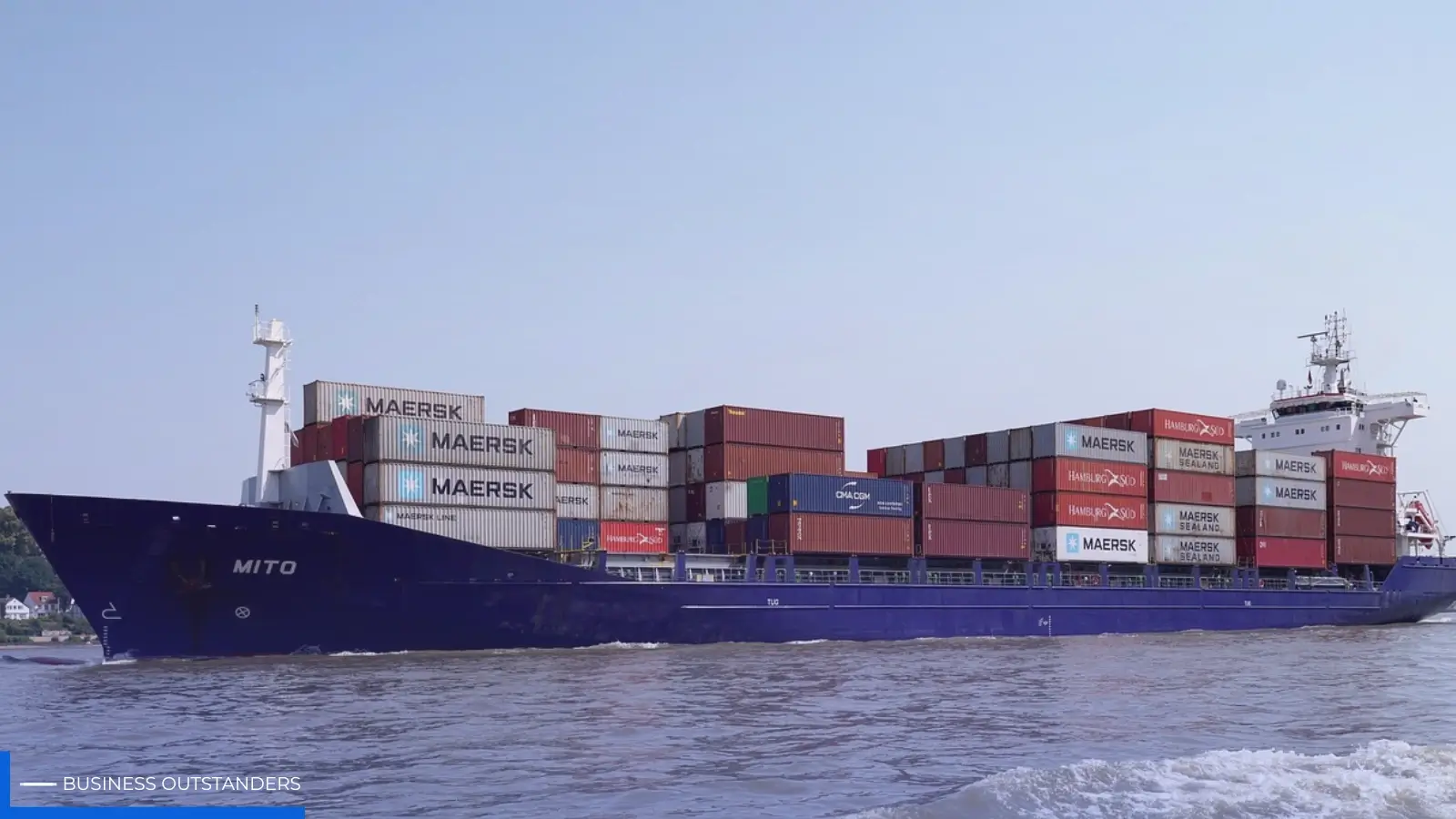
Freight companies loading trucks or containers achieve immediate capacity benefits: where standard pallets might stack two or three high with stability concerns, the purpose-built stackable stillage safely reaches four or five units high. This vertical efficiency directly translates into reduced freight movements, fewer vehicles required, and lower fuel consumption per delivered item.
The design ensures that the top units are securely seated on the lower ones, due to integrated stacking posts or corner supports. This removes the potential instability caused by attempting to stack standard pallets beyond safe limits. Drivers have confidence that their loads, in properly loaded stackable stillage, will stay secure during transport.
Distribution centres benefit equally from vertical storage efficiency. Whether you use the warehouse floor space efficiently or waste it, it costs money. Stackable designs multiply your effective storage capacity within the same footprint, delaying or eliminating expensive facility expansions.
The safety improvements transcend considerations of cost. Stable stacks reduce the possibility of shifting at time of transportation and also prevent collapse incidents at storage sites. Workers who have to move between tall stacks do so with assurance that properly loaded stackable stillage maintains integrity.
Collapsible Stillage: The Solution to the Empty Return Problem
Return logistics is a significant cost centre for many Australian logistics operations. Shipping empty containers back to their origin points uses fuel, vehicle capacity, and handling time, yet generates zero revenue.
Collapsible stillage addresses this problem with ingenious mechanical design. When empty, these units fold down to roughly one-quarter of their full height. A truck that carried twenty full stillages can return with eighty collapsed units occupying the same space.
The mathematics work decisively in favour of collapsible designs for operations with consistent return flows. Consider a distribution network delivering goods to regional centres then returning containers to a central hub. Standard fixed stillage requires the same transport capacity whether full or empty. Collapsible units slash return transport costs by 75 percent or more.
Collapsible stillage frees up floor space in warehouses when units are not in active use. Facilities can collapse units and stack them compactly in small footprints rather than devoting large areas to storing empty containers. This flexibility proves particularly valuable for operations with seasonal volume fluctuations.
The folding mechanism adds some upfront cost and requires occasional maintenance, but the operational savings usually justify the investment within the first year for companies that deal with regular returns of containers. The longer the return distance, the faster the payback period.
Improvements in Operational Speed
Loading and unloading times directly impact logistics productivity. Third-party logistics providers measure throughput in movements per hour and equipment that speeds handling creates measurable value.
Standardized stillage dimensions mean forklift operators know exactly what they are handling, without needing to assess every individual load for stability or adjust approach angles depending on the container type. This consistency allows faster, more confident operation.
The robust construction means drivers don't waste time inspecting containers before loading. Unlike wooden pallets, which often need to be checked for broken boards or protruding nails, quality stillage maintains consistent condition throughout its service life, meaning operators simply lift and place without preliminary assessment.
Features for securing containment reduce time spent strapping or wrapping loads. Materials remain in the stillage structure during transport without supplemental securing. This speed advantage multiplies with hundreds of loading operations daily.
Sustainability and Waste Reduction
Environmental concerns are increasingly driving logistics decisions as businesses respond to customer expectations and regulatory pressures. Reusable stillage systems deliver clear sustainability advantages over disposable alternatives.
A single quality stillage replaces hundreds of disposable crates over its operational lifetime. This reduction in material consumption and waste generation provides quantifiable environmental benefits. Equipment choices that also enhance operational efficiency can show companies real progress toward sustainability targets.
No more constant repurchasing means fewer packaging materials enter the waste stream. Distribution centres no longer need to deal with ongoing disposal of broken pallets and worn-out crates. This simplification reduces labour while supporting environmental goals.
Return logistics enabled by collapsible designs create closed-loop systems where containers constantly circulate rather than accumulate as waste. The concept appeals to circular economy principles that a growing number of forward-thinking logistics operations are embracing.
Making the Business Case
Logistics companies considering stillage adoption should determine the total cost of ownership rather than making decisions based solely on purchase price. Any analysis must consider a number of factors.
Transportation efficiency gains have tangible returns. Calculate current costs for the movement of goods and empty containers, then model the savings from increased loading density and reduced return transport volume. Even conservative estimates typically show substantial annual savings.
Handling time reductions affect both labour costs and throughput capacity. If stillage can speed up loading operations by a mere ten minutes per truck, multiply those savings across daily vehicle movements to understand the annual impact.
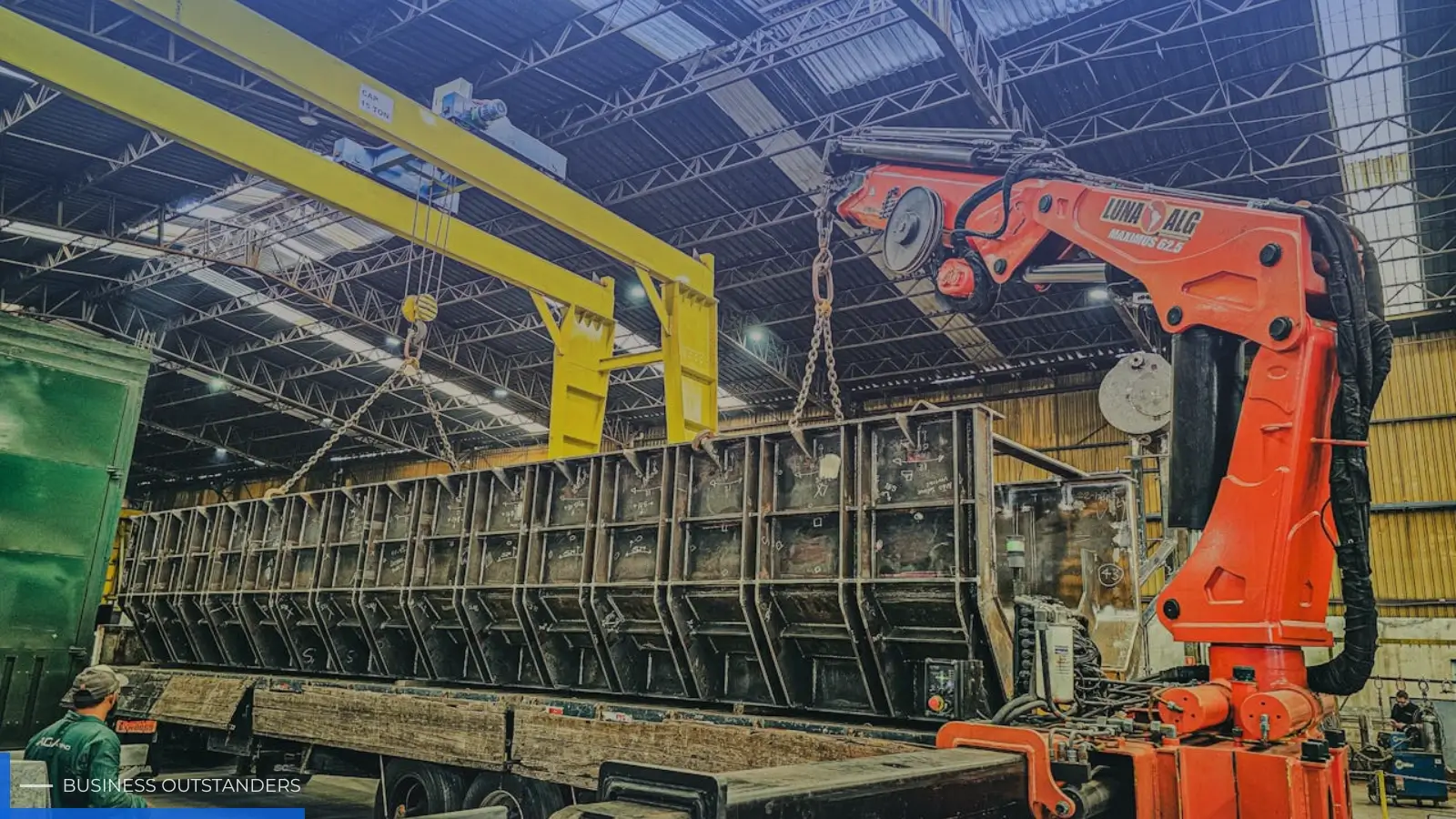
Durability eliminates replacement cycles. Quality metal stillage lasts ten years or more with little maintenance, while wood pallets have to be replaced every twelve to eighteen months. This long-term cost advantage becomes overwhelming over realistic planning horizons.
Space efficiency in warehouses and vehicles translates into capacity increases without capital expenditure on facility expansion or fleet growth. This avoided cost represents substantial value for growing operations.
Implementation Considerations
To adopt stillage successfully, planning is needed beyond just acquiring equipment; logistic operations need to consider how containers integrate with existing processes and systems.
Tracking and management systems must be adapted to accommodate the challenges of reusable containers. Unlike the disposable pallets that disappear into the supply chain, stillage requires monitoring to ensure units return properly. Simple identification systems prevent loss and maintain equipment accountability.
Training confirms that operators understand proper handling, stacking limits, and folding mechanisms of a collapsible design. The investment in training pays returns through longevity of equipment and its safe operation.
Maintenance procedures keep stillage in service condition. Regular inspections identify damage before it compromises safety or functionality. The establishment of clear protocols for equipment checks maintains reliability.
Competitive Advantage
Through Equipment Choices Australian logistics operations compete based on the quality of service provided, reliability, and cost efficiency. Equipment decisions that enhance all three areas create sustainable competitive advantages. Stackable and collapsible stillage systems achieve these gains by way of practical design features that respond to genuine operational challenges.
This is not complex or experimental technology, but proven engineering applied to everyday logistics needs. Companies adopting such solutions literally pass ahead of the competition that still struggles with disposable packaging limitations. Overall, the efficiency gains, cost reductions, and sustainability benefits combine to create measurable market advantages that justify the initial investment many times over.
Business Outstanders brings you sharp insights on tech, business, entrepreneurship, law, crypto, and more. We uncover what’s next. Stay updated, sign up for our newsletter and be part of the future!