In recent years, the global conversation around sustainability has grown more urgent than ever. Businesses across industries are under increasing pressure to reduce their environmental footprint, streamline operations, and build more resilient supply chains. Central to achieving these goals is the integration of smart equipment and advanced technologies.
From real-time data analytics to automated material handling systems, smart equipment is transforming how companies approach efficiency, safety, and sustainability in their supply chain operations.
This transformation is not merely a trend but a strategic necessity. As companies strive to balance profitability with responsibility, the ability to optimize energy usage, minimize waste, and enhance visibility across every supply chain stage has become a defining competitive advantage.
Understanding Smart Equipment in the Supply Chain
Smart equipment refers to machines and systems embedded with sensors, connectivity, and intelligent software that allow them to communicate, analyze, and adapt in real time. These technologies are part of the larger ecosystem of the Internet of Things (IoT), artificial intelligence (AI), and automation that underpin Industry 4.0.
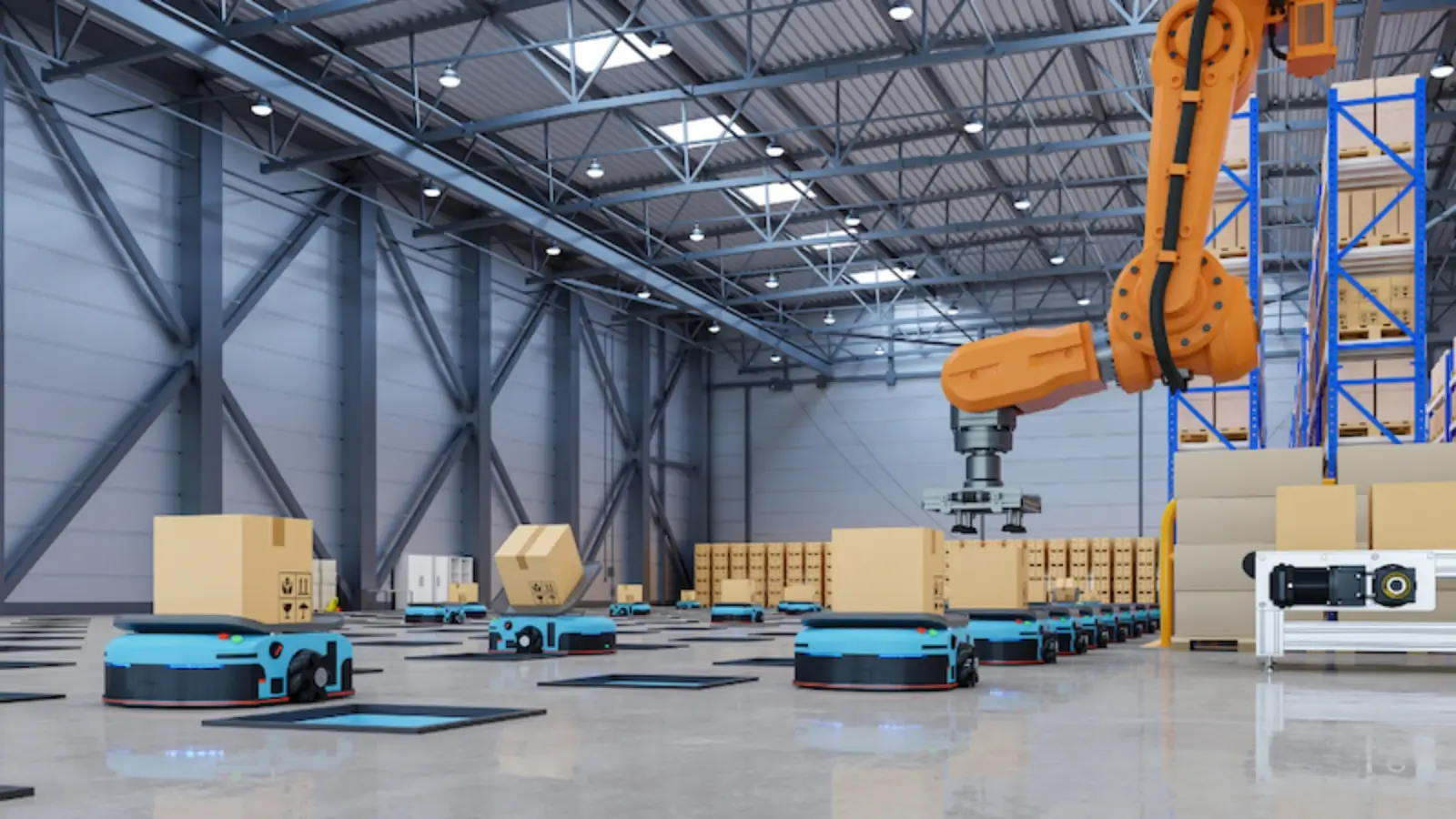
In the context of the supply chain, smart equipment encompasses a wide range of tools and systems such as automated guided vehicles (AGVs), smart conveyors, predictive maintenance sensors, robotic picking arms, and intelligent storage solutions. These technologies enable companies to move goods more efficiently, monitor operations continuously, and make data-driven decisions to prevent inefficiencies and disruptions.
How Smart Equipment Drives Sustainability
A sustainable supply chain is one that minimizes environmental impact while maximizing operational efficiency and social responsibility. Smart equipment plays a crucial role in supporting these objectives through several key areas.
1. Energy Efficiency and Resource Optimization
One of the most immediate benefits of smart equipment is its ability to optimize energy usage. Traditional machinery often runs continuously or at fixed speeds, wasting power even during low-demand periods. Smart systems, on the other hand, can automatically adjust their operations based on real-time needs.
For example, intelligent motors and drives can regulate energy consumption according to load requirements, reducing electricity use and extending equipment lifespan. Similarly, smart lighting and climate control systems in warehouses can respond dynamically to occupancy and temperature data, ensuring minimal waste.
These advancements not only reduce operating costs but also align with global sustainability goals by lowering carbon emissions and energy intensity.
2. Waste Reduction Through Automation and Precision
Automation enabled by smart equipment minimizes human error and material waste. Robotic systems, guided by precise data and algorithms, handle tasks such as packaging, labeling, and sorting with unmatched accuracy. This reduces the likelihood of product damage, mislabeling, or overproduction.
In manufacturing environments, sensors and monitoring systems can detect inefficiencies in real time, helping companies adjust production lines before issues escalate. For instance, automated dosing and mixing systems ensure consistent product quality while preventing excess use of raw materials.
This level of precision contributes directly to a circular economy mindset, where resources are utilized optimally and waste is minimized.
3. Predictive Maintenance and Equipment Longevity
Equipment downtime is costly both financially and environmentally. Every breakdown can result in wasted materials, idle labor, and increased emissions from inefficient recovery processes. Smart equipment mitigates this through predictive maintenance technology.
Using IoT sensors and data analytics, predictive maintenance systems monitor equipment performance continuously, identifying anomalies before they lead to failures. This allows maintenance teams to address potential issues proactively, extending machinery life and reducing the need for premature replacements.
The result is a more sustainable operation with fewer disruptions and a smaller ecological footprint from manufacturing and replacing damaged components.
4. Improved Supply Chain Visibility
Transparency is a cornerstone of sustainable supply chains. Smart equipment integrated with advanced tracking technologies enables end-to-end visibility across all stages of production, storage, and distribution. GPS tracking, RFID tags, and cloud-based data platforms allow companies to monitor shipments, track inventory, and verify sourcing information in real time.
This visibility not only enhances operational efficiency but also helps ensure ethical practices and environmental compliance throughout the supply chain. Companies can identify inefficiencies, verify sustainable sourcing, and make informed decisions to minimize transport distances and emissions.
5. Enhanced Worker Safety and Wellbeing
Sustainability is not solely about environmental impact; it also encompasses social responsibility. Smart equipment contributes to safer, more ergonomic workplaces. Automated systems take over repetitive, dangerous, or physically demanding tasks, reducing workplace injuries and fatigue.
Wearable devices and connected sensors can monitor environmental conditions, such as air quality and temperature, alerting workers and supervisors to potential hazards. By integrating human safety with technological intelligence, companies promote a more sustainable and supportive work culture.
The Role of Smart Equipment in Material Handling and Logistics
Material handling and logistics form the backbone of any supply chain. These processes often account for a significant portion of operational costs and environmental emissions. Incorporating smart technology into this area has proven transformative.
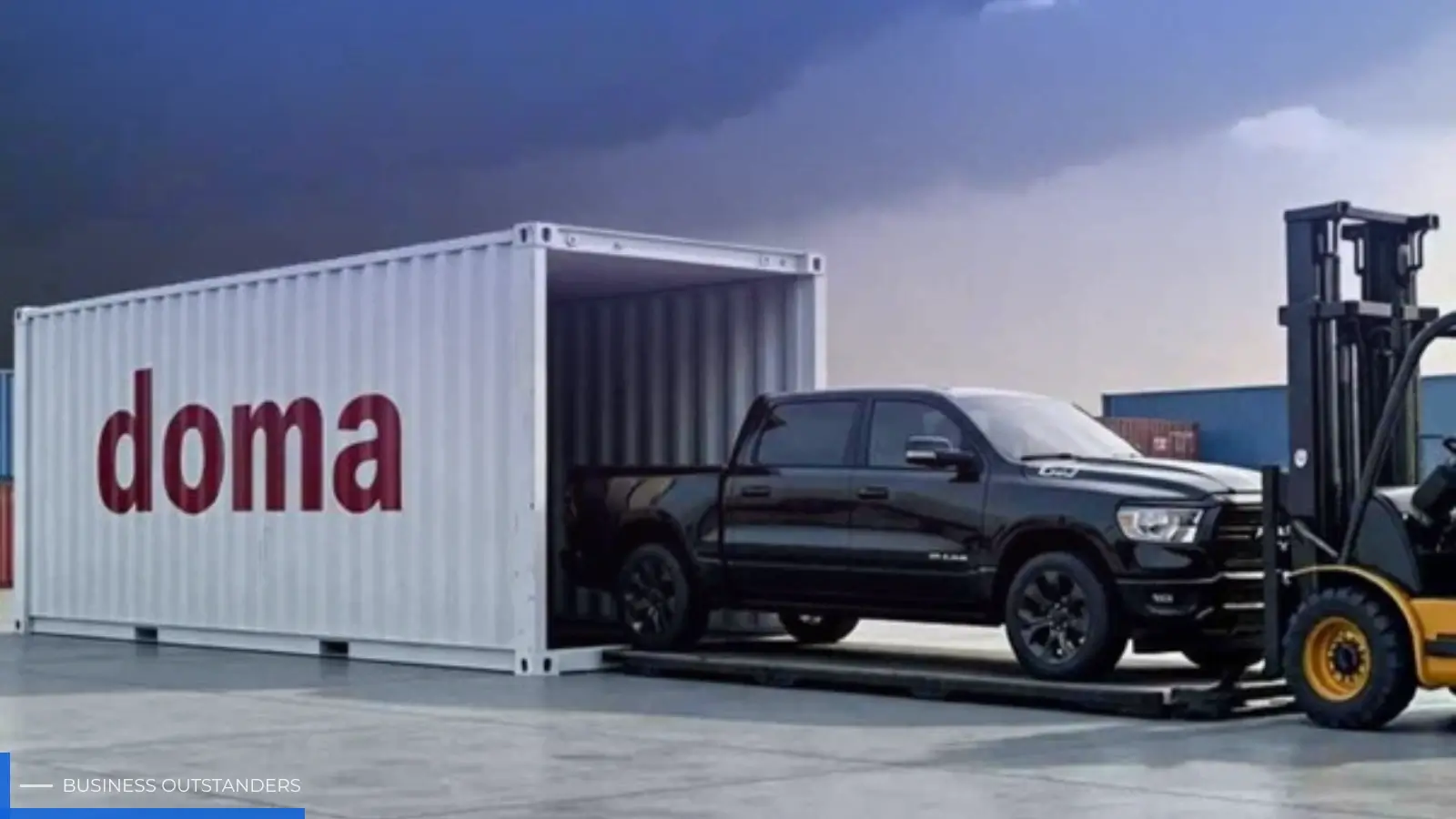
Automated conveyors, robotic palletizers, and smart forklifts can move products faster and with greater precision, reducing energy use and human intervention. Real-time tracking ensures that every pallet, container, and shipment is accounted for, minimizing lost goods and unnecessary trips.
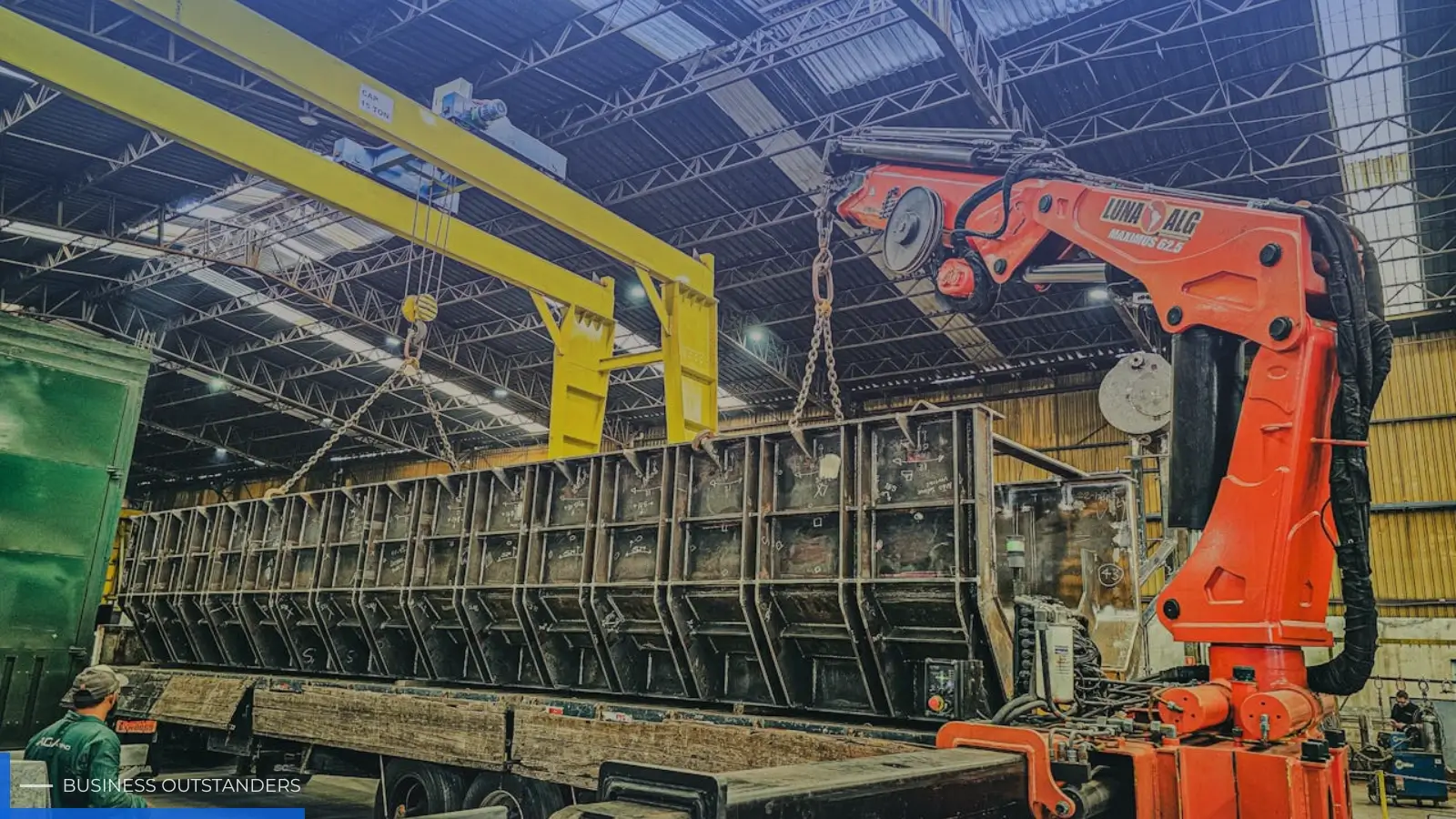
A growing number of industries are also recognizing the environmental advantages of using bulk material handling equipment designed with smart capabilities. These systems streamline the movement of materials such as grains, minerals, and chemicals, allowing for efficient loading, storage, and transport.
When integrated with digital monitoring tools, they can optimize flow rates, prevent spillage, and reduce manual handling, further lowering waste and energy consumption. This combination of mechanical efficiency and digital intelligence exemplifies how modern technology can advance sustainability goals while maintaining operational productivity.
Data-Driven Decision Making
Smart equipment generates vast amounts of data, offering unprecedented insights into every aspect of supply chain performance. When analyzed effectively, this data becomes a powerful tool for sustainability management.
For example, predictive analytics can identify patterns of inefficiency, suggesting where energy use or emissions could be reduced. Machine learning algorithms can optimize delivery routes based on real-time traffic and fuel data, lowering transportation emissions. Additionally, digital twins—virtual replicas of physical systems—allow companies to simulate different operational scenarios to evaluate sustainability impacts before implementing changes.
By harnessing this data-driven intelligence, businesses can continuously refine their operations to achieve long-term sustainability targets.
Challenges in Implementing Smart Equipment
While the benefits are clear, adopting smart equipment is not without challenges. High initial investment costs, data integration complexities, and the need for skilled personnel can be barriers for some organizations. Cybersecurity is another major concern, as increased connectivity also raises exposure to digital threats.
To overcome these challenges, companies must adopt a phased approach, starting with areas where automation and data intelligence can yield the most immediate benefits. Partnering with technology providers and investing in workforce training are equally important to ensure a smooth transition.
Moreover, aligning smart equipment initiatives with broader corporate sustainability strategies ensures that technology investments directly contribute to measurable environmental and social outcomes.
Future Outlook: Toward Fully Sustainable and Autonomous Supply Chains
The future of supply chain sustainability lies in greater automation, connectivity, and collaboration. As smart equipment continues to evolve, supply chains are moving toward full autonomy, where machines communicate and make decisions with minimal human input.
Emerging technologies like blockchain, AI-driven logistics networks, and renewable energy integration will play vital roles in shaping this future. Smart equipment will not only perform physical tasks but also manage and optimize entire ecosystems of production, transport, and consumption.
The shift toward electric-powered and energy-efficient machinery will further reduce reliance on fossil fuels, contributing to global climate objectives. With governments and consumers demanding more transparency and accountability, smart technology will be indispensable in building supply chains that are not only efficient but also ethically and environmentally responsible.
Conclusion
Smart equipment is redefining the modern supply chain. By enhancing efficiency, reducing waste, improving transparency, and promoting worker safety, it provides a tangible pathway toward sustainability. The integration of intelligent systems and data-driven tools allows businesses to operate more responsibly while maintaining competitiveness in an increasingly demanding global market.
Sustainability is no longer a peripheral goal but a central pillar of long-term success. Companies that embrace smart equipment today are not just investing in technology—they are investing in a future where innovation and environmental stewardship go hand in hand.
Business Outstanders brings you sharp insights on tech, business, entrepreneurship, law, crypto, and more. We uncover what’s next. Stay updated, sign up for our newsletter and be part of the future!