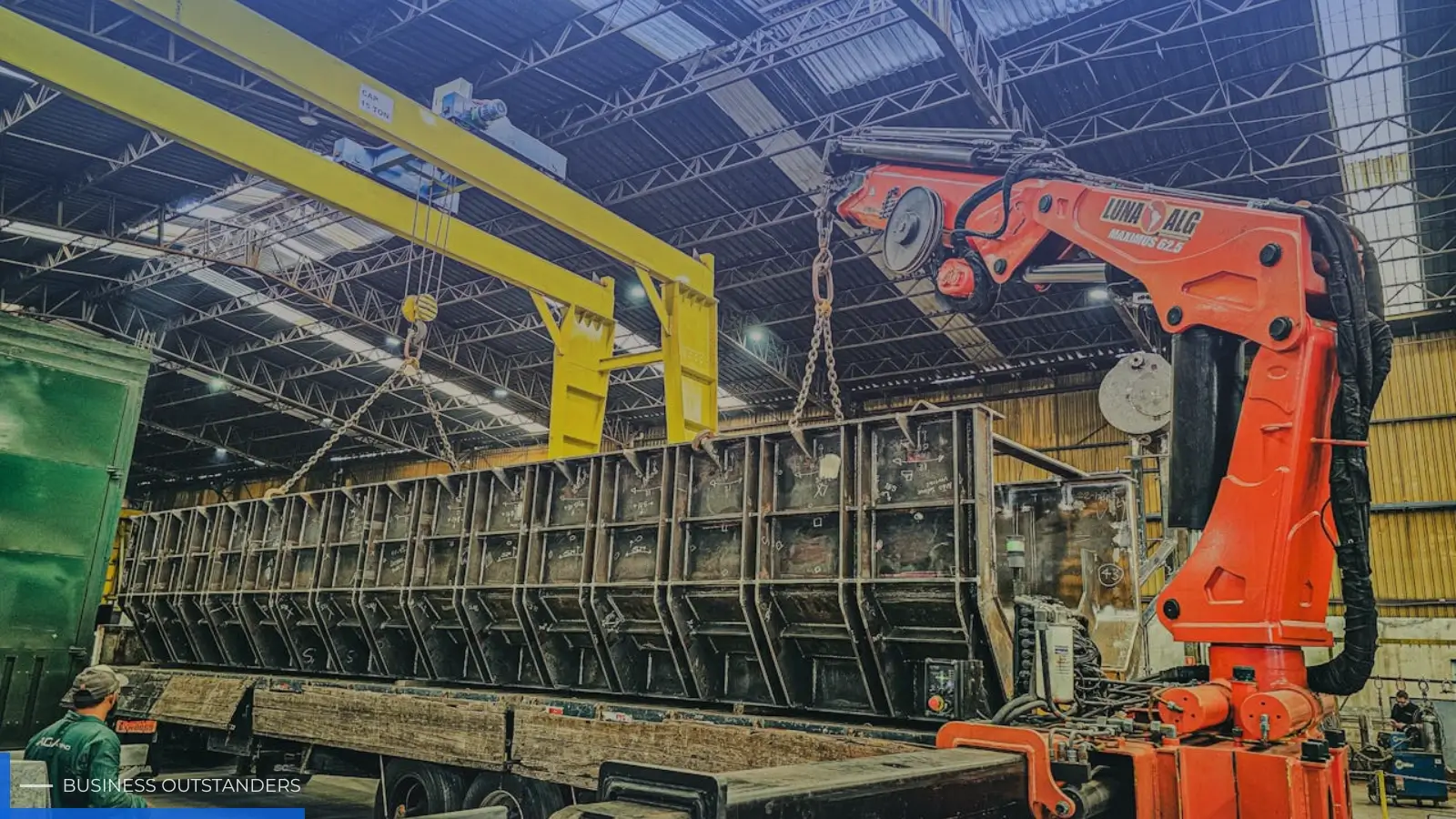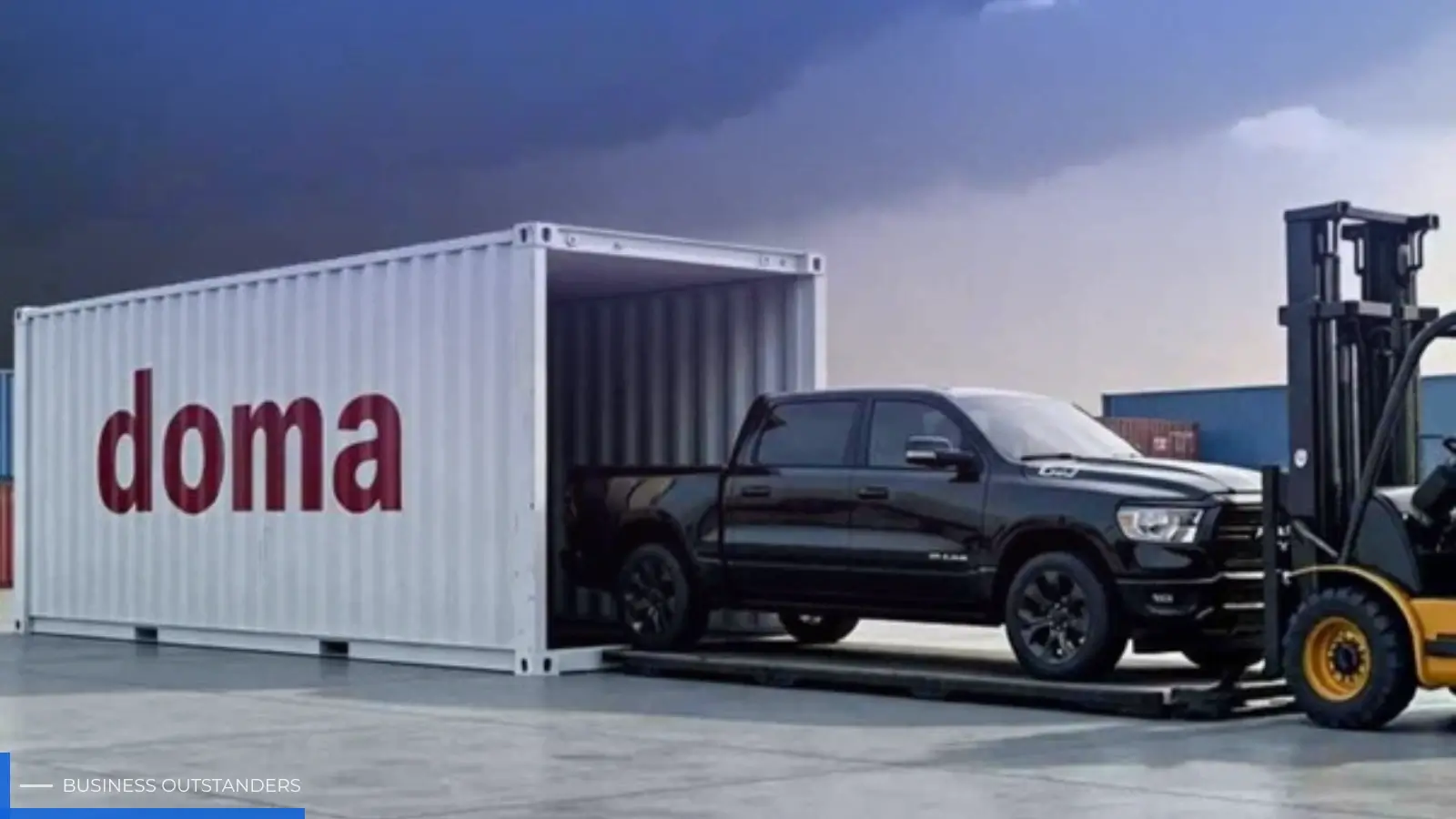
As companies scale, one of the biggest challenges they face is managing inventory efficiently without overspending on storage. Demand fluctuates, product lines evolve, and long-term commitments can create unnecessary financial strain. This is where flexible warehousing solutions become a game-changer. In this article, we’ll break down how short-term storage options can reduce costs, increase agility, and give growing businesses the breathing room they need to scale sustainably.
Why Storage Flexibility Matters as You Grow
When a business is in growth mode, nothing stays predictable for long. Sales cycles shift, seasonal spikes become more pronounced, and new product launches require additional space. Committing to a long-term warehouse lease may seem like a safe move, but it often leads to paying for square footage you don’t consistently use—or scrambling for more room when demand exceeds expectations.
Flexible storage options solve this by giving companies the freedom to scale space up or down, avoiding the financial burden of underused facilities or emergency overflow costs. For many businesses, this adaptability directly translates to savings and smoother operations.
1. No Long-Term Lease Commitments
Traditional warehouse leases often come with multi-year contracts, high upfront costs, and strict terms. For growing companies, these commitments can become a barrier to scaling.
Short-term storage arrangements eliminate long contracts and reduce financial risk. Companies only pay for the space and time they need. This flexibility allows leadership to allocate resources where they matter most—product development, marketing, staffing, or technology—rather than sinking cash into fixed overhead.
When market conditions shift, companies can effortlessly adjust their warehousing strategy instead of being locked into outdated commitments.
2. Lower Operating Costs
Operating a private warehouse comes with many hidden expenses: utilities, staffing, equipment, insurance, and ongoing maintenance. These costs can quickly add up, especially for mid-sized companies with unpredictable inventory turnover.
Short-term storage providers often bundle these operational expenses into a single cost, making budgeting more predictable. Instead of managing a warehouse team or purchasing equipment like pallet jacks, forklifts, and security systems, businesses benefit from shared resources.
This “pay-as-you-need” approach ensures you aren’t spending on infrastructure that’s sitting idle. For rapidly expanding companies, eliminating these overheads is one of the fastest ways to reduce operating costs without sacrificing quality.
3. Ability to Scale Inventory Space Quickly
One of the hardest parts of growth is estimating inventory needs months—or even years—in advance. Whether you’re preparing for a holiday rush or responding to an unexpected boost in demand, the need for flexible space is constant.
Using a short term warehouse gives businesses instant scalability. Need more room? Add it. Need less? Reduce it. This level of elasticity is nearly impossible to achieve with traditional warehouse leases, where expanding often means securing an entirely new facility or renegotiating terms at higher rates.
Scalable space isn’t just convenient—it’s cost-efficient. Companies avoid last-minute premium storage fees and don’t have to store excess goods in costly temporary sites.
4. Reduced Transportation and Logistics Costs
Strategically located short-term storage facilities can significantly cut down transportation expenses. Many providers operate multiple locations, giving companies the option to store inventory closer to customers, distribution hubs, or manufacturing centers.
The benefits include:
-
Lower fuel costs
-
Faster delivery times
-
Reduced strain on trucking partners
-
Fewer delays and operational disruptions
Short-term solutions allow growing companies to adapt quickly to new regional markets without committing to long-term infrastructure. This is especially useful for businesses testing new territories or managing seasonal regional demand.
5. Avoiding Excess Inventory and Overstocking
Over-ordering is a common and costly issue for expanding businesses. Without the right space, companies often delay new stock, pay rush shipping fees, or overpay for overflow storage.
A flexible warehouse setup enables companies to keep inventory flowing without overwhelming their primary facility. This reduces the risk of:
-
Damaged goods due to overcrowding
-
Inventory write-offs
-
Costly emergency storage arrangements
-
Lost sales because of inefficiencies
When inventory can be stored safely and affordably on a short-term basis, businesses maintain better control over stock levels, leading to more accurate forecasting and improved cash flow.
6. Improved Cash Flow and Budget Predictability
Cash flow is the lifeblood of a growing company. One of the biggest advantages of short-term warehousing is predictable, manageable monthly costs.
Instead of large capital expenditures or long-term commitments, companies pay only for the space they need. This frees up internal cash for more strategic investments—whether that's hiring, equipment upgrades, or marketing campaigns.
Predictable storage costs also make financial planning easier. When leadership knows exactly what they’re spending on warehousing, they can make more informed decisions about purchasing, expansion, or new inventory.
7. Faster Response to Market Changes
In today’s market, agility is everything. A sudden spike in demand, a slowdown in sales, or a supply chain disruption can quickly throw operations off balance.
Short-term warehousing makes it possible to pivot without penalty. Companies can adapt storage levels in real time, keeping operations running smoothly while avoiding excessive cost burdens.
Whether you're entering a new sales channel, testing a new product line, or navigating global supply chain challenges, this flexibility provides an essential safety net.
8. Supports Sustainable, Long-Term Growth
Perhaps the most overlooked benefit of flexible storage is how it supports strategic growth. Instead of locking into rigid facilities too early, businesses can grow at their own pace—expanding when it makes sense instead of when a lease demands it.
This approach protects profitability and allows companies to stay focused on customer experience, product innovation, and operational excellence.
Final Takeaway
For growing companies, warehousing shouldn’t be a financial burden—it should be a strategic asset. By choosing flexible storage options instead of long-term commitments, businesses can reduce overhead, improve operational efficiency, and respond quickly to market demands.
A short-term warehouse solution empowers companies to scale smarter, save money, and keep their focus on what matters most: delivering value to their customers.
Business Outstanders brings you sharp insights on tech, business, entrepreneurship, law, crypto, and more. We uncover what’s next. Stay updated, sign up for our newsletter and be part of the future!