The Role of 10-Foot Units in Industrial Storage
For many businesses, finding the right balance between storage capacity and spatial footprint is a perpetual challenge. This is where the 10-foot shipping container truly shines, offering a robust, adaptable solution that addresses a wide range of industrial storage needs. Unlike their larger counterparts, these compact units provide significant benefits in environments where space is at a premium but security and durability cannot be compromised.
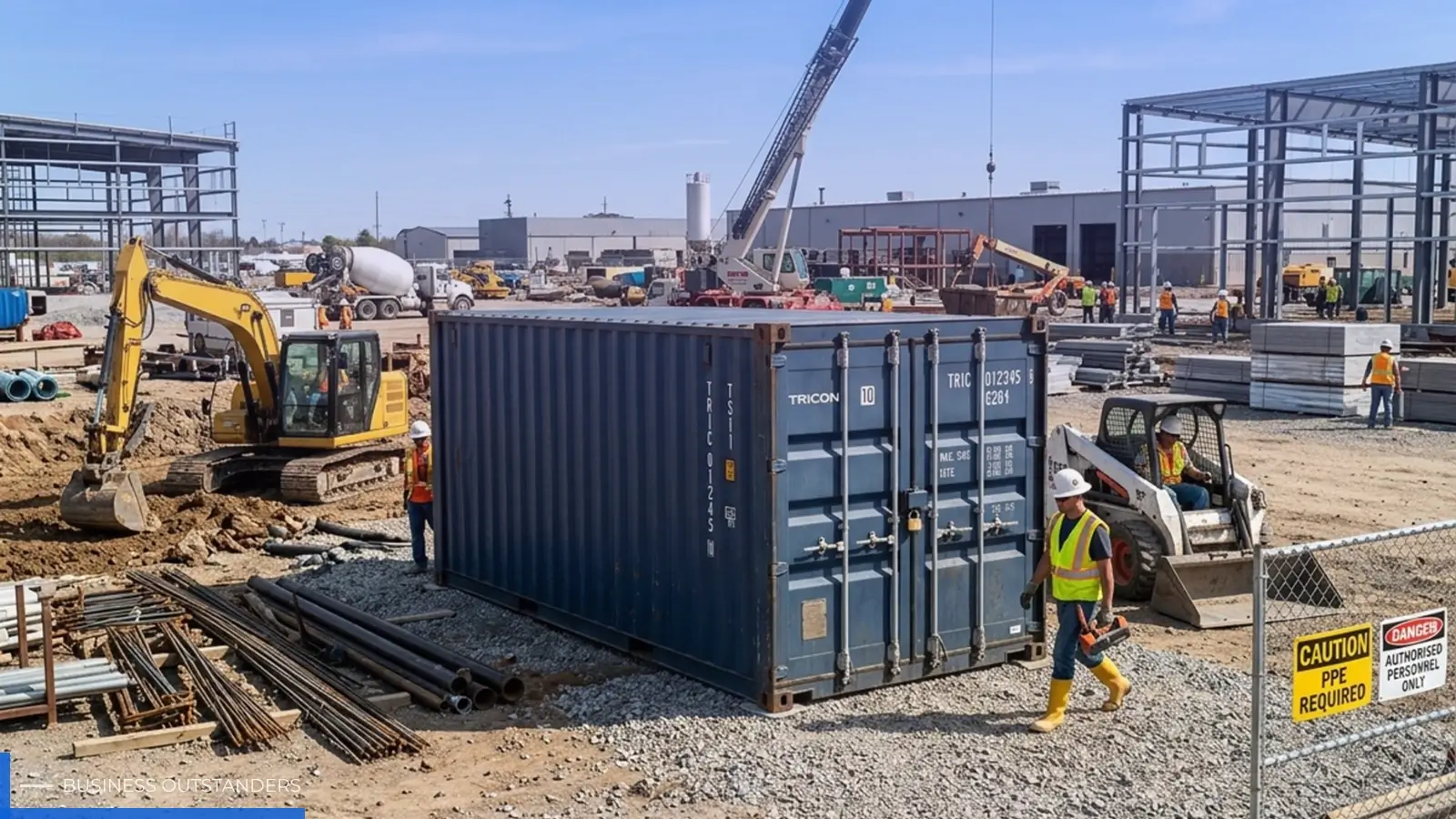
We find these units invaluable for optimizing space, whether on a crowded construction site, within a manufacturing facility, or as an extension of a retail backroom. Their inherent strength, derived from Corten steel construction, ensures the security of valuable equipment, tools, and inventory on site. Furthermore, their weatherproofing capabilities protect contents from harsh environmental conditions, making them ideal for everything from sensitive documents to heavy machinery.
Beyond static storage, 10-foot containers are increasingly utilized for dynamic applications. They can serve as mobile workstations, providing a secure and climate-controlled environment for on-site operations. They are also excellent for housing equipment, safeguarding generators, compressors, or specialized tools that require immediate access while protecting them from theft and the elements. Effective inventory management becomes simpler when goods can be segregated into compact, easily accessible units.
Standard Dimensions for Industrial Storage
Understanding the precise dimensions of a 10-foot shipping container is fundamental for planning its integration into any industrial setting and making the right container size selection. While minor variations can occur between manufacturers, the standard external measurements for these units are approximately 10 feet in length, 8 feet in width, and 8 feet 6 inches in height. These dimensions make them highly versatile for placement in tight spots or areas with overhead restrictions.
Internally, the clearance will be slightly less due to the steel frame and corrugated walls, typically offering around 9 feet 4 inches in length, 7 feet 8 inches in width, and 7 feet 10 inches in height. This translates to a considerable cubic capacity, providing ample room for a variety of goods. The tare weight, or the weight of the empty container, is generally around 2,645 pounds (1,200 kg), which is important for transport planning.
The floor loading capacity of these containers is designed to handle heavy industrial loads, often rated to support thousands of pounds per square foot. This robust construction is crucial for businesses storing heavy machinery, dense materials, or palletized goods. The standard 8'6" height is suitable for most applications, allowing for efficient stacking of items without excessive vertical space.
Specialized Configurations for Industrial Storage
While the standard 10-foot container offers immense utility, its design can be further enhanced to meet highly specific industrial requirements through specialized configurations. These modifications can significantly expand the unit's functionality and value, transforming it from a simple storage box into a tailored operational asset.
For instances where additional vertical space is critical, high cube options are available. These containers typically offer an extra foot of height, bringing the external measurement to 9 feet 6 inches. This added clearance is invaluable for storing taller equipment, optimizing pallet stacking, or facilitating conversions into offices or workshops where head height is a consideration.
Accessibility can also be customized. Traditional cargo doors, while secure, can be cumbersome in high-traffic areas or when frequent access is needed. Roll-up doors offer a more convenient alternative, requiring less swing space and allowing for quicker entry and exit. Similarly, side-access panels can be integrated, providing entry points along the container's longer side, which is particularly useful for organizing and retrieving items without unloading the entire unit.
For businesses considering these specialized features, it's beneficial to explore options from reputable providers. For example, looking into Aztec industrial 10-foot pricing can provide insights into how these customizations impact the overall investment and help you budget for a unit that perfectly matches your operational needs.
Beyond access, environmental control and internal organization are key. Ventilation systems can be installed to prevent moisture buildup and maintain air quality, crucial for storing sensitive materials or for human occupancy. Internally, shelving brackets allow for easy installation of shelving units, maximizing storage density and organization. Lighting kits, often LED, can be integrated to ensure visibility and safety, especially if the container is used as a workspace or accessed frequently in low-light conditions. These specialized configurations underscore the adaptability of 10-foot containers as a versatile industrial solution.
Factors Influencing the Value of 10-Foot Containers
The perceived "cost" of a 10-foot shipping container is a multifaceted figure influenced by factors beyond its base price. Understanding these variables is crucial for businesses to make an informed investment decision, ensuring they acquire a unit that meets their functional requirements without overspending or compromising on quality.
In many cases, evaluating different sourcing options can further refine this decision-making process, particularly when comparing availability, condition grades, and regional pricing differences across suppliers. Businesses that take time to assess where they buy shipping containers for industrial storage needs often gain better insight into long-term value, including durability, customization flexibility, and lifecycle costs. This broader perspective helps align purchasing choices with operational goals, especially when balancing upfront investment with ongoing utility.
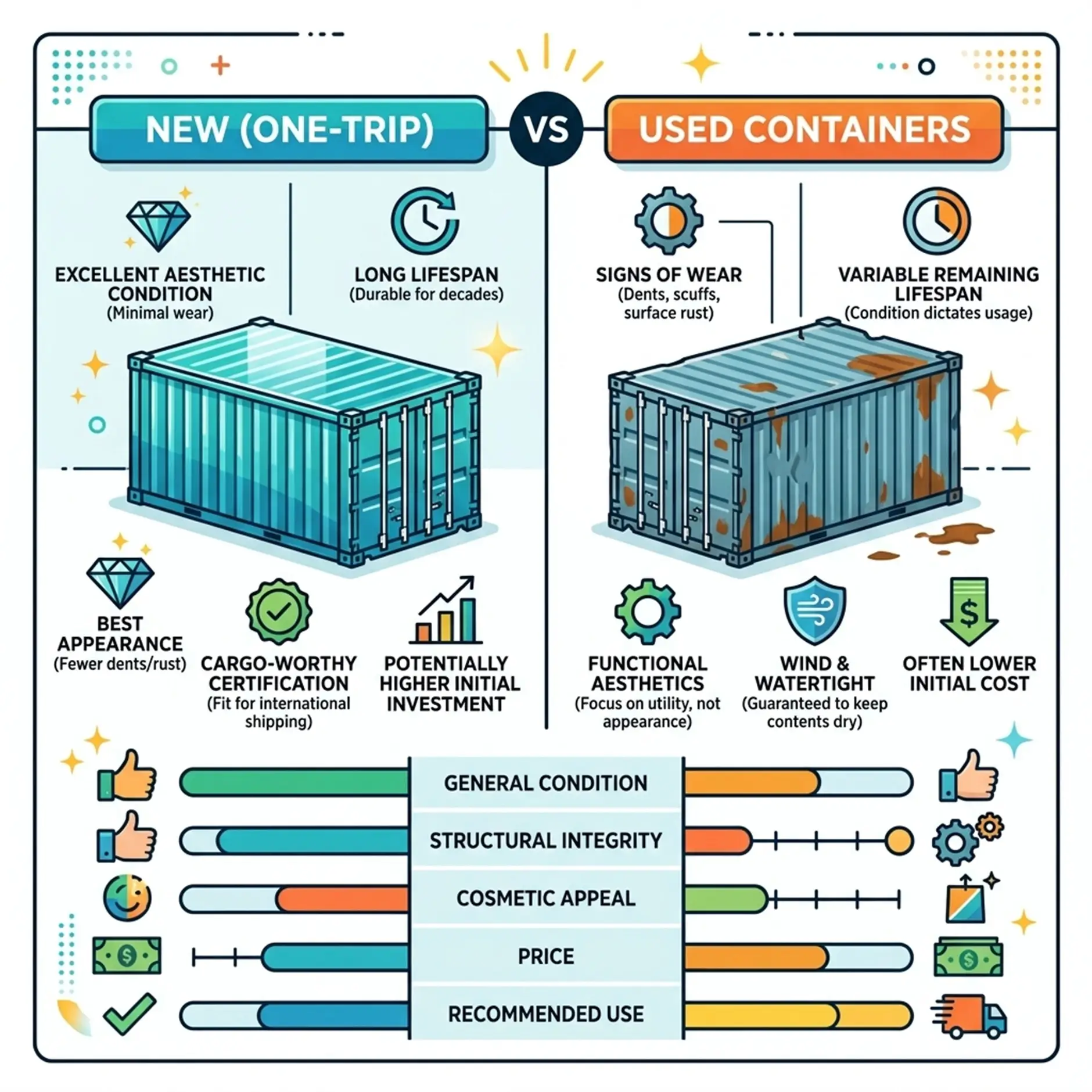
One of the most significant determinants of a container's value is its condition grade. We generally categorize containers into several key conditions. "One-trip units," often referred to as "new," have typically made a single journey from their manufacturing origin (usually Asia) and have carried cargo. They are in excellent aesthetic and structural condition, offering the longest lifespan and best appearance. These units often come with cargo-worthy certification, meaning they are deemed fit for international shipping by marine surveyors.
"Cargo-worthy" containers are used units that are still structurally sound and watertight, certified for continued international transport. They may show signs of wear, such as dents and surface rust, but their integrity is intact. Below this, "wind and watertight" (WWT) containers are guaranteed to keep contents dry and secure, making them ideal for static storage, though they may not be certified for shipping. Lastly, "as-is" containers are the most economical but offer no guarantees regarding condition or watertightness, often requiring significant repairs.
The manufacturing origin, predominantly China, plays a role, as global supply chain dynamics and currency exchange rates can impact production costs. Furthermore, broader steel market fluctuations directly affect container prices, as steel accounts for a significant portion of their material costs. When steel prices rise, so too do container costs. We've seen how global economic shifts can lead to temporary surpluses or shortages, affecting availability and pricing.
To further illustrate these differences, consider the following comparison:
Logistics and Site Preparation for Business Storage
Acquiring a 10-foot shipping container involves more than just the purchase; the logistics of delivery and proper site preparation are critical components that influence the overall investment and the container's long-term utility. Overlooking these aspects can lead to unexpected costs, delays, or even damage to the unit.
Delivery methods are a primary consideration. For 10-foot containers, the most common and often most economical method is a tilt-bed truck. This specialized vehicle can gently slide the container off its bed onto the ground. However, this requires specific site conditions: a firm, level surface and a significant amount of clear, straight-line space—typically 100 feet—for the truck to maneuver and offload safely. The ground must be able to support the combined weight of the truck and the container during the process.
Alternatively, a flatbed truck may be used, particularly for longer distances or when multiple containers are being transported. With a flatbed, offloading typically requires a crane or a heavy-duty forklift on-site, adding to the delivery complexity and cost. We always advise clients to assess their site accessibility carefully and to communicate any potential challenges to the supplier beforehand.
Site preparation is equally vital for the longevity and stability of your container. While containers are incredibly robust, they must be placed on a level, stable foundation to prevent racking, which can cause doors to misalign or cause structural stress over time. Simple solutions include gravel pads, which provide good drainage and a relatively level surface. For more permanent installations or heavier loads, concrete footings or a full concrete slab are recommended. These foundations distribute the container's weight evenly and prevent sinking or shifting, especially in areas with soft ground or fluctuating moisture levels.
Beyond the physical site, regional availability and local permit compliance also factor into the process. Proximity to a major depot can significantly reduce transportation costs. For businesses operating in specific areas, such as California, specialized rental programs or unique delivery considerations may be required due to local regulations or geographic challenges. It's crucial to check with local authorities about any required permits for placing a shipping container, as requirements can vary widely depending on zoning laws and intended use. Understanding these logistical and preparatory steps ensures a smooth and cost-effective integration of your 10-foot container into your business operations.
Customization and Long-Term Maintenance
The true value of a 10-foot shipping container often extends beyond its initial form, as these units are highly adaptable to specific industrial needs through various customizations. Furthermore, proper long-term maintenance is essential to protect this investment and ensure durability and functionality for years to come.
Customization options can transform a standard container into a specialized asset. For instance, applying a high-quality rust-resistant primer and paint significantly enhances the container's aesthetic appeal and provides an additional layer of protection against corrosion, particularly in harsh environments. Inside, the marine-grade plywood flooring, standard in most containers, can be further protected or enhanced.
Security is paramount, and installing security lockboxes over the door handles makes the container far more resistant to forced entry. For climate-sensitive storage or converted workspaces, HVAC integration enables temperature and humidity control, while robust insulation maintains internal conditions. Moisture control solutions, such as vents or desiccants, are crucial for preventing condensation and protecting contents from dampness and mold.
Here is a list of common industrial modifications that businesses frequently implement:
- Roll-up doors or personnel doors for easier access
- Windows for natural light in office or workshop conversions
- Electrical wiring and lighting for power and visibility
- Shelving and racking systems for optimized internal organization
- Ventilation systems (e.g., turbine vents, louvered vents) for air circulation
- Insulation and interior finishes (e.g., plywood, drywall) for climate control and aesthetics
- Security features like additional lockboxes, alarms, or reinforced doors
- Ramps for easier loading and unloading of equipment
- Custom paint and branding for corporate identity
- Specialized flooring (e.g., rubber mats, epoxy coatings) for specific uses
Beyond initial modifications, a proactive maintenance schedule is vital. Regular inspections should be conducted to identify any signs of wear, such as surface rust, dents, or compromised door seals. Addressing these issues promptly can prevent minor problems from escalating into costly repairs. Door hinge lubrication ensures smooth operation and prevents seizing, while periodic roof maintenance, including cleaning debris and checking for pooling water, can prevent leaks and extend the container's life. By embracing both thoughtful customization and diligent maintenance, businesses can maximize the utility and lifespan of their 10-foot container solutions.
Frequently Asked Questions about 10-Foot Containers.
We understand that investing in industrial storage solutions can raise many questions. Here, we address some of the most common inquiries we receive regarding 10-foot shipping containers.
What are the primary differences between new and used 10-foot units?
The distinction between new (one-trip) and used 10-foot containers primarily revolves around their condition, aesthetic requirements, and expected lifespan. New units, having made only a single journey, are in pristine condition with minimal to no dents or rust, offering superior aesthetics and the longest structural integrity. They are ideal when appearance is important, or when the container is intended for conversion into an office or retail space. Their lifespan expectations are naturally longer, often exceeding two decades with proper care.
Used containers, on the other hand, have been more widely used in international shipping. They typically exhibit signs of wear such as dents, scratches, and surface rust. While they might not be as visually appealing, a "cargo-worthy" or "wind and watertight" used container still offers robust structural integrity and is perfectly suitable for secure storage. Their lifespan, while shorter than new units, can still be 10-15 years or more, especially if properly refurbished. The choice often comes down to balancing initial investment against aesthetic requirements and the intended duration of use.
How does delivery distance impact the total acquisition process?
Delivery distance is a significant factor in the total investment for any shipping container. The further the container needs to travel from the depot to your site, the higher the transportation costs will be. This is due to several components: fuel surcharges, which fluctuate with market prices; potential pilot cars required for oversized loads on certain routes; and the labor costs associated with longer transit times.
Proximity to regional depots is key to minimizing these expenses. Selecting a supplier with a depot closer to your location can lead to substantial savings. Additionally, the type of offloading equipment needed at the destination can influence costs. If a tilt-bed truck cannot access your site and offloading requires a crane, this will add to the overall delivery expense. Site accessibility also plays a role; difficult terrain or tight turns can necessitate specialized transport or additional equipment. We also advise considering transport insurance, especially for high-value units or long distances, to protect against unforeseen events during transit.
Are 10-foot containers suitable for stacking in industrial environments?
Yes, 10-foot containers are stackable, making them an excellent solution for maximizing vertical space in industrial environments. This capability is inherent in their ISO (International Organization for Standardization) design, which includes robust corner castings at each corner. These castings are specifically engineered to interlock with ISO stacking pins, ensuring a secure and stable vertical arrangement.
However, several critical factors must be considered for safe stacking. Proper corner casting alignment is essential; all four corners of the upper container must rest squarely on the corner castings of the lower container. Weight distribution is also paramount. The load within each container must be evenly distributed to prevent undue stress on any single point. The foundation stability of the bottom container is non-negotiable; it must be placed on firm, level ground capable of supporting the cumulative weight of all stacked units. Adhering to established safety protocols, including maximum stacking heights and regular inspections, is crucial to prevent accidents and ensure structural integrity in situations where vertical space utilization is optimized.
Conclusion
The 10-foot shipping container stands out as a highly versatile and durable asset for businesses seeking efficient and secure industrial storage solutions. From its compact dimensions to its customizable configurations, it offers a strategic investment that can significantly enhance operational efficiency. We've explored the various factors that influence its value, including condition grades, market dynamics, delivery logistics, and essential site preparation.
By understanding the nuances of new versus used units, the impact of transportation, and the importance of proper maintenance, businesses can make informed decisions that safeguard their assets and optimize their storage capabilities. Whether used for secure inventory management, mobile workstations, or specialized equipment housing, these robust units offer long-term durability and scalable storage options. Embracing the flexibility and resilience of 10-foot containers allows businesses to streamline operations, protect valuable resources, and adapt to evolving industrial demands with confidence. Final site considerations and a clear understanding of all associated factors ensure that your investment in these compact powerhouses yields maximum returns.
Business Outstanders brings you sharp insights on tech, business, entrepreneurship, law, crypto, and more. We uncover what’s next. Stay updated, sign up for our newsletter and be part of the future!