In Australia, agricultural operations depend heavily on sturdy fencing, stable infrastructure, and efficient ground preparation across large and often challenging landscapes. The post hole auger bit serves as a fundamental tool for creating consistent, durable holes for fence posts, gate anchors, tree planting, irrigation setup, and property boundary markers. This article provides a technical, safetyfocused overview of post hole auger bit design, performance factors, safety protocols, and best practices for agricultural users across regional and remote Australian sites.
Core Purpose and Agricultural Applications
A post hole auger bit is a heavyduty drilling attachment designed for tractormounted or powerunitdriven earthboring tasks. Its key agricultural applications include:
- Installing fencing for livestock containment and property boundaries
- Drilling holes for gate posts and irrigation infrastructure
- Preparing sites for tree planting and orchard development
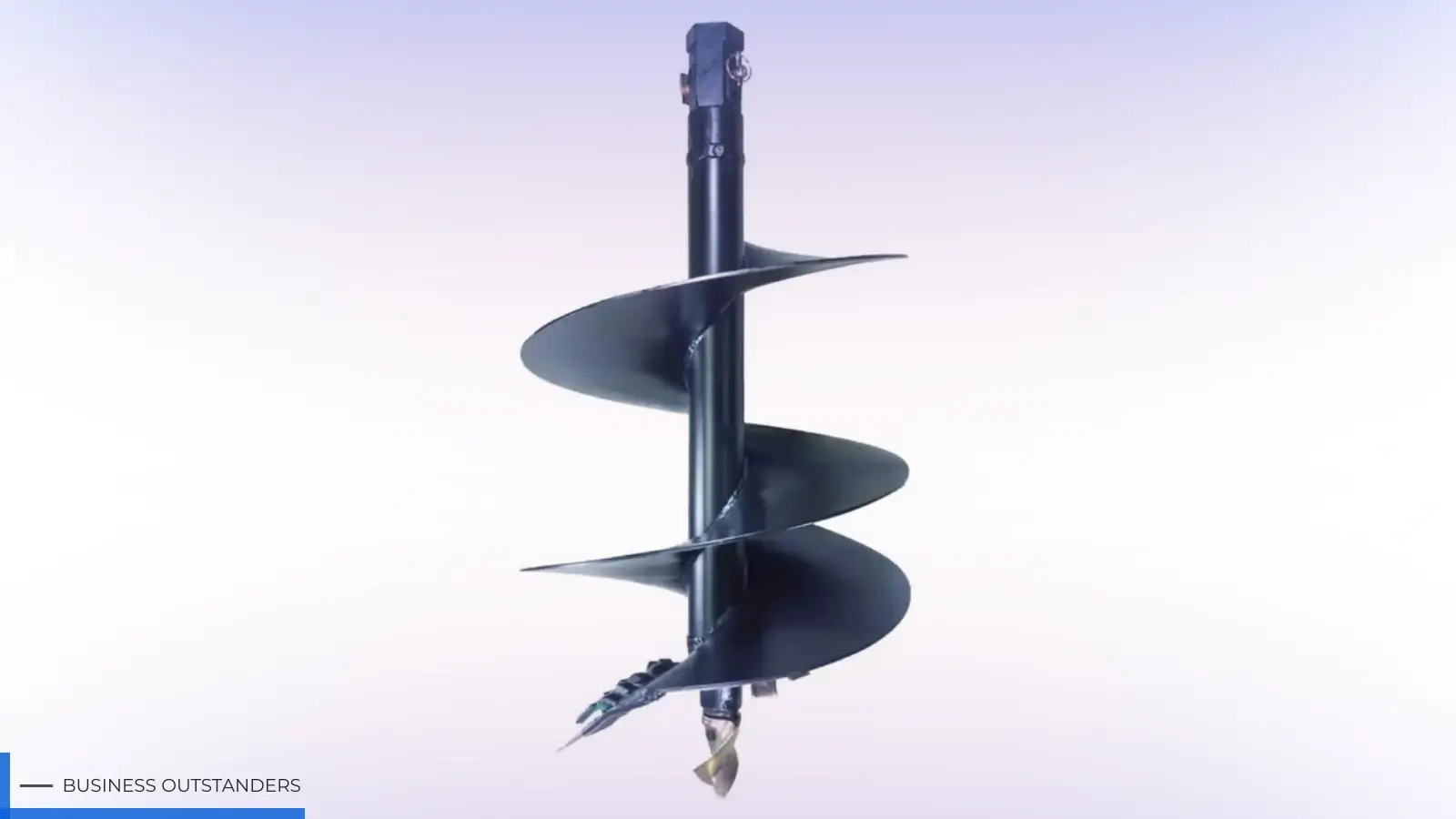
The TMGPAB24 model delivers dependable performance for largescale agricultural drilling requirements, suited to the diverse soil conditions found across Australian farms.
Importance of Efficiency, Safety, and Productivity
Consistent, accurate drilling directly improves farm safety, structural integrity, and operational efficiency. It reduces manual labor and injury risks associated with hand digging, ensures uniform hole dimensions for stable post installation, and shortens project timelines for fencing and infrastructure work. Proper drilling also minimizes ground disturbance and supports compliance with safe farming practices.
Wellmaintained auger bits deliver reliable output while protecting operators and machinery, reducing downtime and long-term operational costs.
Technical Foundation and Design Specifications
Modern agricultural auger bits use robust engineering to withstand tough soil conditions. Key technical features include:
- Heavyduty steel construction for abrasion and impact resistance
- Fully welded cutting disk for strong penetration
- Twoinch hex drive for secure power transfer
These components work together to support reliable performance in clay, gravel, sandy, and compacted rural soil conditions common in Australia.
Factors Affecting Performance and Service Life
Several key variables influence drilling efficiency and equipment longevity, including:
- Soil type, compaction, and moisture content
- Stable power delivery from the host drive unit
- Regular maintenance of cutting teeth and connections
Safety Considerations and Best Practices
Safety is critical in all agricultural drilling activities. Key safety practices include:
- Conduct preuse inspections of teeth, welds, and connections
- Wear appropriate personal protective equipment during operation
- Keep bystanders clear of the drilling zone
Avoiding operation on steep slopes or unstable ground also reduces the risk of machinery overturning and operator injury.
Equipment Compatibility and Supporting Tools
Effective drilling requires proper equipment compatibility, including:
- A tractor or power unit with sufficient power output
- Compatible twoinch hex drive mechanism
- Replacement cutting teeth for field maintenance
Advantages and Limitations
Advantages
The heavyduty welded construction withstands harsh Australian soil conditions, while the large diameter and height support deep, wide hole requirements. Precision cutting teeth deliver clean, consistent holes, and the secure hex drive minimizes slippage during operation. The simple design allows for easy maintenance and part replacement.
Limitations
The auger bit requires a compatible drive unit for proper operation, and performance varies in extremely rocky or rootdense soil. Regular inspection and tooth replacement are necessary for efficiency, and it is not intended for use in solid rock or heavily compacted industrial surfaces.
RealWorld Agricultural Example
A mixed livestock farm in New South Wales used the TMGPAB24 auger bit to install more than eight kilometers of boundary fencing. The unit consistently drilled holes to the required depth in heavy clay soil, supporting stable post installation. The durable cutting teeth maintained performance across multiple properties, and the secure hex drive ensured reliable power transfer during long working days. The farm reported reduced labor time and improved structural stability compared to manual digging methods.
Conclusion and Industry Trends
TMG Industrial Post hole auger bits remain essential for modern Australian agriculture. Future developments will focus on enhanced wear resistance, improved cutting geometry, and compatibility with a wider range of power units. Advanced alloy materials, precision machining, and modular component designs will further improve durability and efficiency. These innovations will continue to support safe, productive, and costeffective ground preparation for farming operations nationwide.
Business Outstanders brings you sharp insights on tech, business, entrepreneurship, law, crypto, and more. We uncover what’s next. Stay updated, sign up for our newsletter and be part of the future!