In manufacturing, delays often begin with parts that seem too small to matter. A fastening point inside a thin panel, housing, tube, or enclosure can affect assembly speed, repair access, field performance, and warranty costs. Threaded inserts are one of those details. They rarely lead strategic conversations, yet they influence how efficiently products move from fabrication to final assembly.
As more manufacturers work with lightweight metals, mixed-material builds, and thinner wall sections, fastening methods have become a design decision rather than a routine purchasing item. The wrong insert can strip under load, loosen under vibration, or slow production with extra handling steps. The right one helps create a repeatable connection point in places where tapping threads directly into the base material may not be practical.
That is why threaded insert selection deserves more attention from engineering, operations, and procurement teams alike.
Why thin materials create fastening problems
Many modern products rely on sheet metal, aluminum sections, hollow structural parts, and compact assemblies. These materials help control weight and material cost, but they also reduce the margin for fastening errors. Thin walls do not always provide sufficient thread engagement for screws or bolts, especially in applications that experience vibration, frequent servicing, or uneven load distribution.
When designers force a conventional fastening method into a thin substrate, the result is often predictable. Threads wear early, assemblies become difficult to service, and rework increases. In high-volume environments, even a small fastening issue can multiply into major production losses. One defective mounting point may stop an operator, require replacement parts, or delay inspections across an entire batch.
Threaded inserts solve part of that problem by creating durable internal threads where direct tapping is limited or unreliable. But not all inserts perform the same way under real production conditions.
Insert design affects more than holding strength
Fastener decisions are often reduced to torque, pull-out values, or unit cost. Those metrics matter, but they do not tell the full story. An insert also affects installation consistency, tool wear, training requirements, cycle time, and downstream maintenance.
For example, an insert that performs well in testing may still cause trouble on the line if it requires precise handling or introduces variability across operators. A design that works in one substrate can deform another. Surface coatings, hole tolerances, and panel thickness all influence final performance. In other words, fastening reliability depends on process control as much as product specification.
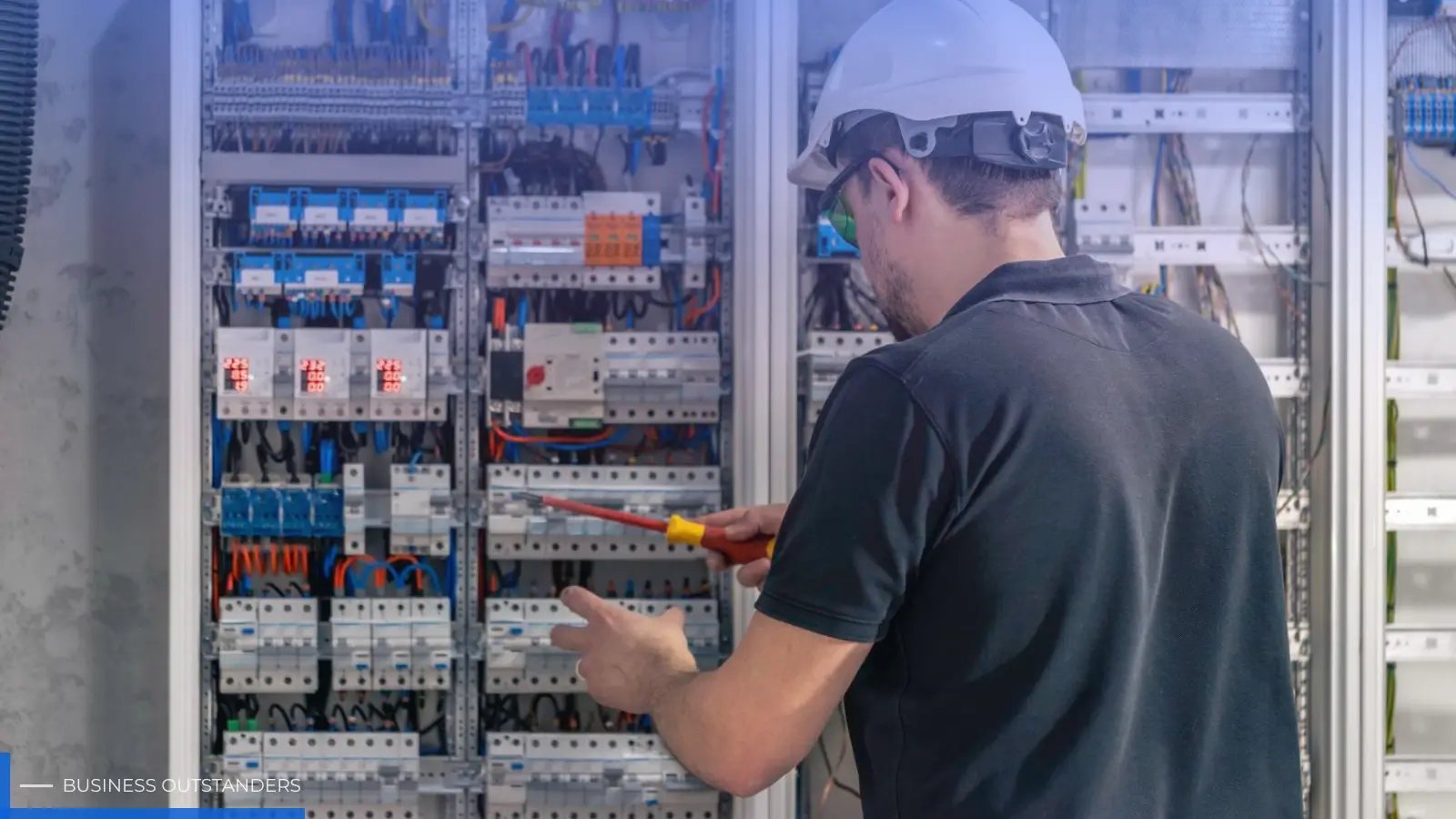
This becomes more important in sectors where serviceability matters. Electrical cabinets, transportation components, industrial equipment, furniture systems, HVAC housings, and consumer devices all benefit from threaded connections that can be removed and reinstalled without degrading the base material.
Geometry matters in demanding assemblies
The shape of the insert body directly affects resistance to spinning and loosening. In static applications, a standard round profile may be sufficient. In assemblies exposed to vibration, side loads, or repeated maintenance, geometry becomes a more important engineering choice.
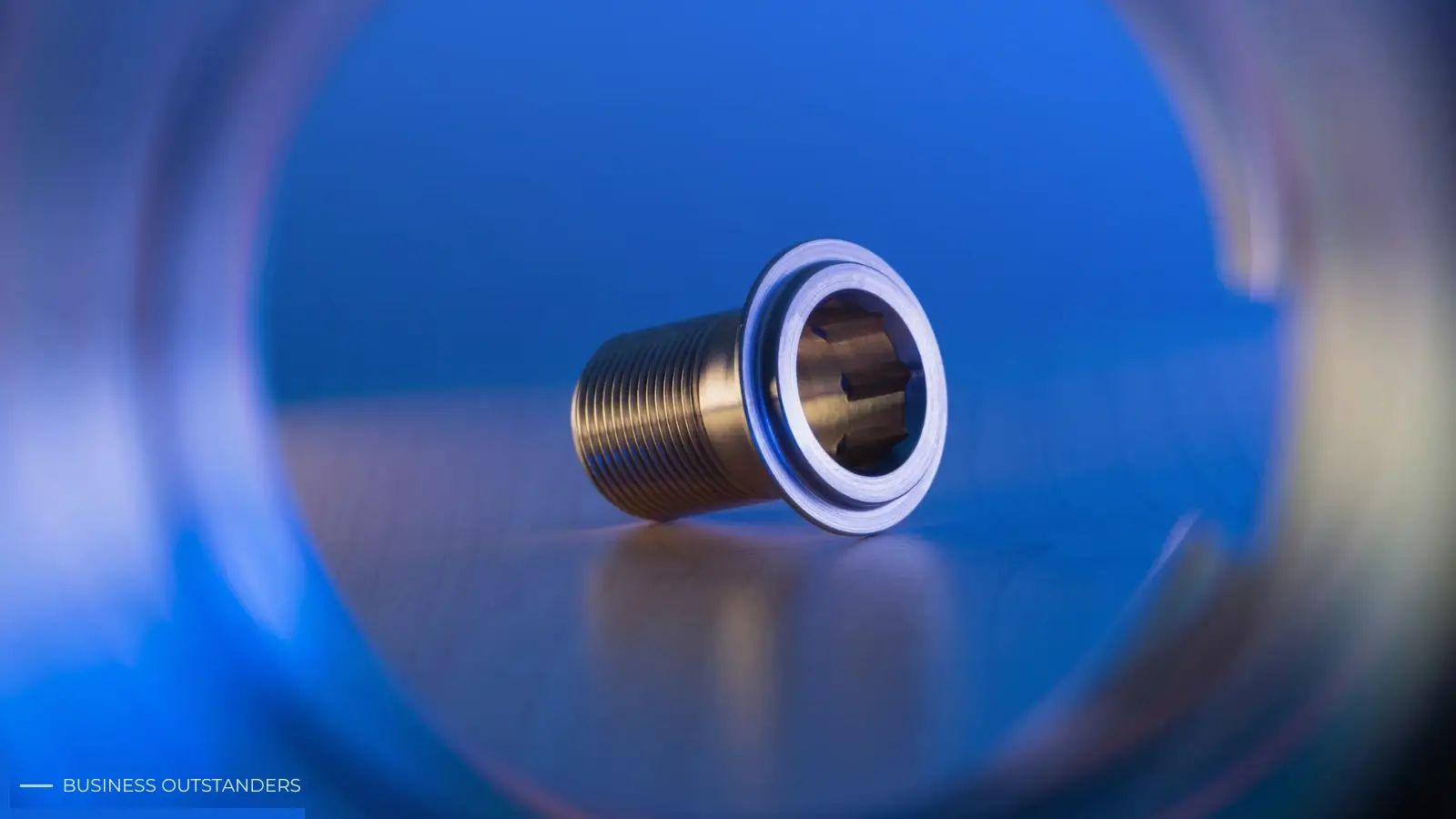
A hex rivnut is often selected when higher resistance to rotation is needed inside the host material. Because its shape engages differently with the receiving hole, it can help improve grip in applications where torque transfer is a concern. That makes profile selection relevant not only to load capacity, but also to assembly stability over time.
This is where design teams benefit from evaluating fastening points earlier in the development process. When insert geometry is considered alongside material thickness, access constraints, and service requirements, manufacturers reduce the risk of late-stage redesign.
The production impact of a poor fastening decision
Fastening issues rarely stay isolated. A poor insert choice can affect multiple departments at once. On the shop floor, operators may struggle with inconsistent installation, misalignment, or part rejection. In quality control, inspection failures may rise because installed inserts do not meet positional or torque expectations. In the field, service technicians may encounter spinning threads, panel distortion, or premature failure after repeated disassembly.
These issues carry a cost that rarely appears in the quoted price of the part. Hidden costs include scrap, rework, slower throughput, warranty claims, and labor time. In lean operations, even minor interruptions create measurable losses. The insert itself may cost little, but the wrong one can create expensive friction across the product lifecycle.
For procurement teams, this changes the conversation, , especially when sourcing industrial hardware at scale where consistency and performance matter as much as cost. They should also consider consistency, compatibility with installation tools, material performance, and supplier quality stability.
Better results come from a cross-functional review
Fastener selection improves when it is treated as a cross-functional decision. Engineering defines performance requirements, operations identify installation realities, quality validates repeatability, and procurement reviews sourcing risk. When those groups work independently, the chosen insert may satisfy one requirement while creating problems elsewhere.
A better process starts with a few grounded questions. Which material will receive the insert, and what thickness is available? Will the joint face vibration, service cycles, or side loading? Is access limited to one side? How much installation variability can the line absorb? What failure mode is most costly: thread stripping, rotation, corrosion, or misalignment?
These questions help teams move beyond generic specifications and toward fastening choices that support overall manufacturing performance.
Small components, strategic consequences
Manufacturing efficiency often depends on decisions that receive little executive attention. Threaded inserts fall into that category. They are small, inexpensive, and easy to overlook. Yet they influence uptime, product durability, serviceability, and total production cost.
As products become lighter, more modular, and more service-oriented, fastening points are becoming more strategic. Companies that review these details carefully are better positioned to reduce avoidable downtime and improve assembly consistency. In that sense, insert selection is no longer just a hardware choice. It is part of operational discipline.
Business Outstanders brings you sharp insights on tech, business, entrepreneurship, law, crypto, and more. We uncover what’s next. Stay updated, sign up for our newsletter and be part of the future!