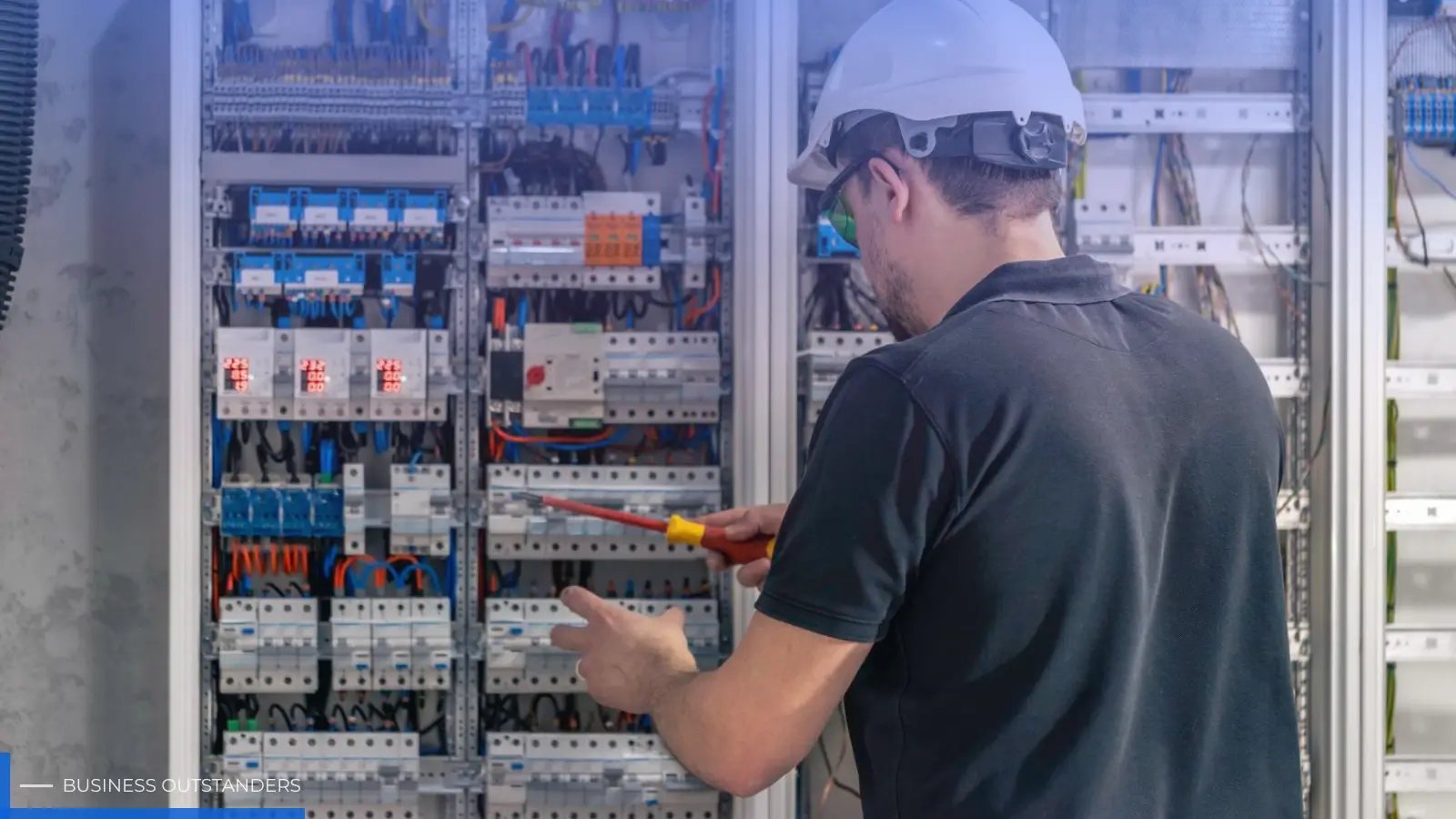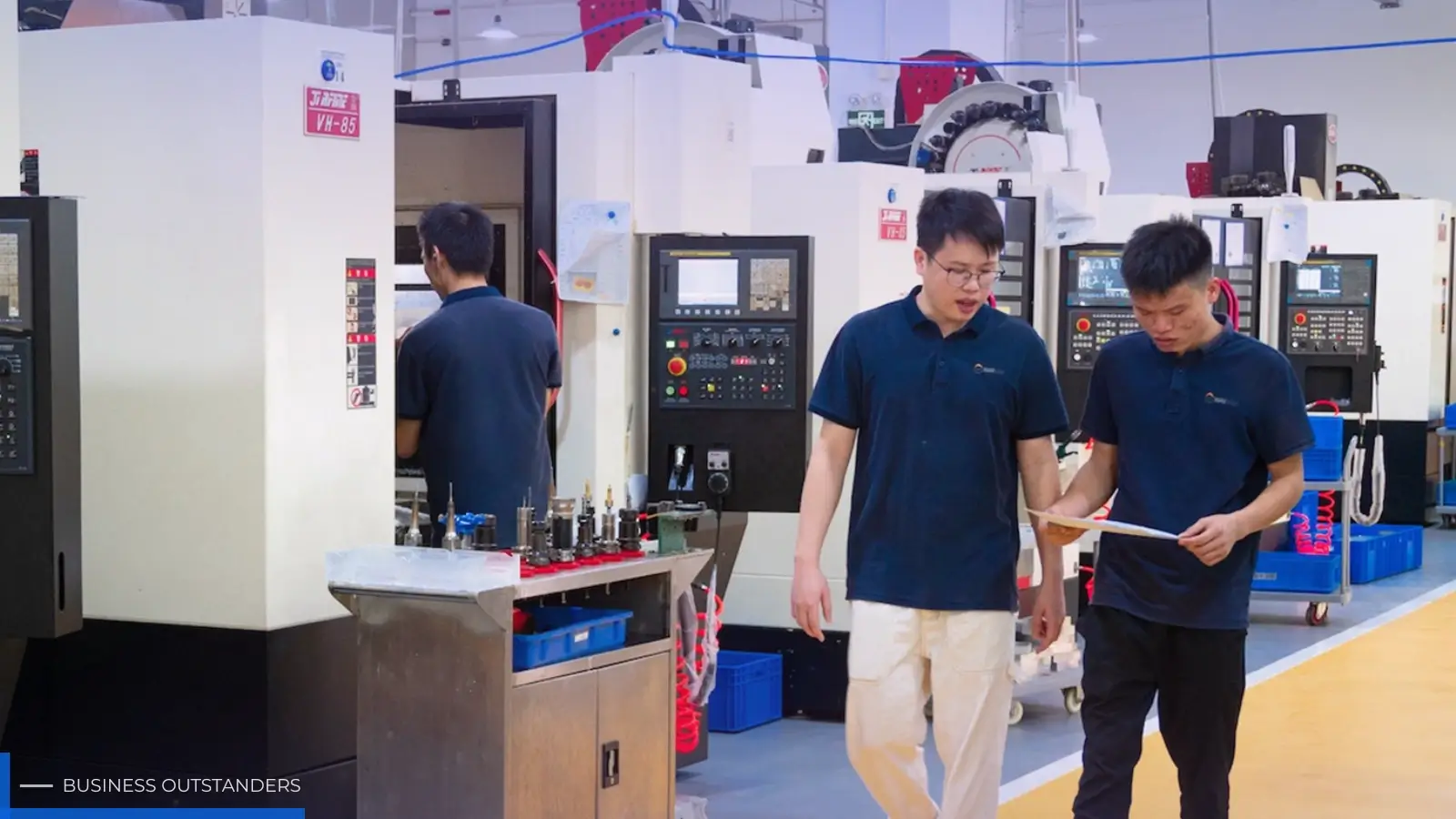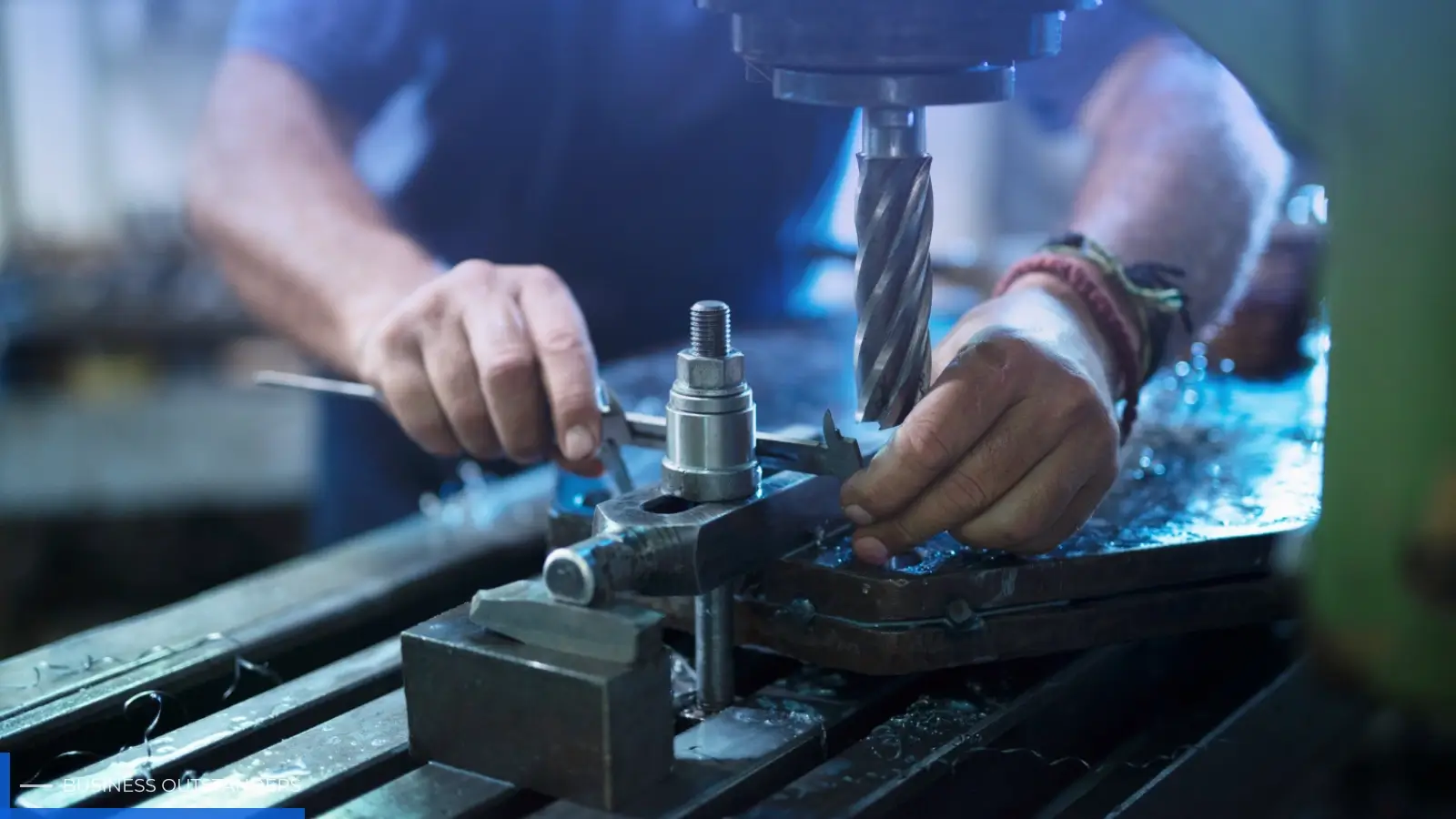
In industrial operations, the quality of hardware components plays a critical role in ensuring safety, efficiency, and long-term performance. From construction and manufacturing to marine and logistics sectors, businesses rely heavily on hardware such as fasteners, rigging components, and load-bearing fittings. When sourcing these materials at scale, procurement decisions can significantly impact operational outcomes. Among the many factors to consider, material quality stands out as one of the most important.
The High Stakes of Industrial Hardware Procurement
Industrial hardware is often subjected to extreme conditions, including heavy loads, constant stress, exposure to moisture, chemicals, and fluctuating temperatures. In such demanding environments, even minor material deficiencies can lead to premature wear, failure, or safety hazards.
When sourcing hardware in large quantities, the risks are amplified. A single batch of substandard components can affect multiple projects or systems, resulting in costly downtime, repairs, or even accidents. For procurement teams, this underscores the importance of prioritizing material quality over short-term cost savings.
Material Selection and Performance Reliability
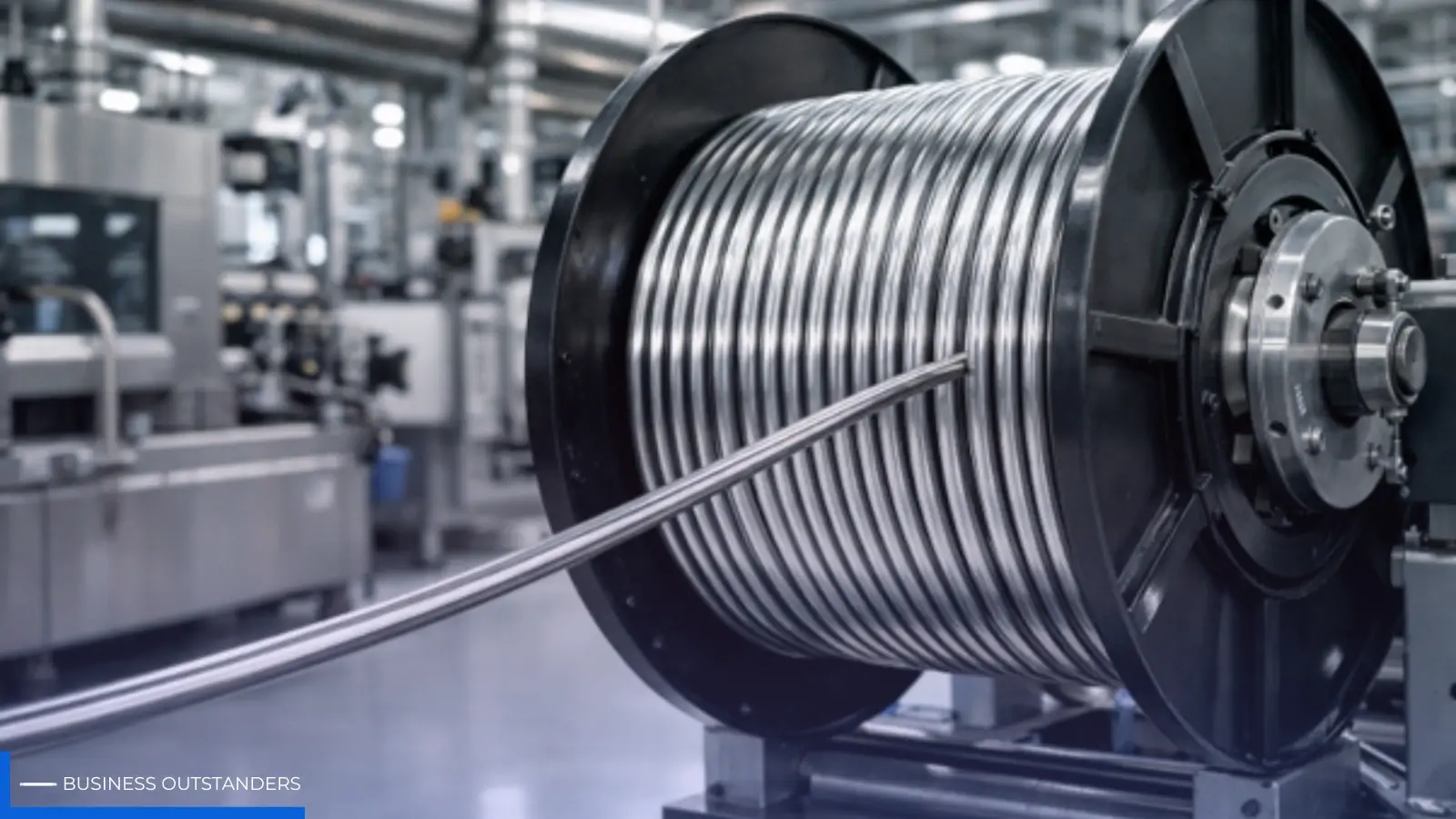
Different materials offer varying levels of strength, durability, and resistance to environmental factors. Common materials used in industrial hardware include carbon steel, alloy steel, and stainless steel. Each has its own advantages, but the choice must align with the intended application. In many cases, stainless steel machining ensures components meet exact specifications with consistent quality.
For instance, carbon steel may be suitable for indoor or low-stress applications, but it is more susceptible to corrosion when exposed to moisture. Alloy steel provides enhanced strength and toughness, making it ideal for high-load scenarios. However, in environments where corrosion resistance is critical—such as marine, chemical, or outdoor applications—stainless steel is often the preferred choice.
Material quality directly affects performance reliability. High-grade materials are less likely to deform, crack, or degrade under stress, ensuring that hardware components maintain their integrity over time. This reliability is essential for maintaining operational continuity and avoiding unexpected failures.
Corrosion Resistance and Longevity
Corrosion is one of the most common causes of hardware failure. It not only weakens the structural integrity of components but also compromises safety. In industries where equipment is exposed to water, salt, or chemicals, corrosion-resistant materials are essential.
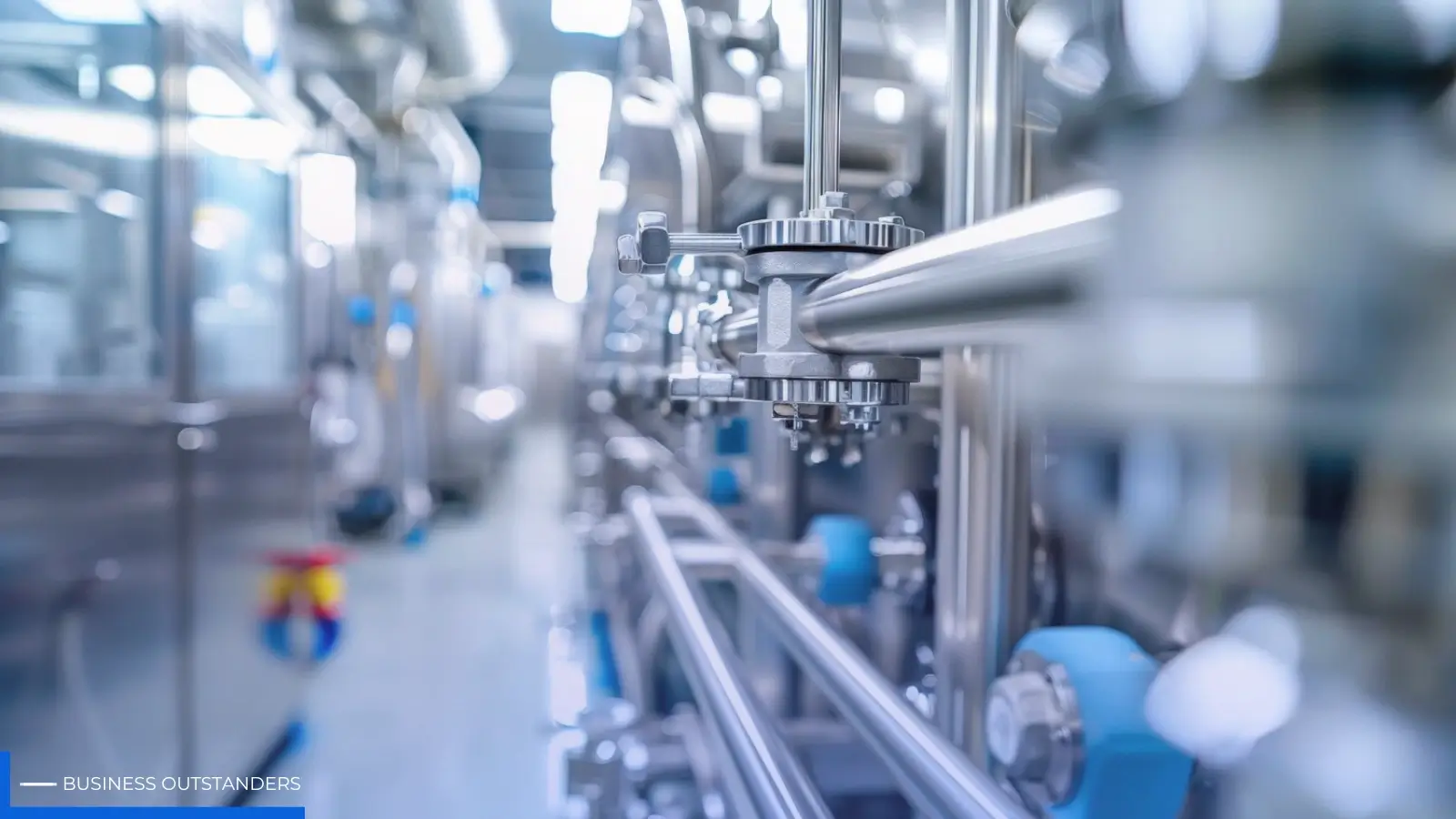
Stainless steel is widely recognized for its excellent corrosion resistance, thanks to its chromium content, which forms a protective oxide layer on the surface. This makes it particularly suitable for harsh environments where other materials would quickly deteriorate.
When evaluating suppliers, procurement teams often look for reliable sources of stainless steel hardware that meet industry standards. For example, Fehr Bros. is a wholesale supplier that carries a range of stainless steel rigging hardware for industrial use. Their inventory includes components such as stainless steel shackles, which are commonly used in lifting and rigging applications where both strength and corrosion resistance are required.
Safety and Compliance Considerations
Safety is a top priority in any industrial setting. Hardware components are often integral to load-bearing systems, lifting operations, and structural assemblies. Failure of a single component can have serious consequences, including equipment damage, project delays, and potential injury.
High-quality materials are essential for meeting safety standards and regulatory requirements. Many industries have strict guidelines regarding the materials and specifications used in hardware components. Using substandard materials not only increases risk but may also result in non-compliance with these regulations.
Procurement teams must ensure that suppliers provide certified materials that meet relevant standards. This includes verifying material composition, load ratings, and manufacturing processes. Investing in quality materials helps mitigate risks and ensures that operations remain compliant with industry regulations.
Cost Efficiency Beyond Initial Pricing
While lower-cost materials may seem attractive from a budgeting perspective, they often lead to higher long-term expenses. Frequent replacements, increased maintenance, and potential downtime can quickly outweigh any initial savings.
High-quality materials, on the other hand, offer better durability and performance, reducing the need for repairs and replacements. This leads to lower total cost of ownership over time. For businesses operating at scale, these savings can be substantial.
Additionally, reliable hardware minimizes disruptions in operations. Downtime caused by component failure can be costly, particularly in industries where time-sensitive processes are involved. By investing in quality materials, companies can maintain consistent productivity and avoid unexpected expenses.
Supplier Reliability and Quality Assurance
Material quality is closely tied to supplier reliability. Even the best materials can fall short if they are not manufactured or handled properly. This makes it essential to partner with suppliers who have a proven track record of quality assurance and consistency.
Key factors to consider when evaluating suppliers include:
- Quality control processes: Ensure that materials are tested and verified before distribution.
- Certifications and standards: Look for compliance with industry standards such as ASTM or ISO.
- Traceability: The ability to track materials back to their source is important for accountability.
- Inventory consistency: Reliable suppliers maintain consistent quality across large orders.
By working with reputable suppliers, procurement teams can reduce variability and ensure that all components meet the required specifications.
Scaling Operations Without Compromising Quality
As businesses grow, the demand for industrial hardware increases. Scaling procurement operations can be challenging, particularly when trying to maintain consistent quality across large volumes.
Standardizing material specifications and establishing long-term supplier relationships are key strategies for managing this challenge. By defining clear quality requirements and working with trusted suppliers, companies can scale their operations without compromising on performance or safety.
Bulk purchasing agreements and strategic sourcing can also help balance cost efficiency with quality. Rather than seeking the lowest price, procurement teams should focus on value—ensuring that materials meet performance requirements while remaining cost-effective over time.
The Strategic Importance of Material Quality
Material quality is not just a technical consideration; it is a strategic factor that influences overall business performance. From safety and compliance to cost efficiency and brand reputation, the impact of material selection extends across the entire operation.
In industries where reliability and durability are critical, investing in high-quality materials is essential. Stainless steel, in particular, offers significant advantages in terms of corrosion resistance and strength, making it a preferred choice for many applications.
By prioritizing material quality when sourcing industrial hardware at scale, businesses can enhance operational efficiency, reduce risks, and achieve long-term success. In a competitive and demanding industrial landscape, this approach provides a clear advantage—ensuring that systems remain robust, reliable, and ready to perform under pressure.
Business Outstanders brings you sharp insights on tech, business, entrepreneurship, law, crypto, and more. We uncover what’s next. Stay updated, sign up for our newsletter and be part of the future!