Key Takeaways:
-
Custom precast refractory shapes offer superior thermal shock resistance compared to cast-in-place alternatives, reducing failure rates in steel furnaces
-
Factory-controlled manufacturing ensures consistent quality and optimized material properties through pre-firing processes
-
Installation time can be reduced by up to 50%, minimizing costly production downtime
-
Customization capabilities address complex geometries and specific operational requirements in reheat furnaces, ladles, and other critical steel processing equipment
-
Precast shapes extend service life while reducing maintenance frequency and associated costs
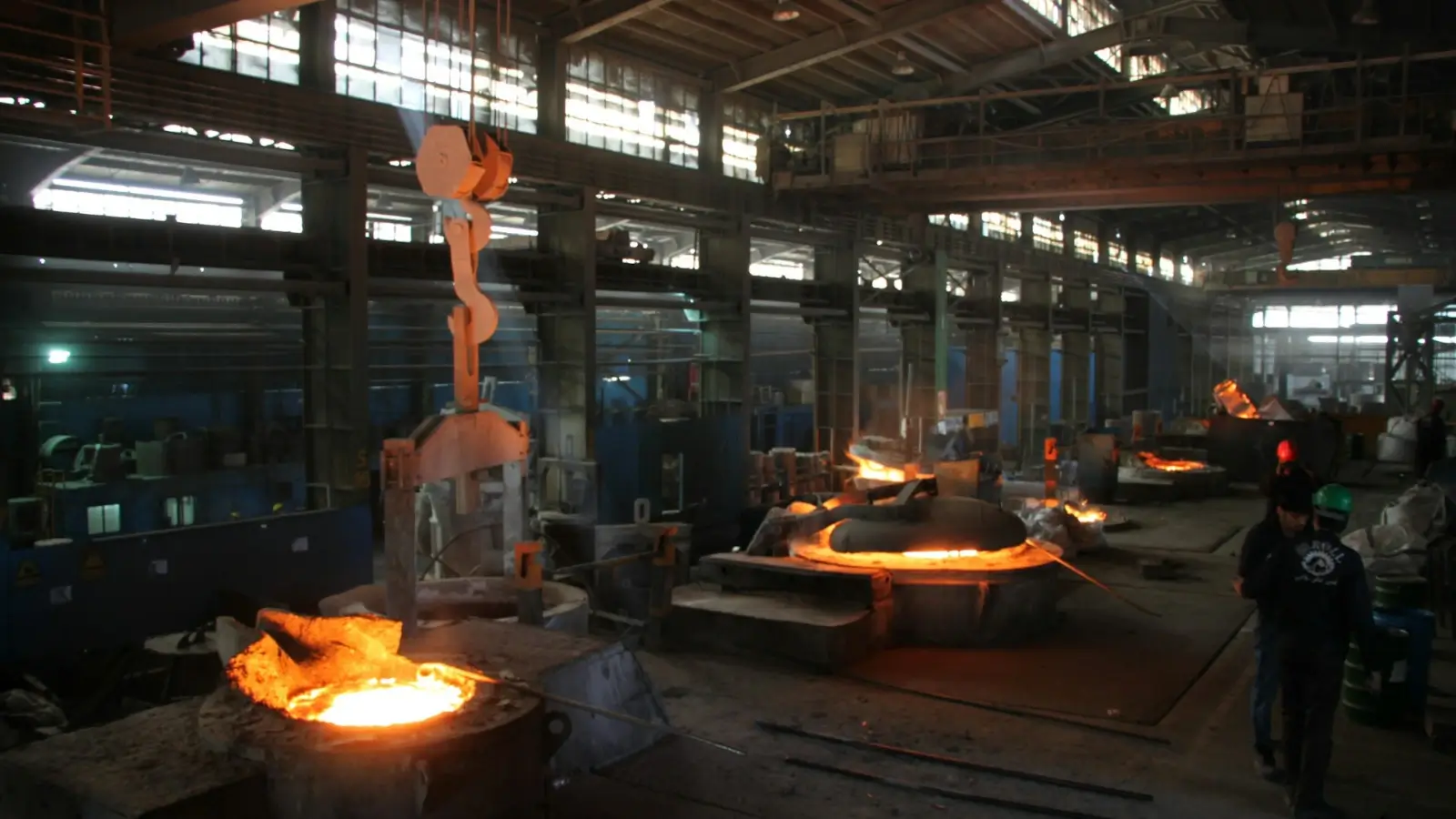
Steel operations demand refractory systems that can withstand some of the most extreme conditions in industrial manufacturing. From blast furnaces operating above 2,700°F to electric arc furnaces experiencing rapid temperature swings, the reliability of refractory linings directly impacts production efficiency, safety, and profitability. Custom precast refractory shapes have emerged as a proven solution for addressing these challenges, offering advantages that traditional cast-in-place methods cannot match.
The Critical Role of Refractories in Steel Manufacturing
Refractory materials form the protective barrier between high-temperature processes and the structural steel components of furnaces, ladles, and other equipment. In steel operations, these linings face multiple simultaneous stressors including thermal shock from rapid temperature changes, chemical attack from molten metal and slag, mechanical abrasion from material movement, and constant thermal cycling during production.
When refractory systems fail, the consequences extend far beyond the immediate repair costs. Unplanned downtime can halt entire production lines, creating cascading delays and lost revenue. Emergency repairs often require premium pricing and expedited logistics, while compromised linings increase safety risks for personnel and equipment. For steel manufacturers, refractory reliability is not merely a maintenance concern but a fundamental operational imperative.
Understanding Precast Refractory Technology
Precast refractory shapes are precision-engineered components manufactured in controlled factory environments rather than formed on-site. This manufacturing approach fundamentally changes how refractory materials develop their key properties. During production, precast shapes undergo controlled mixing, molding, curing, and firing processes that optimize their thermal and mechanical characteristics.
The firing process is particularly significant. By heating precast shapes to temperatures between 850°C and 1,000°C during manufacturing, a ceramic bond forms within the material structure. This ceramic bond provides substantially greater strength and durability compared to the hydraulic bonds that develop in conventional cast-in-place castables. The result is a refractory component with fully developed properties before it ever reaches the installation site.
Companies like Chase Nedrow have invested in high-firing capabilities up to 2,400°F, allowing them to pre-condition refractory shapes for the extreme environments they will encounter in steel operations. This controlled manufacturing process eliminates many of the variables and potential defects that can occur with field installations.
Superior Thermal Shock Resistance
Thermal shock represents one of the primary failure modes for refractories in steel operations. When cold scrap metal is charged into a hot furnace, or when furnaces undergo rapid heating and cooling cycles, steep temperature gradients develop within the refractory lining. These gradients create internal stresses that can cause cracking, spalling, and structural failure in materials that lack adequate thermal shock resistance.
Custom precast shapes demonstrate superior performance under thermal shock conditions for several reasons. The pre-firing process develops a stable microstructure that can better accommodate thermal expansion and contraction. The elimination of on-site curing variables ensures consistent material properties throughout the component. Custom formulations can be engineered specifically for the thermal cycling patterns of particular steel processing applications.
In blast furnaces, reheat furnaces, and ladle systems where thermal shock is inevitable, precast shapes consistently outlast traditional refractory installations. The ability to withstand rapid temperature changes without deterioration directly translates to extended service life and reduced frequency of maintenance interventions.
Precision Manufacturing and Quality Control
The controlled factory environment where precast shapes are manufactured enables quality control measures that are impossible to achieve with field installations. Raw materials undergo rigorous testing before mixing. Batching equipment ensures precise proportioning of ingredients. Molding processes create accurate dimensions and smooth surfaces. Curing chambers maintain optimal temperature and humidity throughout the curing period.
This manufacturing rigor produces refractory components with predictable, consistent properties. Every shape meets the same exacting standards, eliminating the variability that comes from different installation crews, weather conditions, or site constraints. For steel operations planning maintenance schedules and estimating refractory performance, this consistency provides valuable reliability.
Quality control extends beyond the manufacturing floor. Reputable precast manufacturers conduct physical property testing on production samples, verifying strength, density, porosity, and thermal characteristics. This data allows steel operators to make informed decisions about material selection for specific applications based on actual performance metrics rather than theoretical specifications.
Reduced Installation Time and Downtime
Time is a critical factor in steel manufacturing. Every hour a furnace sits idle for refractory maintenance represents lost production capacity. Traditional cast-in-place refractory installations require extensive forming, placement, curing, and dry-out time before equipment can return to service. These processes can extend maintenance outages by days or even weeks.
Custom precast shapes dramatically accelerate installation timelines. With no forming or extensive curing required on-site, skilled installation crews can position and secure precast components much more rapidly than placing and finishing castable materials. Installation time reductions of 50% or more are commonly achieved, cutting maintenance windows substantially.
The pre-fired nature of precast shapes also reduces or eliminates the dry-out period. While cast-in-place refractories must be gradually heated to drive off moisture and complete bonding reactions, precast shapes have already undergone these processes during manufacturing. This allows for faster return to service and reduces the risk of explosive spalling from improper heat-up procedures.
For steel operations, these time savings translate directly to increased production capacity and reduced lost revenue during planned maintenance. The ability to complete refractory work during shorter maintenance windows also provides greater scheduling flexibility.
Customization for Complex Geometries
Steel processing equipment often involves complex shapes and tight tolerances that challenge traditional refractory installation methods. Burner ports, transition zones, penetrations for instrumentation, and irregular surfaces require precise fitting and careful workmanship when using cast-in-place materials or standard brick configurations.
Custom precast shapes excel in these challenging applications. Using engineered molds and patterns, manufacturers can produce components that precisely match complex geometries. Curved surfaces, compound angles, integral mounting features, and other specialized requirements can all be incorporated into precast designs. This customization ensures proper fit, eliminates gaps that could allow metal penetration or heat loss, and simplifies field installation.
The design flexibility of precast shapes also enables optimization of refractory systems for specific performance requirements. Different zones within a single furnace may benefit from different material formulations. Precast technology allows manufacturers to zone refractories, using higher-performance materials only where needed and more economical options in less demanding areas. This optimization balances cost and performance effectively.
Organizations with extensive experience in steel applications, such as Chase Nedrow serving iron and steel operations, understand the unique geometric and performance requirements of different furnace designs. This knowledge informs the development of precast solutions tailored to specific equipment configurations and operating conditions.
Enhanced Mechanical Properties
The strength and durability of refractory linings directly impact their resistance to mechanical damage from material handling, thermal expansion forces, and operational stresses. Custom precast shapes consistently demonstrate superior mechanical properties compared to field-placed alternatives.
The pre-firing process develops strong ceramic bonds that provide high compressive strength, tensile strength, and resistance to abrasion. These properties are fully developed before installation, unlike cast-in-place materials where final strength depends on proper field curing conditions. The result is a refractory component that can better withstand the mechanical demands of steel operations.
For applications involving heavy loads, such as furnace hearths supporting tons of steel billets, or ladle bottoms carrying molten metal, these enhanced mechanical properties are essential. Precast shapes maintain dimensional stability under load, reducing the risk of structural failures that can cause catastrophic equipment damage.
The improved abrasion resistance of precast materials also extends service life in areas subject to sliding contact with steel products or exposure to abrasive slag. Longer wear life means fewer repairs and replacements, reducing both direct maintenance costs and production interruptions.
Streamlined Repair and Replacement
When refractory repairs become necessary, the modular nature of precast shapes simplifies the process. Rather than extensive demolition and reconstruction, damaged precast components can often be removed and replaced individually. This targeted approach minimizes the scope of repair work and reduces associated downtime.
The standardization possible with precast shapes also allows steel operations to maintain an inventory of critical components. When unexpected failures occur, replacement shapes can be available immediately rather than requiring emergency casting and curing on-site. This preparedness significantly reduces the duration and cost of unplanned outages.
For routine maintenance, the ability to pre-stage all necessary precast components before a scheduled outage improves project planning and execution. Installation crews can work efficiently without waiting for materials to cure, and quality issues can be identified and addressed before components reach the field rather than discovered during installation.
Long-Term Cost Effectiveness
While custom precast refractory shapes may involve higher initial material costs compared to bulk castables, their total cost of ownership typically proves lower when all factors are considered. The extended service life resulting from superior material properties and controlled manufacturing reduces the frequency of repairs and replacements. Lower maintenance frequency means fewer production interruptions and reduced labor costs over time.
The faster installation enabled by precast shapes translates directly to reduced downtime costs. For steel operations where every hour of production has significant value, the ability to complete maintenance more quickly generates substantial savings that often dwarf the material cost differential.
Improved reliability and predictability in refractory performance also have economic value. With consistent, dependable refractory systems, steel manufacturers can plan maintenance more effectively, avoid emergency repairs, and operate with greater confidence in equipment availability. This operational stability contributes to overall profitability even if the specific refractory cost savings are difficult to quantify precisely.
The Importance of Manufacturing Expertise
The advantages of custom precast refractory depend fundamentally on the capabilities and experience of the manufacturer. Not all precast shapes deliver the same performance, and the gap between high-quality and mediocre products can be substantial. Steel operations benefit from partnering with manufacturers who understand both refractory science and the specific demands of steel processing applications.
Key capabilities to consider include high-temperature firing capacity, which ensures proper bond development and material maturation. Precise molding and dimensional control prevent fit issues during installation. Access to a range of raw materials allows optimization for different operating conditions. Experienced technical staff can provide application-specific recommendations and troubleshooting support.
Companies with decades of experience in steel applications, like Chase Nedrow serving the industry since 1976, bring valuable knowledge to refractory system design. Their understanding of failure modes, operating conditions, and performance requirements in different steel processes informs material selection, shape design, and installation practices. This expertise helps steel operations achieve optimal results from their precast refractory investments.
Integration with Modern Steel Operations
As steel manufacturing continues to evolve with advances in process control, energy efficiency, and environmental performance, refractory systems must keep pace. Custom precast technology supports these operational improvements through several mechanisms.
The consistent thermal properties of precast shapes enable more accurate thermal modeling of furnace systems. This predictability supports optimization of heating profiles, fuel efficiency, and product quality. The ability to zone refractories with different thermal conductivities helps manage heat flow and minimize energy losses.
Environmental considerations also factor into refractory selection. The factory manufacturing of precast shapes generates less on-site waste compared to field mixing and placement of castables. Improved durability means less frequent replacement, reducing both material consumption and disposal requirements over time. The faster installation of precast components also reduces the environmental impact of extended maintenance outages.
From a safety perspective, precast shapes offer advantages by reducing the amount of mixing, handling, and placement work required on-site. Less intensive installation activities mean reduced exposure to physical hazards and potentially hazardous materials. The improved reliability of precast refractories also reduces the risk of failures that could endanger personnel or equipment.
Considerations for Implementation
Successfully implementing custom precast refractory solutions requires careful planning and execution. Steel operations should work closely with manufacturers during the design phase to ensure shapes are optimized for specific applications. Accurate measurements and clear communication of operating conditions, performance requirements, and constraints are essential.
Installation procedures must be followed precisely to achieve the expected performance. While precast shapes simplify many aspects of installation, proper handling, positioning, and securing remain critical. Manufacturers typically provide detailed installation instructions and may offer field support to ensure correct practices.
Maintenance strategies should account for the modular nature of precast systems. Regular inspections can identify wear patterns and developing problems before they cause failures. The ability to replace individual components allows for proactive maintenance that minimizes unplanned downtime.
Steel operations should also consider lead times when planning projects involving custom precast shapes. While manufacturing typically proceeds more quickly than might be expected, complex or unusual shapes may require mold development and production scheduling. Early engagement with manufacturers helps ensure components are available when needed for scheduled maintenance.
Frequently Asked Questions
What types of steel equipment benefit most from custom precast refractory?
Reheat furnaces, ladles, blast furnaces, electric arc furnaces, and basic oxygen furnaces all benefit significantly from precast refractory solutions. Any application involving thermal cycling, complex geometries, or demanding operating conditions can see improved reliability with precast shapes compared to traditional alternatives.
How long do custom precast refractory shapes typically last in steel operations?
Service life varies based on operating conditions, but precast shapes typically outlast cast-in-place alternatives by 30-100% or more. In some applications, properly specified precast components can deliver multiple years of reliable service where traditional refractories require annual replacement.
Can existing steel equipment be retrofitted with custom precast refractory?
Yes, most existing equipment can be retrofitted with custom precast shapes during planned maintenance. Manufacturers can design shapes to fit existing configurations, often improving performance compared to original refractory systems. Detailed measurements and consultation with experienced suppliers ensure proper fit.
What factors should be considered when specifying custom precast refractory?
Operating temperature, thermal cycling patterns, chemical environment, mechanical stresses, and maintenance preferences all influence material selection and shape design. Working with manufacturers who understand steel applications ensures these factors are properly addressed in specifications.
How does the cost of custom precast refractory compare to traditional materials?
Initial material costs for precast shapes are typically higher than bulk castables, but total cost of ownership is often lower due to extended service life, reduced installation time, fewer repairs, and less production downtime. A comprehensive analysis considering all factors usually favors precast solutions.
What quality control measures ensure precast shapes meet performance requirements?
Reputable manufacturers conduct raw material testing, maintain precise batching controls, perform in-process inspections, and test finished products for key properties including strength, density, and thermal characteristics. These measures ensure consistent quality and reliable performance.
Can precast shapes be customized for specific furnace designs?
Yes, custom precast shapes can be engineered to match virtually any furnace geometry or performance requirement. Manufacturers work from customer measurements and specifications to create components that fit precisely and deliver optimal performance for specific applications.
Business Outstanders brings you sharp insights on tech, business, entrepreneurship, law, crypto, and more. We uncover what’s next. Stay updated, sign up for our newsletter and be part of the future!