Modern technology moves at a speed that continually challenges the limits of engineering and design. Devices are becoming smaller, faster, stronger, and more capable, which places incredible demands on the manufacturing processes that bring them to life. Whether it is the smartphone in your pocket, the medical devices that save lives, or the electric vehicles transforming transportation, these innovations depend on precision manufacturing to function reliably and safely.
Precision manufacturing is far more than a trend. It is a foundational requirement for the technologies shaping our future. As industries push for tighter tolerances and more complex geometries, the value of precision grows. Manufacturers must now combine advanced equipment with specialized expertise to meet quality expectations that would have been unimaginable a few decades ago.
To understand why precision manufacturing is so essential, it helps to look at the increasing performance demands, the evolving use of materials, and the critical role accuracy plays in safety and longevity.
The Demand for Tighter Tolerances in Modern Products
Every new generation of products seems to require more efficiency and more capability in less space. Consider the evolution of consumer electronics. Early computers required entire rooms to function, yet today a laptop or tablet delivers exponentially greater computing power and fits into a backpack. Achieving this level of miniaturization is only possible with precise machining techniques that allow components to fit together with micrometer level accuracy.
In aerospace and defense, tolerance requirements are even stricter. A minor flaw in an aircraft turbine blade or missile component can jeopardize the safety of an entire system. Precision manufacturing ensures consistency from one part to the next, which is vital for performance under extreme conditions. These industries rely on carefully engineered features, often impossible to produce without specialized machining methods that maintain exact specifications.
Medical technology shows another challenging environment. Implants, surgical tools, and diagnostic equipment must operate flawlessly inside the human body where failure is not an option. Surgeons expect components that are smooth, biocompatible, and dimensionally perfect. The push for minimally invasive procedures also means components must be smaller and more intricate than ever before.
In each case, the role of precision manufacturing is the same. It translates complex designs into reliable physical components. Without it, even the most innovative ideas could not be brought into functional reality.
How Advanced Materials Increase Manufacturing Complexity
Modern engineers continue to turn to new materials to achieve performance improvements. Titanium, carbon fiber composites, nickel alloys, and advanced ceramics are now common in high tech manufacturing. These materials deliver superior strength, temperature resistance, or weight reduction. However, they also create challenges during production.
Hard metals and heat resistant alloys can be difficult or impossible to machine using traditional cutting tools. Composites can delaminate or splinter if handled incorrectly. Ceramics require extreme precision to prevent cracking. As a result, manufacturers must adopt advanced machining methods that deliver accuracy without damaging the properties of the material.
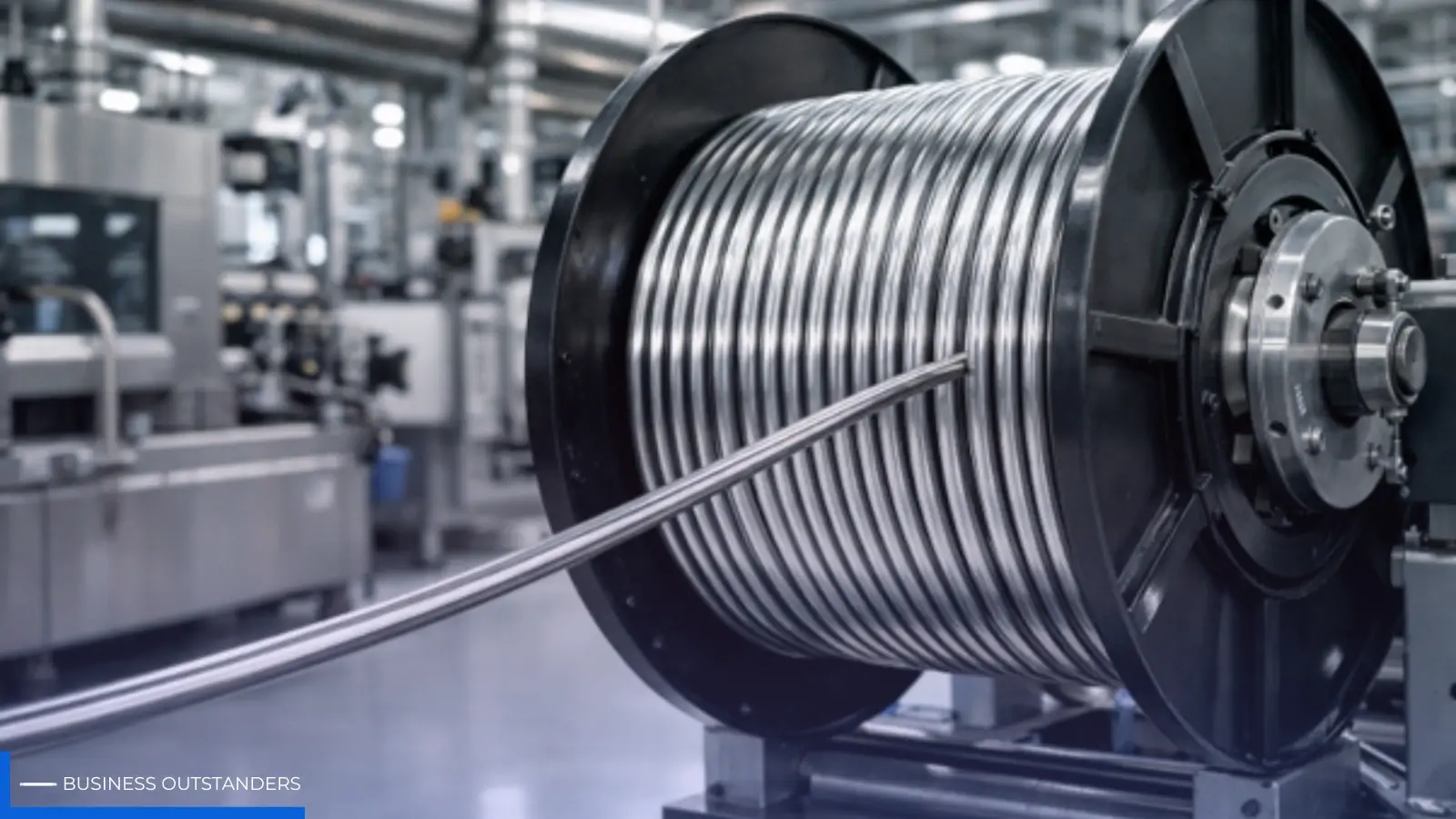
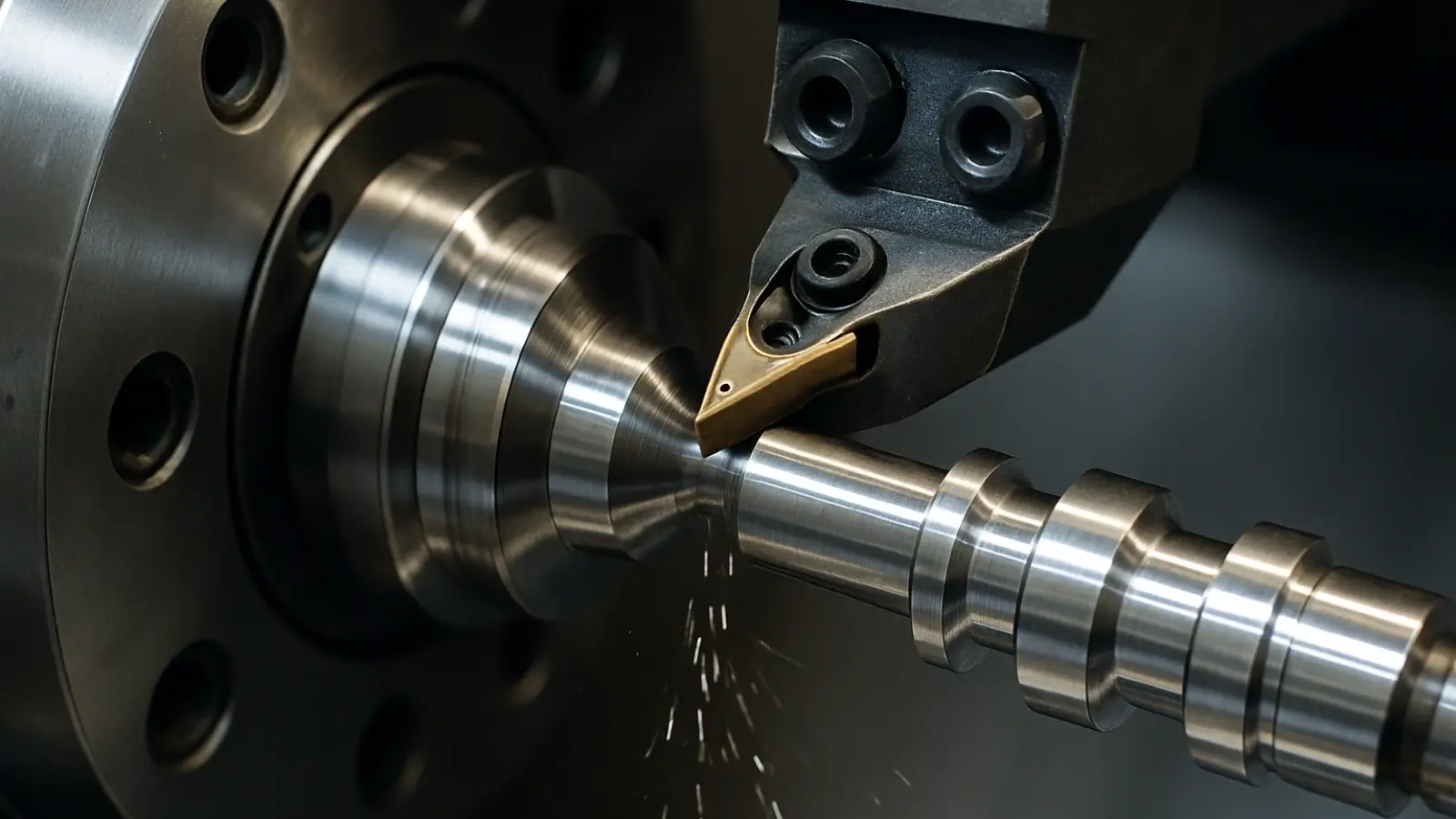
Technologies such as laser cutting, multi axis CNC machining, and electrical discharge machining have become essential. Each offers unique advantages. For example, CNC machining provides control and repeatability, while electrical discharge machining enables manufacturers to shape conductive metals with remarkable accuracy and no direct cutting force. These capabilities have opened the door to product designs that would not have been feasible with older techniques.
Many companies also rely on Wire EDM Services to meet the demands of intricate parts with tight tolerances, highlighting how essential specialized technologies have become to modern production.
The Connection Between Precision and Product Reliability
Consumers today expect technology to work flawlessly. They want cars that last for hundreds of thousands of miles, medical devices that function for decades, and electronics that can withstand constant daily use. Reliability is no longer seen as a bonus. It is a standard requirement, and precision manufacturing plays a direct role in achieving it.
A part that is even slightly out of tolerance can cause downstream failures. Poorly fitting components create friction, vibration, or misalignment. In complex machines, small errors can multiply. A single flawed surface or dimension may reduce efficiency or cause premature wear.
Manufacturers that prioritize precision ensure that every part functions exactly as intended. This improves product longevity, reduces warranty claims, and enhances customer trust. In highly regulated industries like automotive, aerospace, and medical technology, precision also helps companies meet strict compliance requirements. Detailed documentation, repeatable processes, and validation testing all depend on consistent manufacturing practices.
Precision Manufacturing Supports Innovation
Behind every breakthrough product is a design team imagining new possibilities. However, even the most creative ideas cannot move forward unless manufacturers can produce them with accuracy. Precision machining transforms conceptual models into testable prototypes. These prototypes guide development, reveal design improvements, and ultimately lead to mass production.
As new technologies emerge, precision manufacturing helps bridge the gap between innovation and practical application. For example, in renewable energy, wind turbine components and solar panel structures must be machined with precision to operate efficiently and withstand environmental forces. In robotics, gears, sensors, and housings require exact measurements to maintain smooth and coordinated motion. In electric vehicles, battery components and powertrain parts must align perfectly to deliver performance and safety.
In many ways, precision manufacturing acts as the backbone of progress. Without it, designers would face severe limitations and industries would struggle to evolve.
Cost Efficiency Through Better Manufacturing Practices
Some might assume that precision manufacturing is expensive, but in reality it often reduces costs over the long term. Accurate machining minimizes material waste, reduces the need for rework, and shortens the production timeline. High quality parts create fewer defects during assembly and require fewer inspections.
Since precision processes rely on automated systems, they also reduce human error. Skilled machinists still play a vital role, particularly in planning and monitoring, but automation ensures consistent execution. When companies invest in precision manufacturing, they often find that overall efficiency improves across the production cycle.
Additionally, high precision parts allow for modular design strategies. Products can be assembled more quickly when components fit together reliably. This increases scalability for companies that need to transition from prototype to large scale production.
Enhancing Safety in Critical Applications
Safety is perhaps the most important reason precision manufacturing is essential for modern technology. In industries where failure can lead to catastrophic consequences, accuracy is non negotiable.
Aircraft components, for example, must endure extreme temperatures, vibrations, and stress. Even slight imperfections could compromise structural integrity. Medical implants must integrate with the human body without causing complications. Electronics used in security systems must operate reliably every time.
Precision manufacturing ensures that these components meet strict performance standards. It allows engineers to predict how parts will behave throughout their lifespan and reduces the chances of unexpected failures. For companies working in regulated environments, precision is not only a competitive advantage but also a legal requirement.
The Future of Precision Manufacturing in a Digital World
As technology continues to evolve, precision manufacturing will only grow more important. The rise of smart factories, automation, and artificial intelligence is transforming production environments. Machines can now make real time adjustments, analyze performance data, and improve efficiency without human intervention.
Additive manufacturing, often known as 3D printing, is becoming a valuable tool for customized parts and rapid prototyping. While it does not replace traditional machining, it complements precision methods by enabling new geometries and material options. Hybrid manufacturing systems that combine additive and subtractive processes are becoming more common, pushing the boundaries of what is possible.
The continued advancement of materials science, data analysis, and machining technology means precision manufacturing will remain at the heart of innovation across every major industry.
Conclusion
Precision manufacturing is not just an operational choice. It is an essential element of modern technology. As products become more complex and demand higher performance, the need for accuracy becomes increasingly important. Precision ensures reliability, enhances safety, supports innovation, and reduces long term costs. It closes the gap between ambitious ideas and functional, real world solutions.
In a future defined by rapid progress and advanced engineering, precision manufacturing will continue to serve as the foundation that allows technology to advance with confidence.
Business Outstanders brings you sharp insights on tech, business, entrepreneurship, law, crypto, and more. We uncover what’s next. Stay updated, sign up for our newsletter and be part of the future!