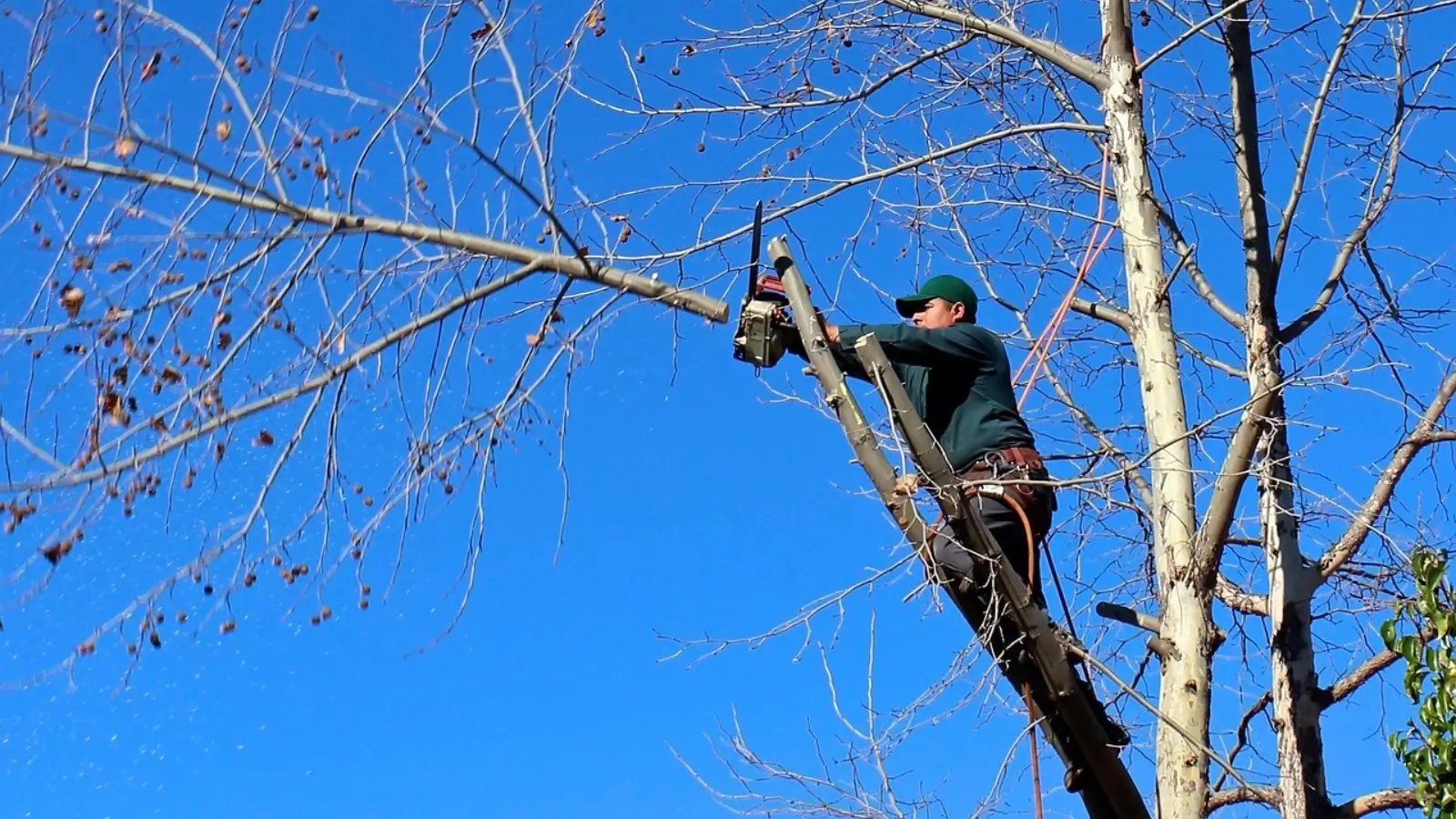
Trees are a part of any property’s landscape, providing shade, beauty and a natural aesthetic that boosts curb appeal. But maintaining their health and appearance requires more than just occasional watering or admiring. Tree trimming is a part of landscape maintenance, for safety, longevity and controlled growth. Without regular maintenance, trees can become hazardous, grow out of control or succumb to disease and pests. Knowing the right frequency for scheduling tree trimming services in Bellevue, WA, is key for homeowners who want to protect their investment and the natural environment around their home.
1. Tree Species and Trimming Schedules
Different types of trees require different levels of care, so species identification is the first step in creating a trimming schedule. Deciduous trees need to be pruned every 2-3 years to maintain their structure and health. Evergreens need less frequent attention, sometimes only every 5 years. Fruit-bearing trees may need to be pruned annually to encourage fruit production and prevent disease. Knowing the specific needs of each tree species ensures the timing and technique of trimming maximizes the tree’s vitality and aesthetic contribution to your landscape.
2. Seasonal Timing for Best Results
The time of year you trim matters. Late winter or early spring is often the best time, as trees are dormant and trimming causes less stress. Additionally, without foliage, it’s easier to see the tree’s structure and make strategic cuts. Trimming during the growing season is not recommended unless there’s an immediate safety concern, as this can interfere with growth and sap flow. Choosing the right time of year not only improves tree health but also speeds up recovery and minimizes disruption.
3. Safety and Structural Integrity
One of the biggest reasons to schedule these services regularly is safety. Overgrown branches near roofs, driveways or power lines can be a big risk during storms or high winds. Trimming prevents falling limbs that can damage property or harm people. It also reduces the weight load on limbs, decreasing the risk of branch failure due to structural weakness. Maintaining a safe and stable tree structure through regular trimming is a proactive step in protecting your home and its surroundings.
4. Visual Appeal and Landscape Harmony
A well-trimmed tree contributes to the overall balance of a yard or garden. Unchecked growth can make even the most beautiful landscaping look neglected. Trimming creates a symmetrical, clean look and allows more sunlight to reach undergrowth, flowers and grass. This benefits not only the tree but also the overall garden ecosystem. Regular trimming is key to keeping your landscape looking good and functioning well.
5. When Do I Need to Trim My Trees
Despite general guidelines, some signs indicate immediate trimming is needed. Dead or diseased branches, rapid canopy growth and reduced light to your property are all warning signs. You may also notice sagging limbs or unusual growth angles that suggest structural issues. Keeping an eye out for these signs allows homeowners to address problems early rather than waiting for scheduled services that may be too late. In some cases, issues may be severe enough to require more extensive work, such as tree removal services in Kirkland, WA, when health and safety are compromised.
Tree trimming is an investment in your property’s longevity, safety and beauty. While frequency depends on tree species, growth patterns and seasonal conditions, a smart schedule can prevent big problems and boost curb appeal. Homeowners who stay attuned to their trees’ needs benefit from healthier plants and a safer outdoor space. By being proactive, you’ll ensure your trees thrive year after year.
Don’t wait for a falling branch to remind you it's time to trim. Schedule your professional tree trimming appointment with the experts at Cascade Tree Services at 425-530-9697 and keep your property safe, healthy, and visually stunning all year round.
FAQs
1. Can tree trimming prevent pests and diseases?
Yes, regular trimming removes dead or diseased branches that can harbor pests or fungal infections, improves air circulation and sunlight exposure, which are essential for tree health.
2. What’s the difference between tree trimming and pruning?
Trimming generally means shaping and cutting back overgrowth for aesthetic purposes, while pruning is more about removing damaged or diseased branches to improve health and safety.
Business Outstanders brings you sharp insights on tech, business, entrepreneurship, law, crypto, and more. We uncover what’s next. Stay updated, sign up for our newsletter and be part of the future!