Maintaining a clean home goes far beyond occasional tidying. It requires a structured approach known as recurring cleaning, where tasks are scheduled consistently to prevent dirt, dust, and allergens from accumulating. This approach ensures that homes remain fresh, hygienic, and comfortable, while saving time and reducing stress over long-term upkeep.
Recurring cleaning is particularly essential in busy households or homes with children and pets, where messes accumulate rapidly. Instead of relying on large, infrequent cleaning sessions, a recurring approach allows homeowners to maintain cleanliness efficiently and systematically. Over time, these habits not only improve the visual appeal of your home but also contribute to the health and longevity of furniture, flooring, and appliances.
Why Recurring Cleaning Is Essential for Health and Comfort
Homes naturally attract dust, pet hair, mold, and bacteria, which can negatively impact indoor air quality and trigger allergies or respiratory issues. By establishing a recurring cleaning routine, you ensure that your living spaces remain safe, hygienic, and comfortable for everyone.
Mental well-being is also closely tied to cleanliness. A cluttered, dirty environment can create stress and anxiety, whereas a well-maintained home promotes focus, relaxation, and overall productivity. Consistent cleaning routines reduce the overwhelming feeling of a large mess, allowing homeowners to enjoy their home fully.
Furthermore, recurring cleaning protects your investment in your home. Surfaces, furniture, and flooring are preserved longer when maintained regularly, reducing the need for costly repairs or replacements. This proactive approach ensures that your home remains both functional and aesthetically pleasing for years to come.
Key Components of an Effective Recurring Cleaning Schedule
To maintain a spotless home, recurring cleaning should be structured into multiple levels that address daily, weekly, monthly, and specialized tasks. Each layer ensures no area is overlooked.
Daily Tasks:
Daily cleaning might seem minor but is crucial for preventing buildup. Tasks include wiping countertops, doing dishes, sweeping high-traffic areas, tidying clutter, and making beds. These small actions keep your home organized and reduce the effort required during more extensive cleaning sessions.
Weekly Cleaning:
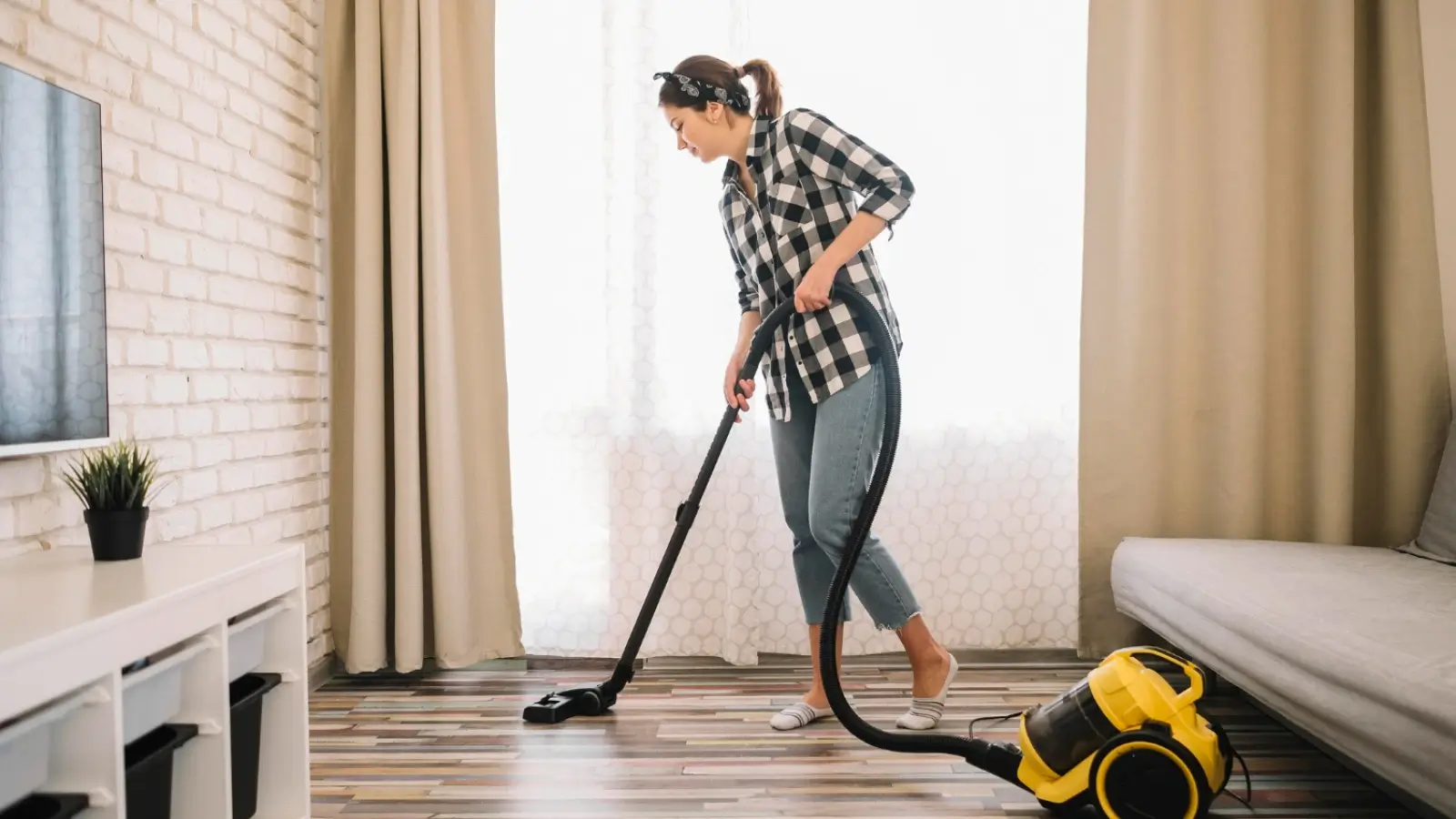
Weekly tasks form the backbone of recurring cleaning. They typically involve vacuuming carpets and rugs, mopping floors, dusting furniture, cleaning bathrooms, changing bed linens, and handling laundry. Consistent weekly maintenance ensures your home remains fresh and reduces the risk of long-term damage or stains.
Monthly Cleaning:
Monthly tasks are more intensive and target areas that are often overlooked during daily or weekly routines. These include scrubbing grout, washing windows, cleaning behind appliances, polishing furniture, dusting light fixtures, and decluttering storage spaces. Monthly cleaning ensures every part of your home is refreshed and maintained.
Specialized Tasks and Deep Cleaning:
Some areas, such as carpets, upholstery, vents, and kitchen appliances, require specialized attention. Periodic deep cleaning can remove accumulated dirt and allergens that daily or weekly cleaning cannot reach. This may involve steam cleaning carpets, sanitizing upholstery, or cleaning air ducts. Integrating deep cleaning into a recurring schedule ensures thorough hygiene and helps preserve surfaces and furniture over time. Learn more about professional cleaning solutions here.
The Importance of Deep Cleaning in a Recurring Cleaning Routine
While recurring cleaning keeps your home consistently tidy, deep cleaning complements it by addressing dirt and bacteria in hidden or hard-to-reach areas. Deep Cleaning is typically scheduled quarterly or biannually to maintain a sanitary home environment.
Some examples of Deep Cleaning tasks include:
-
Shampooing carpets and rugs to remove deeply embedded dirt
-
Cleaning behind kitchen appliances like stoves and refrigerators
-
Scrubbing tile grout in bathrooms and kitchens
-
Washing window blinds and vents
-
Polishing and treating wooden furniture
Incorporating deep cleaning periodically ensures that recurring cleaning remains effective and prevents long-term damage to your home. This combination of regular maintenance and deep sanitation provides a truly clean and safe living space.
Health Benefits of Maintaining a Recurring Cleaning Routine
Regular recurring cleaning offers multiple health benefits:
-
Improved Indoor Air Quality: Dust, pet dander, mold spores, and allergens are minimized, reducing allergy symptoms and respiratory problems.
-
Reduced Stress and Increased Comfort: Living in a clean, organized environment promotes relaxation and mental clarity.
-
Enhanced Hygiene: Frequent cleaning of kitchens, bathrooms, and high-touch surfaces reduces bacteria and the risk of illness.
-
Better Sleep and Mental Well-Being: A tidy bedroom and living space improve sleep quality and overall mental health.
-
Long-Term Cost Savings: Consistent cleaning prevents damage, extending the life of flooring, furniture, and appliances.
Creating a Practical Recurring Cleaning Schedule
An effective recurring cleaning schedule balances daily, weekly, monthly, and specialized tasks:
-
Daily Checklist: Focus on high-traffic areas and essential maintenance like dishes, wiping surfaces, and picking up clutter.
-
Weekly Routine: Vacuum and mop floors, dust furniture, clean bathrooms, and manage laundry. Assign specific days to tasks to stay organized.
-
Monthly Tasks: Deep cleaning activities such as washing windows, scrubbing grout, and polishing furniture should be scheduled regularly.
-
Quarterly or Biannual Deep Cleaning: This includes carpet and upholstery steam cleaning, air duct sanitation, and professional-grade cleaning where necessary.
-
Organization and Decluttering: Maintain storage systems and minimize clutter to simplify cleaning tasks.
-
Use of Tools: Invest in high-quality cleaning tools, microfiber cloths, and eco-friendly cleaning solutions for best results.
-
Reminders: Use digital calendars, checklists, or cleaning apps to remain consistent and track progress.
Advantages of Professional Recurring Cleaning Services
Combining personal cleaning routines with professional services can enhance results significantly:
-
Expertise and Advanced Equipment: Professionals can tackle areas that are difficult to clean thoroughly, such as vents, carpets, and upholstery.
-
Time-Saving: Outsourcing specialized cleaning frees up time for other activities while ensuring a spotless home.
-
Seasonal Deep Cleaning: Professionals handle tasks like tile and grout cleaning, carpet stain removal, and comprehensive kitchen sanitation efficiently.
-
Safe and Eco-Friendly Solutions: Many services use environmentally friendly cleaning agents that protect your family and pets.
For busy households or homes with high foot traffic, professional services complement recurring cleaning, maintaining consistent hygiene and cleanliness standards. Discover professional recurring cleaning services here.
Tips for Maintaining a Clean Home Between Scheduled Recurring Cleaning Tasks
Recurring cleaning is most effective when combined with daily habits and preventive measures:
-
Remove shoes indoors to reduce tracked-in dirt.
-
Encourage household members to clean as they go, particularly in kitchens and bathrooms.
-
Use mats and rugs in high-traffic areas to capture dirt before it spreads.
-
Regularly declutter and organize storage spaces to reduce cleaning effort.
-
Rotate tasks among family members to share responsibility and reduce fatigue.
Developing these habits ensures that your recurring cleaning routine remains manageable and that your home consistently feels fresh and organized.
Conclusion:
Recurring cleaning in Largo is more than just a chore; it is an essential investment in health, comfort, and long-term home maintenance. By establishing daily, weekly, and monthly routines, and supplementing them with periodic deep cleaning, homeowners can prevent dirt buildup, protect surfaces, and maintain a hygienic environment.
A well-structured cleaning schedule reduces stress, promotes well-being, and saves time and money in the long run.Combining DIY cleaning habits with professional services ensures maximum efficiency, helping you maintain a home that is not only clean but safe, organized, and inviting. Recurring cleaning is the foundation of a sustainable, enjoyable, and well-maintained living space.
Business Outstanders brings you sharp insights on tech, business, entrepreneurship, law, crypto, and more. We uncover what’s next. Stay updated, sign up for our newsletter and be part of the future!