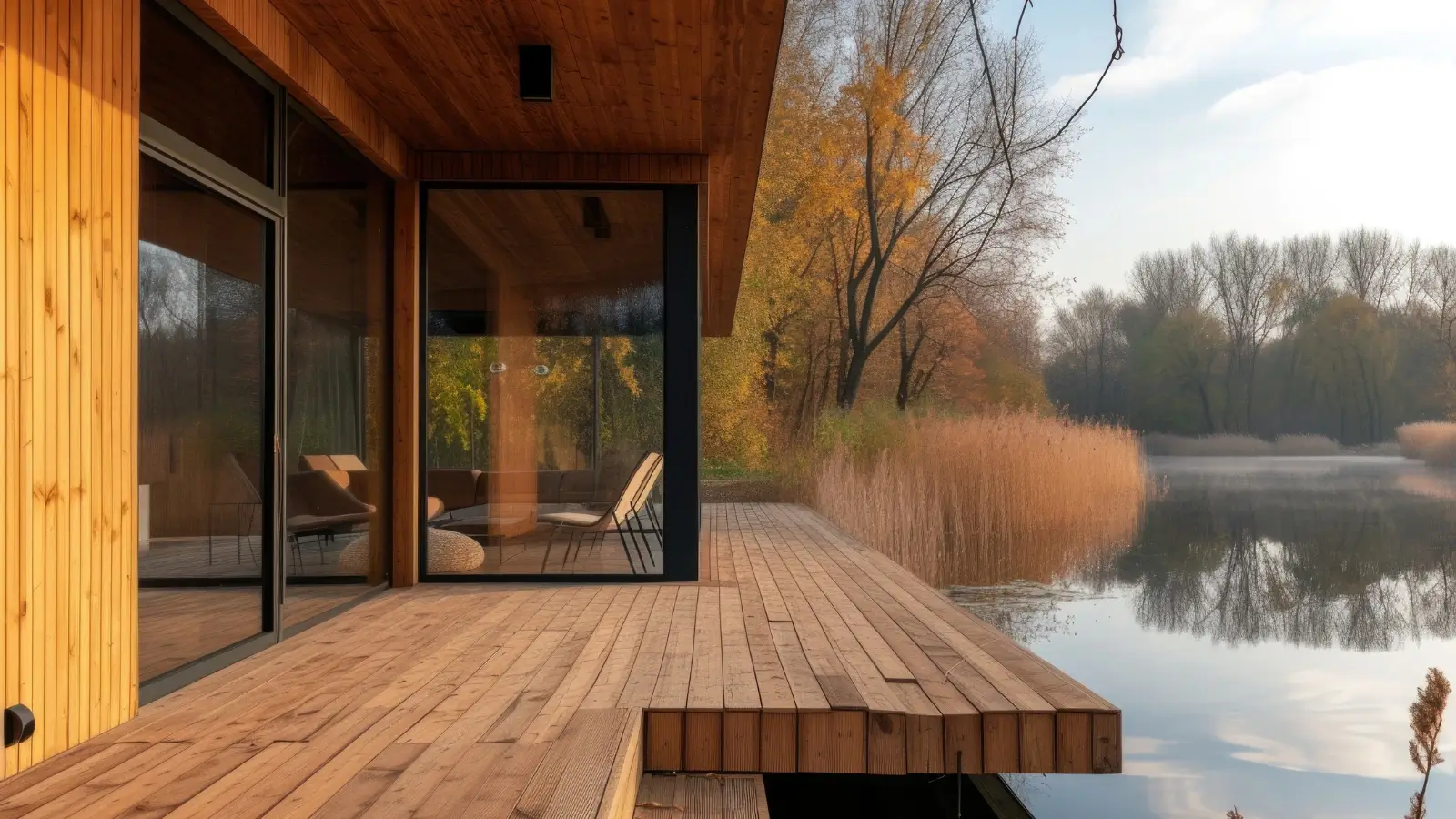
Outdoor decks are more than just extensions of a home — they’re places where families gather, friends share meals, and quiet evenings unfold under the open sky. But time, weather, and wear can take a toll on even the most durable timber surfaces. Sunlight fades colour, moisture seeps into joints, and foot traffic leaves marks that dull the deck’s natural beauty.
The good news is that a professional sanding and refinishing process can restore that original warmth and lustre. With expert care, your deck can look not just renewed, but better than ever — smoother, safer, and protected against the elements.
Why Deck Sanding Matters More Than You Think
Many homeowners view sanding as a purely aesthetic step, but in reality, it’s the foundation of long-term deck health. Over time, the surface of wooden decking becomes rough, uneven, and splintered due to UV exposure and moisture. Without treatment, this damage worsens, leading to cracking, rot, and costly repairs.
Sanding removes the tired top layer of wood, exposing a clean, fresh surface ready for sealing or oiling. This process also helps the timber absorb protective finishes more evenly, ensuring lasting durability and a smoother appearance.
The Hidden Benefits of Professional Sanding
Hiring specialists for your deck restoration isn’t just about saving time — it’s about achieving results that stand the test of time. Professionals bring precision, experience, and the right equipment to every project, eliminating common DIY mistakes like uneven sanding, gouges, or patchy finishes.
Here’s what expert restoration truly delivers:
-
Uniform smoothness: Industrial-grade sanders remove imperfections evenly, preventing ridges or dips.
-
Improved safety: Sanding eliminates splinters and sharp edges, making decks safer for barefoot walking.
-
Enhanced colour: By removing sun-bleached layers, sanding revives the wood’s original tones and texture.
-
Weather protection: Properly prepared surfaces absorb oils or sealants more effectively, extending lifespan.
-
Eco-friendly results: Restoration avoids the waste of full replacement, preserving your existing materials.
These benefits go far beyond cosmetics — they redefine the comfort, safety, and sustainability of your outdoor living space.
Why Professional Care Makes the Difference
Deck sanding might look simple, but achieving flawless results requires an expert touch. Professionals understand how different types of timber — from softwoods like pine to dense hardwoods such as oak or teak — respond to sanding pressure, grain direction, and finish type.
Specialists offering deck sanding services use advanced, dust-free sanding systems that leave minimal mess while ensuring precision down to the smallest corner. They assess the wood’s moisture content, repair loose boards, and apply coatings designed for the UK’s variable climate.
In short, professional sanding is as much about science as it is about craftsmanship — and both are essential for a flawless, lasting result.
The Process: From Worn Timber to Stunning Finish
A professional deck restoration follows a careful sequence that guarantees quality and durability. It typically begins with a deep clean to remove dirt, algae, and old finishes. Once the wood dries completely, sanding begins in stages — starting with coarse abrasives to level the surface, then finer ones to smooth and refine it.
After sanding, the wood is treated with oils, stains, or sealants that nourish and protect it. The choice of finish depends on personal style and practical needs: natural oils for a soft, organic glow, or sealants for enhanced protection and sheen.
The result? A deck that looks brand new — glowing with natural grain, comfortable underfoot, and ready to withstand years of use.
When Is the Right Time to Restore Your Deck?
Timing matters. Early spring and late summer are ideal for sanding, as moderate temperatures and low humidity allow finishes to cure properly. If your deck feels rough, looks grey or patchy, or water no longer beads on the surface, these are clear signs that it needs professional attention.
Addressing these issues early prevents deeper damage and extends the life of your timber — saving both money and effort in the long run.
Beyond Beauty: The Lasting Value of Deck Restoration
Restoring a deck does more than enhance appearance — it adds measurable value to your property. Outdoor spaces that are clean, polished, and well-maintained increase curb appeal and create a sense of care that potential buyers notice immediately.
But even if you’re not planning to sell, the comfort and pride that come from stepping onto a perfectly finished deck are reason enough. It’s about creating a space that feels inviting every day — a reflection of quality, attention, and craftsmanship.
Reviving Your Deck, Refreshing Your Home
A professionally sanded deck is more than a surface; it’s a transformation of how you experience your outdoor space. It reconnects your home with nature, restores the warmth of real wood, and extends the life of a structure that defines your garden’s character.
By trusting experts who understand both materials and aesthetics, you ensure that your deck remains beautiful, safe, and resilient for years to come. Because true restoration isn’t just about making old wood look new — it’s about bringing your home’s outdoor heart back to life.
Business Outstanders brings you sharp insights on tech, business, entrepreneurship, law, crypto, and more. We uncover what’s next. Stay updated, sign up for our newsletter and be part of the future!