Defining Modern Commercial Cleaning Standards for Facility Longevity
We understand that a building's exterior is often the first thing clients, tenants, and visitors see. For commercial properties, this initial impression is crucial. It directly impacts customer perception, tenant satisfaction, and even the overall value of your asset.
Imagine a pristine, modern glass office building. Its gleaming facade speaks volumes about the professionalism within. But maintaining this ideal appearance is more than just aesthetics; it’s about upholding professional standards in facility maintenance.
In this guide, we will explore why commercial exterior window cleaning is so essential. We will look at the best practices and advanced techniques that ensure your building always looks its best. To achieve truly exceptional results and long-term asset protection, embracing robust cleaning protocols is key. This includes understanding and applying the highest quality Indy cleaning standards to every aspect of exterior maintenance.
We will cover everything from specialized equipment and safety compliance to eco-friendly options and cost factors. Our goal is to provide property managers with a comprehensive understanding of how to maintain a spotless, inviting, and valuable commercial property.
Modern commercial cleaning extends far beyond simple tidiness; it's a strategic investment in a property's longevity, operational efficiency, and occupant well-being. For facility managers, establishing and adhering to rigorous cleaning standards is paramount. This involves not only aesthetic considerations but also critical factors such as health, safety, and environmental responsibility.
At the core of these standards is a commitment to OSHA compliance. This means ensuring that all cleaning procedures, equipment use, and chemical handling comply with the stringent safety regulations set by the Occupational Safety and Health Administration. Compliance protects workers, prevents accidents, and safeguards the property itself from potential damage or liabilities.
Equally important is the judicious use of EPA-approved chemicals. These products are vetted for their effectiveness while minimizing environmental impact and health risks to building occupants. Moving away from harsh, outdated cleaning agents towards safer, more sustainable alternatives is a hallmark of modern commercial cleaning. This shift reflects a growing awareness of indoor air quality and the long-term effects of chemical exposure.
To truly elevate facility maintenance, we advocate for a comprehensive approach that integrates various protocols:
- Regular Deep Cleaning Schedules: Beyond daily tidying, periodic deep cleaning addresses accumulated grime, sanitizes high-touch surfaces, and revitalizes materials.
- Specialized Equipment Utilization: Employing advanced tools such as HEPA filtration vacuums for superior dust and allergen removal, or specialized floor machines for optimal floor care, ensures a deeper, more effective clean.
- Preventative Maintenance: Implementing strategies to prevent dirt buildup, such as strategic matting at entrances and regular exterior washing, reduces the need for intensive cleaning later.
- Sustainable Practices: Embracing Green Seal certification for cleaning products and methods demonstrates a commitment to environmental stewardship and appeals to eco-conscious tenants and stakeholders.
- Asset Protection: Cleaning protocols should always consider the materials being cleaned. Using appropriate techniques and products prevents wear and tear, extending the lifespan of finishes, fixtures, and structural elements.
These essential facility maintenance protocols collectively contribute to significant asset protection, reinforcing the impact of exterior maintenance on property value over time. By preventing deterioration, maintaining aesthetic appeal, and ensuring a healthy environment, professional cleaning services help preserve and even enhance the value of commercial properties over time. This proactive approach minimizes costly repairs and replacements, ensuring the building remains an attractive and functional space for years to come.
Establishing Commercial Cleaning Standards for Glass and Facades
When it comes to glass and facades, the standards for commercial cleaning are particularly high, demanding meticulous attention to detail and specialized techniques. The goal is not just to clean, but to achieve streak-free clarity that allows natural light to flood interior spaces and presents an unblemished exterior.
One of the most common challenges for exterior glass is the accumulation of mineral deposits. Hard water, rain, and environmental pollutants can leave behind unsightly spots and stains that are difficult to remove with standard cleaning methods. Professional services employ specific treatments and purified water systems to dissolve and prevent these deposits, restoring the glass to its original pristine condition.
Beyond the glass itself, proper frame maintenance and sill cleaning are crucial. Dirt, dust, pollen, and even mold can accumulate in these areas, detracting from the overall appearance and potentially causing long-term damage. Thorough cleaning of frames and sills ensures a complete and lasting clean, preventing runoff onto freshly cleaned glass and inhibiting the growth of organic matter.
employee productivity and morale. A bright, airy workspace fosters a more positive and energetic environment, enhancing focus and reducing eye strain.
Commercial facades are constantly exposed to the elements, leading to seasonal buildup of dirt, grime, pollution, and organic growth like algae or mildew. Regular, professional cleaning addresses this buildup, preventing it from etching into surfaces or causing discoloration. This proactive approach not only keeps the building looking its best but also protects the integrity of the facade materials, extending their lifespan and delaying the need for more extensive, costly repairs.
Safety Compliance as a Pillar of Commercial Cleaning Standards
In commercial exterior window cleaning, safety is not merely a consideration; it is the absolute foundation upon which all operations must be built. Without unwavering safety compliance, even the most effective cleaning techniques are rendered unacceptable. This commitment begins with a thorough risk assessment before any work commences. Every project, regardless of its scale, requires a detailed evaluation of potential hazards, including working at heights, equipment operation, chemical handling, and site-specific environmental factors.
A critical component of safety compliance is ensuring that all technicians are equipped with and correctly use the appropriate PPE (Personal Protective Equipment). This includes items such as hard hats, safety glasses, gloves, fall protection harnesses, and high-visibility clothing. The right PPE acts as the last line of defense against injury, and its proper use is non-negotiable.
Furthermore, every commercial cleaning operation must develop and adhere to comprehensive site-specific safety plans. These plans outline the unique hazards and safety protocols for each individual job site, taking into account building architecture, access points, pedestrian traffic, and potential weather challenges. These plans are dynamic and are communicated clearly to every team member before work begins.
Working outdoors means contending with unpredictable conditions. Therefore, using weather-adapted gear and adjusting operational procedures based on forecasts is essential. This might involve postponing work during high winds, heavy rain, or extreme temperatures to ensure worker safety and optimal cleaning results.
The cornerstone of a safe operation is rigorous technician training. All personnel involved in commercial exterior window cleaning, especially those working at heights or operating specialized equipment, must undergo extensive training and certification. This includes instruction on fall protection, rope access techniques, aerial lift operation, emergency procedures, and safe chemical handling. Continuous training and refresher courses are vital to maintain a high level of competency and awareness.
Finally, comprehensive liability insurance is a non-negotiable requirement for any reputable commercial cleaning company. This insurance protects the property owner from potential claims arising from accidents, property damage, or injuries that might occur during the cleaning process. It provides peace of mind and demonstrates a company's commitment to responsible and professional service. Coupled with this, operational transparency means that all safety procedures, insurance details, and certifications are readily available for property managers to review, fostering trust and accountability.
Specialized Techniques and Equipment for Exterior Maintenance
The landscape of commercial exterior maintenance has evolved significantly, driven by technological advancements and a heightened focus on safety and efficiency. Gone are the days when a bucket, squeegee, and ladder were the sole tools of the trade. Today, specialized techniques and cutting-edge equipment allow for superior results, even on the most challenging structures.
One of the most developed is the water-fed pole system. This method uses extendable poles that can reach up to 70 feet or more from the ground, eliminating the need for ladders in many low- to mid-rise applications. The key to its effectiveness lies in the use of demineralized water. This water undergoes a multi-stage filtration process to remove all impurities, minerals, and dissolved solids. When this pure water dries on glass, it leaves behind no spots or streaks, resulting in an impeccably clean finish without the need for harsh chemicals or manual squeegeeing.
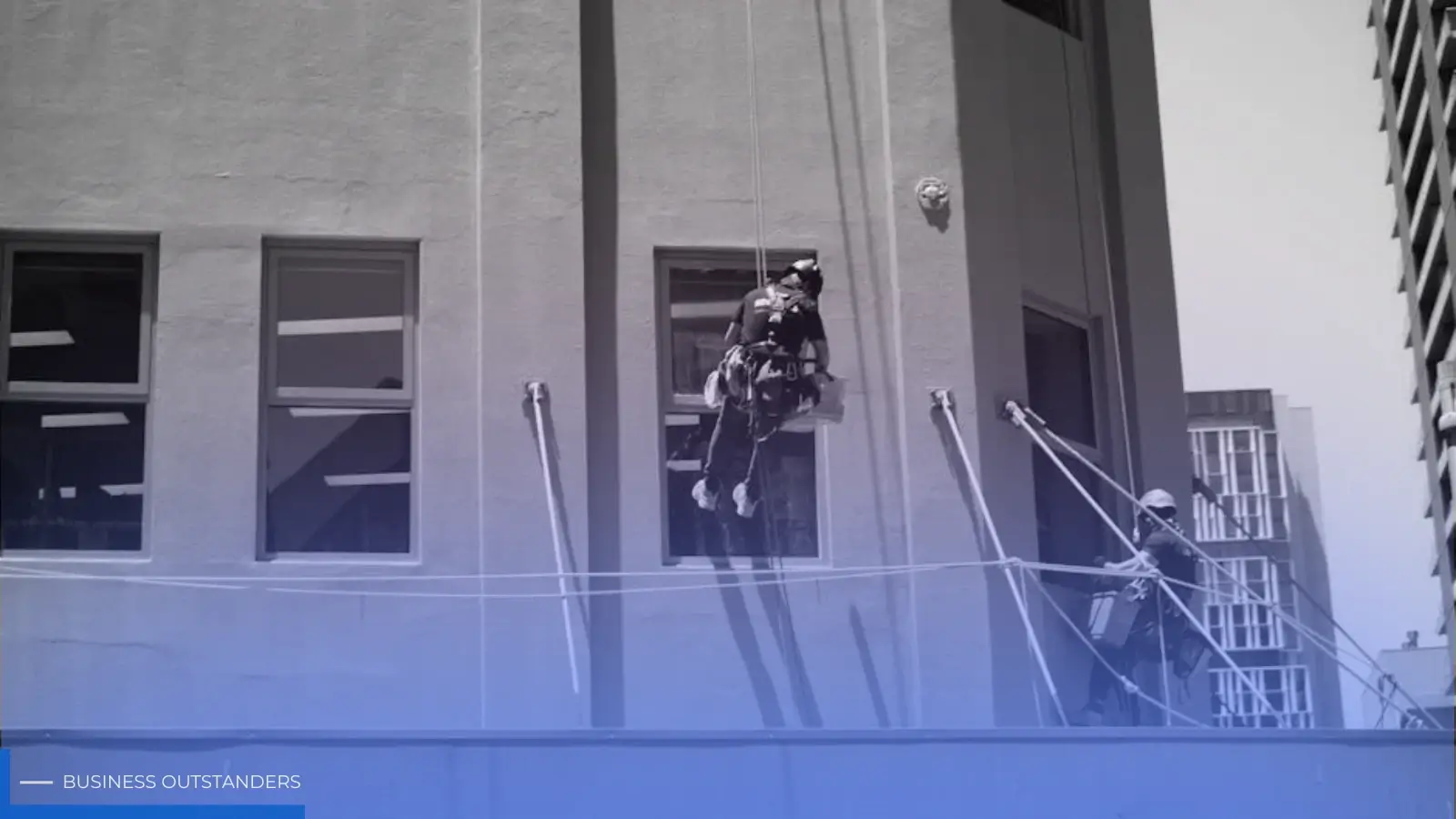
For buildings that soar beyond the reach of water-fed poles, more advanced access methods are required. Rope access, also known as industrial abseiling, involves highly trained technicians descending from the building's roof using ropes and specialized harnesses. This method offers unparalleled flexibility and precision, allowing cleaners to reach intricate architectural features and difficult-to-access areas. Similarly, aerial boom lifts and cherry pickers provide stable, elevated platforms for workers, ideal for mid-rise buildings and facades with complex geometries. These machines offer greater maneuverability than traditional scaffolding and can be deployed relatively quickly.
To illustrate the shift in methodology, consider this comparison:
Feature Traditional Squeegee Methods Pure Water Technology (Water-Fed Pole) Water Type Tap water, often with soap/detergent Demineralized, deionized, or reverse osmosis purified water Drying Manual squeegee, cloth wipe Air-dries naturally, leaving no streaks Chemical Use Often requires cleaning solutions Typically chemical-free, environmentally friendly Reach Limited by ladder height or manual extension Up to 70+ feet from ground level Safety Higher risk associated with ladder work Safer, as technicians remain on the ground for most work Efficiency Can be slower for large areas, requires frequent repositioning Faster for large areas, continuous flow Frame Cleaning Manual scrubbing often required Brush agitation helps clean frames and sills simultaneously Environmental Impact Runoff with chemicals Minimal environmental impact, pure water runoff For true high-rise accessibility, methods like swing stages are deployed. These are suspended platforms, often motorized, that can traverse the entire height and width of a building. They provide a stable workspace for multiple technicians and allow for more intensive cleaning, repairs, or inspections. In situations where permanent anchors for swing stages are unavailable or insufficient, temporary rigging systems can be engineered and installed by certified professionals to create safe access points. These advanced techniques and specialized equipment are crucial for maintaining the aesthetic and structural integrity of modern commercial buildings, ensuring that every pane of glass and every facade element receives the attention they deserve.
Safety Protocols and Regulatory Compliance in High-Rise Operations
High-rise commercial window cleaning and facade maintenance represent the pinnacle of specialized exterior services, demanding not just technical skill but an unyielding commitment to safety and regulatory compliance. The stakes are incredibly high, making stringent protocols and expert certifications absolutely essential.
At the forefront of this expertise are certifications such as SPRAT (Society of Professional Rope Access Technicians). SPRAT-certified technicians are trained to the highest international standards for industrial rope access, enabling them to navigate complex building exteriors safely and efficiently. This training covers advanced rigging, rescue techniques, and comprehensive risk management, ensuring that every operation is executed with precision and safety as top priorities.
Fall protection is paramount in all high-rise work. This involves a multi-layered approach, including personal fall arrest systems (harnesses, lanyards, anchor points), guardrail systems, and safety netting. Every piece of equipment is meticulously inspected before each use, and technicians are rigorously trained in its proper deployment and function.
In major metropolitan areas, specific local regulations govern facade maintenance. For instance, in New York City, Local Law 11/FISP (Facade Inspection Safety Program) mandates periodic inspections of building facades to ensure public safety. Compliance with such laws is not optional; it is a legal requirement that property managers must address. Professional cleaning and maintenance companies often provide comprehensive facade inspections as part of their services, identifying potential issues before they become hazardous or costly.
Beyond routine cleaning, high-rise operations often require specialized services such as glass restoration. This technique can remove scratches, hard water stains, and even acid etching from glass panels, restoring clarity without the need for expensive glass replacement. Similarly, managing wildlife interactions is crucial; bird deterrent systems are often installed to prevent birds from nesting or perching on ledges, which can lead to unsightly droppings and potential damage to the facade.
Graffiti removal on high-rise buildings requires specialized equipment and techniques to safely access and treat affected areas without damaging the underlying facade materials. Swift and effective removal is key to maintaining a professional image and deterring future vandalism. Lastly, post-construction cleanup for high-rise projects is a critical phase. This involves removing construction debris, paint overspray, and sealant residue from windows and facades, often requiring delicate methods to protect newly installed materials. The complexity and inherent risks of high-rise operations necessitate a partner with proven expertise, comprehensive certifications, and an impeccable safety record to ensure both compliance and outstanding results.
Frequently Asked Questions about Commercial Cleaning Standards
Property managers often have critical questions regarding the nuances of commercial exterior cleaning. Here, we address some of the most common inquiries to provide clarity and guidance on maintaining professional standards.
1) How often should commercial windows be cleaned to maintain professional standards?
The optimal frequency for commercial window cleaning is not a one-size-fits-all answer; it depends heavily on several factors:
- Traffic Volume: Buildings in high-traffic areas, such as retail storefronts or busy office complexes, accumulate dirt and grime much faster. For these properties, weekly or bi-weekly cleaning may be necessary to maintain a pristine appearance.
- Geographic Location: Properties in urban centers or industrial zones are exposed to higher levels of pollution, dust, and exhaust fumes, necessitating more frequent cleaning. Coastal properties may also require more attention due to salt spray.
- Weather Patterns: Areas with frequent rain, strong winds, or heavy pollen seasons will require more regular cleaning to combat streaking, dirt accumulation, and organic buildup.
- Retail vs. Office Requirements: Retail establishments often rely on sparkling windows to showcase merchandise and attract customers, demanding a more frequent cleaning schedule (e.g., weekly or bi-weekly). Office buildings, while still needing to present a professional image, might opt for slightly less frequent cleaning, such as monthly or quarterly.
Generally, for most commercial properties, monthly schedules are a good baseline to maintain a consistently clean appearance. However, many businesses benefit from a flexible approach that includes more frequent cleaning for high-visibility areas and less frequent, but thorough, quarterly maintenance for less critical sections. For example, a high-traffic retail space might opt for weekly storefront cleaning and monthly full-exterior cleaning.
2) What factors influence the cost of professional exterior cleaning?
The price of commercial exterior window cleaning can vary significantly, typically ranging from $3 to $10 per panel. This range is influenced by several key factors:
- Panel Count: The total number of window panes is a primary cost determinant. More windows naturally mean more time and resources.
- Building Height: Taller buildings require specialized equipment (such as boom lifts, rope access, or swing stages) and highly trained technicians, which significantly increase costs through equipment rental, safety protocols, and specialized labor.
- Accessibility Challenges: Windows that are difficult to reach due to landscaping, architectural features, or limited ground access will incur higher costs. This often necessitates more complex rigging or specialized equipment.
- Specialized Equipment: The need for water-fed pole systems, aerial lifts, or rope access equipment directly impacts pricing. Companies invest heavily in this equipment and the training required to operate it safely.
- Frequency Discounts: Many cleaning companies offer discounted rates for regularly scheduled services (e.g., monthly or quarterly contracts) compared to one-time cleanings.
- Condition of Windows: Heavily soiled windows with significant mineral deposits or construction debris will require more intensive cleaning, potentially increasing the cost.
For an accurate estimate, it's always best to get a customized quote from a professional service, as they can assess these specific factors unique to your property.
3) How do property managers ensure safety compliance for exterior services?
Ensuring safety compliance is a critical responsibility for property managers when hiring exterior cleaning services. Here’s how to do it effectively:
- Insurance Verification: Always request and verify proof of comprehensive liability insurance. This policy should be sufficient to cover potential property damage or injuries. Additionally, confirm that the cleaning company has workers' compensation insurance for its employees.
- OSHA Documentation: Request documentation demonstrating the cleaning company's compliance with OSHA (Occupational Safety and Health Administration) standards. This includes their safety programs, training records, and incident reports.
- Safety Certifications: Inquire about specific safety certifications held by the cleaning team, especially for high-rise work. Look for certifications such as SPRAT (Society of Professional Rope Access Technicians), IWCA (International Window Cleaning Association), or aerial lift operator certifications (e.g., IPAF).
- Project Management: A reputable company will have a clear project management plan that includes a site-specific safety assessment, a detailed work plan, and communication protocols. Property managers should review these plans and ensure they align with their building's requirements.
- Minimal Tenant Disruption: Discuss how the cleaning company plans to minimize disruption to tenants and building operations. This often involves scheduling work during off-peak hours, clearly marking work zones, and maintaining open communication.
By diligently vetting cleaning companies based on these criteria, property managers can ensure they partner with professionals who prioritize safety, compliance, and quality.
Conclusion
Maintaining the exterior of a commercial property, particularly its windows, is far more than a superficial task. It is a strategic imperative that underpins long-term asset protection, cultivates a strong professional brand image, enhances operational efficiency, and embodies a commitment to sustainable maintenance.
From the gleaming clarity of streak-free windows that boost employee morale and customer perception, to the rigorous safety protocols and specialized equipment required for high-rise facades, every aspect of commercial exterior window cleaning contributes to the overall success and value of a property. By embracing modern cleaning standards, adopting advanced techniques such as water-fed pole systems and rope access, and ensuring unwavering safety compliance, property managers can transform their buildings into beacons of professionalism and cleanliness.
Choosing a professional cleaning partner who understands these intricate demands is crucial. Such a partner doesn't just clean; they implement a comprehensive strategy for proactive facility care, ensuring that your commercial property not only looks its best today but remains a valuable and appealing asset for years to come. Invest in professional exterior cleaning, and watch your property shine, inside and out.
Business Outstanders brings you sharp insights on tech, business, entrepreneurship, law, crypto, and more. We uncover what’s next. Stay updated, sign up for our newsletter and be part of the future!