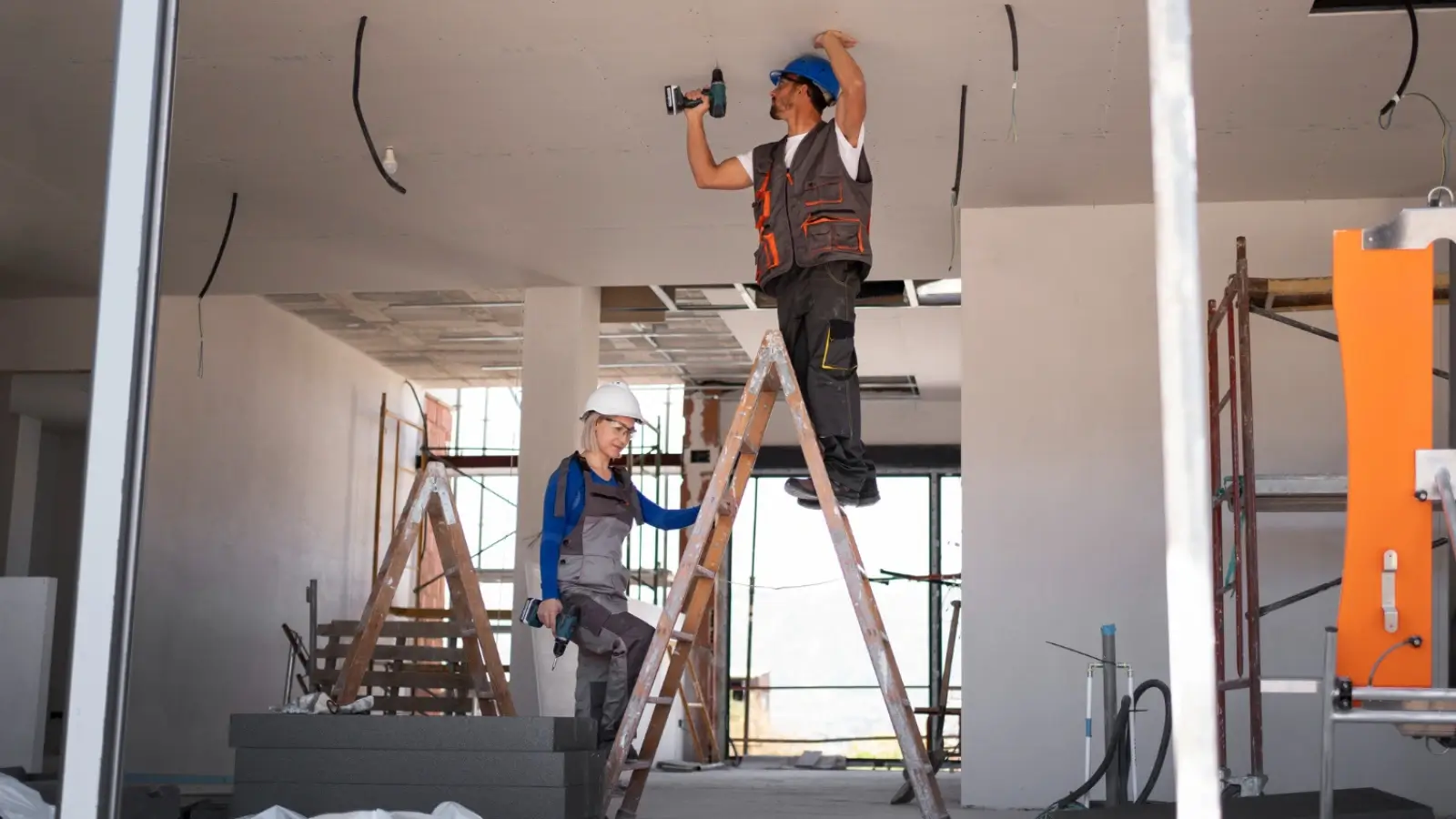
Homeowners are constantly seeking ways to maximize living spaces while improving the functionality and value of their homes. One of the most effective strategies to achieve this goal is through home additions. A thoughtfully planned home addition not only provides extra space for comfort but also adds long-term value to a property. From expanding a living room to creating a dedicated home office or adding an extra bedroom, the possibilities are virtually endless. Home additions allow families to stay in their current homes while meeting evolving needs without the hassle of relocating.
Understanding Home Additions
Home additions involve adding new structures or extensions to an existing home. Unlike interior renovations, which focus on modifying the current layout, home additions create entirely new spaces. These can range from simple room expansions to more complex projects such as second-story additions, sunrooms, or in-law suites. The primary objective is to enhance living comfort by providing additional space that meets your lifestyle requirements. Growing families may need extra bedrooms, while professionals working remotely may require dedicated office space. Well-executed home additions seamlessly integrate with existing structures, improving both function and aesthetics.
Planning Your Home Addition
Planning is the most critical step in any home addition project. Proper planning ensures that the addition meets your needs, stays within budget, and aligns with long-term goals. The essential steps include:
- Define Your Goals: Determine why you need the addition. Are you looking to increase living space, enhance property value, or create a specialized room such as a gym, media room, or entertainment area? Clear objectives guide the design process and ensure the addition serves its intended purpose.
- Budget and Financing: Home additions are a significant investment. Establishing a realistic budget that includes construction costs, permits, and contingencies helps prevent unexpected financial strain. Financing options such as home equity loans, personal loans, or savings can support the project and keep it on track.
- Design Considerations: The design of the addition should complement your home’s existing architecture. Poorly integrated additions can appear out of place and reduce property value. Working with an experienced architect or designer ensures a cohesive design that enhances both aesthetics and functionality.
- Permits and Regulations: Most home additions require permits to comply with building codes. Failing to obtain proper approval can result in fines, legal complications, or the need to remove the addition. Research local requirements before construction begins to ensure full compliance.
Popular Types of Home Additions
There are many ways to expand your home, each tailored to different needs and lifestyles:
- Bedroom Additions: Adding extra bedrooms is ideal for growing families or homeowners who host guests regularly. A well-designed bedroom addition enhances comfort and increases the property’s resale value.
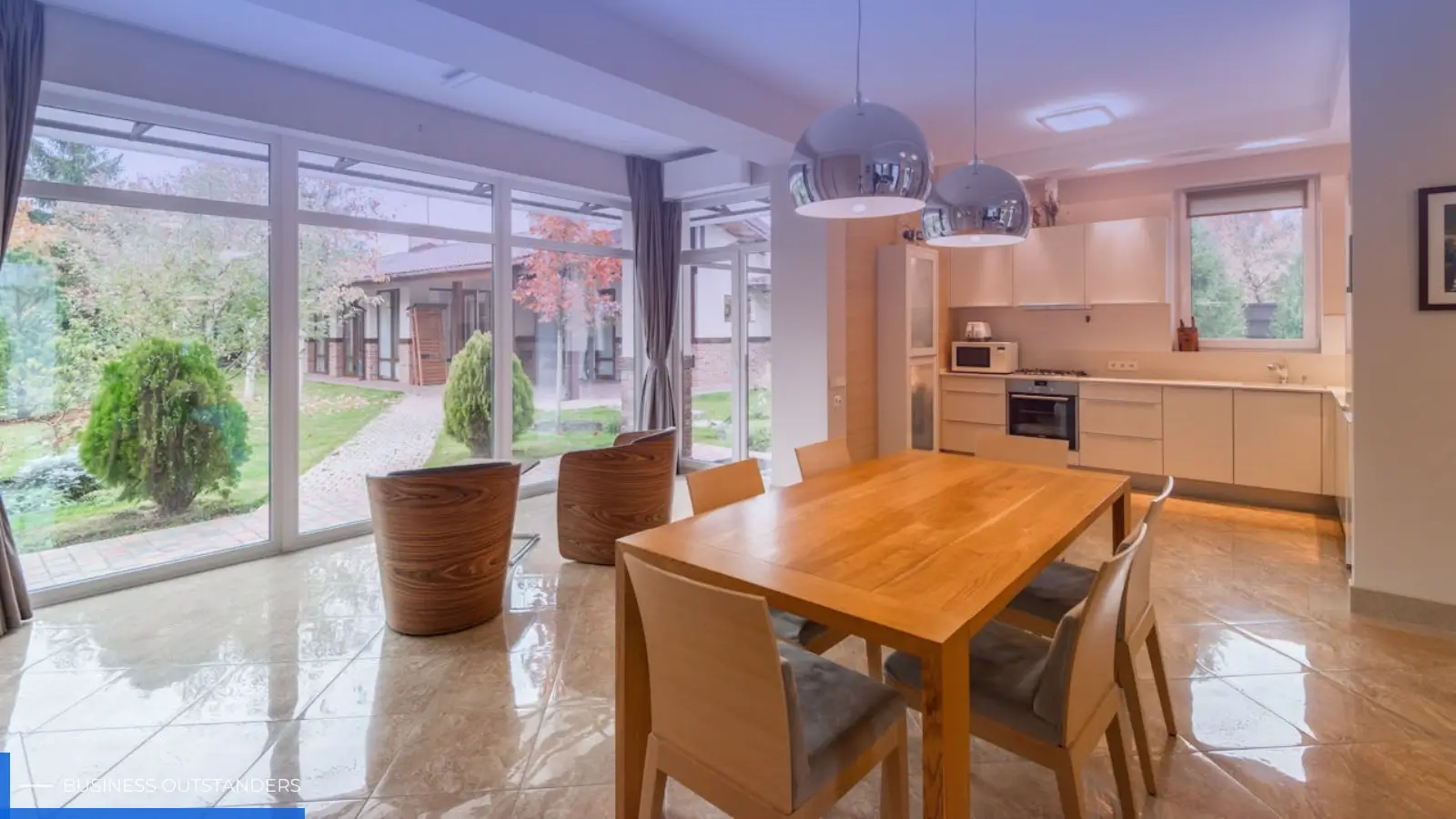
- Kitchen and Living Room Expansions: Expanding kitchens or living rooms can significantly improve flow and functionality. Open-concept designs are highly desirable and often result in higher property value.
- Sunrooms and Conservatories: Sunrooms provide natural light and a connection to outdoor spaces while remaining indoors. They are perfect for relaxation, reading, or hosting gatherings.
- Home Offices and Studios: With remote work becoming common, dedicated home offices are increasingly essential. A functional workspace can boost productivity and provide a clear boundary between work and personal life.
- Garage and Storage Additions: Additional garages or storage spaces enhance organization and functionality. Well-planned storage additions accommodate vehicles, tools, and recreational equipment, adding convenience and value.
Benefits of Home Additions
Investing in a home addition offers numerous advantages beyond simply adding space. Enhanced comfort is achieved by creating functional areas that accommodate lifestyle needs. Home additions also increase property value, making them a smart long-term investment. Customization is another benefit, allowing homeowners to tailor spaces to their preferences and lifestyle. Additionally, home additions eliminate the need to relocate, avoiding the stress and cost of moving to a larger property. Modern additions can also incorporate energy-efficient designs, reducing utility costs and environmental impact over time.
Common Challenges and How to Overcome Them
Home additions present certain challenges that require careful management:
- Construction Costs: Without proper budgeting, costs can escalate quickly. Obtaining multiple contractor quotes and planning a detailed budget helps mitigate financial surprises.
- Design Integration: Ensuring the new addition blends seamlessly with your existing home can be challenging. Experienced architects and designers can create cohesive designs that maintain both functionality and aesthetic appeal.
- Time Management: Delays are common in construction projects. Setting realistic timelines and maintaining communication with contractors ensures timely completion.
- Disruption to Daily Life: Construction can interfere with routines. Planning temporary adjustments, such as relocating certain activities, can minimize inconvenience during the build.
Tips for a Successful Home Addition
To ensure a smooth and successful project, consider the following tips:
- Hire Qualified Professionals: Experienced architects, designers, and contractors are essential to meet safety, design, and structural requirements.
- Focus on Functionality: Prioritize practical improvements alongside aesthetics. The addition should enhance how you live and use your space.
- Future-Proof Your Design: Plan for long-term needs and lifestyle changes to maximize the addition’s usefulness.
- Use Quality Materials: High-quality materials ensure durability, safety, and a lasting aesthetic appeal.
- Maintain Open Communication: Regular interaction with your construction team prevents misunderstandings and ensures your vision is realized accurately.
Conclusion
Home additions provide a practical solution to expand living space, improve functionality, and increase property value. Whether you are adding a bedroom, expanding a kitchen, or creating a dedicated office, careful planning and professional execution are crucial. Understanding your needs, establishing a realistic budget, selecting quality materials, and working with skilled professionals ensures that your home addition enhances both comfort and style. For homeowners looking to maximize their property’s potential, home additions are more than an option—they are a strategic investment in a more enjoyable and functional living experience.
Business Outstanders brings you sharp insights on tech, business, entrepreneurship, law, crypto, and more. We uncover what’s next. Stay updated, sign up for our newsletter and be part of the future!