Even the prettiest set of drawings can fall apart the moment demolition starts. That’s because many home addition plans focus on what a space looks like rather than how it will actually be built, integrated, permitted, and paid for. If you’re planning to expand, remodel, or add a second story, you’ll save time, money, and stress by making sure your plans address the hidden details that make construction go smoothly.
Below, we’ll unpack the most common blind spots in home addition plans and show you how to get them right—so your project moves from blueprint to build without costly surprises.
10 Common Blind Spots in Home Addition Plans
1) Zoning, Setbacks, and Easements
A clean floor plan can mask messy realities on your site. Many plans don’t fully account for:
-
Setbacks and height limits that change by neighborhood or zoning overlay.
-
Utility and drainage easements that restrict where you can build.
-
Lot coverage or floor-area ratio (FAR) caps that limit square footage.
Fix it: Ask for a code summary sheet and a stamped site plan verifying setbacks, coverage, height, parking, and easements before you get too far into design.
2) Structural Integration With the Existing House
It’s not enough to add new beams; they must tie safely into your current structure. Plans often gloss over:
-
Load paths from roof to foundation.
-
Foundation upgrades (footings, piers, underpinning) for new loads.
-
Transitions where new and old framing meet (especially at rooflines).
Fix it: Require a structural notes page, calculation references, connection details, and sections showing how old and new elements meet.
3) Mechanical, Electrical, and Plumbing (MEP) Reality
Beautiful spaces need power, comfort, and hot water. Common misses include:
-
Undersized electrical service after adding HVAC, appliances, and lighting.
-
HVAC distribution (duct runs, returns, and equipment placement).
-
Drainage and venting routes through existing framing.
-
Energy code compliance for insulation, air sealing, and window specs.
Fix it: Include coordinated MEP diagrams, a panel schedule, HVAC equipment sizing, duct layouts, and plumbing risers. Don’t accept “by contractor” as a plan note for everything.
4) Water, Drainage, and Grading
Additions change how water flows around your house. Plans may ignore:
-
Downspout routing, splash zones, and swales.
-
Perimeter drainage and lot regrading.
-
Waterproofing for below-grade walls.
Fix it: Ask for a drainage plan with spot elevations, downspout routing, and details for waterproofing and flashing at all new interfaces.
5) Circulation and Everyday Use
A plan can “fit” on paper but fail in real life. Frequent oversights:
-
Door swings that collide with furniture.
-
Too-narrow halls or pinch points at corners.
-
Storage and drop zones near entries.
-
Natural light and privacy tradeoffs.
Fix it: Do a “day-in-the-life” walk-through of the layout. Mark furniture, door arcs, and storage on the plan. Simulate traffic at peak times (mornings, bedtime).
6) Buildability and Phasing
Will your family live at home during construction? Plans rarely detail:
-
Temporary partitions, dust control, and safe egress.
-
Utility cutovers (when power, water, HVAC will be interrupted).
-
Material lead times and long-pole dependencies (trusses, windows, panel upgrades).
Fix it: Request a phasing narrative and a temporary conditions plan. Identify long-lead items and lock selections early to avoid schedule slips.
7) Budget “Soft Costs” and Contingencies
Drawings often ignore costs beyond lumber and drywall:
-
Permits, impact fees, plan check, surveys, engineering.
-
Testing and inspections (structural, energy, special inspections).
-
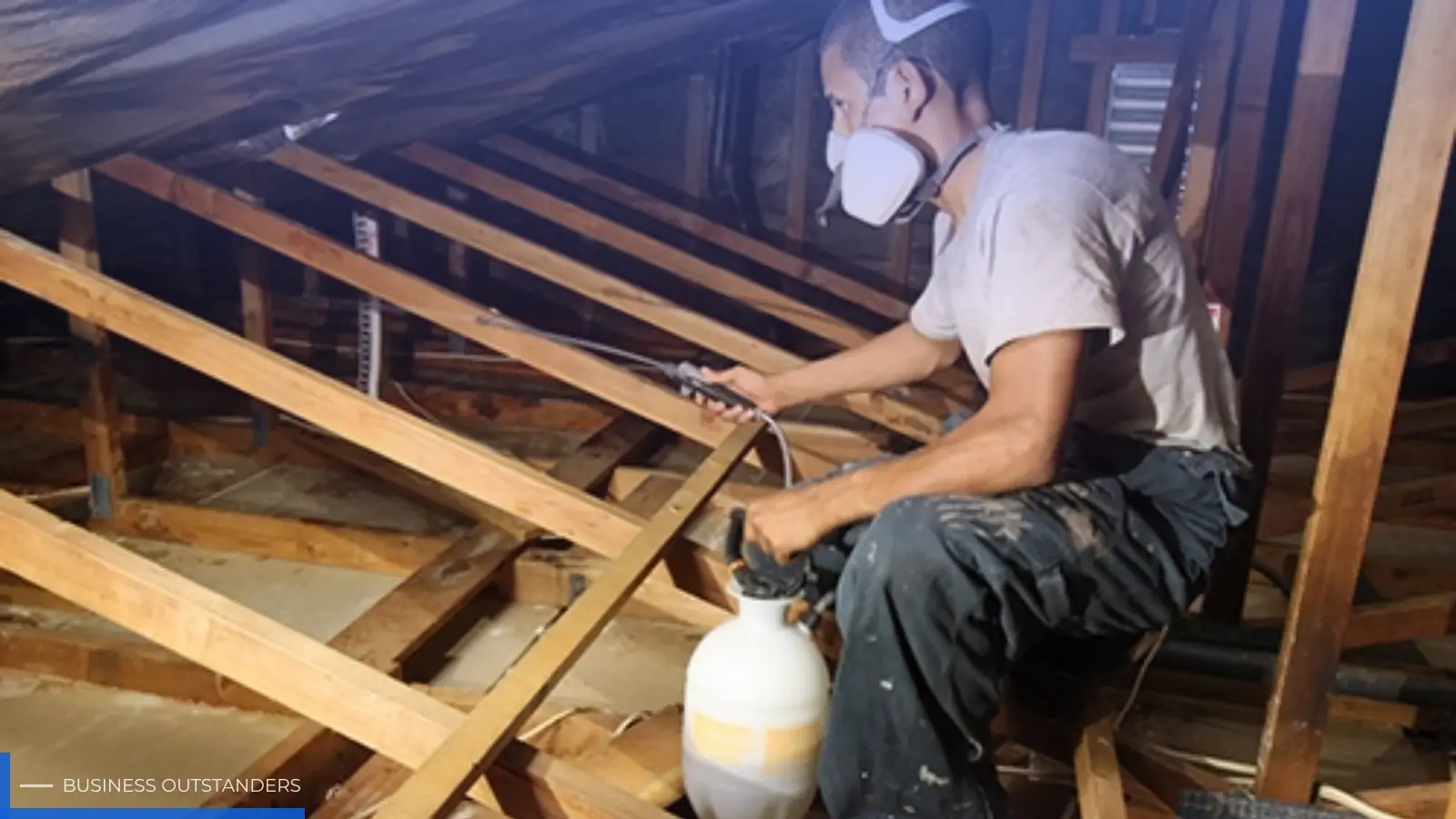
Asbestos/lead abatement in older homes.
-
Contingency for concealed conditions and scope creep.
Fix it: Build a full project budget that includes soft costs and a 10–15% contingency. Tie allowances to specific product SKUs and price assumptions in your plans/specs.
8) Specifications and Finish Schedules
Notes like “tile by owner” sound flexible but create chaos later. Missing info:
-
Product names, colors, sizes, edge profiles.
-
Installation standards (e.g., shower waterproofing system).
-
Lighting/fixture schedules with counts and locations.
Fix it: Attach a specification book and finish schedule to the drawings. Label everything that gets installed: models, finishes, grout colors, hardware, and layout patterns.
9) Neighbor, Access, and Logistics Constraints
Tight lots and busy streets complicate deliveries and staging. Plans rarely show:
-
Material staging areas and crane/truck access.
-
Fence/landscape protection and tree root zones.
-
Work hours and neighbor notifications.
Fix it: Add a site logistics plan with staging, fencing, protection zones, and delivery routes. Proactive neighbor outreach reduces complaints and delays.
10) Documentation and Decision Tracking
Change orders balloon when decisions live in emails and texts.
Fix it: Keep a decision log with dates, costs, and plan references. Version-control your drawings (A1.1 Rev B, etc.) so everyone builds from the same set.
What a Complete Home Addition Plan Set Should Include
Use this checklist to evaluate the completeness of your home addition plans:
-
Code & Zoning Sheet: Occupancy, construction type, setbacks, lot coverage/FAR, height, parking.
-
Survey & Site Plan: Property lines, easements, topography, utility locations, drainage arrows.
-
Demolition Plans: What’s being removed, protection notes, temporary supports.
-
Dimensioned Floor Plans: Room sizes, clearances, door swings, window tags.
-
Elevations & Building Sections: Heights, materials, flashing lines, insulation callouts.
-
Structural Sheets: Foundation plan, framing plans, beam/connection details, shear walls/hold-downs.
-
MEP Coordination: Panel schedule, receptacle/lighting plans, HVAC equipment and ducting, plumbing risers.
-
Energy/Envelope Details: Insulation R-values, air sealing, window/door U-values and SHGC.
-
Details & Schedules: Window/door schedules, finish schedules, cabinetry elevations.
-
Specifications (Spec Book): Products, installation standards, warranty requirements.
-
Site Logistics & Phasing Notes: Staging, protection, temporary walls, utility cutovers.
-
Quality Benchmarks: Tile layout diagrams, drywall level, paint sheen, trim profiles.
How to Get Home Addition Plans Right (Step by Step)
Step 1: Goals, Budget, and Constraints Workshop
Start with a short document that lists must-haves, nice-to-haves, budget range, and nonnegotiables (like preserving a tree or a view). This anchors every design decision to reality.
Step 2: Due Diligence
Order a boundary and topographic survey, research zoning, request utility maps, and locate easements. Confirm setbacks and lot coverage early to avoid redesign.
Step 3: As-Builts and Structural Assessment
Document the existing conditions with accurate as-built drawings (walls, joists, beams, plumbing paths). A structural walk-through can flag undersized framing and foundation cracks that affect the addition.
Step 4: Schematic Options and Test Fits
Develop multiple schemes and test real furniture layouts, storage, and circulation. Use quick 3D massing to study rooflines and shading.
Step 5: Early Contractor Involvement (ECI)
Bring a builder into preconstruction to validate means and methods, sequence, and preliminary pricing. ECI uncovers constructability issues while they’re still cheap to fix on paper.
Step 6: Milestone Estimates and Value Engineering
At schematic and design development milestones, get rough cost updates. If the number creeps, value-engineer with targeted swaps (e.g., simplify roof geometry, standardize window sizes, adjust spans).
Step 7: Coordinated Construction Documents
Advance drawings with full dimensions, sections, and details; add structural calcs; finalize MEP layouts; and attach specs and schedules. This is where most home addition plans fall short—don’t stop at pretty floor plans.
Step 8: Permitting Roadmap
List required permits (building, electrical, mechanical, plumbing, grading), energy forms, and any special inspections. Include a realistic permitting timeline in your overall schedule.
Step 9: Selections Calendar and Long-Lead Items
Create a selections calendar that front-loads items with extended lead times (windows, exterior doors, custom cabinetry, specialty fixtures). The earlier you lock, the smoother the schedule.
Step 10: Construction Phasing and Protection
Map out temporary walls, dust control, daily cleanup, and safe paths for your family (or plan alternative housing). Note which rooms will be offline and for how long.
Step 11: Risk Register and Contingencies
List known risks (e.g., possible asbestos, hidden knob-and-tube wiring, undersized panel). Assign a probability, impact, and mitigation plan. Keep a contingency budget for these items.
Step 12: Quality Standards and Closeout
Define quality upfront: drywall level, tile grout joints, reveals, paint sheen, trim profiles. Plan for inspections, punch lists, warranties, and as-built updates at the end.
Pro Tips by Addition Type
-
Second-Story Additions: Verify foundation capacity and shear walls. Plan for stair placement that doesn’t cannibalize the main floor. Consider whole-house HVAC rebalancing, not just a second system.
-
Rear or Side Bump-Outs: Watch drainage and neighbor setbacks. Simplify roof ties to avoid leaks where new meets old. Use generous overhangs and proper flashing.
-
Garage Conversions/ADUs: Meet egress and sound ratings. Detail slab insulation and moisture control. Verify independent utility metering if required.
Questions to Ask Your Designer or Builder
-
What are the top three code constraints on this lot, and how are they addressed in the plans?
-
Where are the long-lead items, and when do we need to finalize selections?
-
How are new loads carried to the foundation, and what upgrades are included?
-
Do the MEP layouts meet capacity and energy code requirements?
-
What’s the phasing plan if we stay in the house during construction?
-
Which assumptions drive the budget, and what are our allowances?
-
How are changes documented to avoid field confusion?
The Bottom Line
Great home addition plans are more than lines and labels—they’re a coordinated roadmap that aligns design, budget, schedule, and buildability. When your drawings include code research, structural integration, MEP coordination, drainage, specifications, logistics, and clear quality standards, your project is far more likely to finish on time, on budget, and exactly as imagined.
Use the checklists above as your benchmark, insist on a complete plan set, and treat each milestone as a chance to de-risk the build. That’s how you move confidently from blueprint to build—and get your addition right the first time.
Business Outstanders brings you sharp insights on tech, business, entrepreneurship, law, crypto, and more. We uncover what’s next. Stay updated, sign up for our newsletter and be part of the future!