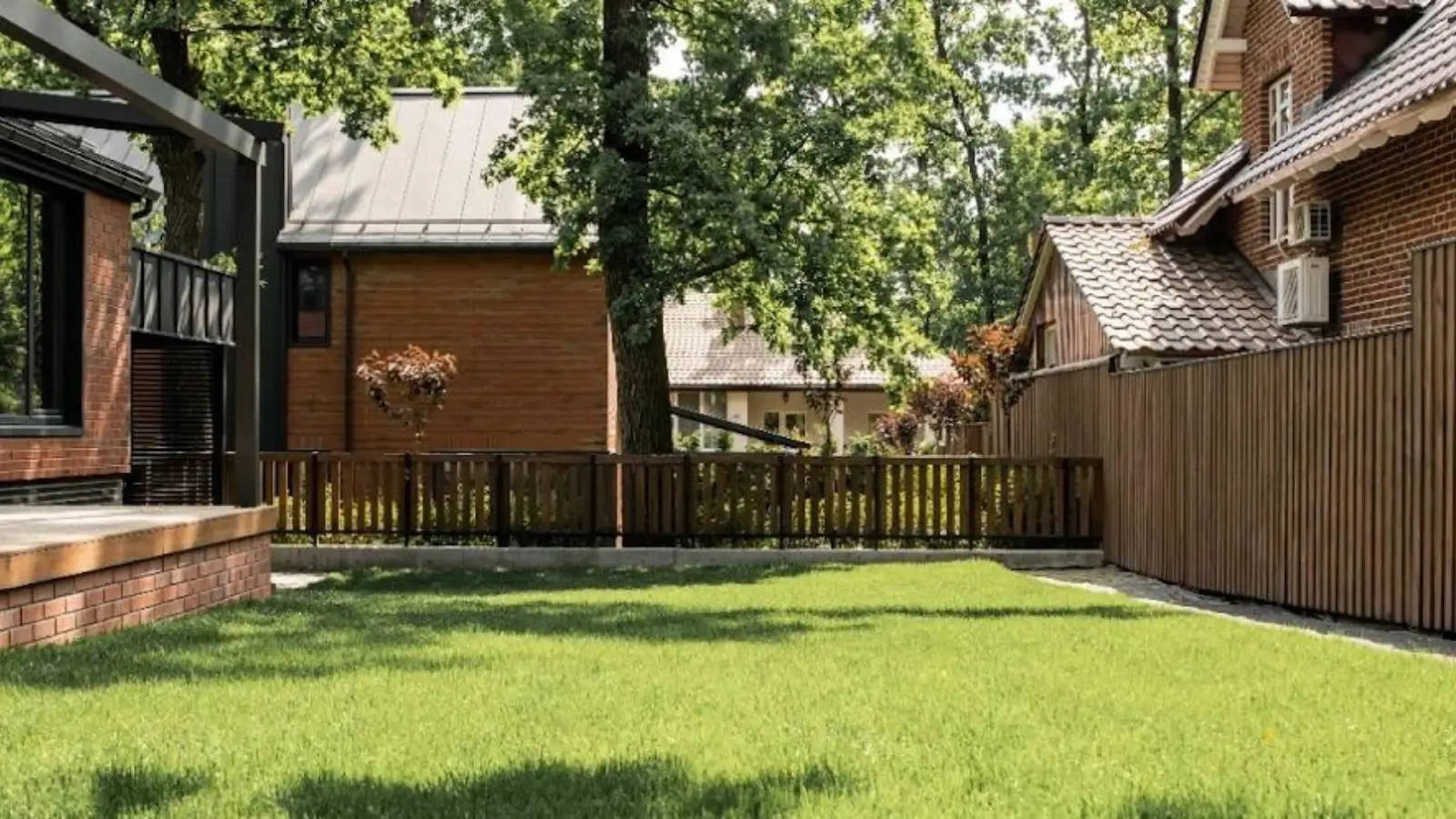
Adding an Accessory Dwelling Unit (ADU) or a backyard rental can be a smart way to earn income and make better use of your property. Many Washington homeowners are turning garages, sheds, or small cottages into secondary living spaces.
But there’s one thing that’s often overlooked during the planning process: how to divide your outdoor space so both households can enjoy privacy, safety, and comfort.
A well-designed fence layout can make all the difference. Let’s explore the best ways to create boundaries that work for everyone.
Why Fencing Matters for ADUs
Building an ADU or backyard rental turns your property into a shared living space. That means your yard, driveway, and garden might be used by more than one household.
A good fence can help:
-
Define property sections clearly
-
Provide privacy for both main and secondary homes
-
Keep kids and pets safe
-
Improve security and access control
-
Add curb appeal and structure to your yard
It’s not just about building a barrier — it’s about designing a layout that helps two separate households live comfortably side by side.
Side-by-Side Yards with Privacy Fencing
If your ADU sits next to your main house, consider splitting the backyard into two private sections.
-
Use solid privacy panels to create a clear boundary.
-
Add gates on each side for individual access.
-
Include landscaping like hedges or tall grasses for a softer look.
This setup works well for tenants who want their own yard space. Working with a fence installation contractor who specializes in property partitioning can help you design a layout that fits both homes.
Shared Yard with Defined Zones
In some cases, you might want a more open layout while still setting some boundaries.
-
Install low picket or horizontal slat fences to mark each household’s space.
-
Use decorative panels or lattice to subtly divide areas like patios or gardens.
-
Leave open zones for shared features like firepits or lawns.
This design encourages community while giving each household a sense of their own space. It’s especially useful for family members living in the ADU long-term.
Separate Entrances with Fenced Pathways
Privacy isn’t just about yard space — it’s also about how people move around the property.
-
Create a dedicated fenced walkway from the street or driveway to the ADU.
-
Use gate systems for security and access control.
-
Add motion-sensor lighting for safety at night.
This approach reduces cross-traffic between households, which can help tenants feel more independent. Hiring a fence contractor experienced in custom fence layouts can ensure your design fits your property lines and building code.
Courtyard-Style Layouts for Multiple Units
If you have a larger property with more than one rental space, a courtyard design can work beautifully.
-
Place fencing around the entire property for security.
-
Create individual fenced patios or garden spaces for each unit.
-
Leave a central shared courtyard for gatherings or outdoor seating.
This creates a community feel while ensuring everyone has their own private nook.
Choosing the Right Materials for Washington Weather
Washington’s climate can be tough on outdoor structures. Rain, wind, and salty coastal air all take a toll.
For long-lasting fences, consider:
-
Cedar or redwood (naturally rot-resistant)
-
Vinyl fencing (low maintenance, resists moisture)
-
Metal or aluminum panels (great for modern styles)
-
Composite materials (durable and weatherproof)
Using weather-resistant fencing materials installed by local pros will help your layout last for years without constant repairs.
Blending Privacy and Aesthetics
When creating separate spaces, it’s important not to make the property feel boxed in. Some tips:
-
Mix solid panels for privacy with open designs for airflow
-
Use matching colors or materials on both sides to stay cohesive
-
Add landscaping to soften hard lines and keep things inviting
The goal is to give both households their own space while keeping the property visually connected.
Checking Local Rules and Property Lines
Before building fences, always double-check:
-
Local zoning rules and setback requirements
-
Any HOA or neighborhood design guidelines
-
Accurate property line surveys
This avoids future disputes and ensures your new fences meet code. A professional installer can often help navigate these regulations.
Final Thoughts
A well-planned fence layout can turn one property into two welcoming homes. By separating spaces thoughtfully, you create privacy, comfort, and value for both your main home and your ADU or rental.
Working with a trusted fence installation contractor who understands multi-unit properties can make the process smoother, ensuring your layout is attractive, functional, and built to last.
With the right design, your backyard can serve two households beautifully — while still feeling like one harmonious property.
Business Outstanders brings you sharp insights on tech, business, entrepreneurship, law, crypto, and more. We uncover what’s next. Stay updated, sign up for our newsletter and be part of the future!