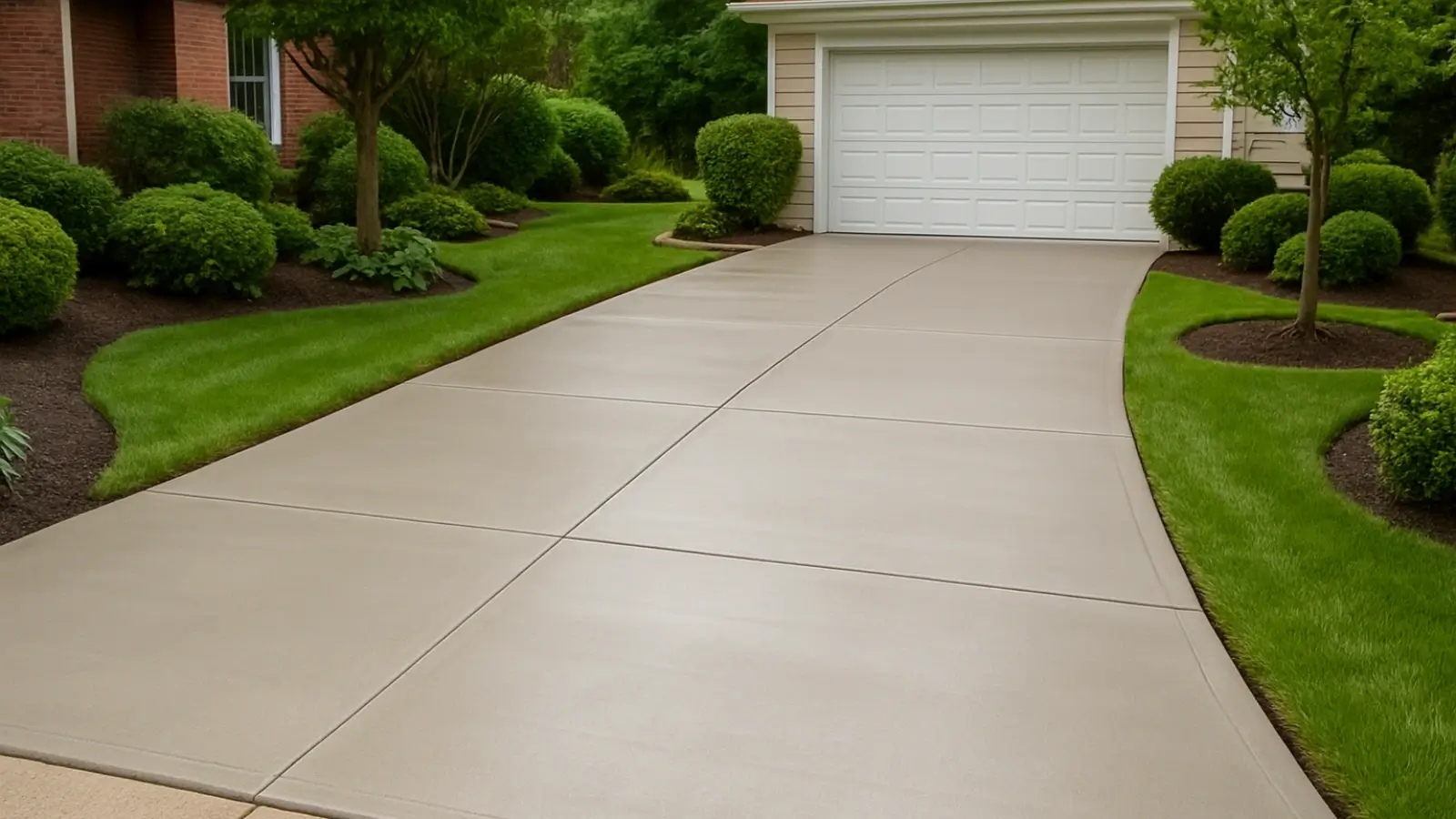
Introduction to Driveway Paving
Driveway paving is one of the most essential aspects of creating a functional, durable, and visually appealing exterior for residential and commercial properties. A properly paved driveway not only provides a smooth surface for vehicles but also enhances the overall aesthetic appeal of the property. Whether a driveway is designed for heavy daily traffic, occasional use, or decorative purposes, the quality of materials, installation, and maintenance directly impacts its longevity and performance. Effective driveway paving requires careful planning, selection of appropriate materials, precise installation techniques, and ongoing care to ensure that it remains both functional and attractive over time. Without proper planning and execution, driveways can quickly develop cracks, uneven surfaces, drainage problems, and other issues that compromise safety and aesthetics.
Understanding the principles behind successful driveway paving allows property owners to make informed decisions that balance cost, durability, appearance, and maintenance requirements. The foundation of any long-lasting driveway lies beneath the surface. Soil analysis, grading, and compaction are critical steps that determine the stability of the paved area. Proper drainage management prevents water accumulation, which can weaken the base, cause erosion, and accelerate surface deterioration. By combining these foundational elements with the right materials and expert installation, driveway paving can provide decades of reliable use while enhancing the curb appeal of the property.
Choosing the Right Materials for Driveway Paving
Selecting the appropriate materials is one of the most critical decisions in any driveway paving project. The choice of material affects not only the appearance of the driveway but also its durability, maintenance needs, and cost. There are several popular options available, each offering unique benefits:
Asphalt is widely used for its affordability, smooth surface, and flexibility. It can withstand heavy loads, resist cracking under moderate temperature fluctuations, and be repaired relatively easily. Regular seal coating extends its lifespan and maintains a fresh appearance.
Concrete provides a strong and durable surface suitable for driveways with heavy vehicle traffic. It can be customized with textures, colors, stamping, or staining, offering both functional and aesthetic advantages. Concrete surfaces typically require less frequent maintenance than asphalt, although occasional resealing and cleaning help maintain their longevity.
Interlocking Pavers offer exceptional versatility and aesthetic appeal. Available in a wide range of shapes, colors, and patterns, pavers can create intricate designs that enhance the property’s appearance. Interlocking systems also provide flexibility, as damaged pavers can be replaced individually without disturbing the surrounding surface.
Gravel and Crushed Stone are cost-effective options that allow water to drain naturally through the surface. While they require regular replenishment and leveling, these materials provide an eco-friendly and easily adjustable paving solution.
Natural Stone such as granite, slate, or travertine offers a luxurious appearance and excellent durability. Though more expensive, stone driveways provide a timeless look and long-lasting performance.
Selecting the right material depends on traffic demands, budget, desired appearance, and environmental considerations. Consulting with experienced professionals ensures that the material choice aligns with the specific requirements of the project and maximizes the lifespan of the driveway.
The Installation Process of Driveway Paving
Driveway paving is a multi-step process that requires precise execution to achieve a durable and aesthetically pleasing surface. The installation process typically begins with site preparation. This includes clearing the area of debris, vegetation, and existing surfaces, followed by grading the ground to establish proper slope and drainage. A stable sub-base is then installed, often composed of compacted gravel or crushed stone, to provide a solid foundation for the paving material.
Once the base is prepared, the chosen material is installed according to manufacturer specifications and industry best practices. For asphalt and concrete, this involves pouring, leveling, and compacting the material to create a smooth surface capable of handling traffic. For interlocking pavers or stone, careful alignment and secure placement ensure structural integrity and visual appeal. Proper edge restraints are also installed to prevent shifting and maintain clean boundaries.
Finishing steps may include sealing, coloring, or applying decorative patterns to enhance the driveway’s appearance. Throughout the installation process, attention to detail is essential, as small errors can lead to uneven surfaces, cracking, or premature wear. Professional expertise in driveway paving ensures that each step is executed correctly, producing a surface that is both functional and visually striking.
Maintenance and Longevity of Driveway Paving
Ongoing maintenance is critical to preserving the performance and appearance of a paved driveway. Regular inspections help identify early signs of wear, such as cracks, potholes, or surface discoloration. Promptly addressing these issues through crack filling, resurfacing, or seal coating prevents more extensive damage and prolongs the driveway’s lifespan.
For asphalt driveways, seal coating every few years protects against oxidation, moisture infiltration, and surface wear. Concrete driveways benefit from resealing and cleaning to prevent staining and cracking, while paver driveways require periodic joint sand replenishment to maintain stability and prevent weed growth. Gravel and crushed stone driveways should be regularly leveled and replenished to maintain a smooth surface.
Proper drainage is another essential aspect of maintenance. Ensuring that water flows away from the driveway prevents erosion, undermining of the base, and surface damage. By implementing a comprehensive maintenance plan, driveway paving can remain functional, attractive, and safe for decades.
Design Considerations for Driveway Paving
Driveway paving is not only about functionality but also about enhancing the overall appearance of a property. A well-designed driveway complements the architecture, landscaping, and aesthetic goals of the property while providing a practical and durable surface. Considerations include layout, width, curvature, and accessibility.
Creative use of patterns, textures, and colors can transform a simple driveway into a striking architectural feature. Interlocking pavers, stamped concrete, and decorative borders provide opportunities for visual customization. Curved driveways create a sense of flow and elegance, while straight layouts optimize space and efficiency. Properly designed driveways also incorporate safety considerations, such as non-slip surfaces, adequate lighting, and clear boundaries for pedestrians and vehicles.
By integrating functional and aesthetic elements, driveway paving can enhance both the usability and curb appeal of a property, creating an inviting and impressive first impression.
Environmental and Climate Considerations
Climate and environmental conditions play a significant role in the performance of driveway paving. Extreme temperatures, heavy rainfall, freeze-thaw cycles, and soil composition all impact the durability and longevity of paved surfaces. Asphalt and concrete driveways must accommodate expansion and contraction to prevent cracking, while proper drainage ensures that water does not accumulate and weaken the sub-base.
Sustainable and environmentally friendly options, such as permeable paving systems, allow water to pass through the surface, reducing runoff and supporting groundwater recharge. Choosing materials and installation methods suited to the local climate ensures that driveway paving withstands environmental stresses and maintains its integrity over time.
Applications and Benefits of Driveway Paving
Driveway paving provides numerous benefits beyond simple vehicle access. A well-constructed driveway improves property value, enhances curb appeal, and creates a functional outdoor space that is safe and reliable. Smooth surfaces reduce vehicle wear and tear, minimize the risk of accidents, and provide a clean, organized entrance to a property.
Driveway paving is suitable for a variety of applications, including residential properties, commercial establishments, and public infrastructure. Its adaptability, durability, and aesthetic flexibility make it a practical and valuable investment for property owners seeking long-term performance and enhanced appearance.
Conclusion
Driveway paving is a complex process that combines careful planning, material selection, expert installation, and ongoing maintenance to create a durable, functional, and visually appealing surface. From choosing the right materials to preparing the sub-base, installing the paving material, and implementing a maintenance plan, every step plays a critical role in the long-term success of the driveway. By investing in high-quality driveway paving and consulting experienced professionals, property owners can ensure a smooth, safe, and aesthetically pleasing surface that adds value, convenience, and beauty to their property for many years to come. Properly executed driveway paving not only improves the functionality and appearance of a property but also provides peace of mind and long-term value that endures through years of daily use.
Business Outstanders brings you sharp insights on tech, business, entrepreneurship, law, crypto, and more. We uncover what’s next. Stay updated, sign up for our newsletter and be part of the future!