Introduction:
A deep clean is more than a routine cleaning process; it is a comprehensive approach designed to tackle areas of a property that are often neglected during standard cleaning. While regular cleaning focuses on maintaining basic hygiene, a deep clean targets hidden dirt, bacteria, allergens, and grime that accumulate over time. This type of cleaning is essential for creating a healthier, safer, and more aesthetically pleasing environment in both residential and commercial spaces. A deep clean involves thorough attention to high-traffic areas, appliances, fixtures, and hard-to-reach surfaces, ensuring that every corner of a space meets high cleanliness standards. By undertaking a deep clean periodically, property owners prevent the buildup of contaminants, extend the lifespan of furniture and fixtures, and enhance overall comfort and well-being. It is a strategic investment in property maintenance that provides immediate improvements in appearance and long-term health benefits.
Key Components of a Deep Clean
A deep clean covers a wide range of tasks that go beyond what is typically included in a standard clean. Core components include scrubbing and sanitizing kitchens and bathrooms, cleaning behind and underneath appliances, washing walls and baseboards, and polishing fixtures and fittings. Carpets, rugs, and upholstered furniture are vacuumed and treated to remove embedded dirt, dust mites, and allergens. Windows, vents, and air ducts are often cleaned to improve air quality and remove hidden dust. High-touch surfaces, such as doorknobs, switches, and handles, receive thorough disinfection to minimize the risk of germ transmission. The process also includes detailed attention to flooring, grout, and tiles, eliminating stains, mold, and mildew that standard cleaning may not address. By systematically covering these tasks, a deep clean ensures that every area is hygienic, visually appealing, and ready for daily use.
Planning a Deep Clean Routine
Effective deep cleaning begins with careful planning. Establishing a schedule ensures that all areas of a property are addressed systematically, preventing oversight and improving efficiency. Property owners should create a checklist of tasks for each room, prioritizing areas that experience heavy use or are prone to contamination, such as kitchens and bathrooms. Planning also involves gathering the necessary cleaning supplies and equipment, including disinfectants, brushes, microfiber cloths, vacuum cleaners, steam cleaners, and specialized tools for hard-to-reach spaces. A structured approach allows tasks to be completed in a logical order, often starting from higher surfaces and working downward to avoid re-contamination. Regularly scheduling deep cleans monthly, quarterly, or biannually depending on usage ensures that properties remain in excellent condition and that routine maintenance cleaning is more effective.
Techniques and Best Practices for a Deep Clean
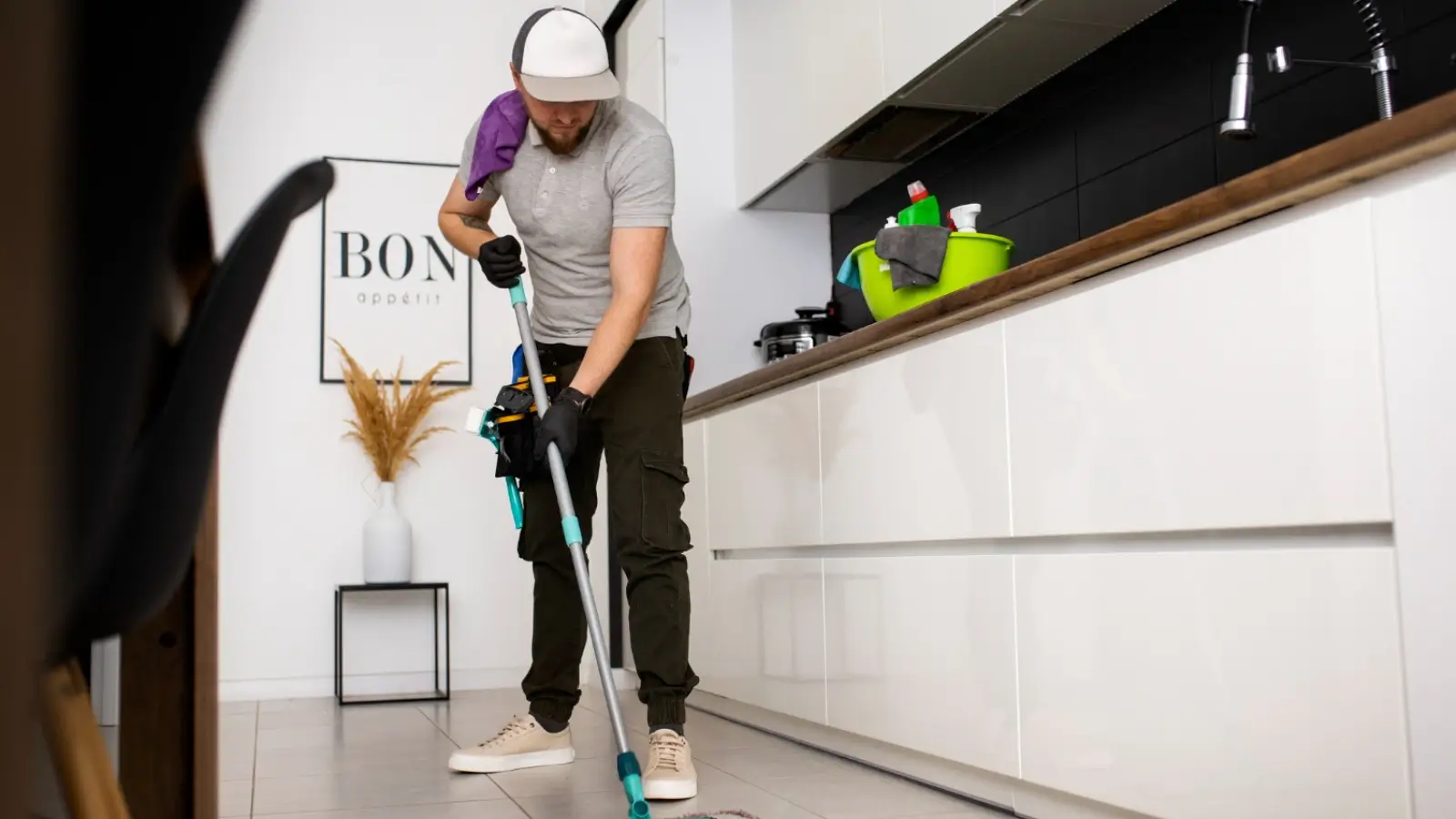
Executing a deep clean requires effective techniques that target dirt and contaminants in a thorough and efficient manner. Dusting should begin from ceilings, light fixtures, and vents before moving to walls, shelves, and furniture to prevent redistribution of dust. Vacuuming and sweeping should cover all corners, under furniture, and along baseboards. Hard floors require scrubbing or mopping with appropriate cleaning agents to remove grime and stains. In kitchens and bathrooms, cleaning involves not only surfaces but also inside cabinets, drawers, and appliances, addressing accumulated grease, limescale, and mold. Using microfiber cloths enhances cleaning efficiency by trapping dust and bacteria more effectively than traditional rags. Steam cleaning is particularly effective for carpets, upholstery, and tile grout, providing deep sanitization without harsh chemicals. Following these techniques consistently ensures that a deep clean delivers superior hygiene and enhances the overall appearance of any property.
Benefits of a Deep Clean
A deep clean offers multiple benefits that go beyond visual appeal. First, it significantly improves hygiene by eliminating bacteria, viruses, mold, and allergens that accumulate in hidden areas. This is crucial for households with children, elderly members, or individuals with allergies or respiratory conditions. Second, it extends the lifespan of furnishings, appliances, and flooring by removing dirt, grease, and buildup that can cause wear and deterioration. Third, a deep clean enhances indoor air quality, creating a healthier environment for occupants. Fourth, it boosts aesthetic appeal, transforming spaces into inviting, organized, and polished environments. Finally, performing regular deep cleans reduces the need for emergency cleaning interventions, saving time and resources in the long run. These benefits make a deep clean an essential aspect of property maintenance for both practical and aesthetic purposes.
Choosing Between Standard Cleaning and Deep Cleaning
Understanding the difference between standard cleaning and a deep clean is vital for effective property maintenance. Standard cleaning focuses on maintaining cleanliness through routine tasks like dusting, vacuuming, and wiping surfaces. A deep clean, however, is a more intensive process that addresses areas neglected during routine cleaning, including behind appliances, under furniture, and inside cabinets. While standard cleaning maintains day-to-day hygiene, a deep clean eliminates long-term buildup, providing a more comprehensive level of sanitation. Integrating both approaches into a cleaning schedule ensures that properties remain not only visually clean but also hygienically safe and well-maintained over time.
Professional Deep Clean Services
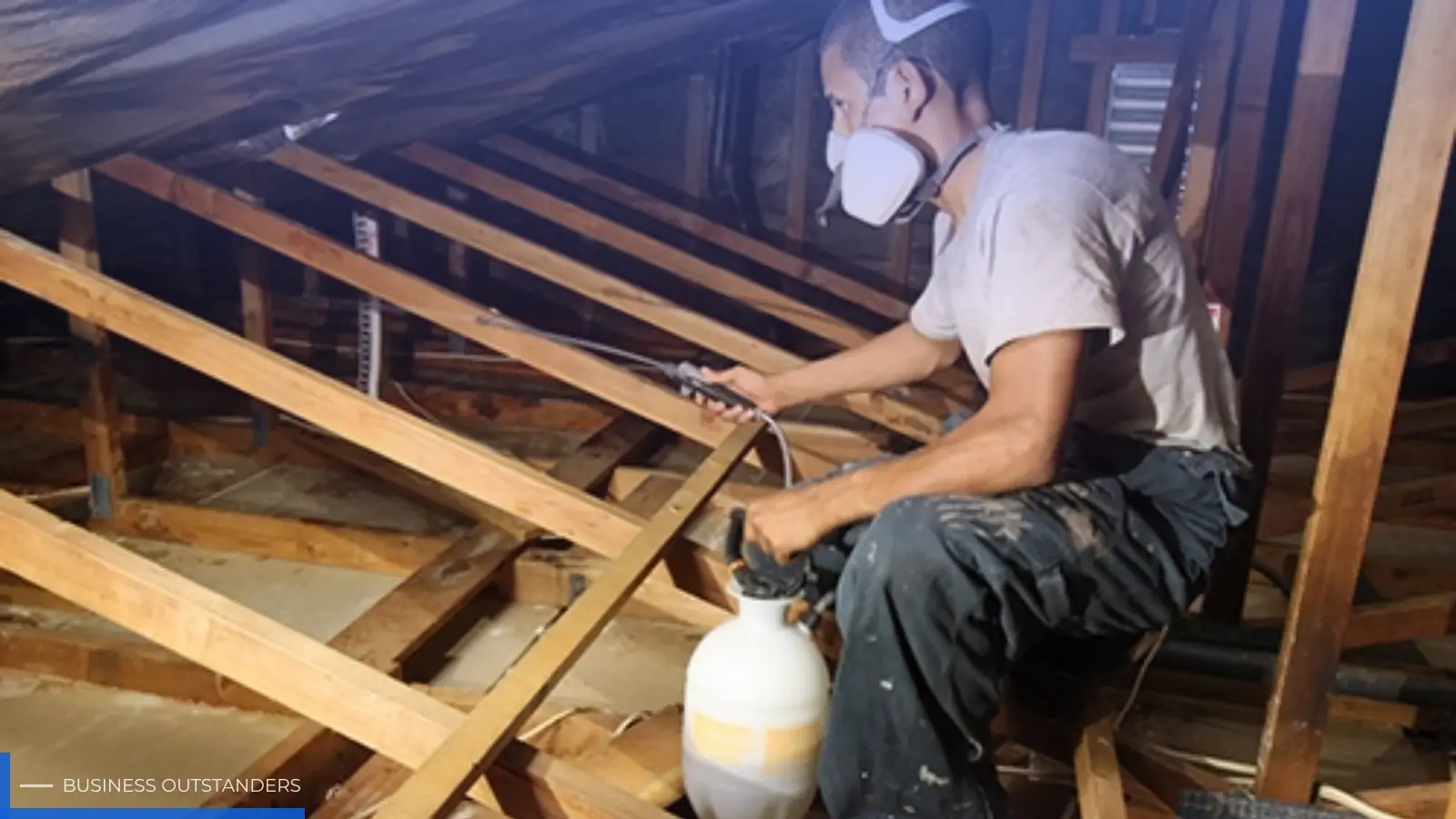
Many property owners opt for professional services to conduct a deep clean, especially for larger spaces or commercial settings. Professional cleaners have the expertise, equipment, and cleaning solutions required to deliver consistent and thorough results. They can address areas that are often missed in standard cleaning, such as vents, ductwork, and behind large appliances. Hiring professionals saves time and ensures that the deep clean is conducted efficiently and safely. Customized cleaning plans allow clients to select the frequency and scope of tasks, ensuring that specific areas receive appropriate attention. Additionally, professional deep clean services often identify maintenance issues, such as mold growth, water damage, or wear, providing proactive recommendations for long-term upkeep. Engaging trained professionals guarantees a high standard of cleanliness that protects health, enhances property value, and reduces future maintenance costs.
Challenges in Deep Cleaning
While deep cleaning is highly beneficial, it comes with challenges that must be managed carefully. High-traffic areas often accumulate stubborn dirt and stains that require additional effort or specialized equipment. Some surfaces may be delicate or sensitive to certain cleaning chemicals, requiring careful selection of products and techniques. Limited time, supplies, or experience can also hinder the effectiveness of a deep clean. Additionally, neglecting to perform deep cleans regularly can allow dirt and contaminants to accumulate to a level that is harder to remove, increasing both time and cost. Addressing these challenges requires planning, appropriate equipment, knowledge of materials, and consistency. Professional services or detailed preparation can mitigate these difficulties, ensuring that a deep clean achieves maximum effectiveness and maintains high hygiene standards.
Sustainability in Deep Cleaning Practices
Sustainable deep cleaning practices are increasingly important for health, safety, and environmental responsibility. Eco-friendly cleaning products, reusable microfiber cloths, and energy-efficient cleaning tools reduce the environmental footprint while maintaining effective sanitation. Using non-toxic, biodegradable solutions ensures indoor air quality and minimizes exposure to harmful chemicals. Incorporating sustainable practices not only benefits the environment but also supports the long-term health of occupants. By combining rigorous cleaning techniques with environmentally responsible products, deep cleaning becomes both effective and conscientious, meeting the needs of modern households and businesses alike.
Conclusion: The Long-Term Value of a Deep Clean
A deep clean is an essential component of effective property maintenance, providing comprehensive sanitation, improved aesthetics, and long-term protection for furnishings and fixtures. By addressing hidden dirt, allergens, and contaminants, a deep clean goes beyond routine maintenance, ensuring that living and working spaces are healthier, safer, and more visually appealing. Planning, effective techniques, and consistency are key to achieving the full benefits of a deep clean, while professional services can enhance efficiency and quality. Integrating deep cleaning into a regular schedule complements standard cleaning, preventing the accumulation of dirt and ensuring optimal hygiene. Prioritizing a deep clean not only improves comfort and usability but also protects the long-term value of a property. Engaging in regular, structured deep cleaning practices creates spaces that are polished, sanitary, and well-maintained, fostering healthier living and working environments. Ultimately, investing in deep clean routines ensures that properties remain functional, inviting, and prepared for both immediate use and long-term sustainability. Thoughtful attention to thorough cleaning empowers property owners to maintain spaces that are safe, attractive, and enduring.
Business Outstanders brings you sharp insights on tech, business, entrepreneurship, law, crypto, and more. We uncover what’s next. Stay updated, sign up for our newsletter and be part of the future!