Chimneys are an integral part of many homes, providing ventilation for fireplaces, stoves, and heating systems. Despite their importance, chimneys often do not receive the attention they require until serious problems arise. Proper maintenance and timely chimney repair are crucial not only for the efficiency of your home heating system but also for the safety of your household. Over time, chimneys are subjected to harsh weather conditions, temperature fluctuations, and the natural wear and tear of materials, all of which can lead to cracks, leaks, or structural weaknesses. Ignoring these issues can result in costly repairs and potential safety hazards such as fire risks or carbon monoxide leakage.
Understanding the Need for Chimney Repair
The necessity for chimney repair often arises from a combination of structural degradation and functional inefficiency. Many chimneys are constructed from bricks and mortar, materials that can erode, crack, or crumble under constant exposure to heat, moisture, and environmental stressors. Additionally, the interior flue, which channels smoke and gases safely out of the home, can become obstructed by soot, creosote buildup, or animal nests. These blockages not only reduce efficiency but also significantly increase the risk of chimney fires. A thorough inspection can reveal early signs of deterioration, such as loose bricks, missing mortar, water leaks, or a leaning structure, all of which signal the need for immediate chimney repair.
Regular maintenance is a preventative approach that can save homeowners from emergency situations. Chimney repair is not solely a matter of aesthetic restoration; it directly impacts the functionality and safety of your heating system. Even minor cracks in the masonry can allow moisture to seep into the chimney, leading to internal damage, rusting of metal components, or even mold growth within the home. Addressing these issues promptly ensures that the chimney continues to operate efficiently while maintaining the overall structural integrity of the building.
Common Problems Necessitating Chimney Repair
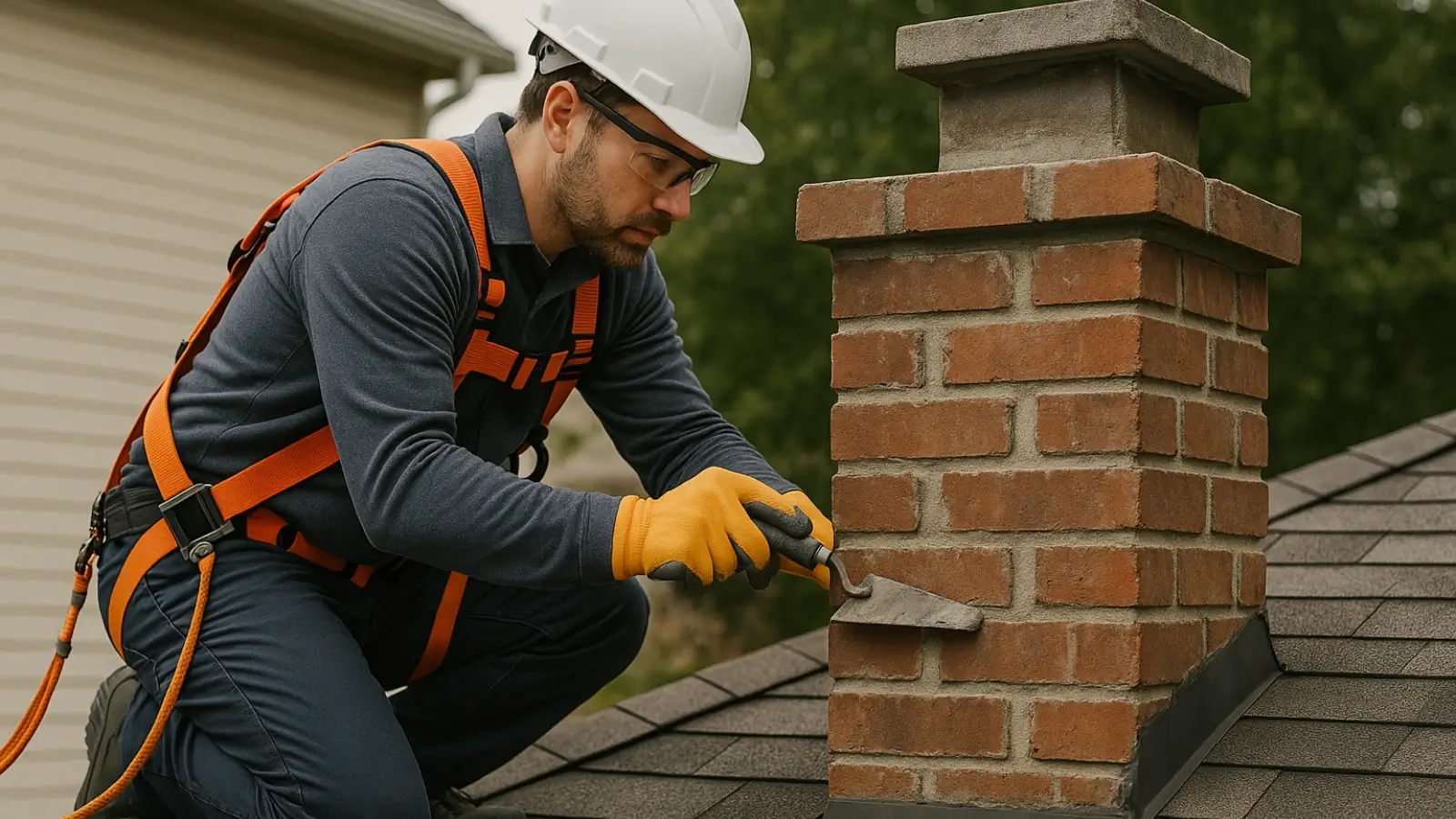
Chimney repair may be required for a variety of reasons, each related to specific components or types of damage. One common issue is the deterioration of mortar joints, known as mortar decay. The mortar binding the bricks together can erode over time due to weathering, leaving gaps that compromise the stability of the chimney. Repointing, the process of replacing old mortar with new, is a common chimney repair method used to restore structural integrity. Another frequent problem is cracked or spalling bricks. Spalling occurs when water infiltrates the brick, freezes, and causes the surface to break or flake. This not only weakens the chimney but can also create hazards for anyone nearby if bricks fall.
In addition to structural problems, functional issues such as flue blockages or chimney liner damage also demand attention. A damaged liner can allow toxic gases like carbon monoxide to enter the home, making chimney repair a critical safety measure. Creosote buildup, a sticky, combustible substance resulting from burning wood, is another factor that can necessitate repair or thorough cleaning. Left untreated, creosote accumulation is one of the leading causes of chimney fires, highlighting the importance of regular inspections and timely intervention.
Water damage is another significant concern. Many homeowners underestimate the impact of water infiltration, but it can cause extensive deterioration over time. Water can enter through cracks in the chimney crown, leaking into the masonry and interior structure. This infiltration not only accelerates decay but can also damage the fireplace and surrounding areas of the home. Installing chimney caps, flashing, and waterproofing the masonry are preventive measures that complement chimney repair to protect against future damage.
Steps Involved in Professional Chimney Repair
Chimney repair is a specialized task that often requires professional expertise. The process typically begins with a comprehensive inspection to identify both visible and hidden issues. This includes checking for structural damage, assessing the condition of the flue, evaluating the integrity of the chimney crown, and detecting any moisture-related problems. Advanced inspection tools, such as cameras and video equipment, are sometimes used to examine hard-to-reach areas inside the chimney. Once the problems are identified, a tailored repair plan can be developed, prioritizing safety and efficiency.
Repointing deteriorated mortar, replacing damaged bricks, repairing or replacing the flue liner, sealing cracks, and waterproofing the chimney are common repair procedures. Repointing requires careful removal of old mortar and application of new mortar that matches the original material to preserve both function and appearance. If the chimney has severe structural issues, more extensive repairs or rebuilding portions of the chimney may be necessary. For flue liner repairs, materials such as clay, stainless steel, or cast-in-place liners are used depending on the specific requirements of the chimney system. Waterproofing treatments help prevent future damage by creating a barrier against moisture while allowing the masonry to breathe.
Benefits of Timely Chimney Repair
Investing in timely chimney repair offers numerous benefits that extend beyond immediate safety concerns. First and foremost, it significantly reduces the risk of fire hazards and carbon monoxide exposure, protecting both lives and property. Additionally, a well-maintained chimney operates more efficiently, improving airflow and heat distribution for your fireplace or heating system. This efficiency can lead to lower energy costs, as less fuel is wasted due to restricted or damaged flues. A structurally sound chimney also contributes to the overall value and aesthetic appeal of a home, preventing the decline that occurs when issues are left unaddressed for long periods.
Preventative maintenance combined with periodic chimney repair extends the lifespan of the chimney, saving homeowners substantial costs compared to emergency repairs or full replacements. Regular inspections allow problems to be detected early, avoiding extensive damage that can compromise not only the chimney but also the surrounding roof and walls. Furthermore, timely repair ensures compliance with safety standards and insurance requirements, which often mandate proof of proper maintenance and functionality for home safety and coverage purposes.
DIY vs. Professional Chimney Repair
While minor cleaning and maintenance can sometimes be handled by homeowners, chimney repair is generally a job best left to professionals. Attempting to repair structural damage without proper training can be dangerous, leading to injury or further damage to the chimney. Professionals bring the necessary tools, experience, and knowledge of building codes to ensure repairs are performed correctly and safely. They can accurately assess the extent of damage, recommend appropriate repair methods, and execute the repairs efficiently.
DIY maintenance tasks, such as clearing small amounts of debris or checking for obvious cracks, are valuable as part of routine upkeep. However, for comprehensive repair work especially involving masonry, flue liners, or water damage professional intervention ensures the chimney’s longevity and safety. Professional chimney repair also often includes a warranty or guarantee, providing homeowners with peace of mind and financial protection against future issues.
Maintaining Your Chimney After Repair
Once chimney repair is completed, ongoing maintenance is essential to preserve its condition and prevent future problems. Annual inspections, preferably before the heating season, help detect minor issues before they escalate. Keeping the chimney clean, particularly by removing creosote and soot, reduces fire risks and ensures proper airflow. Using a chimney cap can prevent water, debris, and animals from entering the chimney, minimizing the likelihood of damage. Additionally, monitoring the masonry and seals for signs of wear or water infiltration allows homeowners to address issues proactively rather than reactively.
Regular maintenance not only protects the investment made in chimney repair but also ensures the continued safety and efficiency of the heating system. Combining preventive care with timely repair creates a cycle of upkeep that preserves the structural integrity and functionality of the chimney for years to come.
Conclusion
Chimney repair is a vital aspect of home maintenance that impacts safety, efficiency, and property value. Whether addressing structural deterioration, flue damage, or water infiltration, timely repairs prevent minor problems from escalating into costly emergencies. Professional inspection and repair, combined with ongoing maintenance, ensure that chimneys remain functional and safe for daily use. Ignoring chimney issues can lead to dangerous conditions, including fire hazards and carbon monoxide exposure, making prompt attention essential. By understanding the importance of chimney repair and taking proactive steps, homeowners can protect their investment, improve energy efficiency, and maintain the comfort and safety of their homes. Investing in chimney repair is not just a repair task it is a commitment to the long-term safety, efficiency, and well-being of your home and family.
Business Outstanders brings you sharp insights on tech, business, entrepreneurship, law, crypto, and more. We uncover what’s next. Stay updated, sign up for our newsletter and be part of the future!