Laser engraving has become a core technology across workshops, fabrication environments, and industrial settings. Its precision, repeatability, and ability to permanently mark a wide range of materials make it valuable for both beginners and experienced operators. Understanding how laser engraving works helps you choose the right equipment, avoid common mistakes, and achieve consistent results across different applications.
What Is Laser Engraving?
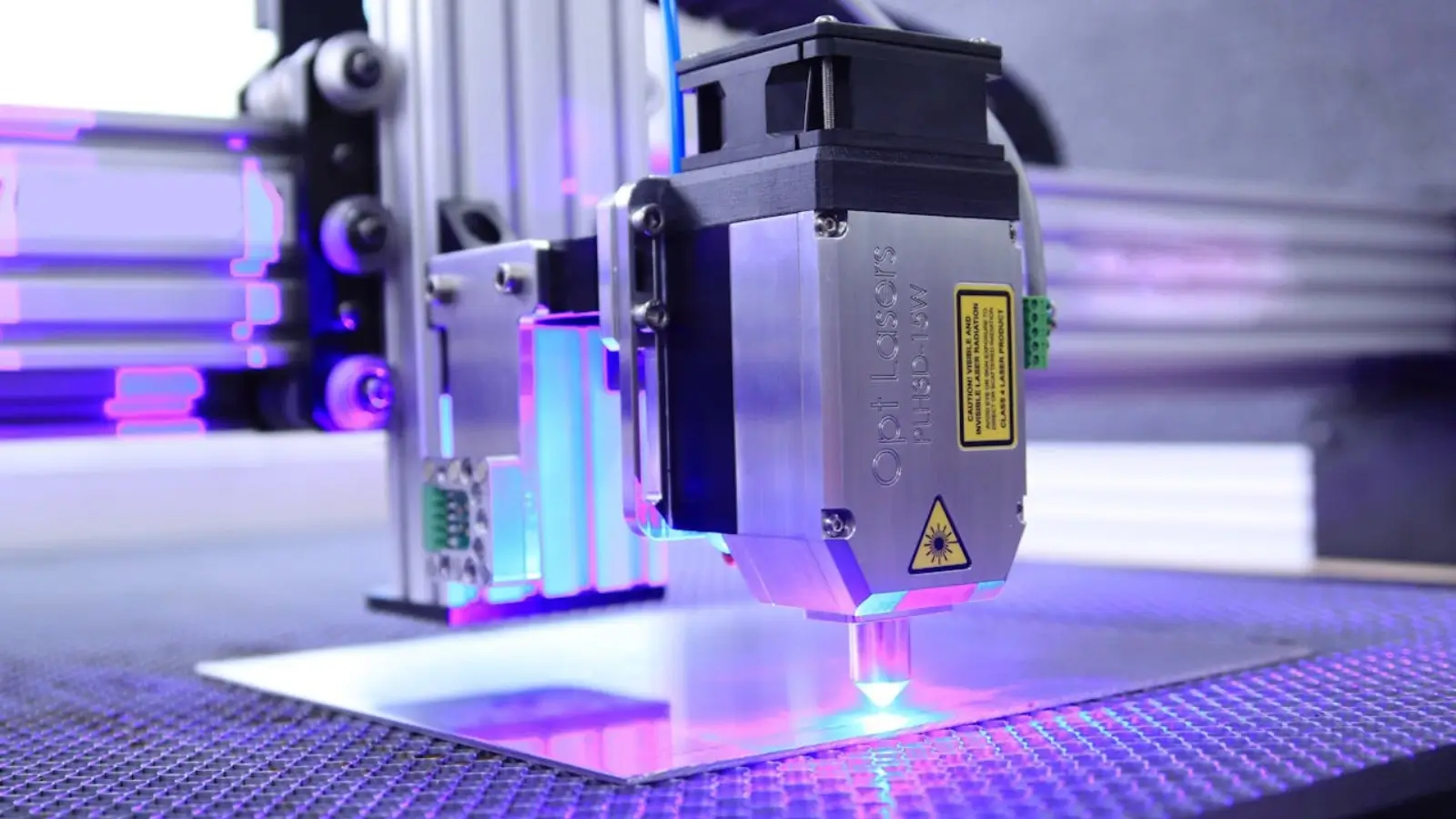
Laser engraving is a subtractive process that removes material using a concentrated beam of light. The beam is focused onto the surface, generating enough heat to vaporise or burn away material. Because the beam is digitally controlled, the engraver can produce fine detail, sharp edges, and permanent markings that resist wear, chemicals, and environmental exposure.
A laser engraving machine, such as those supplied by Engraving Supplies, directs the beam with high precision. The material absorbs the energy, heats rapidly, and breaks down in a controlled way. This is what creates the engraved mark.
The Science Behind Laser Engraving
Laser engraving relies on three core principles:
Light generation
A laser produces light at a specific wavelength. This light is coherent, meaning the waves travel in the same direction and phase, allowing the beam to remain tightly focused.
Material absorption
Different materials absorb different wavelengths. Wood, acrylic, and leather absorb CO₂ laser wavelengths effectively, while metals respond better to fibre lasers.
Thermal reaction
Once the material absorbs the beam, it undergoes rapid heating. Depending on the material, this can cause vaporisation, oxidation, or melting. The laser’s power, speed, and frequency determine how deep or dark the engraving becomes.
Types of Laser Engraving Machines
CO₂ laser engravers
These are common in signage, craft, and fabrication workshops and and are often considered the best laser for engraving non-metal materials. They are ideal for wood, acrylic, leather, rubber, glass, and coated metals. They are not suitable for raw metals.
Fibre laser engravers
These are the preferred choice for metal marking and industrial applications. They perform exceptionally well on stainless steel, aluminium, brass, and other metals. Dedicated stainless steel engraving systems are specifically designed to deliver permanent, high-contrast results in demanding environments.
Diode lasers
These compact, affordable units are often used by hobbyists. They are best suited for light engraving on wood and coated materials.
How Laser Engraving Works Step by Step
Laser engraving is a precise, non-contact process that uses a focused laser beam to remove material from a surface, creating permanent marks, text, or designs with high accuracy and repeatability.
-
Preparing the design: Laser engraving software accepts vector files such as SVG, AI, or DXF. High-contrast images can also be used for raster engraving.
-
Selecting material settings: Each material requires specific settings for power, speed, frequency, and number of passes. Beginners often start with preset profiles and fine-tune them based on test results.
-
Focusing the laser: A properly focused beam ensures sharp, clean engraving. Some machines include auto-focus features, while others require manual adjustment.
-
Running a test: A small test square or line helps confirm engraving depth, contrast, and edge quality before proceeding with the full design.
-
Engraving the material: The machine follows the programmed path, removing material layer by layer to create the final engraving.
-
Cleaning the surface: Residue or dust may remain after engraving. A quick wipe or a burst of compressed air usually restores clarity.
Materials Suitable for Laser Engraving
Commonly engraved materials include:
- Wood
- Acrylic
- Leather
- Glass
- Rubber
- Anodised aluminium
- Stainless steel (with a fibre laser)
- Painted or coated metals
Materials to avoid include PVC, polycarbonate, and certain foams due to toxic fumes or poor engraving behaviour.
Traffolyte Labelling for Electrical Applications
Laser engraving plays a major role in electrical identification, particularly with Traffolyte labels. Traffolyte is a multi‑layered phenolic laminate widely used for switchboards, control panels, cable markers, and general electrical compliance labelling. CO₂ laser engravers remove the top layer cleanly, exposing the contrasting colour beneath. This produces durable, high‑visibility labels that meet electrical industry requirements.
Electrical contractors, panel builders, and industrial workshops rely heavily on Traffolyte for safety and compliance. Many of these businesses use machines sourced through Engraving Supplies to produce consistent, professional‑grade Traffolyte labelling in‑house.
Tips for Beginners
- Start with simple designs before attempting fine detail
- Keep lenses and mirrors clean to maintain beam quality
- Use proper ventilation or extraction
- Record your settings for each material
- Choose quality materials to avoid inconsistent results
Why Laser Engraving Has Become So Popular
Laser engraving offers a combination of precision, repeatability, and material versatility that few other marking methods can match. It is used in industries ranging from signage and jewellery to engineering, electrical compliance, and industrial manufacturing. The availability of compact, affordable systems has also made it accessible to hobbyists and small businesses.
Suppliers such as Engraving Supplies have played a major role in making the technology easier to adopt by offering machines suited to different skill levels and applications, from entry‑level CO₂ systems to advanced fibre lasers for metal marking.
Safety Considerations
- Wear appropriate eye protection for your laser type
- Never leave the machine running unattended
- Keep flammable materials away from the work area
- Ensure proper ventilation
- Inspect optics and cables regularly
Final Thoughts
Understanding how laser engraving works gives beginners a strong foundation for choosing the right equipment and achieving consistent results. Whether you are engraving wood for creative projects, producing Traffolyte labels for electrical work, or marking stainless steel tools with a fibre system, the principles remain the same: controlled light, precise motion, and the right material settings. With practice and attention to detail, laser engraving becomes a reliable and rewarding process.
Author Bio
The author has more than 20 years of hands‑on experience as an industrial engraver and laser technician, working across CO₂, fibre, and diode systems. Their background includes producing high‑precision identification, metal marking, and Traffolyte labelling for electrical and industrial applications. They now focus on sharing practical, workshop‑ready knowledge with makers, trades, and small businesses exploring laser technology.
Business Outstanders brings you sharp insights on tech, business, entrepreneurship, law, crypto, and more. We uncover what’s next. Stay updated, sign up for our newsletter and be part of the future!