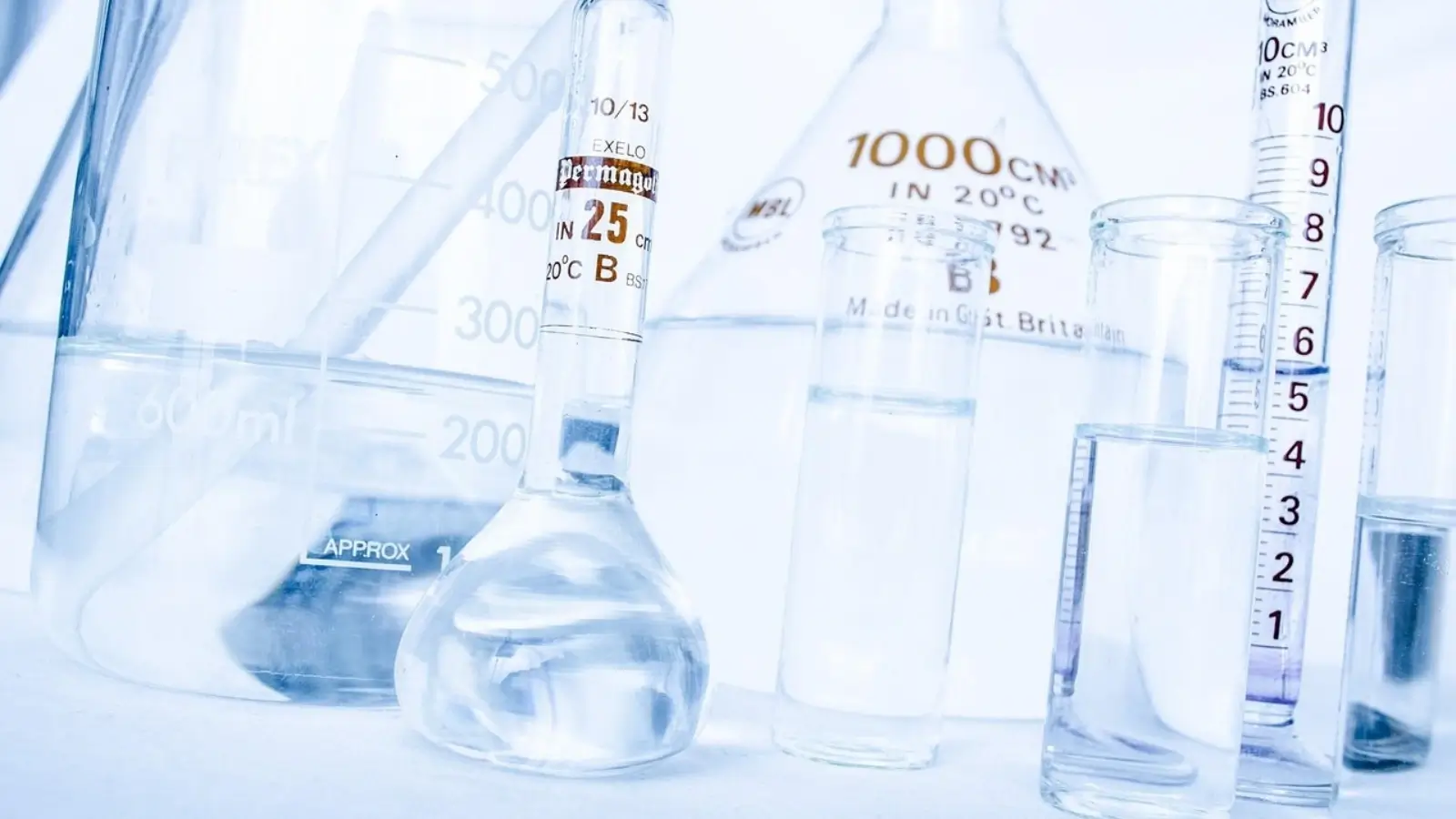
Historically, borosilicate glass—known under trade names such as Duran or Pyrex—has become the standard for most laboratory applications. Its popularity is explained by its optimal balance of thermal resistance, chemical durability, and relative affordability. This material has a low coefficient of thermal expansion, allowing it to withstand significant and rapid temperature fluctuations without structural failure. These properties make it suitable for a wide range of standard laboratory operations, such as heating, boiling, and mixing aggressive media [1].
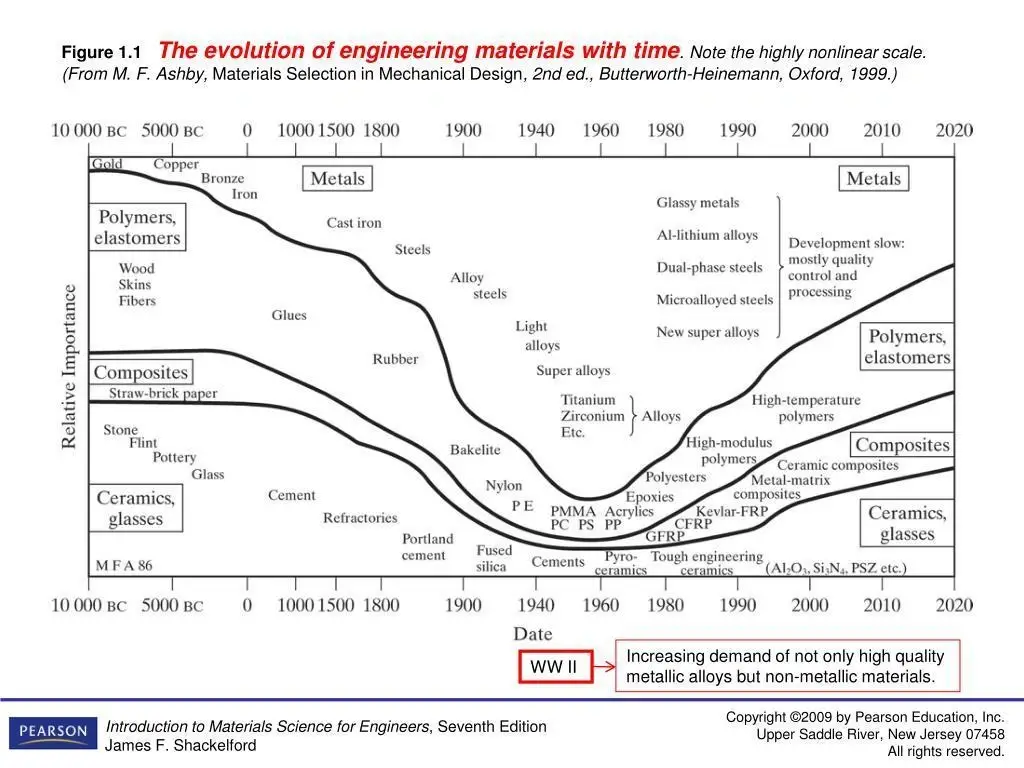
However, modern research in fields such as the semiconductor industry, optoelectronics, and trace-level substance analysis requires materials with higher performance characteristics. In this context, the demand for products made from fused quartz glass has increased significantly. Its main advantages are extremely high chemical purity, excellent thermal resistance (operating temperature up to 1100–1200 °C), and transparency across a wide range of wavelengths, including the ultraviolet region of the spectrum. The production of quartz items—for example, crucibles for single-crystal synthesis or cuvettes for spectrophotometry—is a complex technological process that requires special skills and equipment. Thus, a diversification of the materials market is being observed, where the choice is determined not only by cost but also by the specific requirements of a particular scientific experiment.
Customization as the Main Vector of Niche Manufacturing Development
One of the most pronounced trends is the shift in demand from standardized mass-produced products to individually designed items. Modern scientific research often requires the creation of unique experimental setups, the components of which are not included in standard manufacturer catalogs. This may be a reactor of non-standard shape, a complex system for distillation, or an electrochemical measurement cell with a special geometry.

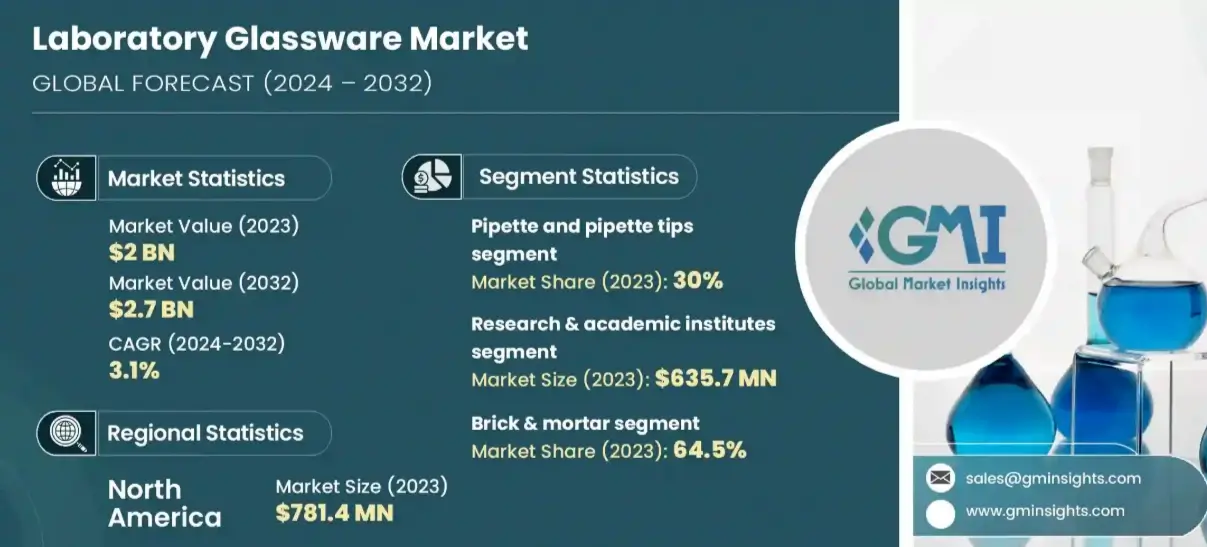
Large factories oriented toward mass production generally do not have sufficient flexibility to handle small-batch or single-piece orders due to the need to reconfigure production lines and the high overhead costs. This circumstance creates favorable conditions for the development of small and medium-sized workshops specializing in the manufacture of custom products. Such enterprises build their business model on close interaction with the customer — a researcher or engineer — which makes it possible to precisely fulfill the technical specification and quickly make changes to the design. According to analytical reports, the segment of custom laboratory equipment is showing stable growth, outpacing the growth rate of the standard glassware market as a whole [3].
Integration of Glass Components into High-Tech Systems
The next significant trend is the integration of glass products into complex automated and robotic systems. A modern laboratory increasingly represents a platform where analytical instruments, dosing systems, and reaction modules operate under software control. This requires glass components not only to have the necessary chemical and thermal properties, but also high precision in the fabrication of geometric dimensions, as well as standardized interfaces for connection to other elements of the system.
This trend is most vividly expressed in the field of microfluidics and “Lab-on-a-Chip” (LOC) systems. These devices are miniature laboratories on a glass or polymer substrate, capable of performing complex biochemical analyses with minimal quantities of reagents. Glass in this case serves as the preferred material due to its optical transparency, biological inertness, and surface stability, which is critically important for many optical detection methods and for preventing nonspecific adsorption of biomolecules [2]. The fabrication of such chips requires the use of precision technologies such as photolithography and chemical etching, which raises glassblowing production to a new technological level, bringing it closer to microelectronics.
Transformation of Economic Models: From Scale to Expertise
The trends described above lead to structural changes in the market. The model based on economies of scale (the larger the batch, the lower the cost per unit) remains effective for the segment of standard consumable materials. However, for knowledge-intensive and high-tech applications, a different economic model is emerging, one based on the expertise of the manufacturer.
The competitive advantage of niche workshops becomes not price, but the ability to solve non-standard technical problems, a deep understanding of materials science, and a readiness to collaborate with researchers at the design stage. The value of such a manufacturer lies in its intellectual capital and accumulated experience. Successful enterprises in this segment are often small teams of highly qualified specialists capable of working with various types of glass and applying complex processing techniques. Their business model is characterized by high added value, direct contact with end users, and flexibility in managing production processes.
Analysis of global trends in the field of technical glass production for laboratories shows that the market is becoming increasingly segmented and knowledge-intensive. Alongside the traditional demand for standard borosilicate glassware, the segment of customized products made from specialized materials—primarily quartz glass—is actively developing. The drivers of this process are the increasing complexity of scientific research and the need to integrate glass components into automated systems, such as microfluidic chips.
This transformation is also changing the business landscape: success is increasingly determined not by the scale of production, but by the level of technical expertise and the ability to respond flexibly to the unique demands of the scientific community. For large manufacturers, this implies the need to implement more flexible production modules, while for small and medium-sized enterprises it opens opportunities to occupy stable market niches. As a practical recommendation, research institutes may be advised to develop direct partnerships with highly specialized manufacturers for the joint development of unique equipment, which would significantly enhance the efficiency of research activities.
References
-
Musgraves J. D., Hu J., Calvez L. Springer Handbook of Glass. – Cham: Springer, 2019. – P. 785-812.
-
Whitesides G. M. The origins and the future of microfluidics // Nature. – 2006. – Vol. 442, № 7101. – P. 368-373.
-
Grand View Research. Laboratory Glassware Market - By Product Type (Pipette, Flasks, Burettes, Beakers, Storage Containers), End-use (Research & Academic Institutes, Pharma & Biotech, Hospitals & Diagnostic Centers), Distribution Channel (Brick & Mortar), & Forecast, 2024 - 2032. – San Francisco, 2024. – Report ID: GVR-1-68038-782-5.
-
Shelby J. E. Introduction to Glass Science and Technology. – 2nd ed. – Cambridge: Royal Society of Chemistry, 2005. – 296 p.
-
Vogel W. Glass Chemistry. – 2nd ed. – Berlin, Heidelberg: Springer-Verlag, 2011. – 478 p.
Author:
Aleksandr Drozdov
Professional glassblower
Business Outstanders brings you sharp insights on tech, business, entrepreneurship, law, crypto, and more. We uncover what’s next. Stay updated, sign up for our newsletter and be part of the future!