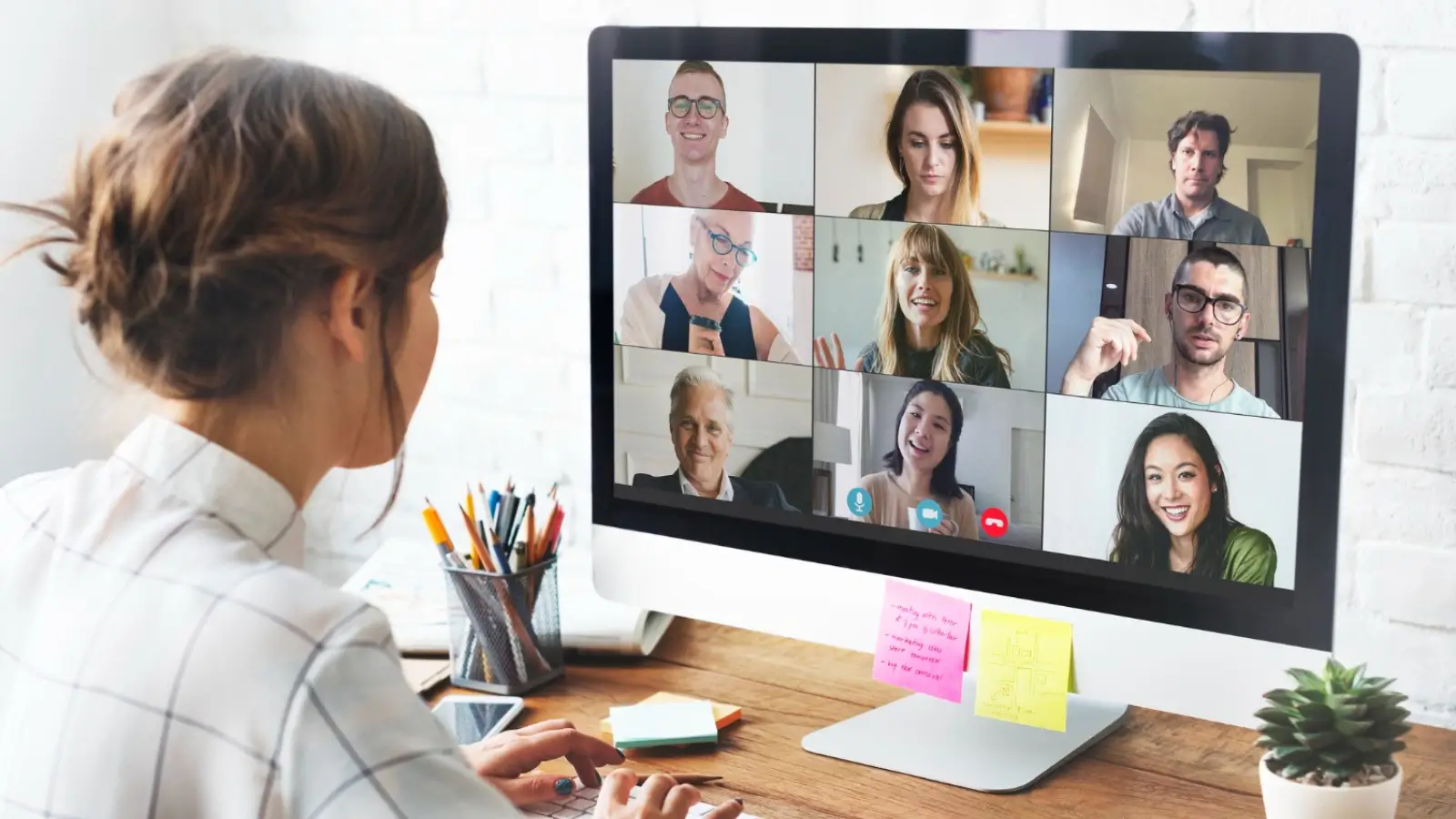
The shift to working from home, along with digital chats hasn't only changed job habits - it's altered how grown-ups see themselves. Since video calls are now part of everyday life, folks stare at their faces on devices for hours. This trend, sometimes called "Zoom effect," brings a fresh kind of self-focus shaping views on looks, self-esteem, or choices about aesthetic procedures.
The Psychological Impact of Seeing Yourself on Screen
Back when video chats weren't a thing, folks hardly ever spotted themselves except in mirrors or old snapshots. Then came Zoom - suddenly everyone’s staring at their face nonstop. That little screen shows awkward angles, weird shadows, while tiny flaws pop up outta nowhere. Stuff you’d never even notice day-to-day now feels impossible to miss.
Spending lots of time looking at your face online might make you harder on yourself. Things like dark spots under eyes, rough skin, fine lines, or uneven traits stand out more - so grown-ups often fixate on flaws they think are there. With daily checking, this habit quietly shifts how someone sees their own look.
How Camera Distortion Alters Perception
Webcams don't just show things as they are. A wide lens might stretch your face, so your nose looks bigger or one side seems off. Bad light casts harsh shadows, brings out tiny wrinkles, or makes your skin seem flat. Even when folks realize it's not accurate, they still believe the image staring back at them.
This twisted view usually pushes grown-ups to measure their actual look against a photo-edited copy of themselves - so frustration can creep in, especially for those once happy with how they appeared.
The Rise of Appearance Awareness in Professional Settings
Face calls at work now mix private looks with job life. People grown up must show their face regular during tasks on screen. So, more focus lands on how hair sits, skin feels, products used, or how features look overall.
In work situations, appearing worn out or older on video might shake your self-assurance during calls, job talks, or pitches. A growing number of people link how someone looks in the face to trust and competence - this ramps up the urge to appear a specific way online.
Zoom Culture and the Growing Interest in Cosmetic Procedures
A big result of this change? More folks are curious about beauty fixes. Things like Botox, fillers, or fresh-looking skin tricks are catching on - mostly since they tweak your look a bit but don’t need much downtime.
Adults don't always crave big changes. They usually just wish to appear more rested, balanced, or self-assured - especially when being filmed. This trend has also influenced how clinics and practitioners communicate online, with digital visibility and plastic surgery seo becoming essential for reaching an audience shaped by virtual interactions.
Social Media, Filters, and Unrealistic Standards
Zoom life doesn't happen alone - it ties into filtered selfies, glam-up apps, or how people show themselves online. Seeing your raw video look next to slick profile pics? That stretch between real and ideal gets bigger. One moment you're on camera, the next you're measuring up - without meaning to.
This kind of comparison sets up beauty ideals that are tough to match in real life. Because filters tweak skin tone, alter face shape, or remove wrinkles - things actual faces naturally have - it’s no surprise people feel off track. As days go by, seeing these edited images might push someone toward makeup fixes or procedures just to look like their online versions.
A Shift Toward Facial Self-Acceptance
Even with all this stress, Zoom calls have started honest talks about liking yourself as you are. Lots of grown-ups are seeing how fake online looks can be, especially with camera tricks messing things up. Thanks to public chats and advice from specialists, people are learning screens don’t show how someone really looks in person.
Some folks’ve started ditching the self-preview on calls, tweaking how their cam looks, or just rolling with their real appearance. That change shows people want fairness - getting digital life’s impact without messing up how they see themselves.
The Long-Term Influence of Zoom Culture
Zoom meetings probably won’t go away anytime soon. Since online chats are here to stay, grown-ups must figure out how they present themselves digitally versus who they really are. It’s about seeing how tools tweak our image - then choosing wisely instead of just reacting.
Adults are reshaping confidence in a digital age - be it through inner work, therapy, or simply learning to accept themselves. While Zoom calls shifted how folks see their own faces, they’ve also sparked honest talks around realness, identity, and today’s ideas of attractiveness.
Business Outstanders brings you sharp insights on tech, business, entrepreneurship, law, crypto, and more. We uncover what’s next. Stay updated, sign up for our newsletter and be part of the future!