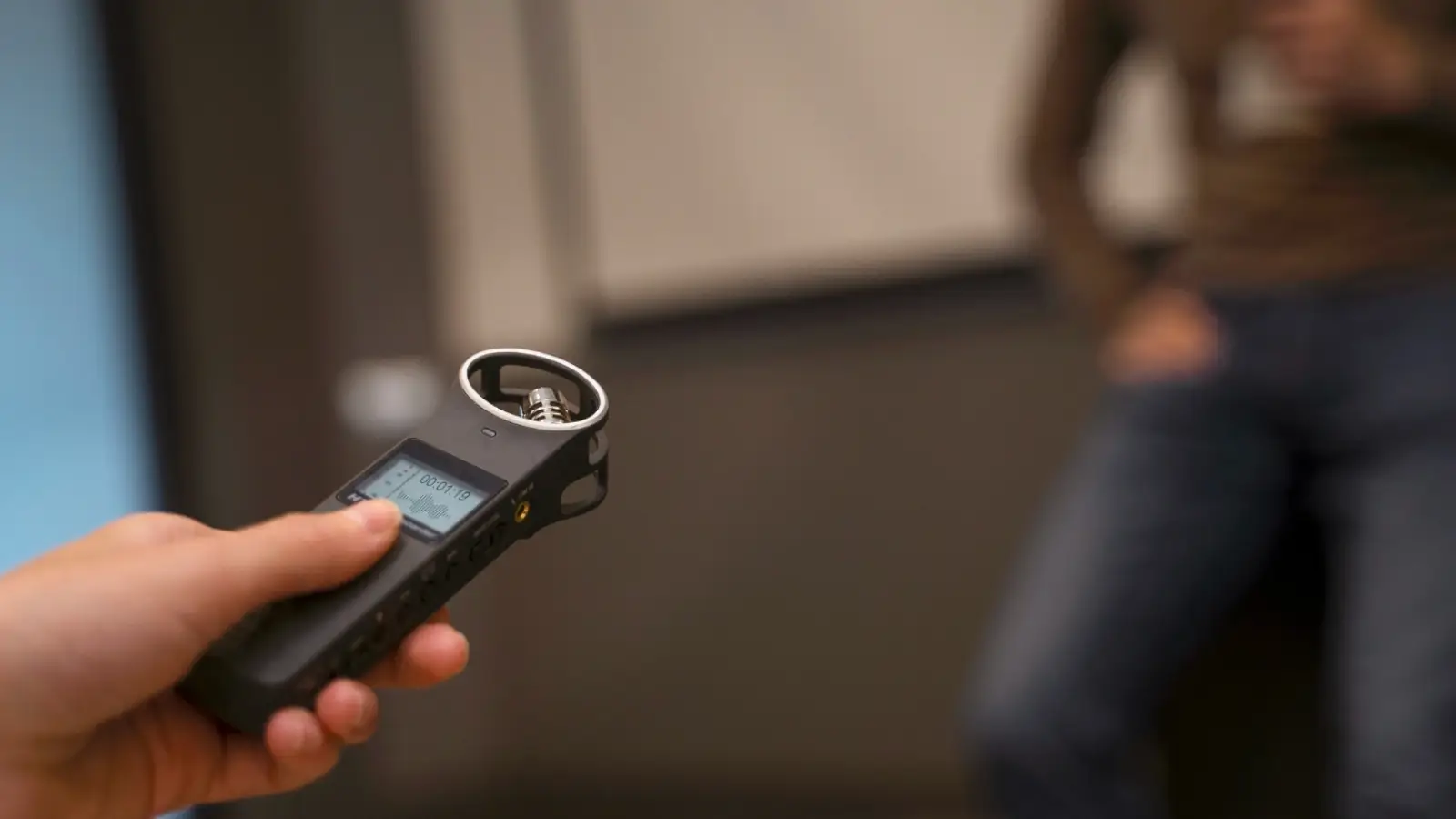
More people now see personal breathalysers as everyday tools instead of devices only used by police. Greater awareness of road safety and responsibility has encouraged many to take control of their alcohol levels before driving or making decisions after drinking. Owning a breathalyser helps individuals make informed choices that protect themselves and others.
Affordable and accurate models have made these devices more accessible, while changing social attitudes make their use more accepted. People value knowing their blood alcohol content as part of a responsible lifestyle. This shift marks a growing trend towards personal accountability supported by simple, portable technology.
Improved personal safety by checking blood alcohol content (BAC) before driving
Checking blood alcohol content before getting behind the wheel helps people make safer decisions. A small habit like using a home breathalyzer test UK can help them understand their current level of impairment, especially after social drinking. It gives a quick reading that indicates whether they should drive or wait until their body processes more alcohol.
Portable breathalysers measure the amount of alcohol in the breath to estimate the blood alcohol level. They use technology similar to devices police use at roadside checks, though personal units are meant for self-assessment only. A reading above the legal limit in the UK, such as 0.08%, means the person is not safe to drive.
Many residents now keep breathalysers at home or in their cars as a precaution. The test provides reassurance before long trips or after a night out, promoting safer roads and fewer drink-driving risks.
Increasing legal awareness, encouraging responsible drinking habits
Greater legal awareness has helped people realise how alcohol affects judgement and safety. Stricter drink-driving laws and stronger penalties remind individuals of the risks that come with exceeding safe limits. As a result, more people wish to take responsibility before they get behind the wheel.
Public health campaigns have also made laws around alcohol more visible. Governments and community groups continue to promote straightforward messages about safe drinking limits and the importance of self-monitoring. These efforts encourage people to make informed choices about their own safety and that of others.
The rise in personal breathalyser use is closely related to this awareness. People want to confirm they stay under the legal limit rather than guess how alcohol affects them. By checking their blood alcohol level, they gain confidence in their decisions and help promote safer social habits. This shift shows a practical response to modern legal and health guidance.
Advancements in affordable, accurate digital breathalyser technology
Modern breathalysers now deliver higher accuracy at lower costs. Improved sensor design allows users to check their blood alcohol content with results close to professional standards. Devices once limited to law enforcement have become accessible for everyday users.
Many current models use fuel cell sensors that respond only to ethanol, which reduces incorrect readings from other substances. This technology makes results more precise and consistent. Regular calibration further helps devices stay dependable over time.
Manufacturers also use smart technology that connects breathalysers to phones through apps. This link lets users track their results, share data, or call a ride if needed. As a result, digital breathalysers have moved beyond simple alcohol checks to support safer driving habits.
Recent progress in miniaturised parts and better software has reduced cost while improving function. Consumers now find compact, easy-to-use devices that fit in a pocket and display clear readings within seconds.
Growing social acceptance of using breathalysers in everyday life
People now view personal breathalysers more positively than in the past. What was once linked mainly to law enforcement has moved into homes, workplaces, and social settings. Many see the devices as practical tools that promote responsible behaviour rather than symbols of guilt or mistrust.
This shift comes as awareness of safe alcohol consumption grows. Friends often bring breathalysers to gatherings to check their own limits, which helps reduce peer pressure and accidents. In addition, younger adults appear more open to technology that tracks personal habits, including alcohol intake.
Social stigma has also declined as more discussions about health and responsibility take place. Instead of hiding their use, individuals often share results openly to make smart travel or driving decisions. As a result, breathalyser use now fits naturally into broader lifestyle choices that value awareness, safety, and accountability.
Empowerment through self-monitoring to avoid DUI penalties
Personal breathalysers give individuals the ability to check their own alcohol levels before they drive. This simple act can create a stronger sense of responsibility and awareness. People gain more control over their actions by seeing real numbers that reflect their condition.
Self-monitoring encourages individuals to think before they take unnecessary risks. By checking their alcohol level regularly, they can make informed choices about whether it is safe to drive. This habit helps reduce the chances of a drink-driving offence and protects both the driver and others on the road.
The process also builds confidence. Individuals begin to trust their own judgement rather than guessing or relying on others. As a result, they move from potential offenders to active decision-makers who take their safety seriously. Over time, this approach promotes lasting behavioural change that supports safer driving habits and fewer DUI penalties.
Conclusion
Personal breathalysers have moved from professional use to everyday life. People now value them as practical tools that support safer habits and informed decisions. The growing awareness of drink-driving risks has pushed many to take responsibility for their own safety.
Modern devices are more accurate and easier to use, which builds trust in their readings. They help users check their alcohol levels quickly before driving or attending events. As a result, users can make choices that protect themselves and others on the road.
These devices also show how technology continues to serve personal health and safety. By tracking alcohol intake, they encourage moderation and accountability. Clear information helps reduce accidents linked to alcohol misuse.
In short, personal breathalysers have become common because they combine safety, convenience, and self-awareness. Their adoption highlights a growing culture of responsibility and precaution in daily life.
Business Outstanders brings you sharp insights on tech, business, entrepreneurship, law, crypto, and more. We uncover what’s next. Stay updated, sign up for our newsletter and be part of the future!