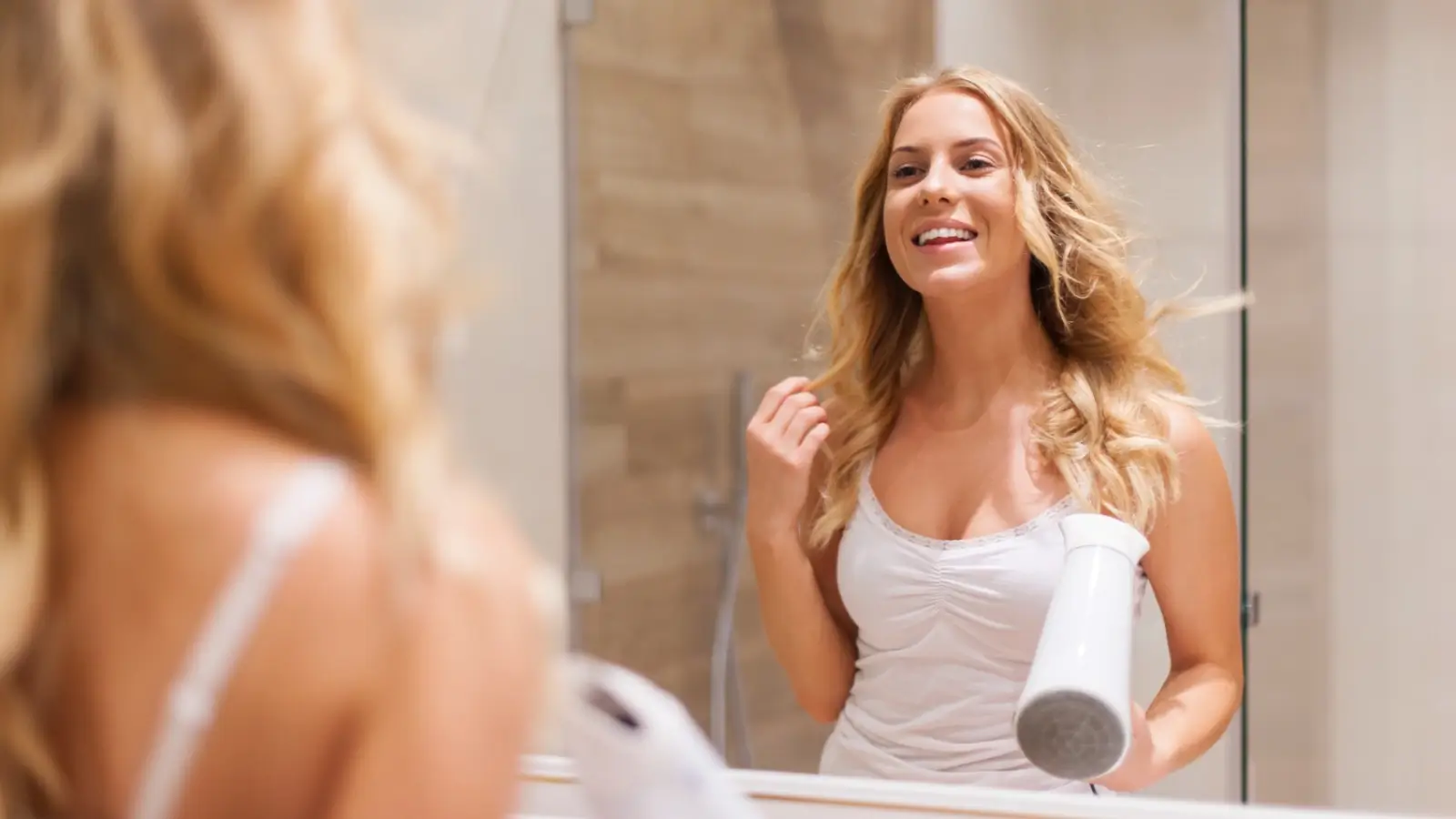
You have just left the salon with a million-dollar bounce. Your hair is a dream come true: it is lively, shiny, and exactly the shade you wanted. However, a few weeks down the road, you are looking in the mirror wondering where that beautiful color went. Sound familiar?
That might explain why you feel like your hair color doesn't last as long as a carton of milk. One of the most frequent complaints from individuals dyeing their hair is color fading, and it can be extremely frustrating. The good news? You can help your color last longer in more ways than you can imagine, and most of them are not difficult whatsoever.
Let's dive into why your color fades so soon, and what you can really do about it.
Why Does Hair Color Fade at All?
First, before we move on to the solutions, it is useful to know what is happening to your hair. When you dye your hair, dye molecules move into the hair shaft and either deposit a dye or strip away your natural color. These molecules are washed away over time, particularly when the hair cuticle (the outer protective layer) is damaged or lifted.
A number of factors accelerate this process: frequent washing, hot water, heat styling, sun exposure, and even the quality of the original color job. Anything that opens up that hair cuticle is basically providing a one-way ticket out for your color molecules.
Wait Longer Before Your First Wash
I know, I know—you have a new haircut and color, and you want to flaunt it. However, the best tip that colorists keep under their belt is to wait at least 48-72 hours before the first shampoo after coloring.
During this period, the color is yet to settle in your hair shaft and completely oxidize. An untimely wash may actually wash away some of that fresh color before it has time to set. Imagine not touching paint before it is dry. Weeks of additional vibrancy will compensate for the wait.
Hot showers are wonderful, but they are dreadful for colored hair. Hot water dilates the hair cuticle, enabling the color molecules to escape much quicker. It is like opening all the windows of your house when you are trying to keep the air conditioning on.
Alternate between lukewarm or cool water to wash your hair. Yes, you will have to get accustomed to it, but you will not regret it when you see your color. If you cannot stand a full blast of a cold shower, you must at least do a cold rinse. This assists in sealing the cuticle and locking in that color.
Invest in Color-Safe Products
Not every shampoo is created equal, and using the wrong shampoo can strip your color away faster than you can say "root touch-up." Most shampoos are advertised with harsh sulfates that are good at cleaning your hair, but also good at washing off your expensive color treatment.
Color-safe or color-protective shampoos are developed to be gentler and usually include substances that aid in sealing the cuticle. Look for sulfate-free options; it is okay to go a bit overboard in this area, as it is cheaper than re-dyeing your hair every month.
You can also use a good hair moisturiser or hair conditioner while you are at it. Colored hair is drier and porous, therefore more prone to fading. Keeping your hair hydrated is a good way of keeping your hair and color intact.
Wash Less Frequently
It is possibly the most difficult tip to accept but also one of the most effective: wash your hair less frequently. Shampooing every time, regardless of how gentle your products are, washes away some color.
Attempt to increase the interval between hair-washing to at least every two or three days, or even longer, as long as your hair type permits. Dry shampoo can be considered your savior here, as it will absorb oil and make your hair look fresh without water. It may turn out that, after getting used to it, your scalp will actually end up producing less oil over time.
Protect Your Hair From Heat
Hair tools such as straightening irons, curling wands, and blow dryers can hasten the color fade rate by damaging the hair cuticle and drying out your hair. If you must use heat (as we all know, most of us do), apply a heat protectant spray first.
Better still, adopt more heat-free ways of styling where possible. No-heat hairstyles such as air-drying, braids, and buns not only keep your color intact but also allow your hair a rest. When using heat tools, place them on a lower temperature setting.
UV rays can bleach your hair color just the way the sun can bleach your favorite pair of jeans. This is particularly true for bright reds, which are known to fade easily, and light blonde colors.
Any time you are spending a lot of time outside, cover your hair with a hat, scarf, or UV-protectant hair spray. There are also leave-in conditioners and styling products that have UV filters added to them. Think of it as sunscreen for your hair.
Use Weekly Hair Treatments
Colored hair requires extra care, and weekly hair masks or deep conditioning treatments can make a significant difference. Such items aid in repairing damage, sealing the cuticle, and helping your hair remain durable and hydrated.
Find hair treatment products specifically formulated for color-treated hair, because they usually have ingredients that promote color locking and help to nourish your hair. This is a weekly thing that you can put on your schedule, perhaps on a leisurely Sunday night back home. It will soften your hair, make it shiny, and help your color last longer.
Exercise Caution When Using Chlorine and Saltwater
Planning a vacation at the beach or a pool day? Your hair color has other plans. Chlorine and salt water can be extremely cruel to colored hair, stripping away the color and leaving your hair feeling like straw.
Wet your hair with clean water and apply a leave-in conditioner or oil before swimming. This creates a barrier that helps prevent the penetration of chlorine and salt. Even better, put on a swim cap or keep your hair in a bun out of the water. Once you are done swimming, you should rinse your hair and apply a clarifying treatment to make sure it is clean.
Consider Your Water Quality
This is one thing that many people do not consider: the water you shower with may influence your hair color. Hard water that is rich in minerals such as calcium and magnesium has the ability to accumulate on your hair and discolor it, particularly blonde or light-colored hair.
If you reside in a place where the water is hard, you can install a shower filter. It is a small investment that can be seen in how long your hair color lasts, as well as the health and overall look of your hair.
Small Changes, Big Results
It does not take much of a lifestyle change to have your hair color protected. With a few affordable modifications—namely washing less often, using less heat, keeping your hair out of the sun, and purchasing good color-safe products—you can greatly increase the longevity of your color.
It is important to remember that not all heads of hair are the same, and it may require some trial and error to discover the most effective routine. However, when you do, you will not waste as much time and money in the salon, and instead, spend time enjoying your long-lasting and beautiful color.
Business Outstanders brings you sharp insights on tech, business, entrepreneurship, law, crypto, and more. We uncover what’s next. Stay updated, sign up for our newsletter and be part of the future!