Choosing the right tricycle for your toddler is more than just picking out a cute toy—it's about finding a ride that supports their physical development while keeping them safe during those exciting early years of exploration. Between ages one and four, children experience rapid growth in coordination, balance, and motor skills, making this the perfect time to introduce them to their first set of wheels. A well-chosen tricycle becomes a trusted companion for outdoor adventures, helping little ones build confidence and independence.
Today's parents face an overwhelming array of options when shopping for toddler tricycles, but the decision shouldn't be taken lightly. The ideal tricycle must strike a delicate balance between robust safety features and appealing design elements that capture a child's imagination. From sturdy frames and secure harness systems to vibrant colors and engaging accessories, modern tricycles cater to both parental concerns and toddler preferences. Understanding what makes a tricycle both safe and stylish will help you invest in a product that your child will love while giving you the peace of mind that comes with knowing they're protected during every ride.
Understanding the Key Features of Toddler Tricycles
When selecting a tricycle for your toddler, understanding the fundamental features that distinguish quality products from mediocre ones is essential. The frame construction forms the foundation of any reliable tricycle, with steel frames offering superior durability compared to plastic alternatives. A wide wheelbase provides stability that prevents tipping during turns, which is particularly important for younger riders still developing their balance. Look for tricycles with weight capacities that exceed your child's current weight to ensure longevity as they grow.
Adjustability stands as one of the most valuable features in toddler tricycles. Seats that slide forward or backward accommodate children at different developmental stages, while adjustable handlebars ensure proper posture as your child grows taller. Push handles for parents should telescope to comfortable heights and ideally include steering capabilities, allowing adults to guide the tricycle when necessary. This feature proves invaluable during the transition period when toddlers are learning to pedal independently but still need occasional assistance.
The pedal system deserves careful consideration as well. Some tricycles designed for younger toddlers feature footrests that fold away to reveal pedals once the child develops the coordination to use them. Non-slip pedals with textured surfaces help little feet maintain contact during movement, while pedal guards prevent injuries from fast-spinning mechanisms. Additionally, examine the tricycle's overall ergonomics—the distance between seat and pedals should allow for natural leg extension without overreaching, promoting proper pedaling technique and preventing strain on developing muscles and joints.
Stylish Design Options for Toddlers
The visual appeal of a tricycle plays a surprisingly significant role in how enthusiastically your toddler embraces their new ride. Bright, vibrant colors naturally attract young children, with classic options like red, blue, and pink remaining perennial favorites. However, modern tricycles now come in sophisticated color palettes including mint green, coral, and soft pastels that appeal to style-conscious parents while still captivating little ones. Many manufacturers offer themed designs featuring popular characters or animals, though timeless aesthetic choices often provide longer-lasting appeal as your child's interests evolve.
Beyond color, the overall silhouette and accessories contribute to a tricycle's style quotient. Retro-inspired designs with curved frames and vintage details create a charming aesthetic that photographs beautifully while maintaining modern safety standards. Contemporary minimalist models with clean lines and streamlined profiles offer understated elegance. Practical accessories like front baskets, rear storage compartments, and colorful streamers add personality while serving functional purposes—toddlers love transporting their treasures during rides, making these features both stylish and practical.
Consider how design elements match your child's developmental stage and personality. Younger toddlers often respond enthusiastically to bold patterns, musical attachments, and interactive elements like spinning toys mounted on handlebars. As children approach age four, they may prefer more sophisticated designs that make them feel grown-up, such as sporty racing stripes or sleek metallic finishes. The key is finding a balance where the tricycle's appearance excites your child enough to encourage regular use while incorporating design features that don't compromise safety or functionality for the sake of aesthetics alone.
Safety Considerations for Toddler Tricycles
Safety should always be the paramount concern when selecting a toddler tricycle, and understanding the critical safety elements can prevent accidents before they occur. The braking system represents one of the most crucial safety features, yet it's often overlooked in tricycles designed for the youngest riders. For children ages one to two who aren't yet pedaling independently, parent-controlled brakes on the push handle allow adults to stop the tricycle instantly when needed. As children grow older and gain independence, look for models with easy-to-reach hand brakes or foot brakes that small hands and feet can operate without excessive force. Test the braking mechanism yourself—it should engage smoothly without requiring adult strength, yet provide enough resistance to stop the tricycle effectively on various surfaces including slight inclines.
Handlebar design directly impacts your toddler's ability to maintain control while riding. Handlebars should feature soft rubber grips that prevent slipping even when little hands get sweaty during active play. The grip diameter matters too—handles that are too thick make it difficult for small hands to maintain a secure hold. Safety handlebars include protective bumpers or padding on the ends to cushion impact if your child falls forward, and the steering mechanism should have limited turning radius to prevent sharp turns that could cause tipping. Some advanced models incorporate steering limiters that restrict how far the handlebars can turn, providing an extra layer of protection for beginners still mastering directional control.
Seat stability and security features deserve thorough examination before purchase. A three-point or five-point harness system keeps younger toddlers securely positioned, preventing them from sliding forward or standing up while the tricycle is in motion. The seat itself should sit low to the ground—a lower center of gravity reduces the risk of tipping and minimizes injury potential if a fall does occur. High seat backs provide essential support for toddlers with developing core strength, while contoured seats with raised edges help keep children centered. Check that the seat material is non-slip and weather-resistant, as slippery surfaces can cause children to slide around during rides. Finally, ensure any seat adjustments lock firmly into place with mechanisms that children cannot accidentally release, and verify that there are no pinch points where small fingers could get caught during adjustments or regular use.
Popular Brands and Models for Toddler Tricycles
The toddler tricycle market features several established brands that have earned reputations for combining safety with appealing designs. Radio Flyer stands as one of the most recognized names, offering classic tricycles that balance nostalgia with modern safety standards. Their models typically feature steel construction, adjustable seats, and controlled turning radius, making them reliable choices for parents seeking time-tested quality. The brand's signature red finish has become iconic, though they now offer expanded color options to suit different preferences.
SmarTrike has revolutionized the convertible tricycle category with models that transform as children grow. Their multi-stage designs begin as parent-controlled strollers for one-year-olds and gradually convert into independent tricycles for four-year-olds. This adaptability includes removable parent handles, adjustable footrests that become pedals, and evolving safety harness configurations. The brand emphasizes UV-protective canopies and ergonomic seating, addressing both comfort and sun safety during outdoor adventures. Their contemporary designs often incorporate sleek curves and modern color combinations that appeal to style-conscious families.
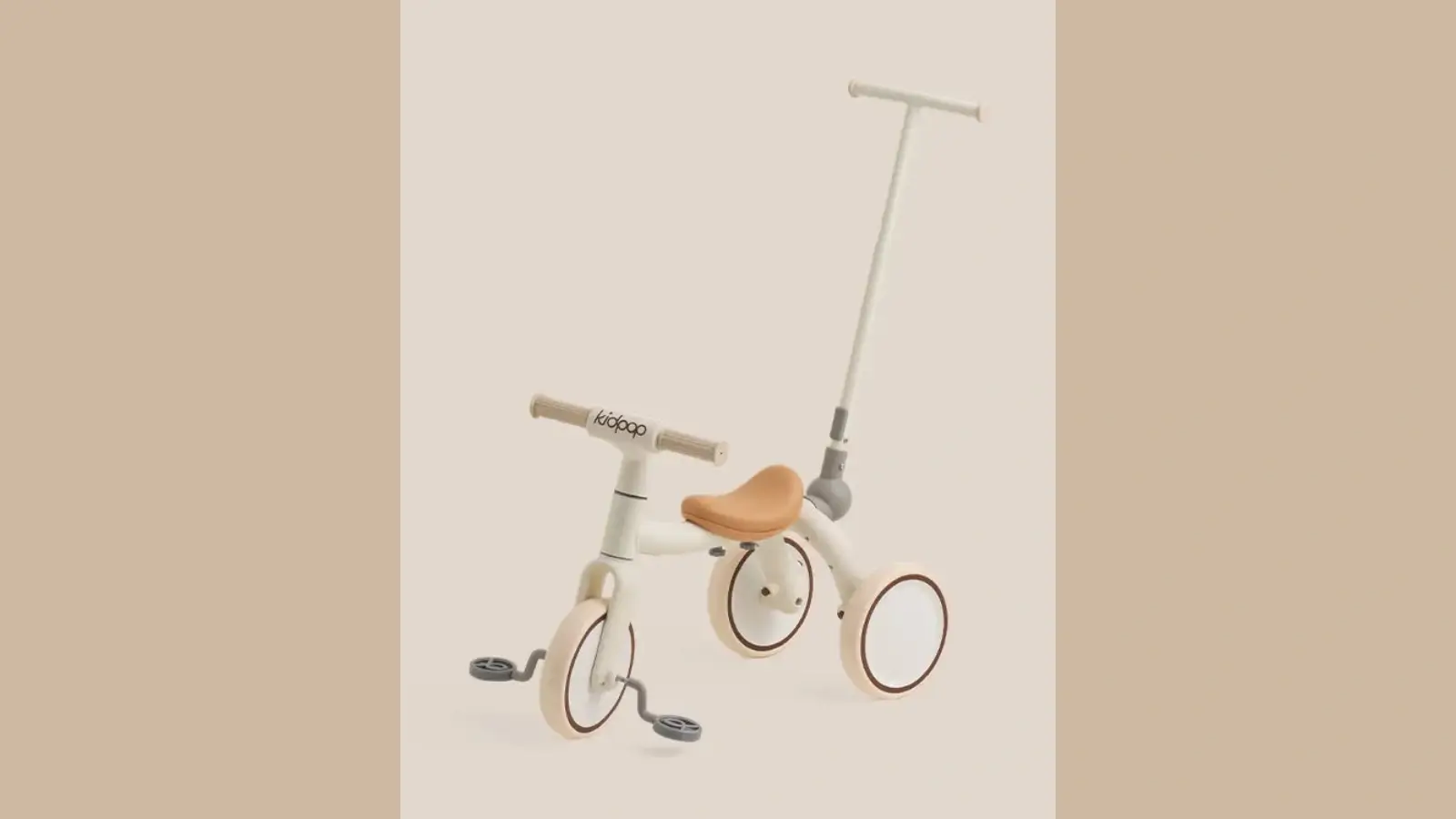
Schwee specializes in lightweight aluminum tricycles that prioritize maneuverability without sacrificing stability. Their models feature puncture-proof foam tires that eliminate maintenance concerns while providing smooth rides across various terrains. The brand focuses on minimalist aesthetics with powder-coated frames in sophisticated colors, attracting parents who prefer understated elegance. Little Tikes offers budget-friendly options with durable plastic construction and playful designs that resonate with younger toddlers. Their tricycles often include interactive elements like working horns and storage compartments shaped like animal faces. Kidpop has also entered the market with tricycles that emphasize both safety certifications and contemporary design, offering models with reinforced frames and adjustable components suitable for growing toddlers.
When evaluating specific models, consider how each brand's strengths align with your priorities. Families prioritizing longevity benefit from convertible models that adapt through multiple developmental stages, effectively serving as several tricycles in one. Those living in urban environments with limited storage appreciate compact folding designs, while families with outdoor space might prefer larger models with enhanced stability features. Weather-resistant materials become essential for tricycles stored outside, whereas families keeping them indoors can focus more on aesthetic appeal. Reading customer reviews provides insight into real-world durability and how well tricycles perform after months of active use, helping you identify models that maintain their safety features and appearance over time rather than those that deteriorate quickly under regular toddler use.
Making the Right Choice for Your Toddler
Selecting the right tricycle for your toddler requires balancing essential safety features with design elements that spark joy and encourage active play. Throughout this guide, we've explored how sturdy frame construction, adjustable components, and proper ergonomics create a foundation for safe riding experiences. Safety considerations like reliable braking systems, secure harnesses, and protective handlebar designs ensure your child remains protected during every adventure, while stylish color options, appealing accessories, and age-appropriate aesthetics make the tricycle irresistible to young riders.
The brands and models available today offer unprecedented variety, allowing you to find a tricycle that perfectly matches your family's needs and your child's developmental stage. Whether you choose a convertible model that grows alongside your toddler or a classic design with timeless appeal, prioritizing both safety and style ensures your investment delivers years of enjoyment. Take time to assess your child's current abilities, consider how features align with their growth trajectory, and select a tricycle that builds confidence while keeping them secure. With the right choice, you'll provide your toddler with more than just a toy—you'll give them a tool for developing coordination, independence, and a lifelong love of outdoor activity. For younger children just beginning their mobility journey, consider starting with an infant push walker before transitioning to a tricycle.
Business Outstanders brings you sharp insights on tech, business, entrepreneurship, law, crypto, and more. We uncover what’s next. Stay updated, sign up for our newsletter and be part of the future!