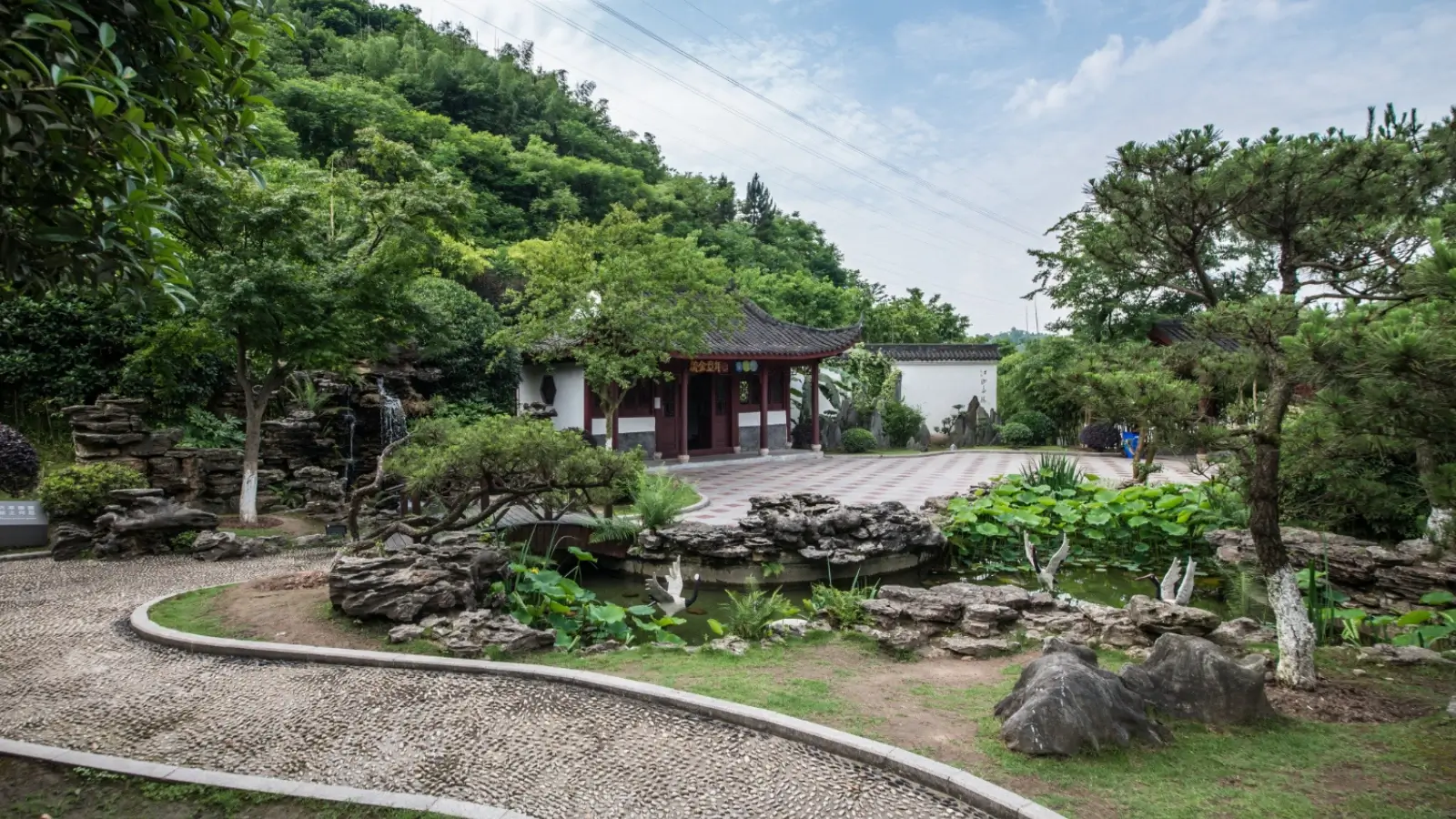
Gardening on a slope can be difficult, especially when dealing with uneven terrain, complicated navigation, and continual soil erosion. Tiered hillside landscaping, whether in the form of contour rows, terraces, or raised beds, serves to stabilize the slope, minimize water flow, and keep soil in place. While hillside gardening presents its own set of challenges, it also provides distinct benefits such as natural views and the ability to create visually appealing landscapes with a variety of plant textures.
Maintaining Your Sloped Garden
Retaining walls help prevent soil from washing away on a slope, where water and gravity naturally accelerate erosion. You can build them from wood, rock, or concrete blocks, or even use staggered retaining walls to create tiered hillside landscaping that transforms the slope into functional garden levels. For slopes steeper than 50% or about 45 degrees, adding a retaining wall becomes especially important. And no matter what style you choose, always include a solid drainage system behind the wall to prevent cracking, shifting, or collapse.
Terraced Vegetable Garden
When building a vegetable garden, a hillside, particularly a south-facing incline, might be extremely beneficial. Each terraced row is on its own level, receiving direct sunlight without being obscured by the row in front. It can be difficult to bring supplies and water to the area. It is advisable to consider drip irrigation, and paths between vegetable rows are essential.
A Rocky Creekside Slope
The soil on a hillside is frequently less than optimal. The topsoil tends to wash away fast, carrying nutrients and fertility with it. It is not uncommon to see a hillside made up mostly of rocks with a thin layer of dirt on top. In that situation, you may need to create planting pockets and add more soil to help plants establish themselves.
Terracing a Hillside Using Stones
Stone walls are a traditional way to terrace and manage a hillside. Although they need a lot of labor at first, once installed, you will have a useful and elegant structure. Stone walls may create vast planting zones that look great on their own and require little plant care. Stone heats up early in spring and maintains heat at night, creating a microclimate for plants that wouldn't thrive elsewhere in your yard.
Small-Bite Hillside Taming
Extremely steep slopes require stairs. You don't have to landscape the whole slope at once. Use the space around your living room to create functional planting boxes. No additional equipment is needed at lower levels, and the boxes make it easy to operate and provide a garden room for relaxation and enjoyment.
The Garden Slopes Down to the Road
It's nice to have a house on a hill viewing the landscape, but occasionally your yard slopes down to the road, resulting in the appearance of a hell strip in your front yard. As with any other slope, you'll need robust plants that don't require much maintenance. Shrubs and evergreens are appropriate for this use. Because you don't want to entirely block the view from the side of the road, fill in the front portion with lower-growing perennials that don't require frequent division, like hosta and ferns.
Converting a Hillside Into a Garden Walk
Terracing the sidewalk while leaving the planting area raised creates the illusion of engulfing passersby in the blooms. Instead of steps, we elected to place stepping stones with just enough traction to keep pedestrians steady. The exuberant perennials along the walkway are given even more level variations by using containers and pot stands on the lower levels, which serve as focal points for the journey down. Drivers passing by on the road receive a full view of the hillside garden, rather than just the front few plants as they would in a level garden.
Materials to Use
Traditionally, terracing relied on stone, wood, or concrete. Today, modern modular stabilizing systems make the process far simpler and more eco-friendly. DirtLocker’s tiered hillside landscaping solutions do exactly that—keeping soil in place while allowing natural water flow, making it possible to build stable slope terraces without hauling heavy construction materials.
Terracing has evolved. New methods are lightweight, modular, and designed to “lock” into the ground with minimal effort. Instead of constructing bulky walls, you stabilize the soil in tiered sections that naturally form terraces. This approach is more environmentally friendly, ideal for DIY homeowners, and far more flexible than traditional hardscaping.
Business Outstanders brings you sharp insights on tech, business, entrepreneurship, law, crypto, and more. We uncover what’s next. Stay updated, sign up for our newsletter and be part of the future!