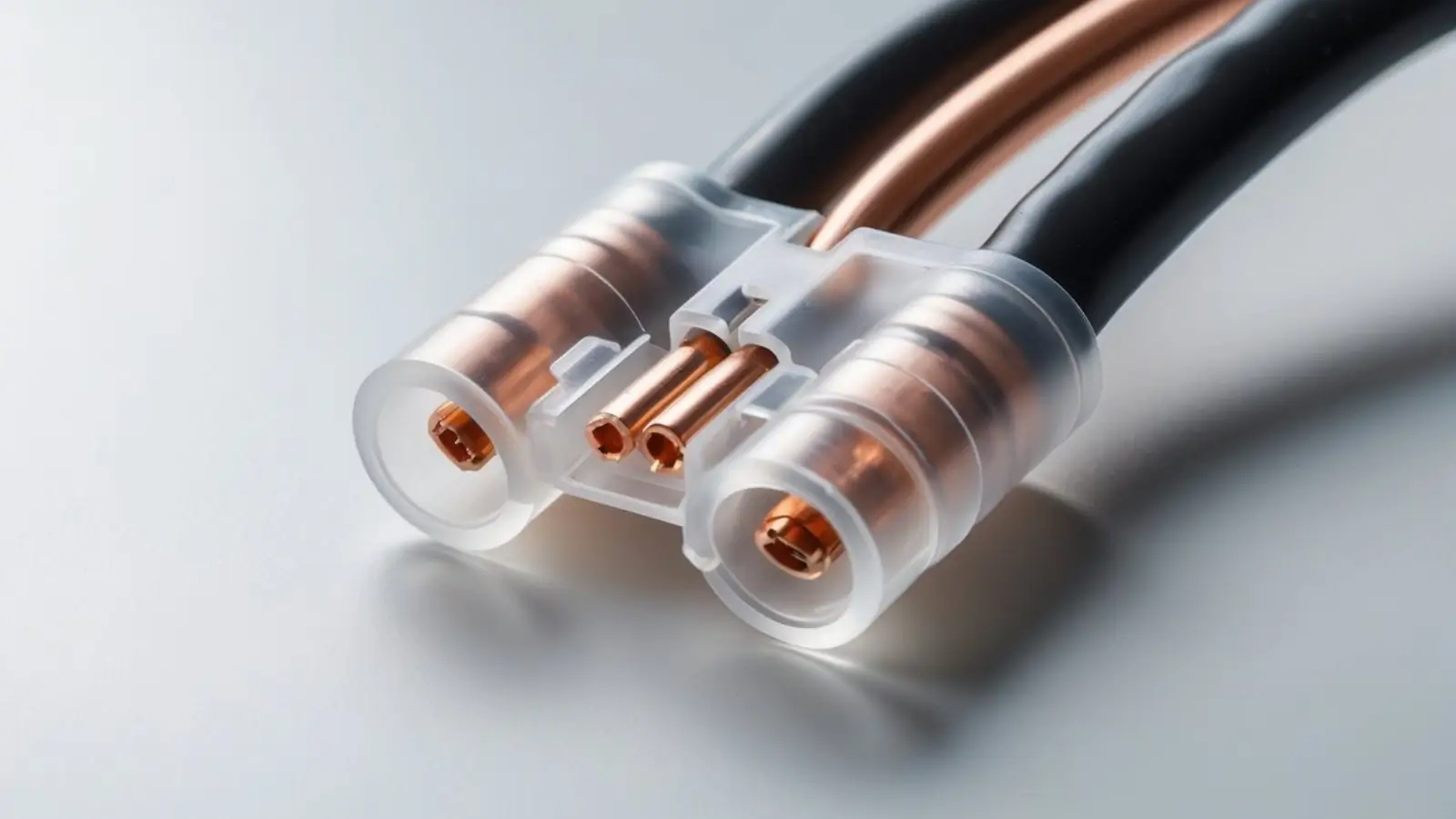
Splicing connectors are essential components in electrical wiring and telecommunications. They are used to join two or more electrical wires securely, allowing for efficient current flow and ensuring a reliable connection. Unlike traditional splicing, which involves twisting or soldering wires together, splicing connectors offer a safer and more convenient option for making connections, especially in tight spaces or complex wiring systems.
These connectors come in various types, each designed for specific applications and wire types. For instance, crimp connectors provide a strong mechanical bond, while push-in connectors allow for easy installation and removal. Understanding the advantages of different splicing connectors can help in selecting the right one for any project.
Whether for DIY enthusiasts or professionals in the electrical industry, knowing about splicing connectors enhances their ability to make effective connections. This knowledge not only improves the performance of electrical systems but also ensures safety and longevity in installations.
Definition and Function of Splicing Connectors
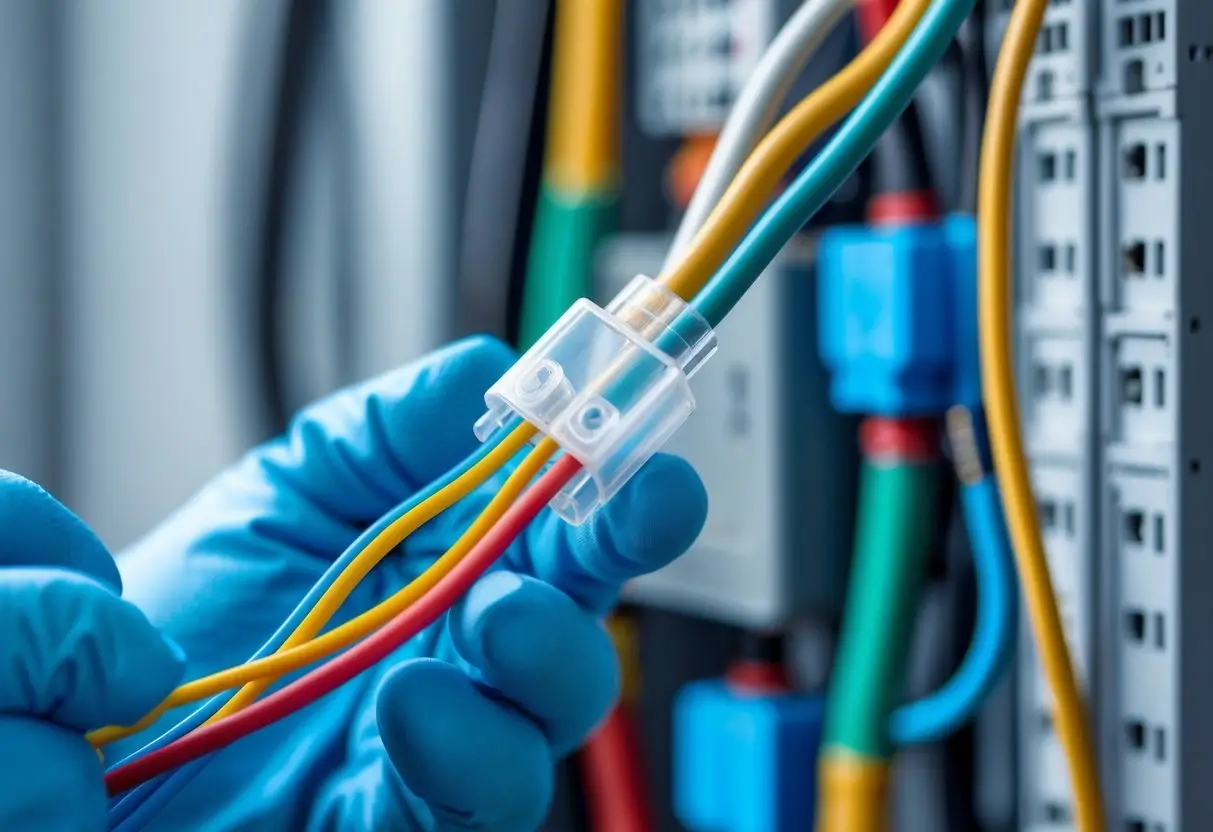
Splicing connectors are crucial components in connecting wires or cables effectively and securely. They serve various functions ranging from maintaining signal integrity to providing flexibility in installations. Understanding their definition, key functions, and common types helps clarify their importance in electrical and telecommunications systems.
What Is a Splicing Connector?
A splicing connector is a device used to join two or more electrical wires or fibers together. Unlike traditional connectors, which create temporary connections, splicing connectors allow for a more permanent and reliable connection. They can be used with different types of wiring materials, including copper and fiber optic cables.
Splicing connectors are vital in applications such as telecommunications, where consistent signal quality is essential. These connectors can accommodate various wire gauges, making them versatile for many tasks.
Key Functions and Purposes
Splicing connectors play several key roles in electrical wiring and telecommunications:
-
Signal Integrity: They ensure that the electrical signal remains strong and clear across connections. This is critical in applications like networking and troubleshooting circuitry.
-
Durability: These connectors provide robust connections that withstand environmental factors, reducing the risk of connection failure over time.
-
Ease of Maintenance: With splicing connectors, maintenance becomes simpler. Technicians can replace or repair sections of wiring without needing to redo the entire setup.
-
Versatility: Available in various designs, splicing connectors can be used for both temporary and permanent installations. They suit different environments, whether indoor or outdoor.
Common Types of Connections
Several types of splicing connectors exist, each designed for specific applications:
-
Mechanical Connectors: These hold wires together using a physical clamp or screw mechanism. They are easy to use and do not require special tools. Common in home wiring, mechanical connectors can be used for quick repairs.
-
Fusion Splicing Connectors: Often used in fiber optic installations, these connectors weld fibers together using heat. They provide a superior bond and lower loss of signal but require specialized equipment.
-
Crimp Connectors: These connectors secure wire ends together through mechanical pressure. Crimping tools are required for these connections, making them reliable for high-current applications.
Splicing connectors are essential for maintaining effective electrical connections across various industries. Their range of types and functions makes them a staple in both electrical and telecommunications fields.
Types of Splicing Connectors
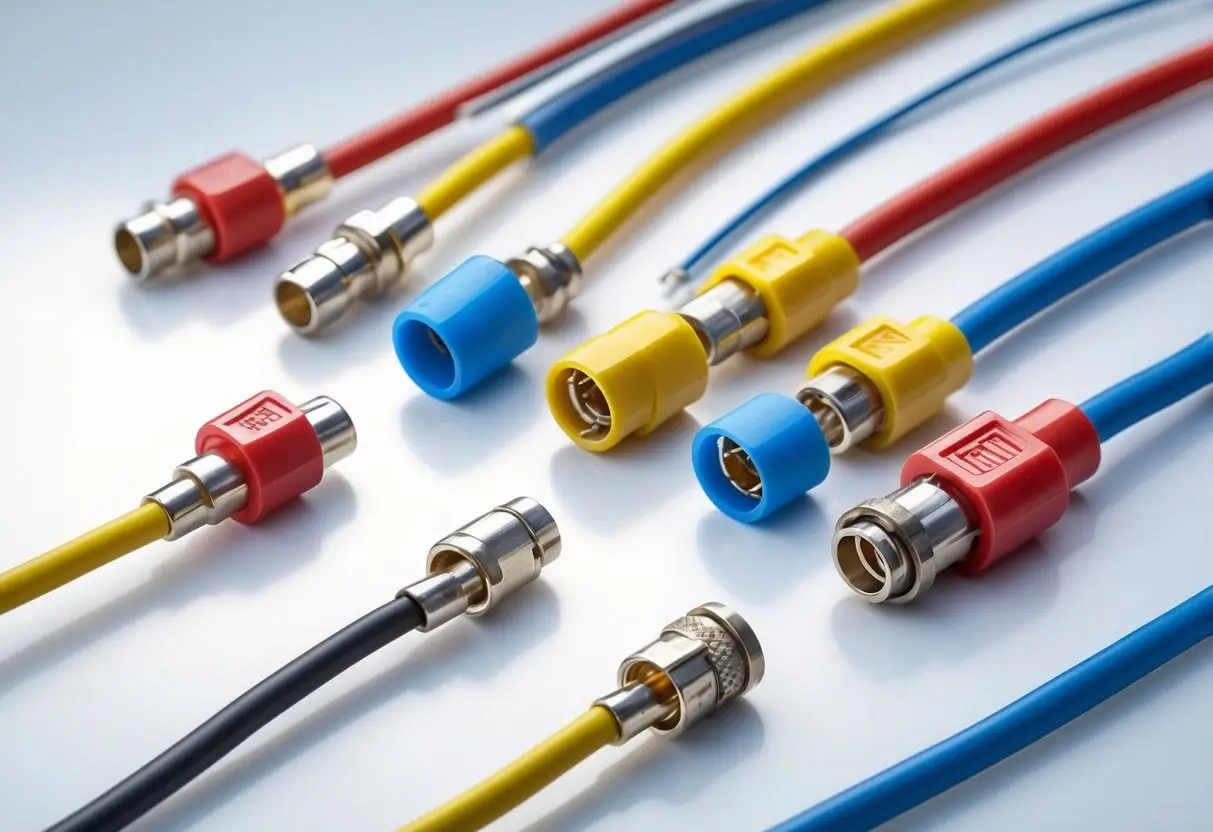
Splicing connectors are vital for creating secure electrical connections. Different types serve specific purposes and environments, ensuring safe and reliable electrical performance. Understanding the options available can help in choosing the right connector for a project.
1. Twist On Wire Connectors
Twist on wire connectors, often called wire nuts, are popular for their ease of use and effectiveness. They can securely join multiple wires together by simply twisting the connector onto the exposed wire ends.
Key Features:
-
Available in various sizes to accommodate different wire gauges.
-
Provide a reliable electrical connection while insulating against short circuits.
-
Ideal for both residential and commercial applications.
Using twist-on connectors is common in junction boxes, where connecting several wires is necessary. They are especially useful in situations where a parallel connection is required for multiple circuits.
2. Push In and Lever Connectors
Push in and lever connectors simplify the wiring process. Push-in connectors allow wires to be easily inserted without removal of insulation. This quick, no-tool setup saves time.
Lever connectors, on the other hand, utilize a lever mechanism to hold wires securely in place. This type can be reused, making it especially handy for modifications or repairs.
Advantages:
-
Fast installation speeds due to tool-less use.
-
Increased reliability with a secure grip.
-
Commonly used in areas requiring quick access, like home electrical systems.
Both types are suitable for various applications, including lighting installations and home automation systems.
3. Heat Shrink and Solder Splices
Heat shrink and solder splices provide a strong, permanent connection. In a solder splice, wires are joined using solder to create a solid bond, which is further insulated with heat-shrink tubing.
Benefits include:
-
High conductivity and excellent resistance to corrosion.
-
Creation of a durable connection ideal for challenging environments.
Heat shrink tubing, when applied, seals out moisture, making these splices reliable in outdoor settings. This type of connection is often found in automotive wiring and industrial applications where longevity is crucial.
4. Crimp and Inline Splice Connectors
Crimp and inline splice connectors are essential for making secure electrical connections, especially in applications that demand reliability. Crimp connectors involve joining wires by deforming a metal sleeve, ensuring a tight fit.
Inline splice connectors work by connecting wires end-to-end within a single unit. They provide a neat, compact solution that can securely link multiple wires.
Characteristics:
-
Crimp connectors are available in various designs, including butt and disconnects, making them versatile for different needs.
-
Inline connectors can facilitate parallel connections, especially beneficial in larger wiring systems.
Both types are frequently used in industrial and automotive settings, ensuring a stable and lasting connection. Brands like WAGO offer high-quality inline splices, making installation safer and more efficient.
Comparing Splicing Connector Methods
Different methods exist for splicing wires, each with unique benefits and challenges. Understanding them is crucial for making an informed decision about which method to use in a given situation. Below are comparisons among some widely-used options.
Traditional Wire Splicing
Traditional wire splicing involves twisting the ends of two wires together and securing them, often with electrical tape for insulation. This method can be quick and effective, making it popular for basic electrical connections.
However, its reliability can vary depending on the skill of the person performing the splice. If the connection is not properly twisted, it may lead to a weak or intermittent connection. Additionally, over time, connections can loosen or corrode.
While traditional splicing is cost-effective, it may not be the best choice for critical or high-performance applications where long-term reliability is vital.
Wago Connectors vs. Wire Nuts
Wago connectors offer a modern alternative to traditional wire nuts. They use a lever mechanism to secure wires without twisting. This feature makes Wago connectors faster and easier to install, saving time and reducing the chance of user error.
Unlike wire nuts, which require twisting and may need electrical tape for insulation, Wago connectors provide a secure connection with built-in insulation. They also allow for easy disconnection, which can benefit maintenance and future upgrades.
Despite their advantages, Wago connectors can be more expensive upfront than wire nuts. Choosing between them often depends on the task at hand and budget considerations.
Soldering and Crimping Comparison
Soldering and crimping are two distinct techniques used for making strong wire connections. Soldering involves melting solder around exposed wire, creating a solid electrical connection. This method is known for its durability and reliability, especially in high-performance applications.
On the other hand, crimping involves using specialized connectors that fit over the wire. The connector is squeezed tightly, creating a secure bond. Crimping is faster and less labor-intensive than soldering, making it an appealing option for mass production or fieldwork.
While soldering may yield a better connection when done correctly, crimping has the advantage of requiring less skill and training. Choosing the right method often depends on the specific requirements of the project.
Selecting the Right Splicing Connector
Choosing the right splicing connector is vital for ensuring strong and reliable electrical connections. Several factors determine the suitability of a connector, including wire type, environmental conditions, and safety requirements. Understanding these elements helps ensure effective and safe electrical work.
Factors to Consider
When selecting a splicing connector, wire gauge is one of the most important factors. The American Wire Gauge (AWG) sizing system indicates the wire's diameter. A connector must match the wire's gauge to ensure a secure fit.
Additionally, the number of wires being joined influences the choice of connector. For instance, butt connectors work well for joining two wires end-to-end, while T-tap connectors allow branching from one wire.
Consideration of the connector type is also crucial. Options include:
-
Butt Connectors: Ideal for joining two wires directly.
-
Scotchlok Connectors: Quick and simple, requiring no crimping tool.
-
Lever-Nut Connectors: Easy to use, securing wires without crimping.
Solid vs. Stranded Wire Compatibility
It's essential to choose a splicing connector that is compatible with the type of wire being used. Wires come as either solid or stranded.
-
Solid Wire: Comprised of a single solid conductor, providing better conductivity. Connectors for solid wires are usually sturdier.
-
Stranded Wire: Made of multiple smaller strands, offering flexibility and ease of installation. Connectors for stranded wire often use crimping methods, ensuring a tight grip.
Choosing the wrong connector can lead to loose connections and potential failures. Evaluating the wire type allows for effective choices in connector selection.
Environmental and Safety Considerations
The environment where the connectors will be used plays a significant role in the selection process. If connectors will be exposed to moisture, corrosion-resistant materials like brass or stainless steel are advisable.
Safety should never be compromised. Ensure the connector is rated for the voltage and current levels of the application. Using connectors designed for higher ratings helps prevent overheating and electrical failures.
When working with splicing connectors, proper insulation is essential. Insulation protects against short circuits and ensures longevity. It's common to use heat shrink tubing or electrical tape for added protection in vulnerable environments.
Applications and Best Practices
Splicing connectors play a crucial role in various applications, providing secure and reliable connections in electrical wiring. Understanding their proper usage is essential for ensuring safety and efficiency in both residential and commercial settings. Below are the key applications and best practices for using splicing connectors.
1. Residential and Commercial Electrical Wiring
In residential and commercial wiring, splicing connectors are essential for creating strong connections between electrical wires. They are commonly used in junction boxes for lighting fixtures, outlets, and switches.
Types of connectors used:
-
Wire Nuts: Widely used for solid wire connections due to their affordability and ease of use.
-
Push-In Connectors: Gaining popularity for their speed and reusable design.
When selecting connectors, it is vital to match them to the wire gauge. This helps prevent issues such as overheating and poor connections. Always ensure that connections are fully insulated for safety and comply with local electrical codes.
2. Industrial and Specialized Uses
In industrial settings, splicing connectors must handle more demanding environments. They are often used in systems requiring durability and resistance to vibration, moisture, and corrosion.
Common applications include:
-
Automotive Wiring: Crimp connectors, such as butt splices, are ideal due to their strength and reliability.
-
Marine and Outdoor Use: Heat shrink butt connectors provide waterproof and corrosion-resistant connections.
Industries may require specific types of connectors for specialized tasks. For instance, T-tap connectors allow quick access to existing wires without cutting. Proper selection and installation are crucial to ensure that the splices can withstand harsh conditions.
3. Installation and Maintenance Tips
Proper installation is key to achieving safe and reliable wire connections. It is important to follow these best practices:
- Power Off: Always turn off the power before working on any wiring.
- Use the Right Tools: Employ a crimping tool for crimp connectors, avoiding makeshift solutions like pliers.
- Strip Wires Correctly: Strip only the required amount of insulation to achieve a good fit.
During maintenance, check splices periodically for signs of wear or corrosion. Any exposed connections should be insulated immediately to prevent electrical hazards. Following these guidelines can extend the lifespan of electrical connections and ensure ongoing safety.
Premium electrical and automation equipment
Gabby Electric provides a vast selection of premium electrical and automation equipment. They offer a global platform for purchasing top brands, ensuring competitive prices and fast delivery.
Customers benefit from easy online ordering, making it simple to find essential components. The store includes various products, from miniature circuit breakers to automation tools, catering to both industrial and residential needs.
Key Features:
-
Wide Range of Products: From circuit breakers to automation parts.
-
Quick Delivery: Efficient shipping options for all orders.
-
User-Friendly Experience: The website allows for quick navigation and easy purchasing.
The product lineup includes essential items for electrical protection. Miniature circuit breakers, crucial for maintaining electrical safety, are among the high-quality offerings available. These devices automatically switch off circuits during overloads or faults, ensuring protection of connected appliances.
With focus on reliability and performance, Gabby Electric supports customers in selecting the right equipment. Their commitment to quality and customer service makes it a preferred choice for those seeking electrical components.
For more details and to explore their full range of offerings, customers can visit the Gabby Electric. This platform is designed to meet the needs of various electrical applications effectively.
Business Outstanders brings you sharp insights on tech, business, entrepreneurship, law, crypto, and more. We uncover what’s next. Stay updated, sign up for our newsletter and be part of the future!