Understanding Spiders and Their Habits
Spiders are among the most common pests in homes, and while many people consider them harmless, an infestation can cause discomfort, fear, and potential health risks. Some spiders are venomous, making it essential to manage their presence effectively. These arachnids prefer dark, secluded areas such as basements, attics, closets, and corners that are rarely disturbed. They also thrive in outdoor areas with woodpiles, shrubs, and clutter, which can serve as entry points to the home. Understanding their behavior, life cycle, and preferred habitats is critical for effective spider extermination. By targeting their hiding spots and food sources, homeowners can implement strategies that are more likely to eliminate the infestation entirely and prevent future occurrences.
Recognizing Signs of Spider Infestation
Early detection is crucial for effective spider control. The presence of cobwebs in ceilings, corners, and other seldom-used areas is often the first visible sign. Egg sacs, which are small, white, or yellowish clusters attached to walls, furniture, or hidden corners, indicate active reproduction and a growing spider population. Frequent sightings of spiders during the day or night suggest a larger infestation, while an increase in insects may attract spiders into the home. Recognizing these signs allows homeowners to take immediate action through proper spider extermination methods, reducing the risk of escalating infestations and minimizing potential health hazards.
Chemical Methods for Spider Extermination
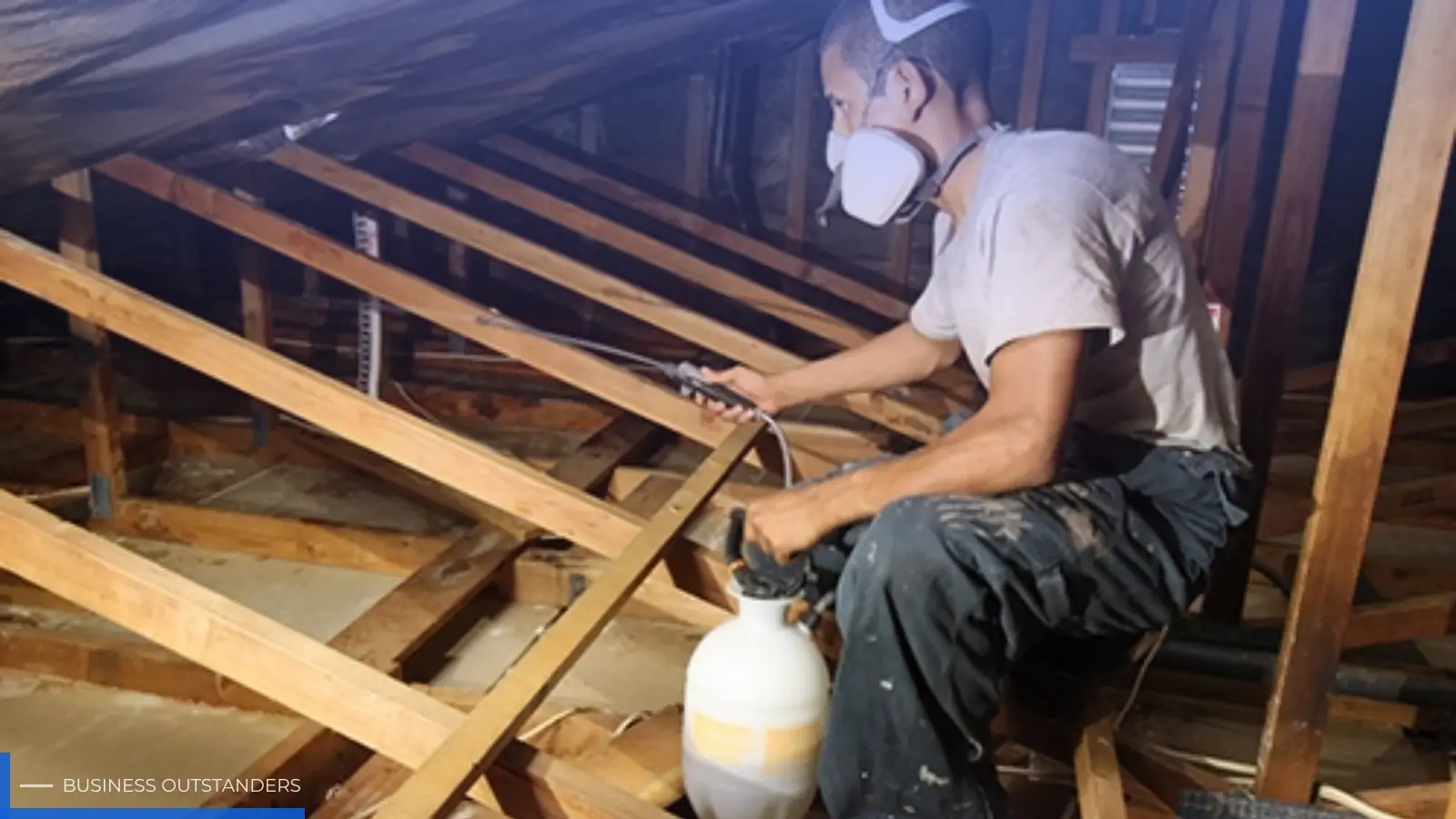
Chemical treatments remain one of the most common and effective methods for immediate spider extermination. Products such as sprays, powders, and baits contain insecticides designed to kill spiders on contact or through ingestion. To achieve the best results, chemical applications should target corners, under furniture, along baseboards, and near doors and windows where spiders often hide. Safety is critical when using these products, and following manufacturer instructions is essential to protect humans and pets. Protective gloves, masks, and proper ventilation should always be used. Because some chemicals lose effectiveness over time, periodic reapplication may be necessary to maintain control. While chemical methods provide fast results, they are most effective when combined with preventive measures to ensure long-term spider control.
Natural Methods for Spider Extermination
Home-based, natural methods provide safe alternatives to chemical treatments. Essential oils such as peppermint, tea tree, and lavender are effective spider repellents when diluted in water and sprayed around entry points, corners, and spider-prone areas. Vinegar solutions, created by mixing vinegar and water, can also act as deterrents when applied directly to webs or hiding spots. Diatomaceous earth is another natural option that mechanically damages spiders’ exoskeletons, leading to dehydration and eventual death. Sprinkling this powder along baseboards, under furniture, and in dark corners helps create a protective barrier. Maintaining a regular cleaning schedule, including vacuuming, dusting, and decluttering storage spaces, further reduces potential hiding spots and helps prevent future infestations. Natural methods are particularly suitable for homes with children and pets and complement chemical treatments for long-term spider management.
Professional Spider Extermination Services
In cases of severe infestation or when venomous spiders are involved, professional spider extermination services provide a comprehensive solution. Pest control experts possess specialized equipment, professional-grade insecticides, and the expertise to effectively eliminate spider populations. They can identify spider species accurately, assess the severity of the infestation, and apply targeted treatments that minimize environmental impact. Additionally, professionals often provide guidance on long-term prevention, such as habitat modification, sealing entry points, and ongoing monitoring. Engaging professional services ensures complete eradication and reduces the risk of reinfestation, offering homeowners peace of mind and a safe living environment.
Preventive Measures for Long-Term Spider Control
Even after successful extermination, preventive strategies are key to maintaining a spider-free home. Sealing entry points, including cracks in walls, windows, doors, and vents, prevents spiders from gaining access. Reducing clutter and keeping storage areas organized minimizes potential hiding spots. Maintaining cleanliness through regular vacuuming, dusting, and removal of cobwebs is essential for ongoing control. Outdoor maintenance, such as trimming vegetation, removing debris, and keeping exterior areas well-lit, discourages spiders from nesting near the home. Proper ventilation and controlling humidity in basements, attics, and crawl spaces also make the environment less hospitable to spiders. Combining these preventive measures with extermination techniques ensures long-term effectiveness.
Long-Term Spider Management
Successful spider extermination requires consistent monitoring and proactive measures. Homeowners should inspect living spaces regularly for new webs, egg sacs, or individual spiders and respond immediately. Using a combination of chemical, natural, and preventive strategies ensures both current infestations are eliminated and future problems are minimized. By maintaining a clean, organized, and well-sealed home, it is possible to achieve long-term control and reduce the stress and risks associated with spider infestations. Consistency is key, as neglecting preventive measures may allow spider populations to return over time.
Conclusion
Spider extermination is essential for maintaining a safe, comfortable, and healthy living environment. Understanding spider behavior, detecting infestations early, and using a combination of chemical, natural, and professional methods provide a comprehensive approach to control. Preventive measures, including sealing entry points, reducing clutter, maintaining cleanliness, and proper outdoor maintenance, complement extermination efforts to ensure lasting results. By implementing these strategies, homeowners can effectively manage spider populations, prevent reinfestation, and enjoy a home free from the inconvenience and potential hazards posed by spiders. Effective spider extermination combines immediate action with long-term planning, ensuring that both current populations are removed and future infestations are prevented.
Business Outstanders brings you sharp insights on tech, business, entrepreneurship, law, crypto, and more. We uncover what’s next. Stay updated, sign up for our newsletter and be part of the future!