Water damage in a home or commercial property can lead to serious structural and financial consequences. One of the most challenging issues to identify and repair is a leak beneath the concrete foundation, commonly referred to as a slab leak. Slab leaks can develop slowly over time or occur suddenly, often causing subtle damage that goes unnoticed until significant problems arise. Detecting and repairing these leaks promptly is essential to prevent structural deterioration, mold growth, and escalating repair costs. This article explores the causes of slab leaks, the methods of slab leak detection, the consequences of ignoring such leaks, and preventative measures to safeguard your property.
Causes of Slab Leaks
Slab leaks can occur for various reasons, most of which are related to the age, material, and installation of the plumbing system beneath the concrete foundation. One primary cause is the natural deterioration of pipes over time. Metal pipes, such as copper or galvanized steel, are prone to corrosion and eventually develop pinhole leaks. Similarly, plastic pipes may crack due to shifting soil or extreme temperature changes. Another common cause of slab leaks is poor installation. If pipes are improperly installed, not adequately supported, or come into direct contact with concrete, stress points can form, increasing the risk of leaks. Additionally, external factors such as soil erosion, earthquakes, or ground movement can exert pressure on pipes, causing them to crack or disconnect. Understanding these causes is crucial in identifying potential risk areas and implementing effective slab leak detection strategies.
Signs Indicating the Need for Slab Leak Detection
Early identification of a slab leak is often challenging because the leak is hidden beneath the concrete foundation. However, there are certain signs that indicate the presence of a leak and the need for professional slab leak detection. One of the most noticeable indicators is an unexplained increase in water bills. If your water consumption rises without an apparent reason, it could be a sign of water escaping under the slab. Additionally, hot spots on the floor, damp carpet, or unusual water stains can suggest a hidden leak. The sound of running water when no fixtures are in use, as well as the presence of mold or mildew in unusual areas, may also indicate a slab leak. Ignoring these warning signs can result in severe damage to your foundation, flooring, and overall property value, emphasizing the importance of timely slab leak detection.
Methods of Slab Leak Detection
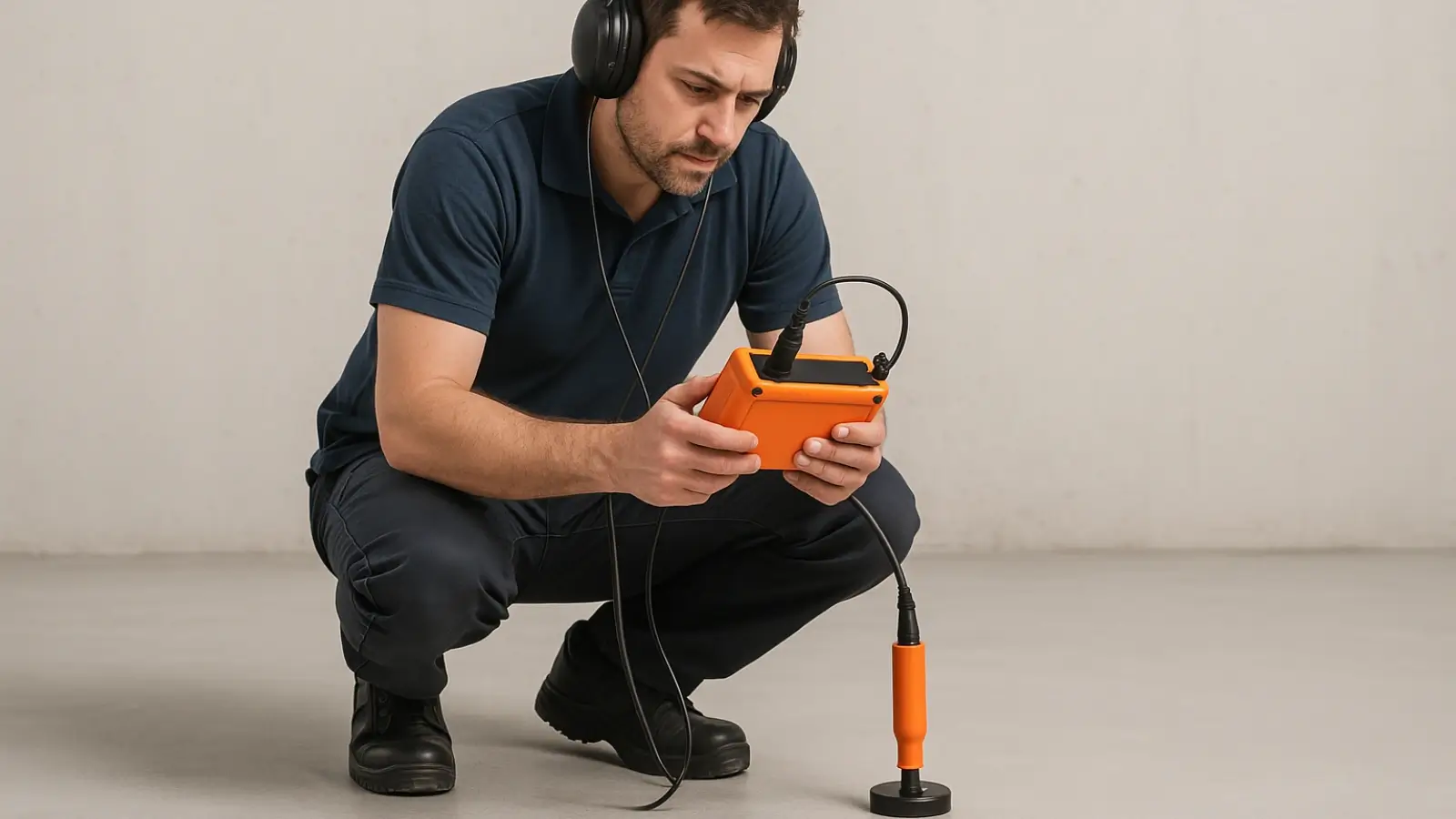
Modern technology has significantly improved the ability to locate slab leaks with minimal disruption. Professional slab leak detection involves a combination of non-invasive and precise techniques to identify the leak's exact location. One widely used method is electronic amplification, which uses specialized listening devices to detect the sound of water escaping from pipes. This method allows technicians to pinpoint leaks without extensive excavation. Another technique involves thermal imaging, which detects heat differences caused by leaking hot water beneath the concrete slab. This method is particularly useful for detecting leaks in radiant heating systems. Additionally, tracer gas detection is a highly accurate approach that introduces a harmless gas into the plumbing system; technicians then use sensors to trace the gas escaping through leaks. Video camera inspection is another effective technique, where small cameras are inserted into pipes to visually identify cracks or blockages. Each of these methods ensures precise slab leak detection while minimizing damage to the property.
Consequences of Ignoring Slab Leaks
Failing to detect and repair a slab leak can result in severe structural and financial consequences. Water escaping beneath the foundation can weaken the concrete slab, causing cracks, uneven flooring, and, in extreme cases, foundation settlement. Moisture accumulation promotes mold growth, which poses significant health risks, particularly to individuals with respiratory issues or weakened immune systems. Moreover, prolonged leaks can lead to increased water bills, additional damage to flooring and walls, and the need for costly repairs that could have been avoided with early slab leak detection. Insurance coverage may not always cover damages resulting from undetected leaks, making proactive detection and repair essential for long-term property protection.
Repair and Prevention Strategies
Once a slab leak is detected, timely repair is critical to prevent further damage. Repair options depend on the severity and location of the leak. For minor leaks, epoxy pipe lining or pipe rerouting may be sufficient. In more severe cases, sections of the concrete slab may need to be removed to access and replace damaged pipes. Preventing slab leaks requires a combination of proper installation, regular maintenance, and monitoring. Using durable materials for plumbing, ensuring professional installation, and monitoring water pressure can significantly reduce the risk of leaks. Additionally, conducting periodic slab leak detection assessments allows homeowners and property managers to identify potential issues before they escalate into costly problems.
Conclusion
Slab leaks pose a hidden but serious threat to any property, creating structural damage, health risks, and financial burdens if left unaddressed. Understanding the causes, recognizing the warning signs, and relying on professional detection methods such as electronic amplification, thermal imaging, and tracer gas analysis are essential steps in safeguarding a home or commercial property. Prompt repairs, coupled with proactive prevention strategies, protect both the plumbing system and the foundation while minimizing long-term costs. Homeowners and property managers who prioritize slab leak detection as part of routine maintenance can prevent minor issues from escalating into major structural problems, preserving the value, safety, and comfort of their property for years to come.
Business Outstanders brings you sharp insights on tech, business, entrepreneurship, law, crypto, and more. We uncover what’s next. Stay updated, sign up for our newsletter and be part of the future!