A roof is one of the most important components of any building, and yet it is often the part that receives the least attention until a problem becomes impossible to ignore. While homeowners tend to focus on interior spaces and visible features, the roof silently performs essential duties every single day. It shields the building from harsh weather, prevents moisture infiltration, supports structural stability, regulates indoor temperature, and protects everything inside the home. Without consistent maintenance and timely professional support, the system begins to weaken long before visible damage appears. That is why understanding the purpose, structure, and requirements of a healthy roofing system is essential for anyone who wants to protect their property for decades to come.
A roof does much more than simply cover a house. It serves as the first line of defense against rain, snow, wind, heat, and debris. It helps maintain energy efficiency by reducing heat loss in colder months and minimizing heat absorption in warmer seasons. It provides stability by distributing weight evenly across the structure. When there are weaknesses such as cracked shingles, failing seals, or inadequate ventilation, the effects often spread quickly to other parts of the building. Interior stains, sagging ceilings, mold growth, warped walls, and insulation damage often begin with issues that started at the top of the structure. This is why the expertise of a skilled roofer becomes incredibly important when homeowners need reliable assessments, strong workmanship, and long-term roofing protection.
Understanding Roofing Materials and How They Affect Long-Term Durability
Roofing materials come in many forms, each offering different advantages depending on climate needs, design preferences, structural support, and maintenance expectations. Asphalt shingles remain one of the most widely used materials due to affordability, accessibility, and a variety of colors and textures. High-quality shingles today offer improved resistance to impact, UV exposure, and wind. They are engineered to last for decades when maintained properly, making them a practical choice for many property owners.
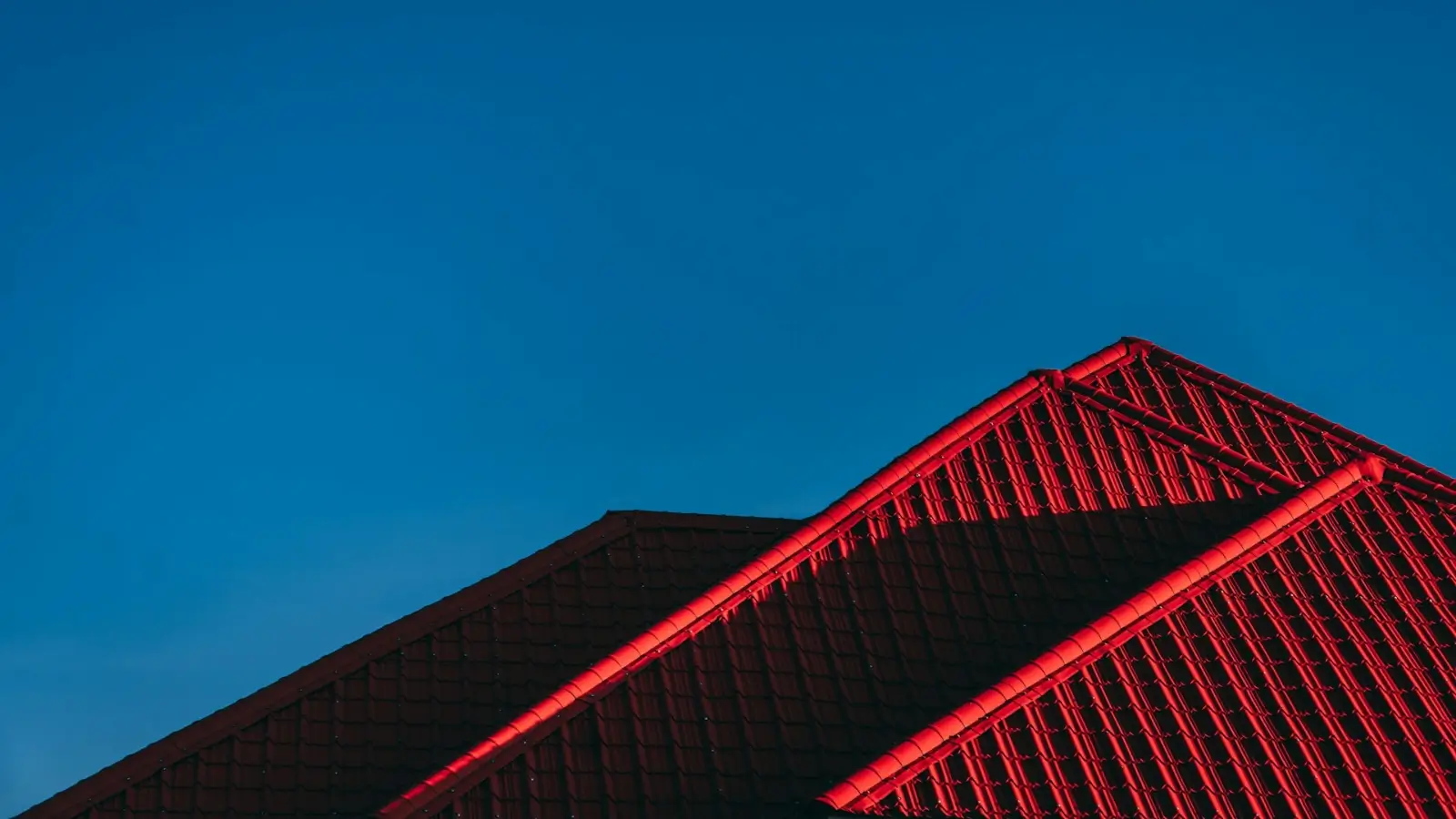
Metal roofing, which includes steel, aluminum, copper, and zinc panels, has grown in popularity due to its longevity and unmatched resilience. Metal surfaces reflect heat, resist moisture damage, and withstand high winds. Homeowners seeking long-term durability often choose metal systems because they require minimal maintenance and can last fifty years or more. Because metal roofs shed water effectively and resist fire damage, they contribute significantly to property safety.
Clay and concrete tiles offer exceptional durability and a distinctive architectural appearance. These materials are known for long lifespans and resistance to extreme environmental conditions. They are heavier than most materials, so the structure must be reinforced properly, but once installed, tile roofs can last generations. Slate roofing is considered one of the most premium options available. Its natural stone composition gives it unmatched durability, often lasting more than a century. While the cost is higher, slate provides an elegant appearance and outstanding performance.
Flat roofing systems, commonly used in modern architectural styles and commercial buildings, rely on materials such as TPO, EPDM, and modified bitumen. These systems require precise installation because flat surfaces do not shed water easily. When installed by experienced roofing experts and maintained regularly, flat roofs can provide years of reliable protection. However, without proper drainage or attention to membrane integrity, they can develop issues that compromise the structure beneath.
How Proper Installation Determines Roof Strength and Longevity
Regardless of which materials are used, roofing performance depends heavily on execution. Improper installation is one of the most common reasons roofs fail earlier than expected. Even high-quality products can become ineffective if not installed correctly. Issues such as misaligned shingles, inadequate fastening, poor sealing around vents or chimneys, and insufficient underlayment can lead to moisture infiltration, structural decay, and mold growth.
Ventilation is another critical component of roofing health. Without proper airflow, the attic becomes a trap for heat and moisture. Excessive attic heat accelerates aging of shingles, compromises insulation, and drives up energy costs. Moisture accumulation encourages mold, wood rot, and corrosion. Balanced ventilation allows excess heat to escape while preventing condensation from forming in the attic space. Insulation works alongside ventilation to maintain indoor comfort and energy efficiency. A roofing professional understands how these systems interact and ensures they function cohesively.
When homeowners rely on a trained roofer for installation, they gain the assurance that every layer from decking to shingles and from flashing to ridge caps is installed with precision. This significantly reduces the likelihood of unexpected problems, extends the lifespan of the roof, and preserves warranty coverage.
Recognizing the Early Signs of Roof Problems Before They Become Serious
Roof issues often develop quietly, showing small symptoms long before serious damage is visible. This is why regular inspections are essential. Early indicators include curling or cracked shingles, granule accumulation in gutters, deteriorating flashing, softened wood near the roofline, sagging areas, and damaged soffits or fascia. Homeowners may also notice interior signs such as water stains, damp insulation, peeling wallpaper, mold growth, or musty odors. These signs typically indicate moisture has already penetrated the roofing system.
Flat roofs have unique warning signs, such as ponding water, membrane tears, blistering, and seam separation. When water remains on the surface for extended periods, it increases the risk of leaks and accelerates membrane deterioration. Skilled roofing professionals can detect subtle issues early and make the necessary corrections to prevent more extensive damage.
Identifying problems early can prevent long-term structural issues. A well-trained roofer is able to diagnose underlying weaknesses, recommend appropriate repairs, and ensure the roof continues to function safely and efficiently. This proactive approach helps homeowners avoid unnecessary costs and structural complications.
The Role of Regular Maintenance in Extending Roof Lifespan
Routine maintenance is one of the most effective strategies for protecting a roof. By scheduling regular inspections, homeowners can identify potential issues before they escalate. Cleaning gutters removes debris that prevents water from draining properly. Removing branches, leaves, and moss from the roof surface prevents blockages and reduces moisture retention. Ensuring that flashing remains securely attached helps prevent leaks in vulnerable areas.
Professional maintenance goes even further by addressing problems that the average homeowner may not notice. Roofing experts can spot early signs of membrane wear, compromised ventilation, loosening fasteners, and irregularities that may lead to future damage. Preventive maintenance contributes significantly to the lifespan of the roof and keeps overall roofing costs manageable.
The Value of Skilled Roofing Professionals in Ensuring Long-Term Protection
Roofing work is not just about placing materials on a structure; it requires specialized knowledge, precision, and safety training. Working at heights poses significant risks, and improperly executed repairs often cause more harm than good. This is why homeowners benefit significantly from working with experienced roofers who understand how roofing materials behave under different conditions and how to correct issues without compromising the structure.
Roofing professionals bring expert knowledge, advanced tools, and certified skills to every project. They ensure repairs meet industry standards, materials are installed correctly, and safety protocols are followed. Many roofing specialists also provide warranties for their work, giving homeowners confidence long after a project is completed. Their detailed attention ensures the roof remains strong, reliable, and ready to withstand future challenges.
How to Choose the Right Specialists for Roofing Projects
Selecting the right roofing experts is crucial to achieving long-term success. Homeowners should evaluate experience levels, certifications, training, and reputation. It is important to choose professionals who have a proven track record, transparent pricing, strong communication, and a commitment to quality. Reading customer reviews, requesting references, and examining past work can help identify trustworthy roofing professionals who deliver lasting results.
Experienced roofers provide detailed inspections, clear explanations of needed work, and reliable timelines. They recommend materials that match the homeowner’s goals and budget. They also stand by their workmanship, ensuring that the roof remains a stable and dependable part of the property for years.
Modern Advances in Roofing Technology and What They Mean for Homeowners
Roofing innovations continue to expand as the industry evolves. Solar-integrated roofing allows homeowners to generate clean energy without bulky panels. Cool roofing materials reflect sunlight and reduce indoor heat, improving energy efficiency. Environmentally friendly materials such as composite shingles and sustainable tiles offer high durability with lower environmental impact. Living green roofs provide insulation, reduce stormwater runoff, and create natural beauty. All of these advancements offer homeowners more choices in terms of durability, design, and sustainability.
Conclusion:
A strong roof is essential to the protection, comfort, and longevity of any building. Understanding its components, recognizing warning signs, choosing proper materials, and investing in maintenance all contribute to a roofing system that stands firm for decades. When damage or deterioration occurs, timely attention from qualified roofers ensures long-lasting protection. A dedicated roofer helps safeguard the structure, enhance its performance, and provide peace of mind. With proper care and professional expertise, every homeowner can enjoy a safe, efficient, and durable roof that continues to serve as the first line of defense for their property.
Business Outstanders brings you sharp insights on tech, business, entrepreneurship, law, crypto, and more. We uncover what’s next. Stay updated, sign up for our newsletter and be part of the future!