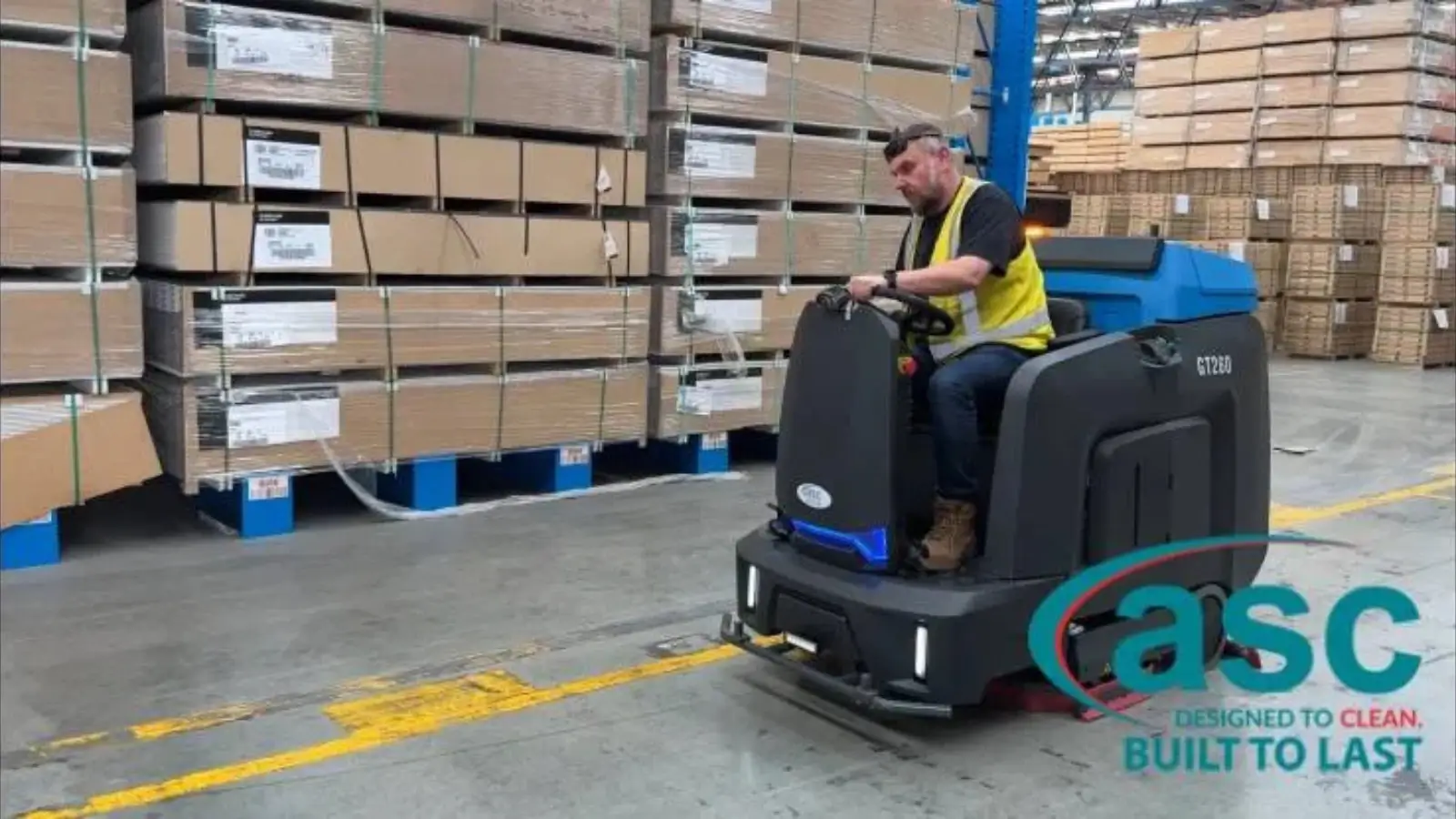
Picture this: you’ve just invested in a shiny new cleaning machine, confident it will revolutionise your facility operations. Six months later, it’s underperforming, operators avoid using it, and maintenance costs keep climbing. Sound familiar? This scenario plays out far too often, not because ride-on machines don’t work, but because buyers make avoidable mistakes at the purchasing stage.
Choosing the right ride on floor scrubber is a strategic decision that affects productivity, safety, and long-term operating costs. Below are the most common mistakes facilities managers and procurement teams make, along with how to avoid them.
Mistake 1: Purchasing Based on Price Only
The greatest trap buyers fall into is taking the lowest-priced machine. A low initial price usually masks the higher long-term costs.
What typically goes wrong:
-
Small tanks imply frequent refuelling and downtimes.
-
A reduction in build quality results in breakdowns.
-
There is minimal maintenance coverage, which adds to repair delays.
What to do instead:
Consider lifecycle cost: labour savings, longevity, ease of serviceability, and the availability of parts are more critical than sticker price.
Mistake 2: Selecting the Wrong Facility Size
Large is not necessarily best, and small is not necessarily cheap.
A machine that’s too large:
-
Raising of heels in narrow tracks.
-
Makes it hard to control.
-
Goes underused by operators
A machine that’s too small:
-
Requires multiple passes
-
Increases cleaning time
-
Accelerates wear and tear
Pro tip: Size the machine for the area to be cleaned, not the overall square footage. Raw numbers are not as important as corridors, shelving plans, or turning radius.
Mistake number 3: Overlooking Floor Type and Soil Conditions
Floors cannot behave as they all do. The smooth concrete, epoxy, vinyl, and textured surfaces have varied brush pressure, pad choices, and a recovery system.
Common oversight:
-
Picking a scrubber whose brush pressure is not adjustable.
-
Applying the wrong type of brush on greasy or dusty floors.
-
Calculating a water recovery with low expectations.
-
This results in poor cleaning performance and premature floor damage.
What to do instead:
Make sure the ride-on floor scrubber offers a variety of brushes and pads, as well as variable scrubbing pressure.
Mistake 4: Ignoring the Operator Comfort and Usability
When operators dislike using the machine, productivity will be reduced, no matter how powerful it is.
Red flags include:
-
Complicated control panels
-
Poor visibility
-
Uncomfortable seating
-
Heavy steering
What to do instead:
search for user-friendly controls, comfortable seats and easy handling. It should take only minutes for a machine to feel natural to use.
Mistake 5: Underestimating Service and Support Needs
A ride-on scrubber is not a “set and forget” purchase. Machines require:
-
Routine maintenance
-
Replacement consumables
-
Occasional repairs
Buyers often fail to ask:
-
How quickly can parts be supplied?
-
Is technical support readily available?
-
Are service technicians experienced with this model?
What to do instead:
Choose a supplier known for strong after-sales support, fast parts availability, and preventative maintenance programs, even if the machine costs slightly more.
Mistake 6: Failing to Consider Battery Performance and Runtime
Battery limitations quietly kill productivity.
Common issues:
-
Machines that can’t finish a full shift on one charge
-
Long recharge times
-
Degrading performance over time
This leads to interrupted cleaning schedules and rushed work.
Smart buying move:
Ask about runtime under real conditions, battery lifespan, and charging flexibility, not just “hours on paper.”
Mistake 7: Not Thinking About Growth and Scalability
Facilities change. Floor space expands, and cleaning standards increase. Traffic grows.
A scrubber that works today may struggle tomorrow if it:
-
Lacks the capacity for an increased area
-
Cannot handle heavier soil loads
-
Doesn’t support upgrades or attachments
What to do instead:
Choose a ride-on floor scrubber that scales with your operation, one that can handle higher demand without requiring replacement.
Quick Comparison: Smart Buyer vs Cost-Driven Buyer
|
Decision Factor |
Cost-Driven Buyer |
Smart Buyer |
|
Purchase focus |
Lowest price |
Long-term ROI |
|
Machine size |
Guesswork |
Site-matched |
|
Floor compatibility |
One-size-fits-all |
Adjustable systems |
|
Operator comfort |
Overlooked |
Prioritised |
|
Service support |
Considered later |
Evaluated upfront |
|
Scalability |
Ignored |
Planned |
The Bottom Line
Buying a ride-on floor scrubber is not just an equipment decision; it’s an operational strategy. The wrong choice increases labour costs, frustrates staff, and undermines cleaning standards. The right choice delivers consistency, safety, and measurable savings year after year.
Avoid the mistakes above, ask the right questions, and focus on performance over price. When you do, your ride-on scrubber won’t just clean floors; it will elevate how your facility operates.
Business Outstanders brings you sharp insights on tech, business, entrepreneurship, law, crypto, and more. We uncover what’s next. Stay updated, sign up for our newsletter and be part of the future!